

 English
 中文简体
 Español
News
Home / Author / Shen Yaqin — International Sales Manager / Heavy-Duty Printable UV Block Tarpaulin for RV Awnings: Durable Protection, Reliable Printing, and All-Weather Performance


Content
RV awnings serve several purposes at once. They provide shade beside a motorhome, create a more comfortable outdoor living area, reduce heat entering the vehicle, and offer shelter from light rain during camping trips. However, the awning fabric must tolerate demanding conditions that ordinary outdoor textiles may not handle effectively. Constant ultraviolet exposure, wind pressure, airborne dust, sand abrasion, repeated rolling, rain, humidity, and seasonal temperature changes can all shorten the useful life of an awning.
The Heavy-Duty Printable UV Block Tarpaulin for RV Awning is designed to address these challenges through a high-strength industrial construction, a waterproof surface system, a printable topcoat, and a flexible structure suitable for retractable awning frames. Based on a 1000D × 1000D woven foundation with a 9 × 9 construction and an approximate weight of 460 gsm, the material combines mechanical strength with practical handling characteristics.
Unlike a basic tarpaulin intended only for temporary covering, this material is developed for applications requiring outdoor durability, visual quality, and repeated use. It can be used for motorhome awnings, trailer extension awnings, side curtains, outdoor promotional coverings, custom camping shelters, and other printed or unprinted protective structures.
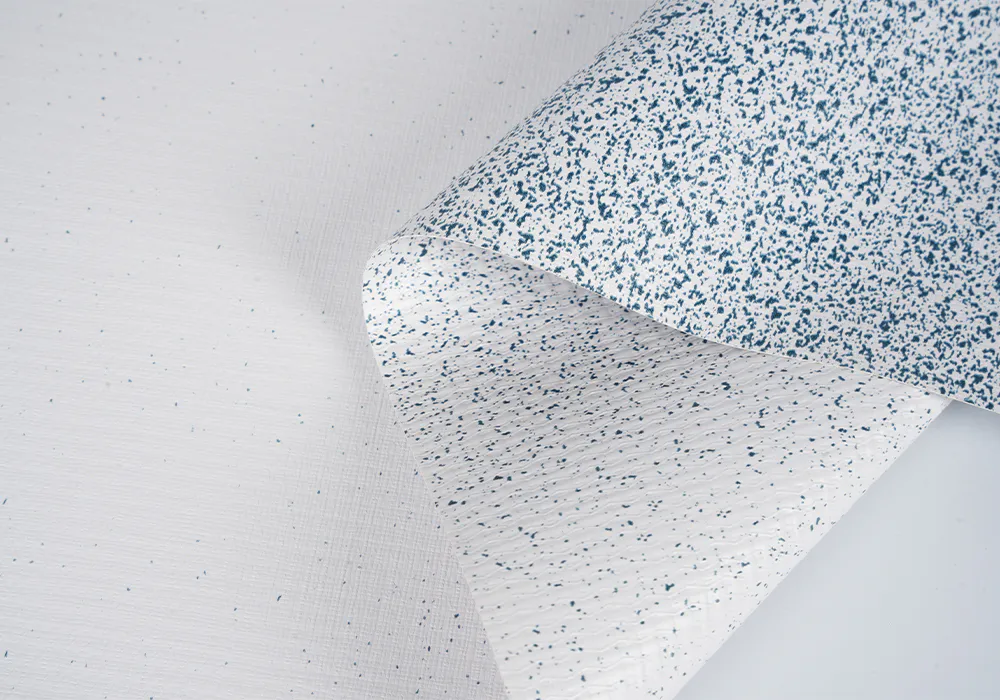
Heavy Duty Printable UV Block Tarpaulin For RV Awning
An RV awning is exposed to a combination of stresses that are rarely found in indoor or lightly used fabric applications. When the awning is extended, the material becomes a broad surface that receives direct sunlight and wind loads. In dry environments, wind may carry fine sand and dust that gradually abrade the coating. In wet climates, rainwater and humidity can encourage staining, mildew, or coating deterioration if the material is not properly formulated.
Storage creates another set of requirements. Retractable awnings are rolled and unrolled repeatedly. A material that is too rigid may develop permanent creases, while a material with insufficient coating flexibility can crack along folding lines. During transportation, the awning may be compressed, rubbed against frame components, or exposed to rapid changes in temperature.
For these reasons, a suitable RV awning tarpaulin must balance several characteristics:
• High tensile strength to resist pulling forces and wind stress.
• Strong tear resistance to prevent a small cut from spreading.
• Adequate adhesion between the coating and the base fabric.
• Waterproof performance for rain protection.
• UV-blocking capability to reduce solar heat and light transmission.
• Flexibility for rolling, folding, installation, and removal.
• Reliable print adhesion when graphics or branding are required.
• Resistance to moisture-related deterioration during storage.
The product combines these functions in one technical textile rather than treating them as separate features. This integrated design is particularly valuable for distributors, RV accessory suppliers, custom awning fabricators, and fleet operators that need a material suitable for both protective performance and visual customization.
The stated construction uses a 1000D × 1000D industrial-strength fabric base, a 9 × 9 weave configuration, and an approximate basis weight of 460 gsm. The 1000D designation indicates a heavy-denier yarn system intended to provide a robust internal framework. The woven core supports the coated surface and helps distribute stress across the material when it is pulled, tensioned, rolled, or exposed to wind.
The 9 × 9 construction represents the yarn arrangement in the fabric. A balanced structure helps the material maintain dimensional stability in both principal directions. This is important for awning manufacturing because the finished panel must remain properly aligned with the awning frame, seams, hems, fasteners, and support bars.
The product specifications supplied for this grade include a tensile strength of 1000 N/5 cm in one direction and 800 N/5 cm in the other direction. The listed tearing strength is 200 N and 180 N, while adhesion is specified at 60 N/5 cm. These figures provide a useful reference for buyers comparing industrial tarpaulin grades. Actual performance can depend on test method, sample preparation, production lot, coating configuration, and environmental conditions, so purchasers should confirm the applicable testing standards and tolerance requirements before placing a large order.
| Item | Stated Specification | Practical Importance for RV Awnings |
| Base fabric | 1000D × 1000D | Provides a strong woven foundation for outdoor and tensioned applications |
| Fabric construction | 9 × 9 | Supports balanced strength and dimensional stability |
| Approximate weight | 460 gsm | Offers a substantial outdoor-duty structure while remaining suitable for awning fabrication |
| Tensile strength | 1000/800 N per 5 cm | Helps resist pulling and wind-related tension in the finished panel |
| Tearing strength | 200/180 N | Helps limit the spread of accidental cuts or punctures |
| Adhesion | 60 N per 5 cm | Supports bonding between the coated layers and fabric substrate |
| Primary use | RV awnings, side curtains, printed outdoor coverings | Suitable for protective structures requiring durability and visual customization |
A high-strength base is not the only factor that determines service life, but it is an essential starting point. If the internal fabric is weak, a thicker surface coating alone cannot reliably compensate for poor reinforcement. The 1000D × 1000D structure gives the product a more substantial foundation than lightweight promotional fabrics and many general-purpose temporary covers.
Wind is one of the most significant stresses affecting a deployed RV awning. The extended panel acts like a large sail, and gusts can place considerable force on the fabric, hems, attachment points, and support arms. Wind does not always create a single steady load. Instead, it may produce repeated impacts, vibration, and sudden tension changes as the awning moves.
The heavy-duty woven core is intended to improve resistance to these conditions. Its high-denier yarns create a rugged internal skeleton that helps distribute the load instead of concentrating it in one small area. This can be especially valuable around reinforced edges, welded seams, mounting channels, and other points where the finished awning transfers force to the frame.
Outdoor users may also encounter abrasive windblown sand. Sand particles can rub against the surface as the awning flexes or vibrates. Over time, abrasion may dull the surface, weaken the coating, and expose the fabric underneath. A robust coated construction offers better protection than a thin, lightly coated fabric when the product is used near beaches, deserts, construction areas, or dry off-road campsites.
The product is therefore suited to demanding environments where a standard lightweight banner or decorative textile may show premature thinning, edge damage, or tearing. It should still be installed correctly and retracted during dangerous storms. No flexible awning material should be considered a substitute for safe operating procedures, proper anchoring, and compliance with the awning-frame manufacturer’s wind limits.
Lightweight printable fabrics are often selected for low cost and easy handling. They may be suitable for short-term banners, indoor displays, or temporary graphics. However, they typically provide less resistance to puncture, tearing, wind loading, and repeated mechanical stress. Their thinner structure can also make them more vulnerable to edge deformation and coating wear.
By contrast, the 460 gsm heavy-duty tarpaulin is designed around the needs of outdoor protection. The added structural strength supports longer service in applications where a panel must remain functional after repeated deployment, transportation, and exposure. For a buyer comparing products only by initial price per square meter, the heavier grade may appear more expensive. For a buyer evaluating replacement frequency, field failure, labor, and customer satisfaction, the stronger material can provide a more favorable total-use value.
Strong sunlight can affect an RV in two ways. First, ultraviolet radiation can degrade the outer surface, fade printed graphics, and weaken polymers over time. Second, solar energy passing through or being absorbed by the awning can raise the temperature inside the vehicle and reduce comfort in the shaded outdoor area.
The UV-blocking construction of this tarpaulin is intended to reduce the impact of prolonged sunlight. When installed above an RV window, door, or outdoor living space, the awning can provide a physical barrier that limits direct solar exposure. Lower solar transmission may help reduce heat accumulation inside the vehicle, particularly when the awning is combined with ventilation, reflective window coverings, and appropriate vehicle insulation.
UV resistance is also important for the product’s appearance. Printed graphics that remain bright and stable for longer can improve the professional appearance of a recreational vehicle, rental fleet, touring vehicle, or branded mobile unit. The actual degree of color retention depends on ink type, curing conditions, color density, exposure intensity, cleaning practices, and the final installation environment. Nevertheless, a compatible printable surface provides a stronger foundation for durable outdoor graphics than an untreated or poorly prepared substrate.
Distributors can position this feature as more than a simple shade benefit. The product can help combine thermal comfort, visual branding, and surface protection in a single awning panel. This combination is useful for RV manufacturers and aftermarket suppliers that want to offer personalized awnings without sacrificing the heavy-duty requirements of outdoor use.

Rain protection is a central function of an RV awning. A suitable awning should help create a dry transition area beside the vehicle and provide shelter for chairs, outdoor equipment, entry steps, and camping accessories. Water resistance must remain effective not only on the broad central surface but also around seams, hems, attachment points, and areas subject to repeated rolling.
The full waterproof coating on this tarpaulin helps prevent rainwater from passing through the coated surface under normal installation and use. It also helps protect the woven substrate from direct moisture penetration. This is important because prolonged wetting can add weight, encourage staining, and contribute to mildew-related problems if the material is rolled and stored before it is fully dry.
Waterproofing performance is influenced by the slope of the installed awning. A properly pitched awning allows water to run off rather than collect in pockets. Correct tension, suitable drainage, sealed seams, and regular inspection remain essential. The material provides the waterproof surface, but the complete awning system must be designed and installed so that water cannot accumulate at low points.
For distributors, a waterproof coated product can offer broader market use than a simple shade fabric. The same roll may be converted into rain-shedding awnings, trailer side curtains, outdoor partitions, equipment covers, and printed protective panels. This product versatility can simplify inventory planning and support multiple customer segments.
Many RV owners want more than plain-colored shade. They may request custom patterns, travel-themed graphics, family designs, corporate logos, rental fleet identification, dealership branding, or promotional artwork. A printable tarpaulin must therefore provide a surface that accepts ink consistently and maintains adhesion after exposure to water, sunlight, flexing, and handling.
The product features a specialized topcoat intended to improve chemical compatibility with digital printing inks. This surface treatment supports ink anchoring and helps printed graphics remain attached to the substrate. Stable adhesion is particularly important on an awning because the finished material is rolled, unrolled, tensioned, folded, and exposed to changing weather conditions.
Poorly matched printing systems may produce a graphic that looks attractive immediately after production but later suffers from peeling, cracking, smearing, or bleeding. The ink may fail to bond with the surface, or the coating may lose integrity when repeatedly flexed. A purpose-prepared printable surface reduces this risk when the appropriate printer, ink, curing method, and production settings are used.
Printing suppliers should validate their process through sample testing before full production. They should examine adhesion after curing, bending, wet exposure, cleaning, and accelerated weathering where appropriate. The best results are achieved when the tarpaulin, ink, printer, and finishing process are selected as one compatible system.
Printed RV awnings can support several commercial applications. A motorhome owner may choose a scenic pattern or personalized artwork. A rental company may print vehicle identification and operating information. A tourism operator may display a recognizable logo across a fleet. A dealership may use the awning as a mobile advertising surface. Outdoor event operators may use printed side curtains and shelter panels to create a consistent visual identity.
Because the material combines outdoor strength with printable performance, buyers do not necessarily need to choose between a durable blank tarpaulin and a visually attractive but fragile banner fabric. The same product concept supports both functional protection and long-term visual communication.
RV awnings must move. They are extended for use and retracted for travel, storage, or severe weather. This repeated movement places stress on the coated layers, especially along fold lines and rolled sections. If a material loses flexibility, it may become difficult to operate, develop permanent creases, or suffer surface cracking.
The product is formulated to retain a supple texture across a broad outdoor temperature range. Its flexible character allows it to follow retractable awning frames and adapt to normal rolling and folding. This is a practical advantage over rigid sheet materials that may resist shaping or become difficult to manage during seasonal installation.
Flexibility must be considered together with thickness and strength. A material that is extremely soft may lack the mechanical support required for wind exposure, while a material that is extremely stiff may be inconvenient for retraction. The 460 gsm construction aims to balance substantial outdoor protection with the handling characteristics required for awning fabrication.
To preserve flexibility and appearance, users should avoid forcing the awning into a roller when it is wet, dirty, or obstructed. Sand and grit should be removed before retraction where possible. The frame should be inspected periodically so that sharp edges, damaged rollers, or misaligned channels do not create abnormal wear.
RV owners may travel through hot summers, cool autumns, humid coastal areas, dry inland regions, and sub-zero winter conditions. The awning fabric must therefore tolerate more than one narrow climate profile. A material optimized only for warm weather may stiffen in cold conditions, while a material designed without adequate UV protection may deteriorate under intense sun.
The all-weather formulation of this tarpaulin is intended to maintain useful flexibility through seasonal temperature changes. It is also designed to resist water exposure and reduce the likelihood of mildew development during humid storage. These characteristics can benefit both end users and distributors. End users receive a material suitable for more varied travel conditions, while distributors may experience fewer complaints related to brittleness, moisture damage, and premature surface deterioration.
However, all-weather performance does not eliminate the need for responsible maintenance. The fabric should be cleaned using methods compatible with the coating. Aggressive solvents, abrasive brushes, sharp objects, and unapproved chemicals may damage the surface. After exposure to heavy rain, the awning should be allowed to dry fully before long-term storage. Proper ventilation and a clean storage location can significantly improve service life.
The product is manufactured by Haining Taiwei New Material Co., Ltd., an established Chinese producer of PVC films, digital printing fabrics, tarpaulin films, frontlit and backlit materials, double-sided printing fabrics, mesh, and light box cloth products. The company was established in July 2010 and operates in Haining Dingqiao Industrial Park in Zhejiang Province, with access to major transportation routes and the ports of Shanghai and Ningbo.
The company’s manufacturing scope is relevant to this tarpaulin because the product requires coordinated control of fabric preparation, coating, surface treatment, finishing, and inspection. A supplier that specializes in related PVC and printable material categories can apply experience across multiple outdoor-media and protective-textile applications.
According to the supplied company information, the factory is equipped with advanced calendering equipment, multiple production lines, and professional bonding facilities. These capabilities support the production of coated rolls with controlled thickness, consistent surface quality, and reliable layer integration. Multiple lines can also improve scheduling flexibility for different specifications, colors, weights, widths, and order quantities.
Calendering is an important process for PVC-based coated materials. It uses controlled heat, pressure, and roller movement to form and combine polymer layers. Proper process control helps determine the final thickness, smoothness, appearance, flexibility, and bonding quality of the finished material.
For RV awning tarpaulin, coating consistency is particularly important. A coating that is too thin may reduce waterproofing and protection, while excessive variation can create differences in handling, print response, or finished weight. Stable processing helps the manufacturer produce material that behaves more consistently during printing, cutting, welding, sewing, and installation.
The coated surface and woven base must remain securely integrated during outdoor use. Professional bonding facilities support the creation of a strong interface between the substrate and the coating layers. The listed adhesion value of 60 N/5 cm provides a reference for this interlayer performance.
Strong layer integration can reduce the risk of delamination, lifting, or surface separation when the material is repeatedly flexed or exposed to changing weather. It also supports downstream fabrication processes such as heat welding, edge reinforcement, hemming, and attachment of compatible hardware.
The supplied company profile states that the factory has an annual output of approximately 45 million square meters and exports more than 98% of its products to Europe, America, the Middle East, Southeast Asia, and other regions. This export experience suggests familiarity with international purchasing requirements, packaging arrangements, documentation, production coordination, and communication across different markets.
Large production capacity can be an advantage for distributors that require repeat supply. It may support more consistent replenishment, larger project orders, and coordinated production of multiple related products. It can also help buyers develop a broader material portfolio, including printable fabrics, mesh, frontlit materials, backlit materials, PVC films, and tarpaulin grades from one manufacturing source.
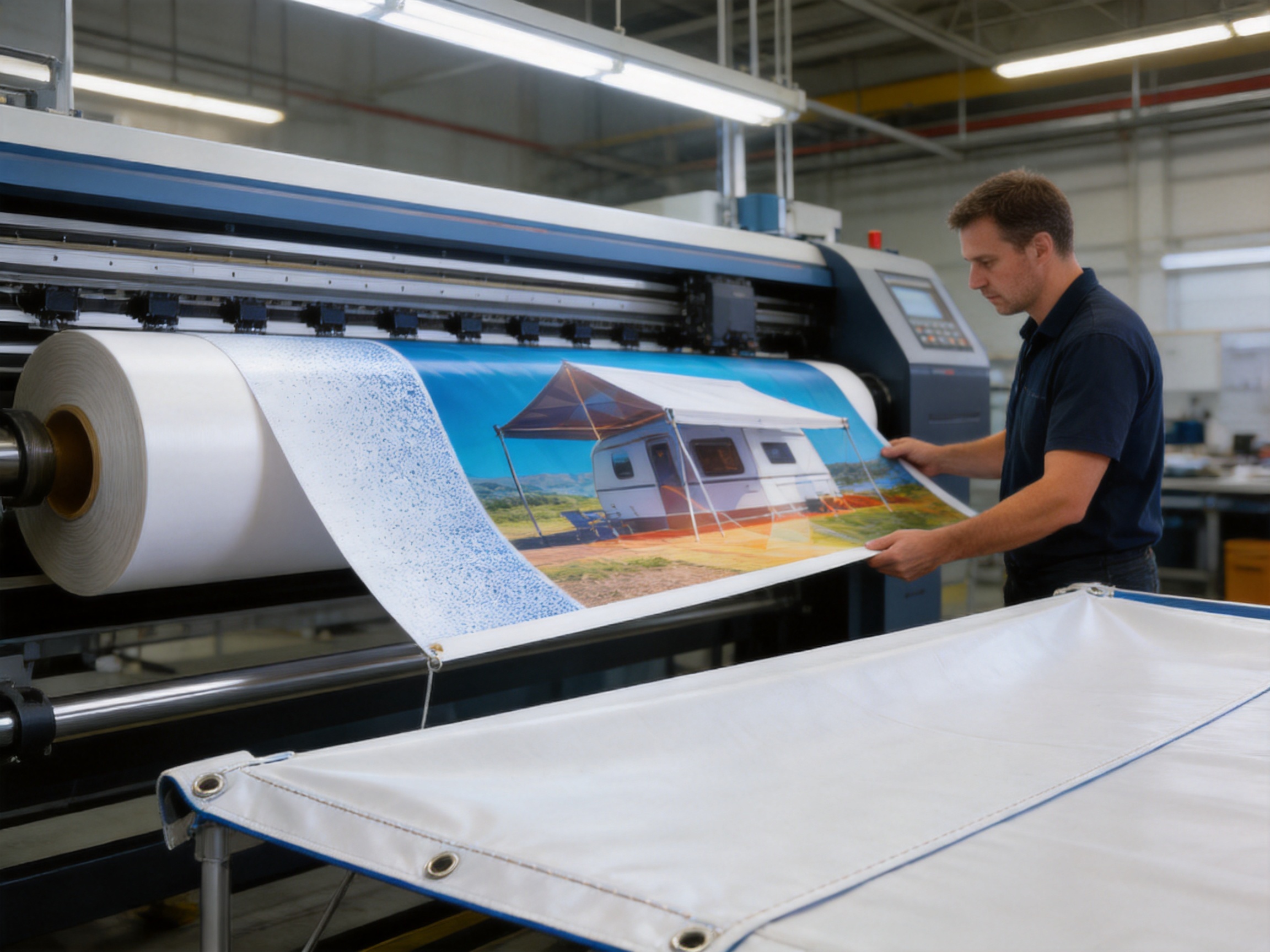
Outdoor coated textiles should be evaluated as complete products rather than by one specification alone. Tensile strength is important, but it must be considered alongside tear strength, adhesion, coating uniformity, print compatibility, flexibility, waterproofing, and dimensional stability. A supplier with experience in several related materials can help customers select a suitable grade for the intended environment.
For RV awning applications, buyers should discuss the following requirements before ordering:
• Finished roll width and acceptable width tolerance.
• Target weight and coating thickness.
• Base color and surface gloss or matte preference.
• Printing method, ink system, and curing conditions.
• Required tensile and tear performance.
• Welding, sewing, hemming, or fastening method.
• Expected temperature range and climate exposure.
• Required mildew, flame-retardant, antistatic, or antibacterial properties.
• Packaging, roll diameter, core size, and shipping requirements.
• Sample approval and production inspection procedures.
The company’s broader product portfolio includes materials described as cold-resistant, flame-retardant, UV-resistant, antistatic, mildew-proof, and antibacterial. These properties may not apply automatically to every grade, so buyers should confirm which characteristics are included in the selected product specification. Clear technical communication is essential when a material will be used in a regulated vehicle, commercial fleet, public venue, or high-exposure installation.
Although the product is designed around RV awning requirements, its combination of strength, waterproofing, UV blocking, flexibility, and printability allows it to serve multiple adjacent applications.
Motorhome extension awnings can use the material as a roof panel, side panel, or privacy curtain. The printable surface allows each vehicle to carry a customized appearance, while the waterproof coating supports outdoor shelter.
Travel trailers and commercial trailers may use coated tarpaulin for side curtains, detachable shade sections, or protective partitions. The high-strength base can help withstand road-related handling and outdoor storage, provided the finished construction is correctly reinforced.
Camping suppliers and event organizers can convert the material into temporary shelters, branded partitions, or rain-resistant sidewalls. Printed graphics can help identify an organization, campsite, product promotion, or service area.
Rental companies and tour operators can use custom printed awnings to create a consistent identity across multiple vehicles. The material’s printable surface supports logos and graphics, while its heavy-duty structure is suitable for repeated deployment and transportation.
The tarpaulin can also be considered for equipment covers, outdoor storage screens, worksite partitions, and other applications where a flexible waterproof sheet is preferred over a rigid panel. The specific suitability depends on the design, fastening system, expected load, and required performance standards.
RV awning buyers often compare several material categories, including lightweight banner fabric, ordinary PVC-coated tarpaulin, uncoated woven fabric, mesh, and rigid sheet. Each category has a different balance of strengths and limitations.
Lightweight banner fabric may be economical and easy to print, but it may not provide sufficient resistance to wind, tearing, or repeated rolling. It is often better suited to short-term displays than to a permanently installed outdoor awning.
Uncoated woven fabric may offer a natural appearance and good breathability, but it may require additional treatment to achieve reliable waterproofing, UV protection, and print adhesion. It may also be more vulnerable to moisture-related maintenance issues.
Mesh provides airflow and reduces wind pressure, but its open construction cannot provide the same level of rain shelter, privacy, or solar blocking as a solid waterproof tarpaulin. Mesh may be preferable in selected screen applications, but it is not a direct replacement when full coverage is required.
Rigid plastic or composite sheets can offer high dimensional stability, but they are difficult to roll and may not work with retractable awning mechanisms. They can also be more challenging to transport, store, and replace.
The Heavy-Duty Printable UV Block Tarpaulin occupies a practical middle position. It offers a solid waterproof surface, substantial mechanical strength, printable functionality, and sufficient flexibility for retractable systems. This combination is its primary advantage over materials optimized for only one function.
The quality of a finished awning depends on both the raw material and the conversion process. Fabricators should use cutting tools that produce clean edges and avoid unnecessary notches or sharp internal corners. Stress points should be reinforced with suitable patches, hems, webbing, or compatible hardware.
Welding and bonding parameters should be adjusted according to the actual coating composition, equipment, temperature, pressure, dwell time, and production speed. A small trial should be completed before mass fabrication. The trial should evaluate seam strength, appearance, waterproofing, dimensional stability, and resistance to flexing.
When sewing is used, thread selection and stitch design should match the expected outdoor exposure. Needle holes may become paths for water if the construction is not properly sealed or protected. When welding is used, the operator should confirm that the bond is continuous and free from weak areas, wrinkles, and overheating damage.
Installation should avoid excessive tension that could overload the fabric or frame. The awning should be aligned so that water drains naturally, and corners should be designed to avoid concentrated stress. Correct attachment is particularly important in windy areas, where an improperly installed awning may fail regardless of the material’s nominal strength.
Regular maintenance helps preserve the appearance and performance of the tarpaulin. Dust and loose sand should be removed with gentle methods before they become embedded in the surface. Mild cleaning solutions approved for coated outdoor textiles are generally preferable to aggressive chemicals.
Users should inspect the awning after severe weather for cuts, loose hems, damaged fasteners, coating separation, and frame problems. Small defects should be repaired promptly so they do not grow under repeated wind or rolling stress. The awning should not be retracted while saturated with water unless the design and operating instructions specifically allow it. Drying before storage reduces the risk of odor and mildew-related deterioration.
Printed surfaces should be cleaned without harsh abrasion. Strong solvents may affect ink, coating, or color appearance. A small test area should be checked before any new cleaning product is applied to the visible surface.
During winter storage, the roll should be kept in a dry, ventilated location away from sharp objects, excessive heat, and direct sunlight. Avoid placing heavy items on top of the roll, as prolonged pressure can create unwanted deformation.
Distributors often need products that can serve several customer groups without creating excessive inventory complexity. A printable heavy-duty tarpaulin can support blank awning production, customized graphics, fleet branding, outdoor curtains, and general protective-cover applications. This multi-use potential can make the product easier to position across different sales channels.
The manufacturer’s related product categories also provide opportunities for coordinated sourcing. A buyer may need PVC film for another project, frontlit or backlit material for signage, mesh for airflow applications, and tarpaulin for awnings. Working with a supplier experienced in these categories can simplify technical communication and order management.
Export capability is another practical strength. International customers may require stable production schedules, protective packaging, commercial documentation, and communication regarding specifications. A company with a strong export orientation is more likely to understand the operational requirements of overseas distribution, although all order terms and quality procedures should still be agreed in writing.
For large projects, buyers should request samples and confirm the exact grade before production. A sample allows the customer to check color, thickness, handling, printing response, welding performance, and appearance. It also provides a basis for approving the production standard and reducing misunderstandings between the buyer, printer, fabricator, and end user.
Before selecting an RV awning tarpaulin, buyers can use the following checklist:
1. Confirm that the base fabric and denier construction match the intended exposure level.
2. Review tensile strength and tearing strength in both principal directions.
3. Verify coating adhesion and inspect the surface for uniformity.
4. Test print adhesion with the intended ink and printer system.
5. Examine flexibility after rolling, folding, and temperature conditioning.
6. Confirm waterproofing through seam and finished-panel testing, not only flat-sheet testing.
7. Consider UV exposure, heat reduction expectations, and color-retention requirements.
8. Check whether additional flame-retardant, mildew-proof, antibacterial, or antistatic properties are required.
9. Evaluate the material with the intended welding, sewing, and fastening process.
10. Establish inspection, packaging, tolerance, and replacement procedures before shipment.
This checklist helps prevent the common mistake of selecting a fabric solely by price or appearance. An awning is a complete functional system, and its performance depends on the interaction between material, frame, seams, installation, climate, maintenance, and use.
The material combines a 1000D × 1000D woven base, an approximate weight of 460 gsm, waterproof coating, UV-blocking performance, flexible handling, and a printable surface. These features address the main requirements of RV awnings: shade, rain protection, wind resistance, repeated rolling, and visual customization.
Yes. The surface includes a specialized topcoat intended to support digital ink adhesion. Users should still match the ink and printer settings to the material and complete sample testing before full production.
It is designed for outdoor printable applications and can be used for logos, patterns, corporate graphics, fleet identification, and customized RV designs. Outdoor color retention depends on the ink system, curing process, exposure level, and maintenance conditions.
The supplied specifications list tensile strength of 1000/800 N per 5 cm, tearing strength of 200/180 N, and adhesion of 60 N per 5 cm. The exact test method and acceptance tolerance should be confirmed with the supplier for each order.
The material is formulated to remain flexible for retractable awning frames and repeated rolling. To reduce wear, users should remove sand and debris, avoid forcing the fabric through damaged hardware, and allow it to dry before long-term storage.
No flexible awning fabric should be relied upon during dangerous storms, extreme wind, or heavy snow loading. The awning should be retracted according to the frame manufacturer’s operating instructions and local safety conditions.
No. It may also be considered for trailer side curtains, outdoor partitions, camping shelters, promotional covers, fleet branding panels, equipment covers, and other flexible waterproof structures.
The heavy-duty tarpaulin provides a more substantial woven structure, higher resistance to tearing and wind-related stress, and better suitability for repeated outdoor handling. Lightweight banner fabric may be less expensive but is generally intended for less demanding applications.
It can be evaluated for common tarpaulin fabrication methods, including welding, sewing, hemming, and reinforcement. The exact process should be validated through trials because equipment settings and seam design affect final performance.
Yes. The supplied company profile identifies PVC films, digital printing fabrics, tarpaulin films, frontlit and backlit materials, double-sided printing fabrics, mesh, and light box cloth products as part of its manufacturing scope.
Buyers should request a technical datasheet, physical sample, color sample where applicable, printing trial, test information, roll specifications, packaging details, and confirmation of any special properties required for the project.
It should be stored clean and dry in a ventilated area, protected from direct sunlight, sharp objects, excessive heat, and heavy compression. The material should be fully dry before long-term rolling and storage.
The Heavy-Duty Printable UV Block Tarpaulin for RV Awning is engineered for applications that require more than basic outdoor coverage. Its 1000D × 1000D, 9 × 9 woven foundation provides a strong internal structure, while the approximate 460 gsm weight supports a substantial outdoor-duty construction. Listed tensile, tear, and adhesion values provide a useful technical basis for product comparison.
Its main advantage is the combination of properties in one flexible material. The tarpaulin offers wind and sand resistance, waterproof rain shelter, UV blocking, heat-management potential, printable surface performance, and year-round flexibility. This combination enables it to compete with lightweight banner fabrics, ordinary covers, and single-purpose materials that may provide only one or two of these functions.
The manufacturing capabilities of Haining Taiwei New Material Co., Ltd. further support the product’s commercial potential. The company’s experience in PVC films, digital printing fabrics, tarpaulin films, mesh, and related light box materials, together with calendering equipment, multiple production lines, bonding facilities, substantial annual capacity, and international export experience, provides a foundation for serving distributors and project buyers.
For the best results, customers should evaluate the complete system: material grade, printing process, fabrication method, awning frame, installation design, climate, and maintenance program. When these elements are properly matched, the product can provide a durable and visually customizable solution for RV owners, trailer manufacturers, outdoor suppliers, fleet operators, and professional awning fabricators.
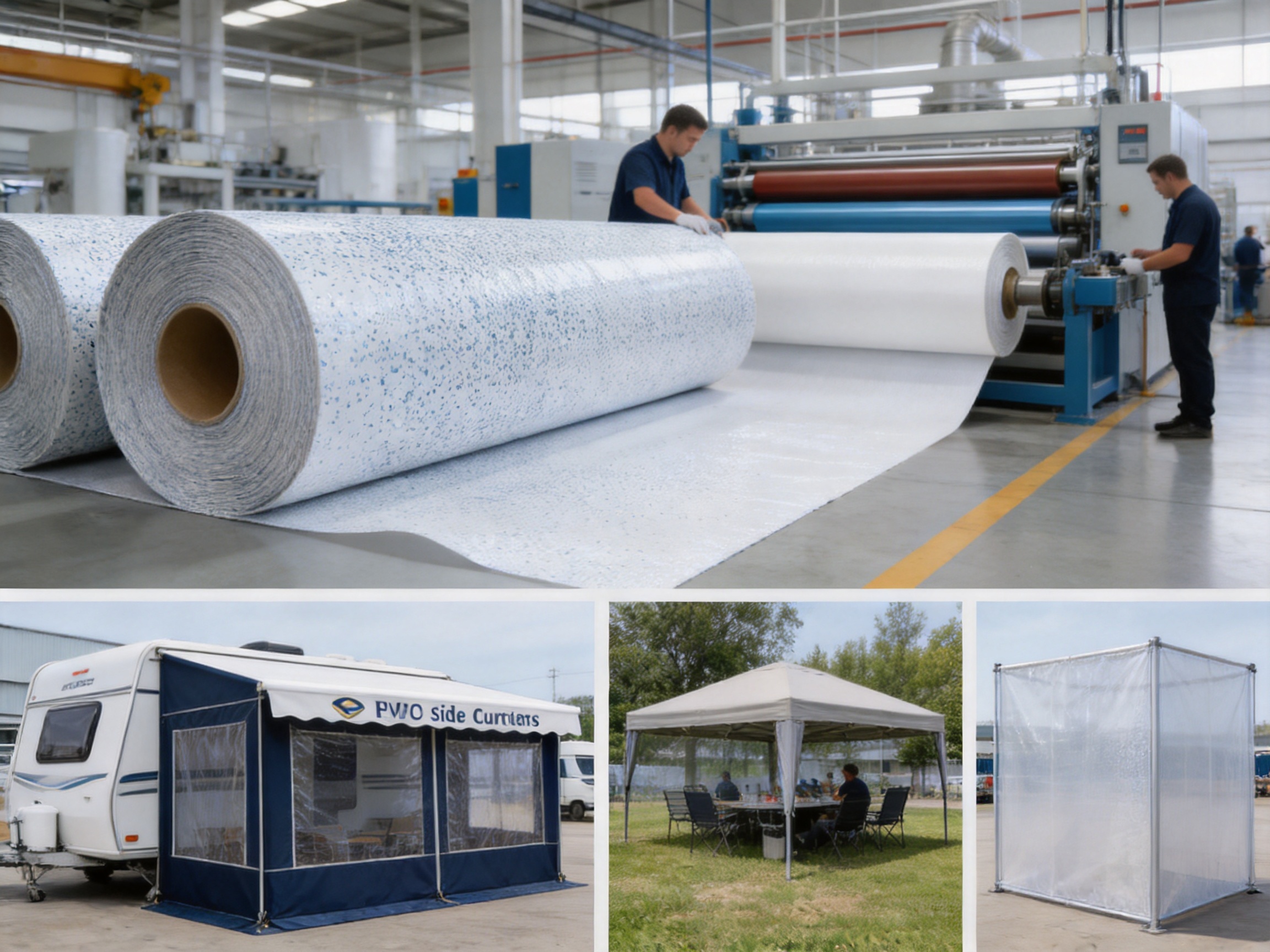
1. Product specification information supplied for Heavy-Duty Printable UV Block Tarpaulin for RV Awning, including construction, weight, tensile strength, tearing strength, and adhesion data.
2. Manufacturer profile and company information supplied for Haining Taiwei New Material Co., Ltd., including manufacturing scope, equipment, production capacity, export activity, and product properties.
3. General principles of coated textile construction, PVC calendering, fabric adhesion, outdoor weather resistance, and digital-printing substrate compatibility.
4. General awning fabrication and maintenance practices for retractable outdoor shade systems, including seam design, drainage, safe operation, storage, and inspection.
Heavy Duty Printable UV Block Tarpaulin For RV Awning
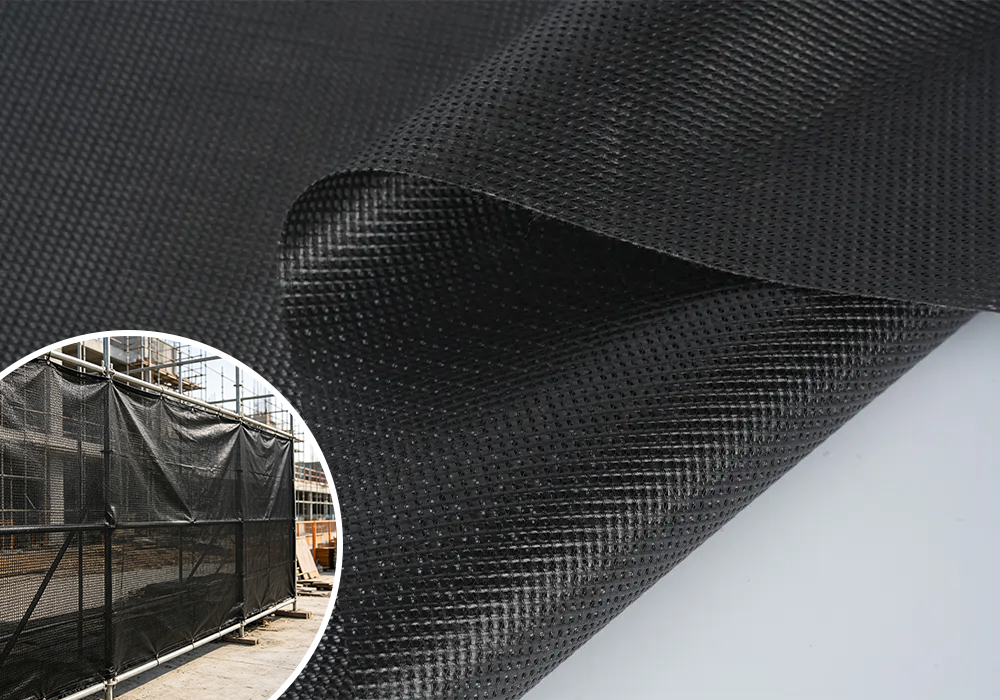 All Weather Heavy Duty Mesh Tarpaulin for Barrier Fencing
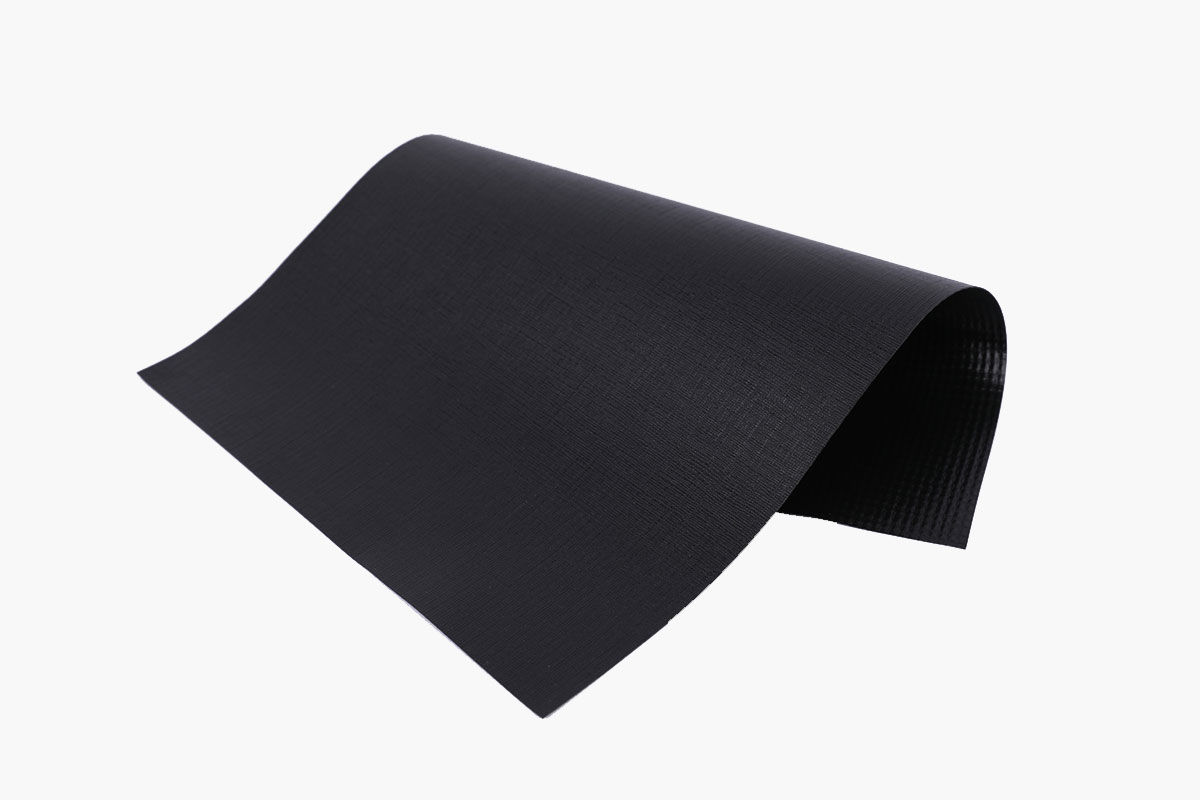 Heavy-Duty High-Performance Camouflage-Printed Tarpaulin
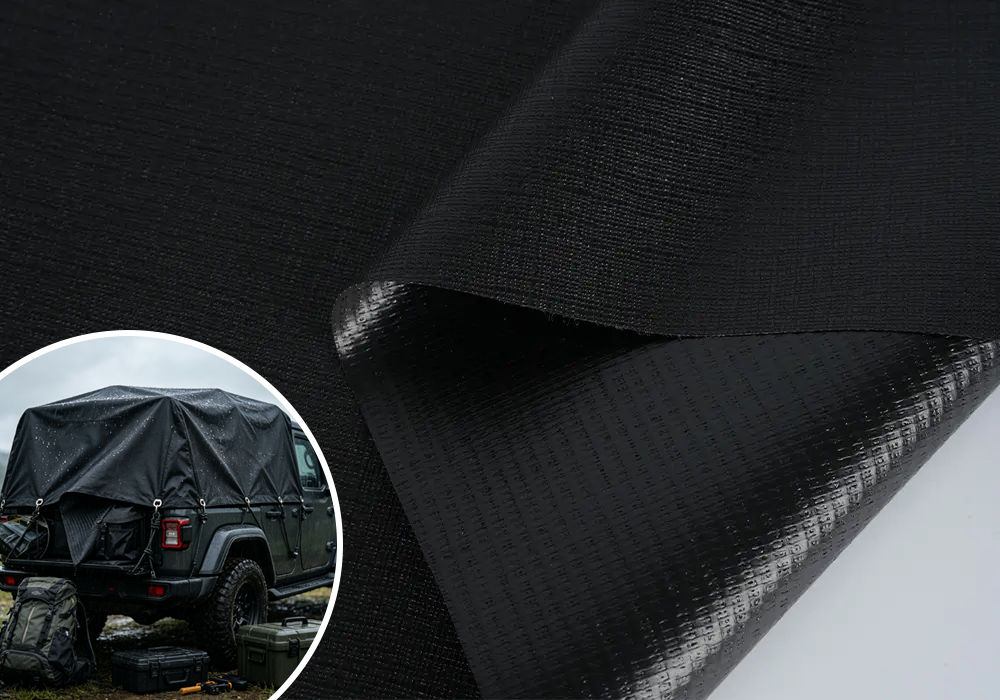 Weatherproof Printable Waterproof Tarpaulin For Camper RV
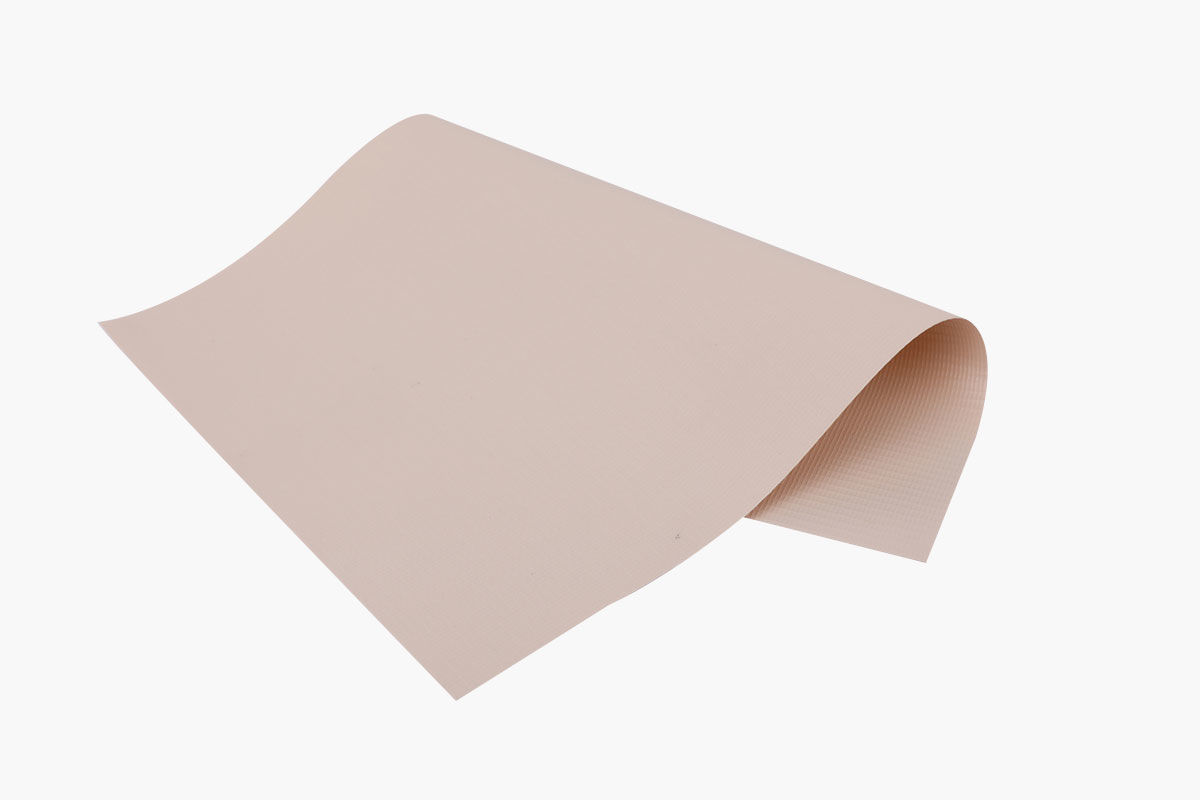 Heavy-Duty Reinforced Waterproof Tarpaulin
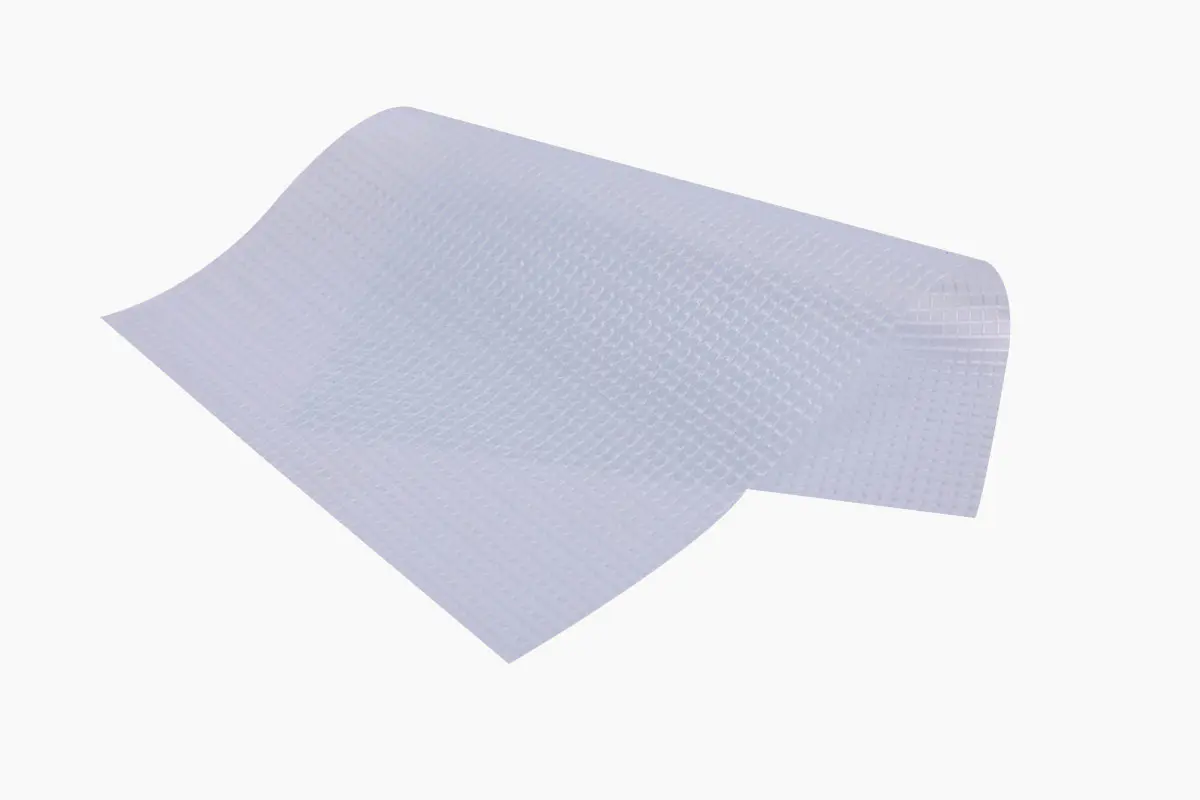 Heavy-Duty Waterproof Clear Tarpaulin
 Custom Digital Printing Fabric Manufacturers

 Previous