

 English
 中文简体
 Español
News
Home / Author / Dai Shuying — Technical Customer Support Manager / Fluorescent Reflective Tarpaulin for Car Emergency Warning Triangles: Visibility, Processing Efficiency, and Reliable Roadside Safety


Content
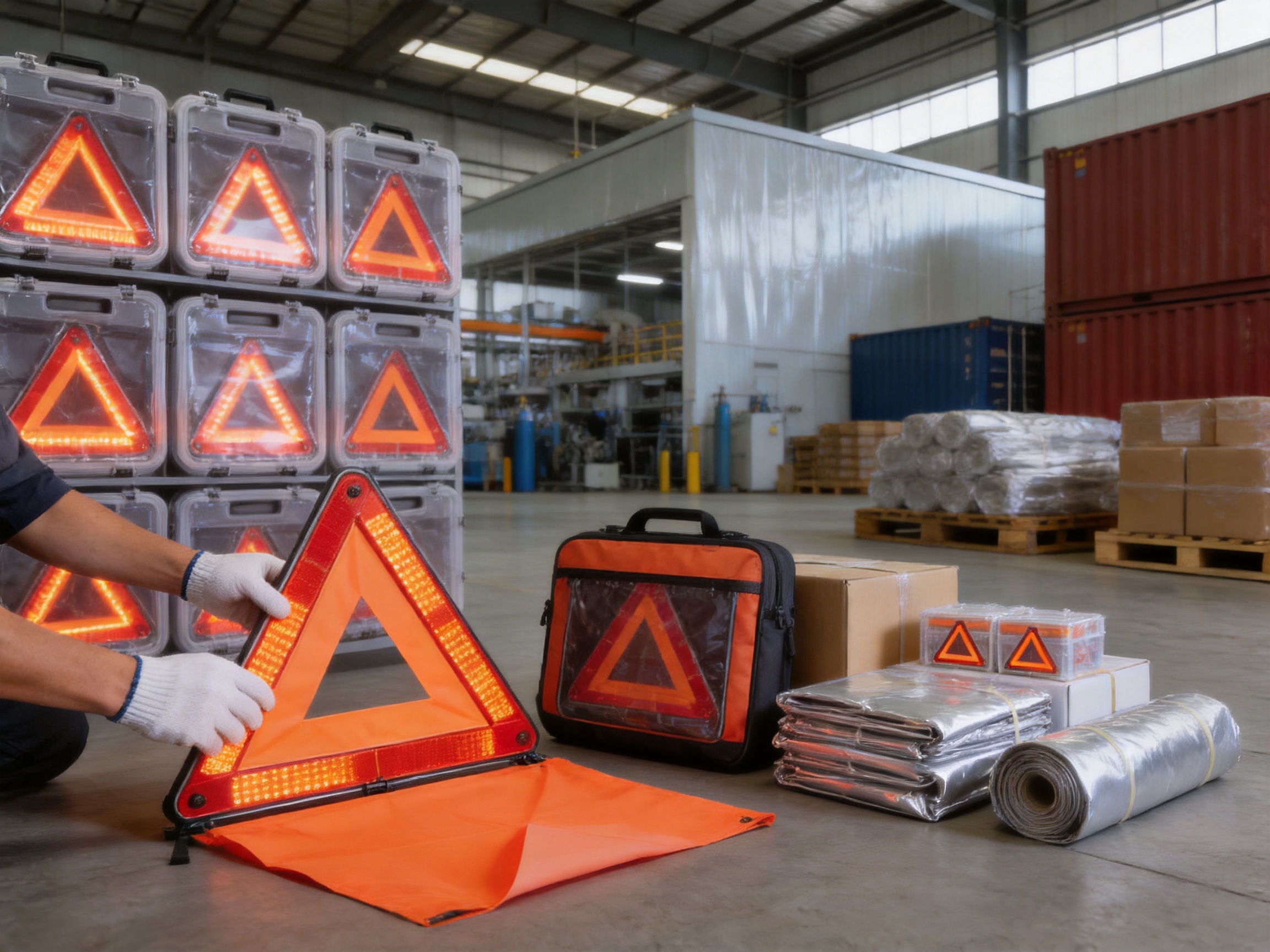
Emergency warning triangles are compact but essential roadside safety products. When a passenger car, commercial vehicle, trailer, or service vehicle stops unexpectedly, the warning triangle must attract attention quickly and remain visible under difficult conditions. Daylight, darkness, fog, rain, snow, glare, and approaching headlights can all affect how rapidly a driver recognizes a roadside hazard. For manufacturers of automotive safety kits, the choice of covering material therefore has a direct influence on the finished triangle’s visibility, durability, foldability, production efficiency, and storage convenience.
Fluorescent reflective tarpaulin for car emergency warning triangles is designed to address these requirements in one lightweight construction. It combines a high-bright fluorescent base with a reflective surface to create a material that is conspicuous during the day and highly visible when illuminated by vehicle headlights at night. Its thin, soft, and foldable structure allows finished warning triangles to be stored in compact cases, while its basic waterproof and weather-resistant properties help preserve the material during outdoor roadside use.
The product is based on a 150*200D woven construction with an indicated weight of approximately 280gsm. This optimized profile supports a practical balance between structural stability and foldability. It is sufficiently stable for warning-sign fabrication while remaining easier to handle, cut, seal, and pack than heavier tarpaulin materials. For factories supplying automotive accessories, road safety kits, fleet equipment, and emergency products, this balance can contribute to improved manufacturing yield and more efficient logistics.
This article examines the material’s performance concept, manufacturing advantages, processing suitability, quality considerations, applications, and purchasing value. It also explains how the production capabilities of Haining Taiwei New Material Co., Ltd. support the development of PVC films, digital printing fabrics, tarpaulin films, frontlit and backlit materials, mesh, and other coated textile products for international markets.

Fluorescent Reflective Tarpaulin For Car Emergency Warning Triangle
An emergency warning triangle has a simple appearance, but its material must perform several functions at the same time. The finished product needs to be visually noticeable, mechanically stable, easy to fold, resistant to outdoor exposure, and economical enough for large-scale production. A material that performs well in only one area may create problems in other areas. For example, a very heavy fabric may offer good rigidity but take up too much storage space. A very soft film may fold easily but fail to retain the required shape during use. A bright surface without reflective performance may be visible in daylight but difficult to recognize at night.
Fluorescent reflective tarpaulin is developed around the operating conditions of emergency warning equipment. The fluorescent base improves daytime conspicuity by presenting a vivid, high-contrast surface. The reflective coating is intended to return incident light toward its source, making the warning sign more noticeable when illuminated by approaching headlights. These two visual functions complement each other rather than serving as substitutes.
The material must also tolerate short-term exposure to rain, snow, road spray, dust, and changing temperatures. Emergency warning triangles are often kept in vehicle trunks for long periods before being used. As a result, the tarpaulin should remain reasonably stable during storage and should not rapidly lose its color, coating integrity, or processing characteristics. Anti-aging performance helps reduce the risk of premature yellowing, fading, embrittlement, or surface deterioration.
Manufacturers also need to consider the entire production sequence. The material may be unwound, measured, cut, die-cut, printed or marked, folded, sewn, bonded, or high-frequency sealed. Inconsistent coating, excessive fraying, surface cracking, or poor dimensional stability can interrupt production and increase waste. A stable, lightweight woven framework supports more predictable factory operations and can be adapted to both manual production and automated equipment.
The fluorescent base is one of the product’s most important visual characteristics. Fluorescent colors are formulated to appear exceptionally bright under normal daylight, especially when placed against darker road surfaces, vegetation, asphalt, or roadside backgrounds. This contrast helps a warning triangle attract attention before a driver reaches the hazard area.
In roadside conditions, visibility is influenced by distance, viewing angle, weather, background color, and the speed of approaching vehicles. A vivid fluorescent surface can improve recognition during daylight and overcast conditions. It is particularly useful where a standard red or orange surface might blend into the surrounding environment or lose contrast because of dust, haze, or low illumination.
The fluorescent layer is not intended to replace correct triangle geometry, reflective borders, warning colors, or approved structural components. Instead, it forms part of an integrated safety design. Automotive accessory manufacturers can combine the tarpaulin with suitable frames, edge bands, reflective strips, weighted supports, and carrying cases to create a complete warning device.
At night, approaching headlights provide the primary source of illumination. A reflective coating helps direct a portion of that light back toward the driver, increasing the likelihood that the warning triangle will be noticed at a useful distance. This characteristic is especially important on unlit roads, rural highways, bridges, tunnels, and roadside shoulders where ambient lighting is limited.
Reflective performance depends on the quality and uniformity of the reflective layer, the angle of observation, the angle of illumination, surface cleanliness, and the construction of the finished sign. The tarpaulin provides a suitable reflective material platform for warning triangle manufacturers, but the complete warning device should always be evaluated according to the requirements of its intended market and application.
The combination of fluorescent and reflective properties gives the product a wider operating range than a material designed for daytime appearance alone. During daylight, the bright base supports visual recognition. Under vehicle headlights, the reflective surface contributes to nighttime visibility. In fog or light precipitation, strong color contrast and reflective response can provide additional visual assistance, although no material can eliminate the effects of severe weather or restricted sight distance.
Fog, rain, and snow reduce contrast and can scatter light between the warning device and the driver. The high-bright fluorescent surface is intended to preserve a strong visual presence in these conditions, while the reflective coating helps the sign respond to headlights. The material’s basic waterproof and weatherproof characteristics also help protect the surface from brief exposure to moisture.
Water resistance is important for roadside equipment because a wet surface can affect appearance, handling, and coating durability. A suitable tarpaulin should resist rapid water penetration and should maintain its visual properties after normal exposure. Nevertheless, the exact degree of waterproofing depends on the finished construction, edge treatment, seam design, and any additional coatings or laminations used by the customer.
For demanding applications, buyers should confirm the required weathering duration, temperature range, reflective performance, color tolerance, and applicable regulatory tests before placing a large order. Samples and finished warning triangles should be assessed under realistic conditions rather than relying only on a raw-material description.

The indicated weight of approximately 280gsm is a significant advantage for emergency warning triangle production. A 280gsm material is light enough to support compact folding while providing more body and stability than an extremely thin unsupported film. This makes it suitable for products that must be stored inside a vehicle without occupying unnecessary space.
Automotive emergency kits are commonly placed in trunks, side compartments, under-seat storage areas, or tool compartments. Space is limited, and buyers generally expect the warning triangle to be supplied in a small protective case. If the fabric is too thick or rigid, the finished sign may be difficult to fold and may require a larger package. The optimized lightweight profile helps manufacturers design cases that are easier to store and ship.
Foldability also affects user convenience. A driver who needs to deploy a warning triangle beside a disabled vehicle should be able to remove it from its case, open it quickly, and return it to storage after use. A soft, flexible tarpaulin construction can help reduce resistance during folding and unfolding, especially when combined with an appropriate frame system.
At the same time, the fabric must not become so soft that the warning surface loses its intended position in wind or ordinary handling. The woven framework contributes dimensional stability and handling strength. The finished warning triangle may still require a frame, support legs, weighted elements, or other structural components, but the material itself provides a practical balance between flexibility and usable form.
Lower material weight can support more efficient logistics. When large quantities of tarpaulin are shipped to automotive accessory factories, every reduction in roll weight, package volume, and finished product size can influence transportation and warehousing costs. The 280gsm construction is suitable for customers seeking a material that can be supplied in rolls and converted into compact safety products.
For finished warning triangles, compact folding can reduce carton volume and improve container utilization. This is valuable for wholesale distributors, automotive parts suppliers, roadside safety brands, vehicle manufacturers, and government or fleet procurement programs. A small storage case can also improve product presentation by allowing the triangle to be included in standard emergency kits without increasing package dimensions significantly.
Lightweight materials are generally easier for production operators to move, align, and feed through equipment. They can reduce fatigue during repeated manual cutting and assembly operations. When automated equipment is used, consistent roll handling and predictable tension are important for accurate positioning.
The material’s thin profile can also support faster folding, easier stacking, and simpler intermediate storage between cutting and final assembly. These benefits may appear minor in an individual unit, but they can become meaningful in high-volume production where thousands or millions of warning triangles are processed annually.
Emergency warning triangle manufacturers may use different production methods depending on order volume, equipment investment, product design, and labor structure. Small and medium-sized factories may rely on manual cutting or semi-automatic equipment, while high-volume plants may use computer-controlled cutting tables, rotary cutters, or die-cutting systems.
The stable woven framework of this tarpaulin is designed to support clean and repeatable cutting. It can be processed using manual knives, templates, automated cutting systems, and standard die-cutting methods, subject to the customer’s equipment and product design. A material that maintains its dimensions during cutting helps reduce variation between finished pieces.
Clean cutting is important because frayed edges can weaken the finished panel, affect appearance, and complicate sealing or sewing. Excessive surface cracking can also expose the coating or create pathways for moisture. The product is intended to resist common processing problems such as edge fraying and surface damage when handled under suitable production conditions.
Before mass production, factories should conduct a process trial using their actual cutting tools, blade settings, feed speed, and production temperature. Different machines produce different results, and testing allows the operator to select the most efficient settings while confirming the desired edge quality.
High-frequency sealing is widely used in PVC-coated materials and can create strong, neat, and repeatable joints. The tarpaulin is designed to be adaptable to standard high-frequency sealing lines used by automotive accessory and promotional product factories. This can help manufacturers integrate the material into existing production systems without making major equipment changes.
Sealing performance depends on several variables, including frequency, power, pressure, dwell time, electrode design, overlap width, material temperature, and surface condition. The correct settings should be established through trials. Operators should examine the finished seam for uniform bonding, peeling resistance, visual defects, and dimensional consistency.
High-frequency sealing can be especially useful for attaching reflective panels, joining folded edges, forming pockets, or integrating the warning surface with a case or frame. In some product designs, sewing, adhesive bonding, heat sealing, or a combination of techniques may be used. The selected method should reflect the expected outdoor exposure and mechanical demands of the finished triangle.
Material consistency has a direct relationship with production yield. If the coating thickness, color, width, or surface finish varies significantly across a roll, operators may need to slow down, make adjustments, or reject sections of material. A stable product helps production planners maintain more consistent settings and reduce avoidable waste.
The tarpaulin’s lightweight woven structure is intended to process smoothly while resisting cracking and excessive fraying. This can be valuable for factories that need to cut large numbers of warning triangle panels with repeatable dimensions. Improved yield may lower the effective material cost per finished unit, even when the initial purchase price is only one part of the total manufacturing calculation.
Manufacturers should still define inspection standards for roll length, width, weight, color, coating appearance, reflective uniformity, tensile behavior, tear behavior, adhesion, and packaging condition. The available product information identifies the construction as 150*200D and approximately 280gsm, while certain mechanical specification fields may require confirmation through batch testing or customer-specific technical documentation.
Emergency warning triangles are often stored for months or years before use. During this time, they may experience temperature changes, humidity, compression, and occasional exposure to sunlight if the vehicle is parked outdoors. A material that loses flexibility, color, or coating adhesion during storage may not perform as expected when eventually deployed.
The product offers basic waterproof and weatherproof properties intended to help maintain the reflective surface during exposure to rain and snow. Its anti-aging characteristics are intended to reduce yellowing and fading. These features support a longer useful life for the finished warning sign and can help preserve its appearance during storage and intermittent outdoor use.
Storage conditions remain important. Finished triangles should be kept away from sharp objects, oils, solvents, excessive heat, and prolonged direct sunlight where possible. Rolls of unprocessed tarpaulin should be protected from moisture, contamination, crushing, and improper stacking. Appropriate packaging and warehouse rotation can help maintain product quality before conversion.
Bright fluorescent colors are visually effective but can be sensitive to prolonged ultraviolet exposure if not properly formulated and protected. Anti-aging performance helps slow the processes that contribute to fading, yellowing, and surface deterioration. For products intended for long-term outdoor placement, buyers should request specific accelerated weathering or ultraviolet test data relevant to the target market.
Color consistency is also important for large production runs. A warning triangle program may involve multiple batches manufactured over an extended period. Consistent color helps preserve brand presentation, simplifies quality inspection, and reduces the possibility of visible differences between units supplied in the same vehicle kit.
Waterproof and weather-resistant properties can help keep the surface more stable during normal roadside exposure. A sound reflective layer is less likely to peel, blister, or become visually uneven when the product encounters rain or snow. Proper edge sealing and finished-product design are equally important because moisture can enter through unsealed edges, seams, punctures, or improperly bonded components.
Customers should evaluate the entire assembled warning triangle rather than the fabric alone. A well-performing fabric cannot compensate for poor seam construction, damaged reflective strips, inadequate packaging, or an unstable frame. The best result comes from matching the tarpaulin with suitable components and a controlled assembly process.
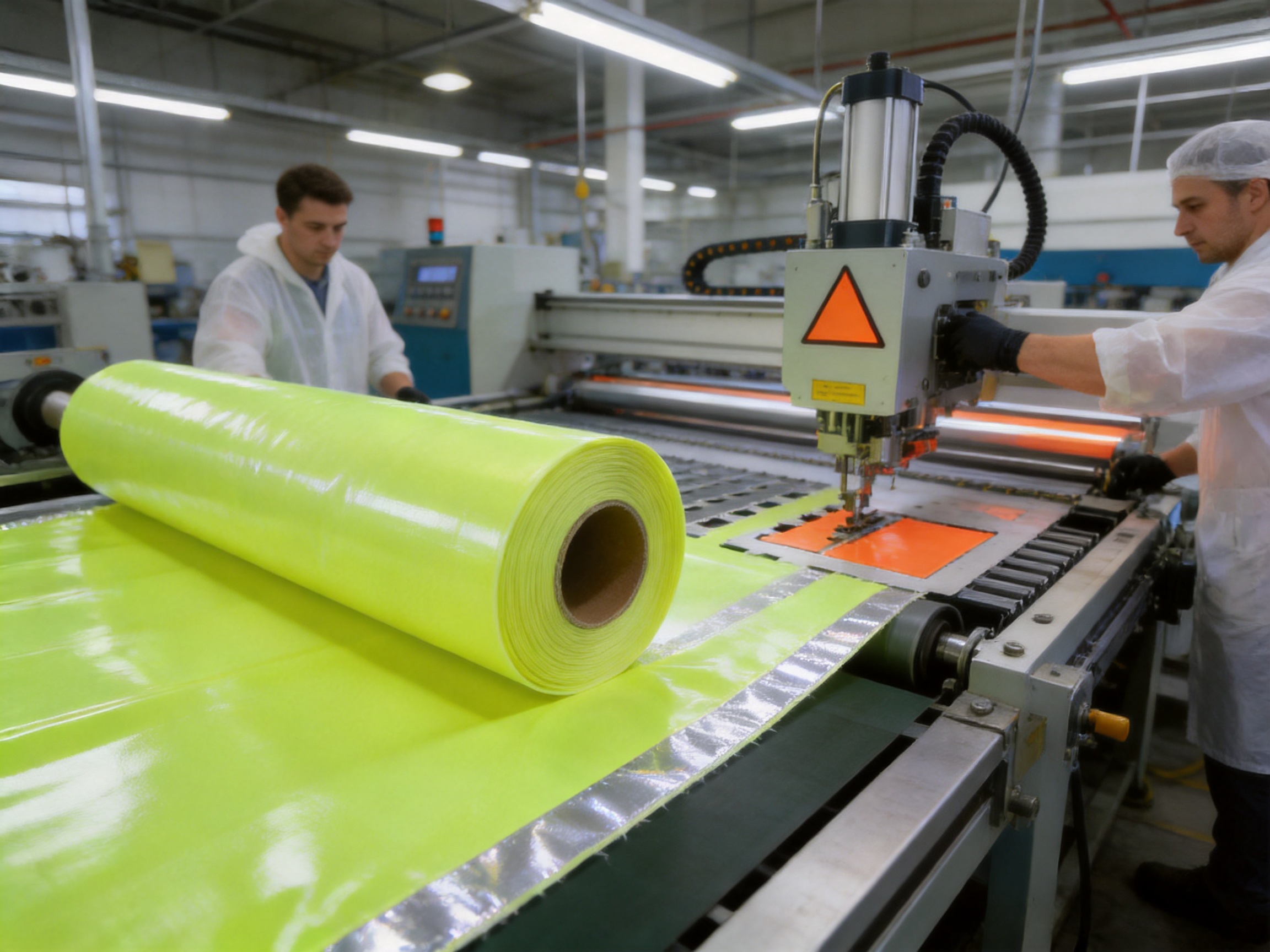
Roadside safety products are subject to different requirements depending on the destination country, vehicle category, sales channel, and product classification. Emergency warning triangles supplied with passenger cars may be assessed differently from warning devices used by commercial fleets, professional road services, construction companies, or industrial vehicles.
The material is positioned as suitable for warning signs used with passenger and commercial vehicles and is manufactured with attention to road safety material requirements. However, compliance is ultimately determined by the complete finished product, the applicable legal framework, and the test results accepted by the relevant authority or customer. Buyers should identify the required standard before production begins.
Typical evaluation areas may include daytime color, fluorescent performance, retroreflective performance, dimensions, visibility distance, stability, durability, water resistance, temperature resistance, folding behavior, and labeling. In some markets, the complete warning triangle may need to pass tests related to structural support, wind stability, storage case design, or repeated deployment.
Manufacturers should maintain clear technical files and batch records. These may include raw-material specifications, inspection reports, production dates, roll numbers, process parameters, sample approvals, and final product test results. Traceability helps customers investigate quality issues and supports supplier audits.
Because regulations vary, a responsible purchasing process should include sample approval. The customer can provide a drawing, target dimensions, color reference, reflective requirement, seam design, and intended application. The supplier can then prepare material samples or trial rolls for cutting, sealing, folding, and visibility evaluation.
Where tensile strength, tearing strength, adhesion, or other mechanical values are required, the parties should agree on the test method, sample direction, conditioning procedure, and acceptance criteria. The product information identifies these categories but does not assign numerical values in the supplied specification table. For this reason, final technical requirements should be confirmed with the manufacturer before order placement.
The principal construction is listed as tarpaulin 150*200D with an approximate weight of 280gsm. The 150*200D designation describes the yarn or fabric construction used as the woven framework, while the final weight reflects the complete material structure, including coating layers. These details help buyers compare products and select a suitable material for their converting equipment.
| Item | Product Information | Practical Significance |
| Product type | Fluorescent reflective tarpaulin | Supports bright daytime visibility and nighttime headlight response |
| Primary application | Car emergency warning triangles | Suitable for passenger-car and commercial-vehicle safety kits |
| Base construction | 150*200D woven tarpaulin | Provides a stable framework for cutting, folding, and assembly |
| Indicated weight | Approximately 280gsm | Balances lightweight storage with usable material body |
| Surface characteristics | Fluorescent base with reflective coating | Improves conspicuity under daylight and vehicle headlights |
| Weather-related properties | Basic waterproof, weatherproof, and anti-aging performance | Helps preserve surface integrity during ordinary outdoor exposure |
| Processing suitability | Manual cutting, automated die-cutting, and high-frequency sealing | Supports different factory production methods |
| Mechanical data | Tensile strength, tearing strength, and adhesion available for confirmation | Final values should be verified through technical documentation or testing |
Quality control begins with incoming raw materials and continues through coating, finishing, inspection, roll formation, packaging, and shipment. Important inspection points may include fabric weight, width, surface appearance, color consistency, reflective coating uniformity, adhesion, flexibility, and visible defects.
Roll inspection should identify wrinkles, pinholes, contamination, coating streaks, uneven fluorescence, reflective discontinuity, and edge damage. Depending on the application, samples may also be tested for water resistance, folding endurance, low-temperature flexibility, aging, and seam compatibility.
Quality control should be aligned with the customer’s specification rather than based solely on general product descriptions. Automotive suppliers may require tighter tolerances, more detailed documentation, and regular audit support. A manufacturer with experience in exported PVC and coated textile products can help establish a repeatable inspection program for international customers.
Haining Taiwei New Material Co., Ltd. was established in July 2010 and operates in Haining Dingqiao Industrial Park in Zhejiang Province, China. The location provides access to major transportation routes and ports, including Shanghai and Ningbo, which supports export logistics for customers in Europe, America, the Middle East, Southeast Asia, and other regions.
The company specializes in PVC films, digital printing fabrics, tarpaulin films, frontlit and backlit materials, double-sided printing fabrics, mesh, and other light box cloth products. This product range demonstrates experience with coated materials, flexible substrates, surface treatments, and roll-to-roll manufacturing requirements that are relevant to fluorescent reflective tarpaulin production.
Advanced calendering equipment supports the controlled production of PVC-based films and coated textile materials. Calendering requires accurate control of temperature, pressure, material flow, and coating thickness. Consistent process control helps improve surface smoothness, dimensional stability, and the repeatability of finished rolls.
The factory operates multiple production lines and professional bonding facilities. Multiple lines can support production planning, capacity allocation, and product separation, while bonding equipment can be used for applications requiring lamination or composite construction. These capabilities are useful when customers need different widths, colors, coating structures, packaging methods, or product variations.
The company reports an annual output of approximately 45 million square meters, providing a substantial production base for wholesale and repeat-order customers. More than 98% of its products are exported, indicating familiarity with international packaging, shipping, documentation, and customer communication requirements.
A supplier producing several categories of PVC and coated textile products can offer broader material knowledge than a factory focused on only one narrow application. Experience with digital printing fabric, mesh, frontlit material, backlit material, and tarpaulin can support the selection of suitable coating systems, woven bases, surface finishes, and converting methods.
This integrated knowledge is useful when customers are developing a new warning triangle or modifying an existing design. The supplier can discuss material thickness, weight, flexibility, reflective surfaces, bonding methods, and roll packaging within a wider manufacturing context. It may also be possible to coordinate related materials for emergency kits, vehicle covers, roadside banners, temporary signs, or promotional safety equipment.
International customers may require customized width, roll length, color, surface finish, packaging, core diameter, labeling, or inspection documentation. A factory with extensive export experience is better positioned to coordinate these details and reduce misunderstandings during order execution.
Customization should be defined in writing before production. The technical agreement may include a sample reference, approved color, target weight, width tolerance, roll length, packaging method, printing or marking requirements, minimum order quantity, and inspection procedure. Clear specifications help protect both the supplier and the customer while improving batch-to-batch consistency.
Compared with heavy tarpaulin, a 280gsm fluorescent reflective material can provide easier folding, lower storage volume, and simpler handling. Heavier materials may offer additional mechanical strength, but that strength may not be necessary for a compact emergency warning triangle and can make the finished product less convenient for vehicle storage.
Compared with ordinary non-reflective fabric, the product offers a more complete visibility solution. Ordinary fabric may provide color but may not deliver the same response under headlights. A fluorescent reflective construction combines two complementary visual functions, which can reduce the need to add separate visual layers depending on the product design.
Compared with a highly rigid sheet, flexible tarpaulin can be easier to roll, fold, cut, and seal. It can adapt to compact storage cases and may reduce the risk of cracking when repeatedly folded, provided that the material is used within its intended temperature and handling range.
Compared with an uncoated woven textile, the coated construction can provide improved surface protection, moisture resistance, and compatibility with heat-sealing processes. The coating also creates a consistent platform for the fluorescent and reflective functions required by the warning triangle design.
The most important competitive advantage is balance. The material is not selected solely for maximum strength, maximum thickness, or maximum brightness. It is engineered to combine visibility, flexibility, manageable weight, processing efficiency, weather resistance, and compatibility with automotive safety-product manufacturing.
The primary application is the reflective surface of car emergency warning triangles. However, the same material characteristics may be useful in related products that require high daytime conspicuity and improved nighttime recognition.
Potential applications include reflective roadside markers, vehicle emergency kits, temporary hazard panels, compact traffic-warning devices, fleet safety equipment, service-vehicle accessories, construction-site warning components, and portable visibility signs. The suitability of the material for each application should be confirmed through design and performance testing.
For commercial fleets, compact warning equipment can be stored in trucks, vans, buses, trailers, and service vehicles. Fleet operators may value materials that are easy to deploy, simple to replace, and resistant to storage deterioration. Wholesale suppliers can also use the material in private-label safety kits supplied to vehicle dealers, rental companies, logistics providers, and industrial customers.
The fluorescent reflective tarpaulin may also be considered for custom safety products that require cutting and sealing into unusual shapes. Its flexible construction supports prototyping and short-run development, while the factory’s production capacity can support larger orders once the design has been approved.
Buyers should begin by defining the intended market and the applicable safety requirements. The same warning triangle design may not be accepted in every country. Confirming the target regulation early can prevent expensive changes after tooling, printing, cutting, or assembly has begun.
Next, provide the supplier with a complete product brief. This should include the finished triangle dimensions, frame structure, fold pattern, storage-case dimensions, reflective area, fluorescent color, edge treatment, joining method, expected service life, temperature range, and packaging requirements.
Request a sample roll or finished sample for evaluation. The trial should include cutting, folding, sealing, assembly, storage, and deployment. If the customer uses automated equipment, testing should be performed on the actual production line. Manual samples alone may not reveal feeding, alignment, or sealing issues that occur during high-speed manufacturing.
Ask for documentation covering the material construction, weight, width, available roll lengths, inspection methods, packaging, and applicable test data. Mechanical values such as tensile strength, tearing strength, and adhesion should be confirmed rather than assumed, especially because requirements can differ according to test method and product design.
Finally, establish a quality agreement for repeat orders. It should define acceptable color variation, weight tolerance, roll-length tolerance, surface defects, packaging condition, sample frequency, and procedures for handling nonconforming material. A clear agreement creates a more reliable basis for long-term cooperation.
Material efficiency is an important operational consideration. A lightweight 280gsm construction can reduce the amount of material used per finished unit compared with heavier alternatives, while compact folding can reduce packaging volume. Lower shipping volume can contribute to more efficient distribution, although the overall environmental impact also depends on the PVC formulation, production energy, product lifespan, recycling practices, and disposal method.
Manufacturers should minimize cutting waste through accurate nesting and optimized pattern design. Automated cutting systems can improve material utilization when production volumes justify the investment. Offcuts should be collected and managed according to local regulations and the capabilities of the manufacturing facility.
Longer product life can also reduce replacement frequency. Anti-aging and weather-resistant characteristics help preserve the warning triangle during storage and ordinary use. Proper warehouse practices, careful folding, and protection from aggressive chemicals can further extend the useful life of the finished item.
Customers seeking specific environmental attributes should discuss them directly with the supplier. Requirements may include restricted substances, packaging reduction, recycled content, product declarations, or destination-market documentation. These matters should be confirmed as part of the technical and commercial agreement.
Confirm the warning triangle’s dimensions, visibility areas, frame design, folding method, and storage case. Determine whether the tarpaulin will be used as a main panel, border, insert, or laminated component.
Review the fluorescent color, reflective response, flexibility, weight, thickness, width, surface appearance, and roll condition. Retain an approved reference sample for future comparison.
Run the material through the intended cutting, die-cutting, folding, sewing, bonding, and high-frequency sealing processes. Record machine settings and inspect the finished components for edge quality, seam strength, surface cracking, and dimensional stability.
Evaluate the complete warning triangle under daylight, darkness, vehicle headlights, fog simulation where practical, rain exposure, folding cycles, storage compression, and temperature conditions relevant to the market.
Use approved material references, defined inspection points, roll traceability, and documented process settings. Inspect finished goods before packing and retain samples from each production batch when required.
Protect the material and finished triangles from moisture, contamination, compression, and sharp objects during storage and transportation. Confirm carton markings, roll labels, packing lists, and export documents before dispatch.
It is primarily used to manufacture the visible warning panels or related components of car emergency warning triangles. It may also be suitable for other compact roadside safety products requiring bright daytime color and reflective nighttime visibility.
The fluorescent base supports daytime conspicuity, while the reflective coating responds to vehicle headlights at night. Combining both characteristics helps the warning device remain noticeable across a broader range of lighting and weather conditions.
It is designed for warning signs used in passenger and commercial vehicle safety kits. The finished product must still be designed and tested according to the regulations and customer requirements of the target market.
GSM means grams per square meter. An indicated weight of approximately 280gsm describes a relatively lightweight tarpaulin structure that can provide useful body and stability while remaining easier to fold, store, and process than heavier materials.
Yes, the material is intended to support automated die-cutting and other standard cutting processes. A production trial should be conducted to establish the correct blade, die, feed, and pressure settings for the customer’s equipment.
It is designed to be adaptable to standard high-frequency sealing lines. Actual seam performance depends on equipment settings, overlap design, electrode shape, pressure, power, and dwell time, so sample testing is recommended before mass production.
The material offers basic waterproof and weatherproof properties, but complete product water resistance also depends on seams, edges, punctures, frame connections, storage-case design, and assembly quality. The finished triangle should be tested as a complete product.
These are identified as relevant specification categories. The supplied product information does not provide numerical values, so buyers should request current technical data, test methods, and acceptance criteria from the manufacturer before ordering.
Store rolls and finished products in a clean, dry area away from direct sunlight, excessive heat, oils, solvents, sharp objects, and heavy compression. Use suitable packaging and avoid prolonged exposure to moisture or damaging chemicals.
Customization may be discussed for factors such as width, roll length, color, coating, packaging, and processing requirements. The customer should provide drawings, target specifications, and an approved sample before production.
The company has specialized in PVC films, digital printing fabrics, tarpaulin films, frontlit and backlit materials, mesh, and related coated products since 2010. Its multiple production lines, calendering equipment, bonding facilities, reported annual capacity, and extensive export experience support international supply programs.
Buyers should identify the applicable destination-market standard, request material and finished-product test data, approve production samples, and evaluate the complete warning triangle under the required conditions. Compliance should not be assumed from the raw-material description alone.
Fluorescent reflective tarpaulin for car emergency warning triangles is a purpose-oriented material that combines visibility, foldability, processing efficiency, and practical weather resistance. Its bright fluorescent base supports recognition in daylight, while its reflective coating helps the warning triangle respond to approaching headlights at night. The approximately 280gsm 150*200D construction offers a useful balance between lightweight storage and the structural stability required for warning-sign fabrication.
For automotive accessory factories, the material provides additional value through compatibility with manual cutting, automated die-cutting, and high-frequency sealing. Its stable woven framework is intended to resist common processing problems such as edge fraying and surface cracking, supporting better yield and lower material waste when production parameters are properly controlled.
The manufacturer’s experience in PVC films, digital printing fabrics, tarpaulin films, mesh, frontlit and backlit materials, and related coated products provides a broad technical foundation for consistent supply. Calendering equipment, multiple production lines, bonding facilities, substantial annual capacity, and export experience further support the needs of wholesale customers and international automotive-safety programs.
To obtain the best result, buyers should treat the material as one part of a complete safety product. Regulatory requirements, finished-product design, frame stability, reflective performance, weather exposure, processing conditions, quality control, and packaging should all be confirmed before mass production. With appropriate sampling and technical coordination, this fluorescent reflective tarpaulin can provide a practical foundation for compact, visible, and efficiently manufactured emergency warning triangles.
1. Product specification information for fluorescent reflective tarpaulin, including 150*200D construction and approximately 280gsm weight.
2. Manufacturer technical information concerning PVC films, digital printing fabrics, tarpaulin films, mesh, frontlit materials, backlit materials, and coated textile production.
3. General principles of retroreflective materials and daytime fluorescent visibility for roadside safety equipment.
4. General quality-control practices for coated woven fabrics, PVC tarpaulins, high-frequency sealing, and roll-to-roll manufacturing.
5. Automotive emergency equipment procurement practices concerning sample approval, traceability, finished-product testing, and destination-market compliance.
6. General guidance for storage, handling, weather exposure, and processing of flexible PVC-coated textile materials.
Fluorescent Reflective Tarpaulin For Car Emergency Warning Triangle
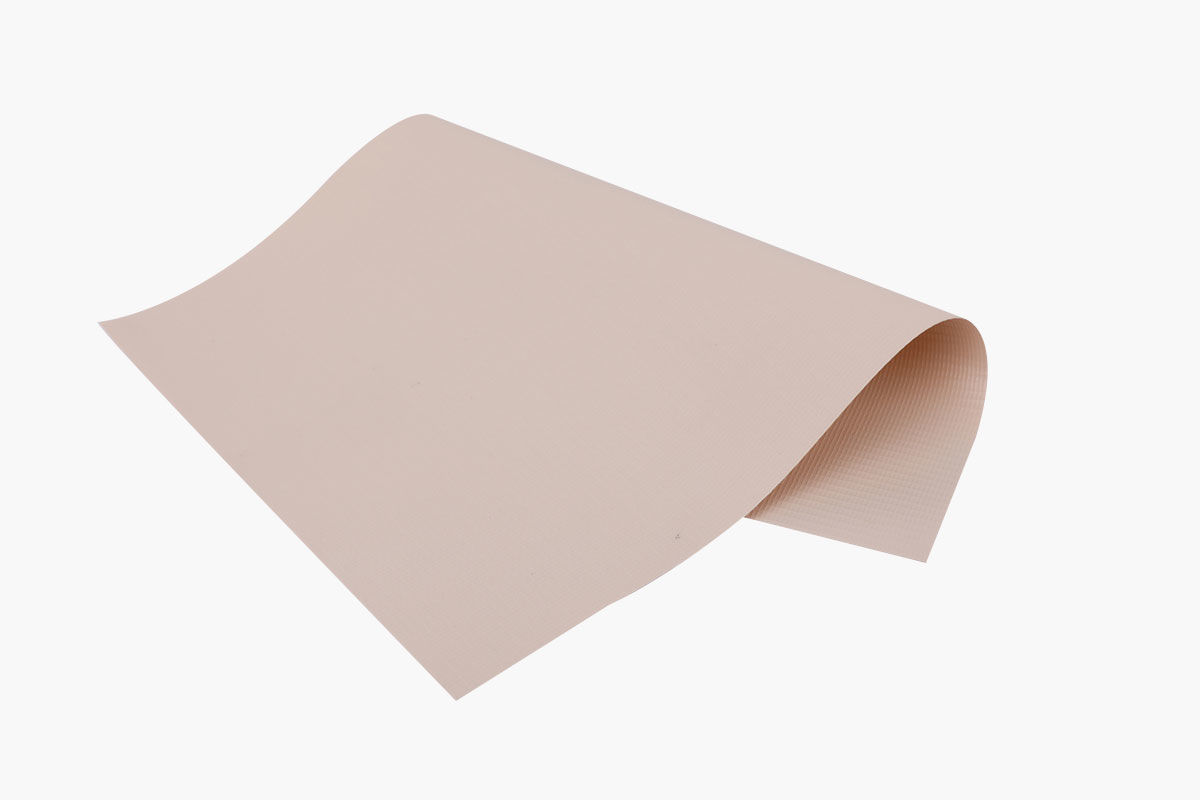 Heavy-Duty Reinforced Waterproof Tarpaulin
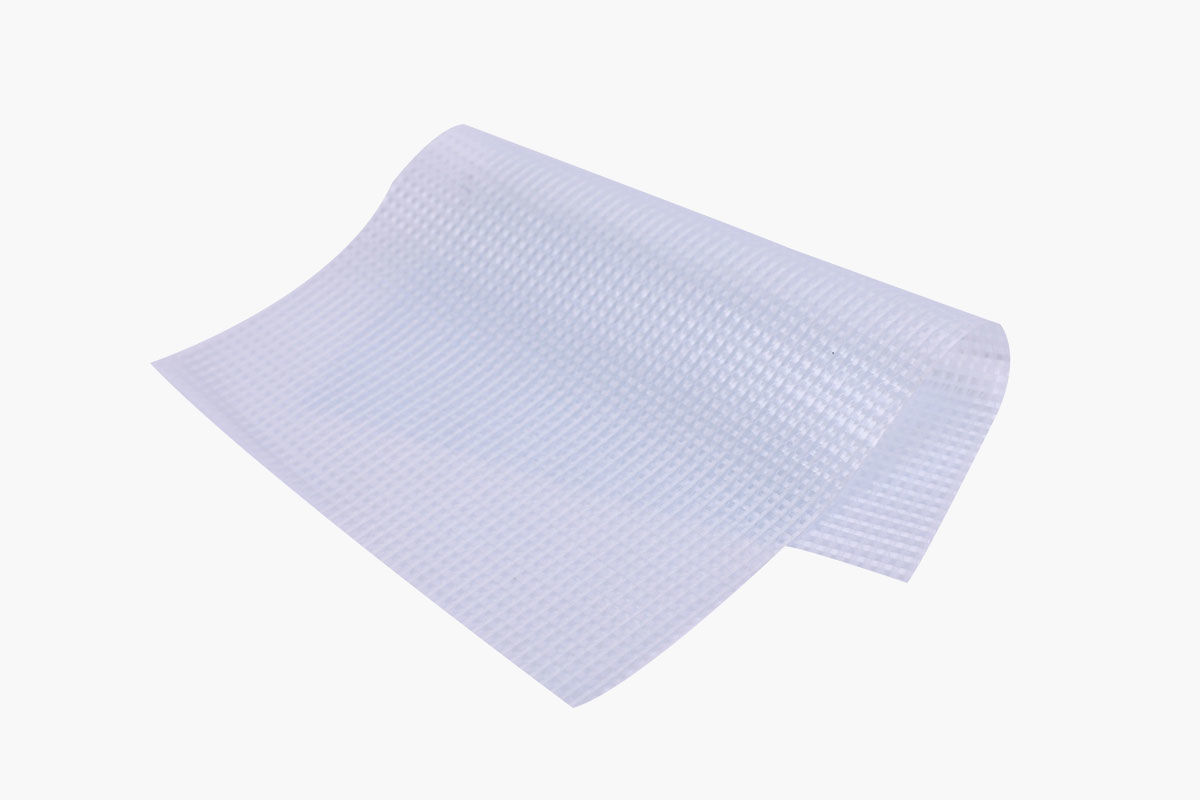 Industrial-Grade Reinforced UV-Resistant Clear Tarpaulin
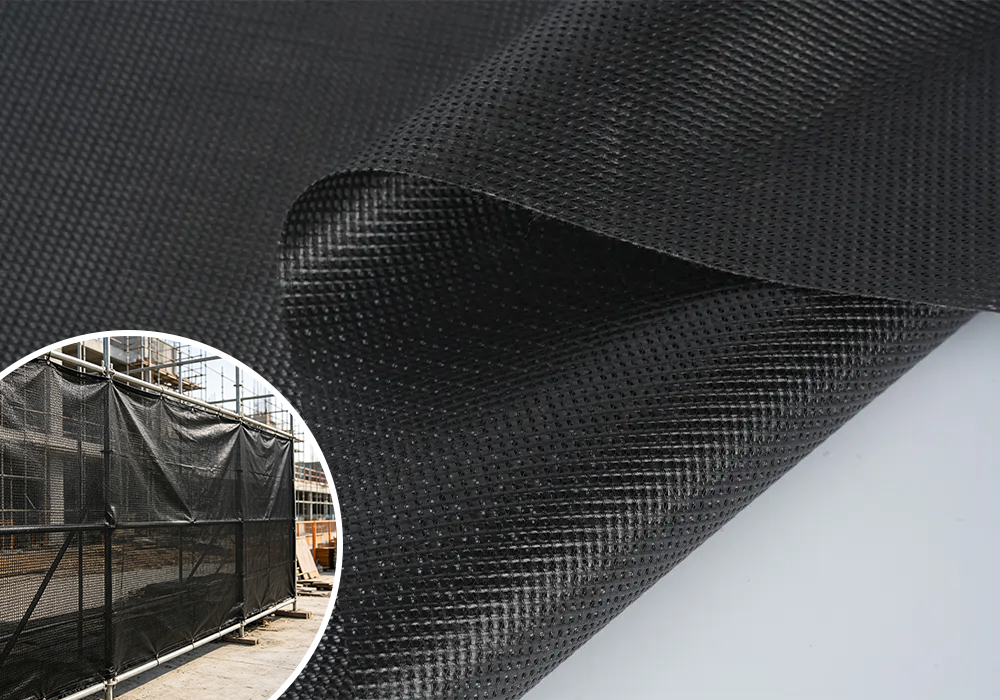 All Weather Heavy Duty Mesh Tarpaulin for Barrier Fencing
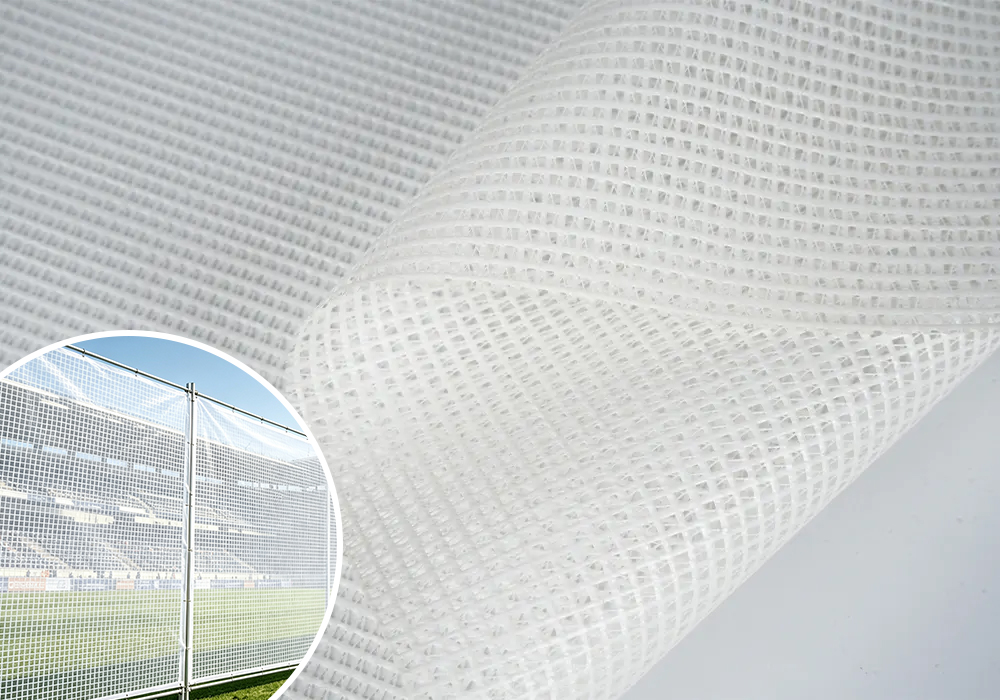 Lightweight Foldable Mesh Tarpaulin for Event Promotion
 Dense Weave Light Block Mesh Tarpaulin for Commercial Display
 Custom Digital Printing Fabric Manufacturers

 Previous