

 English
 中文简体
 Español
News
Home / Author / Dai Shuying — Technical Customer Support Manager / Breathable Wind-Resistant Mesh Tarpaulin for Safer, Sharper Outdoor Advertising


Content
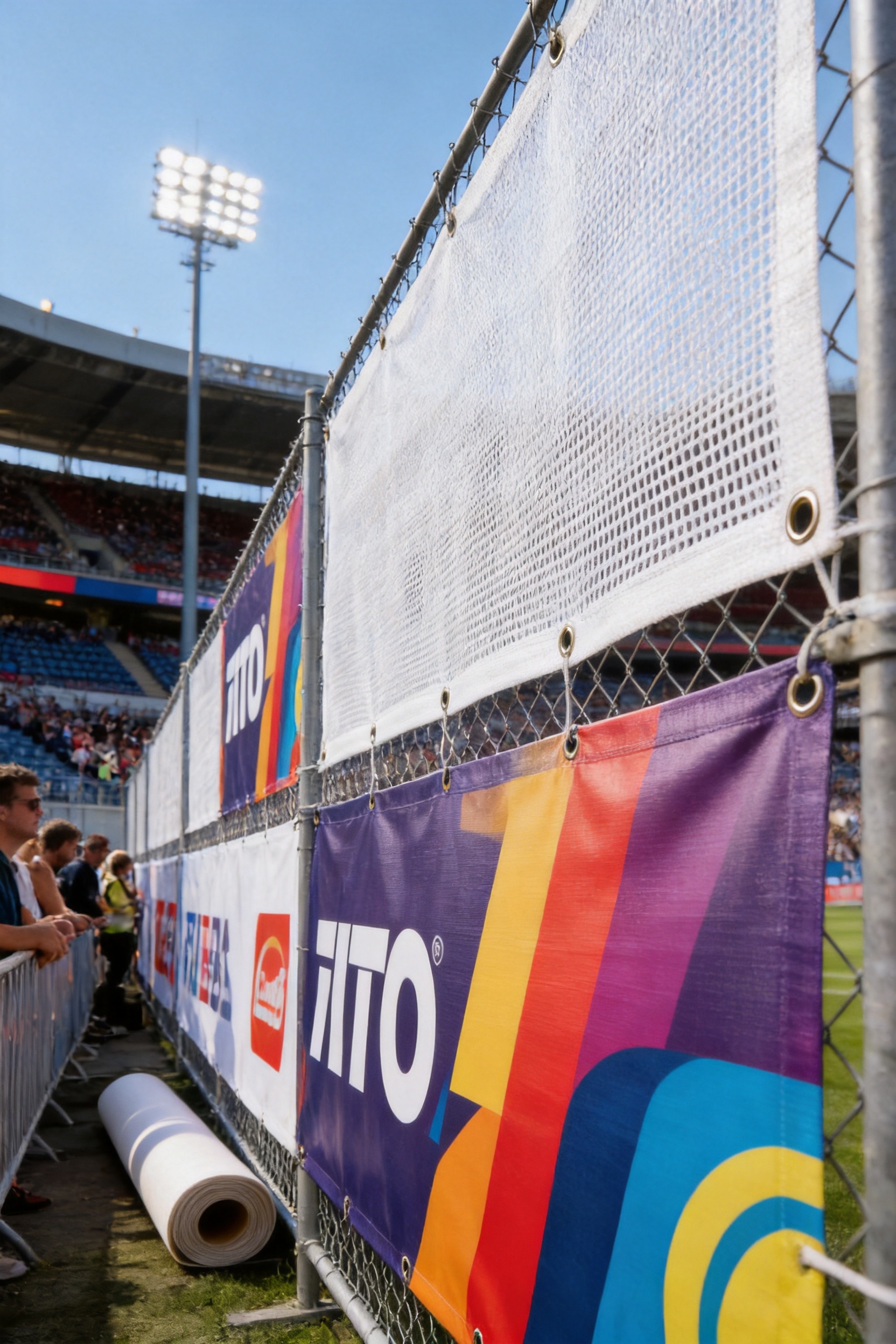
Outdoor advertising must remain visible, attractive, and secure under changing weather conditions. Large banners installed on construction fences, rooftop structures, sports venues, and roadside frameworks are exposed to wind, sunlight, rain, dust, and repeated handling. A conventional solid banner may offer a strong visual block, but it can also behave like a sail when wind passes across its surface. Excessive wind pressure can place stress on the banner, eyelets, ropes, frames, and supporting structures, increasing the risk of tearing, detachment, or costly maintenance.
Breathable wind-resistant mesh tarpaulin provides a practical solution to this challenge. Designed with a micro-hole construction, this advertising material allows part of the wind to pass through the fabric instead of forcing all air against a solid surface. The result is a more balanced combination of print quality, flexibility, transport efficiency, outdoor durability, and installation safety. It is especially suitable for large-format applications where visual impact is important but wind management cannot be ignored.
The mesh tarpaulin discussed in this article uses a 1000D yarn structure with a 6 by 6 mesh configuration and an optimized weight of approximately 200gsm. Its ink-friendly coating is developed for professional HD inkjet printing, helping produce clear text, vivid graphics, and consistent color reproduction. Waterproof and anti-UV treatment further supports long-term use in exposed outdoor environments, while the rollable construction simplifies storage, shipment, cutting, and installation.
Manufactured by Haining Taiwei New Material Co., Ltd., the product reflects the capabilities of a specialized Chinese manufacturer with experience in PVC films, digital printing fabrics, tarpaulin films, frontlit and backlit materials, mesh products, and other light box fabrics. The company combines calendering equipment, multiple production lines, professional bonding facilities, quality control procedures, and export-oriented production experience to serve distributors, printing companies, advertising contractors, and project buyers in international markets.
Outdoor advertising materials are often required to cover substantial areas. A construction barrier may extend along an entire project perimeter. A rooftop billboard may be installed several stories above street level. A sports event fence may need continuous branding around a stadium, racecourse, or temporary venue. As the covered area increases, wind becomes a more serious engineering and installation consideration.
A solid PVC banner blocks the wind across almost its entire surface. When a gust reaches the banner, air pressure accumulates against the material and transfers force to the edges and fixing points. If the banner is large, poorly tensioned, or installed in a high-altitude location, this force can contribute to stretching, seam failure, eyelet damage, or detachment. Even when the banner remains attached, constant movement may create noise, creasing, and premature wear.
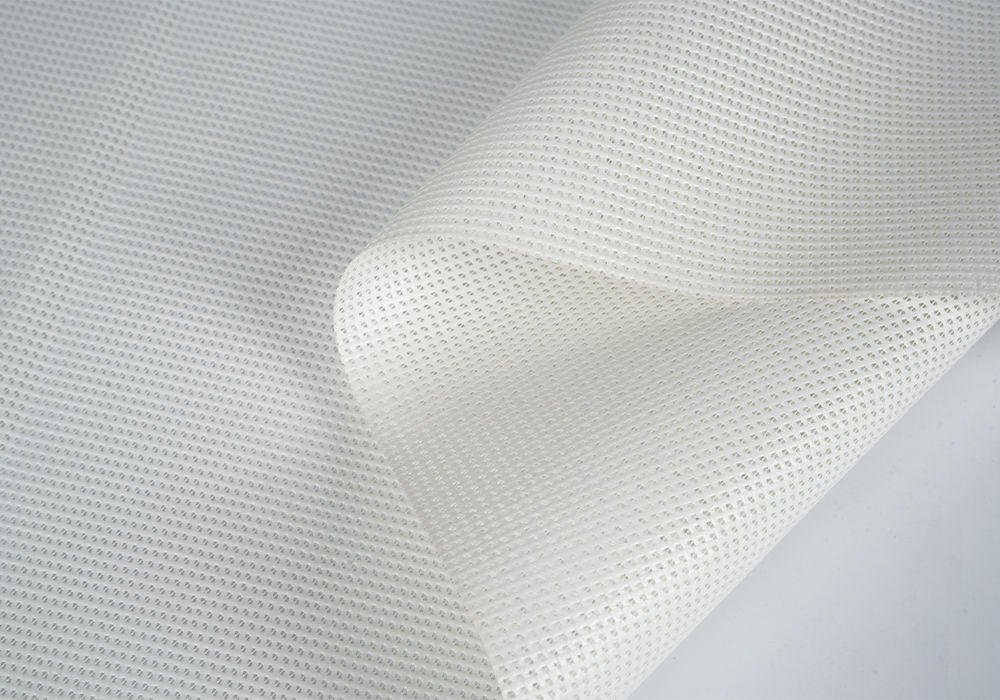
Mesh tarpaulin addresses this issue through its open structure. Micro-holes distributed throughout the fabric create air passages that reduce the continuous solid area exposed to the wind. The wind is dispersed through the openings, helping lower the pressure transmitted to the banner and its support system. This does not eliminate the need for professional installation, suitable spacing, adequate anchoring, or project-specific engineering, but it can significantly improve the suitability of the advertising surface for windy environments.
The open structure also gives mesh tarpaulin a distinctive appearance at close range. From a normal viewing distance, the printed image can appear bold and continuous, while the small perforations support airflow and reduce the visual heaviness of a solid sheet. This makes the material particularly useful where advertising graphics must cover large architectural or temporary structures without completely creating a sealed wall.
The product is based on a 1000 by 1000 denier yarn construction with a 6 by 6 mesh configuration. Denier describes the linear density of the yarn, and a 1000D structure is commonly selected for applications that require a balance between flexibility, handling convenience, and mechanical performance. The 6 by 6 configuration contributes to the stability of the fabric while preserving the breathable character required for wind-resistant signage.
At approximately 200gsm, the material is lighter than many heavy solid tarpaulin products. This weight has practical benefits for printers, installers, importers, and project managers. Rolls are easier to lift, move, cut, and position. Lower material weight can also help reduce packaging volume and shipping weight when large quantities are purchased for nationwide or international advertising projects.
| Item | Specification or Performance | Practical Significance |
|---|---|---|
| Product type | Advertising mesh tarpaulin | Designed for large-format outdoor printing and display applications |
| Yarn construction | 1000D | Supports mechanical stability and resistance to handling stress |
| Mesh configuration | 6 by 6 | Creates distributed openings for airflow while supporting print visibility |
| Approximate weight | 200gsm | Improves roll portability, storage efficiency, and freight utilization |
| Tensile strength | 800/780 N/5cm | Provides reliable resistance to pulling forces along the fabric directions |
| Tearing strength | 160/150 N | Helps resist tear propagation during handling and installation |
| Surface treatment | Ink-friendly coating | Supports sharp and even digital printing with reduced bleeding |
| Outdoor treatments | Waterproof and anti-UV treatment | Helps protect graphics and fabric during outdoor exposure |
The listed tensile strength of 800/780 N/5cm indicates a strong performance balance between the two principal fabric directions. This is important because banners experience stress in multiple directions during installation, wind movement, transport, and tensioning. The reported tearing strength of 160/150 N provides additional support against localized damage, especially when the material is cut, folded, handled around the perimeter, or fixed with accessories.
Although technical data is essential, the final performance of any installed banner also depends on the design of the fixing system. Eyelet spacing, rope selection, frame design, edge reinforcement, corner construction, installation tension, and exposure conditions should be evaluated according to the size and location of the project. The material provides a dependable foundation, but professional installation remains an important part of safe outdoor advertising.
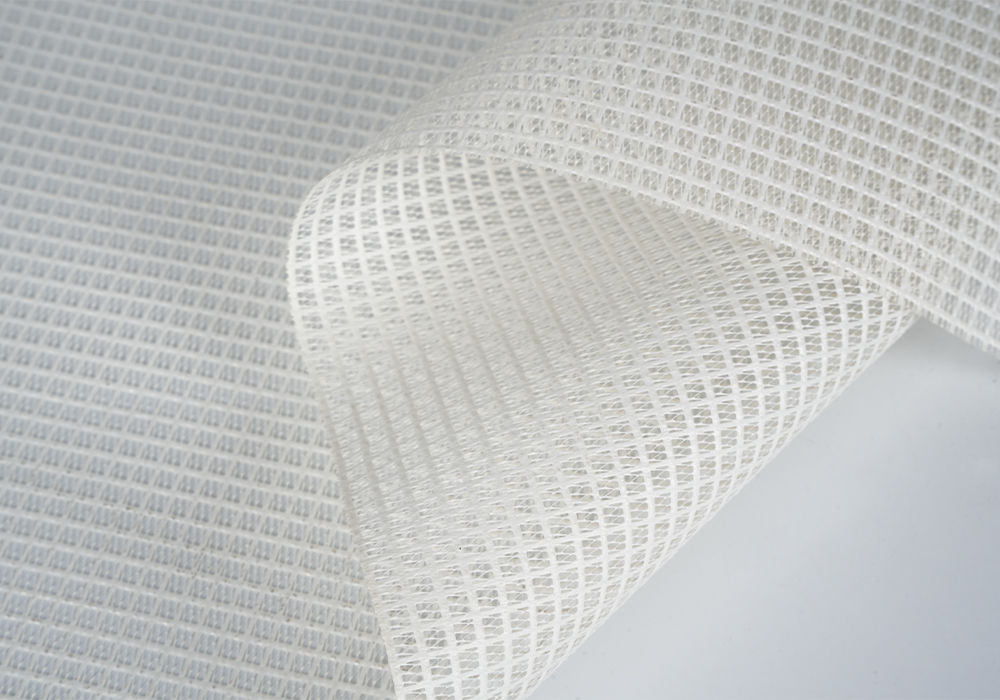
Breathable Wind Resistant Mesh Tarpaulin for Advertising
The defining advantage of this product is its breathable micro-hole structure. Instead of presenting a completely sealed face to the wind, the mesh allows air to move through the material. This reduces the uninterrupted surface area and helps disperse air pressure across the banner. In practical terms, the material is less likely to act as a single large sail than a solid sheet of comparable dimensions.
Wind behavior varies according to building height, local geography, seasonal weather, surrounding structures, banner dimensions, and installation orientation. For that reason, a mesh tarpaulin should not be described as windproof. Its value lies in wind resistance and wind-load reduction. By allowing airflow through the perforations, it can reduce the intensity of movement and lower stress on the banner and its attachment points when compared with an equivalent solid display surface.
This characteristic is valuable at construction sites. Construction fences are frequently installed in exposed areas and may remain in place for months or years. They can be surrounded by open streets, unfinished buildings, cranes, temporary structures, and changing wind paths. A breathable mesh banner can provide project branding, safety messaging, wayfinding, or decorative screening while helping reduce the pressure placed on the temporary perimeter.
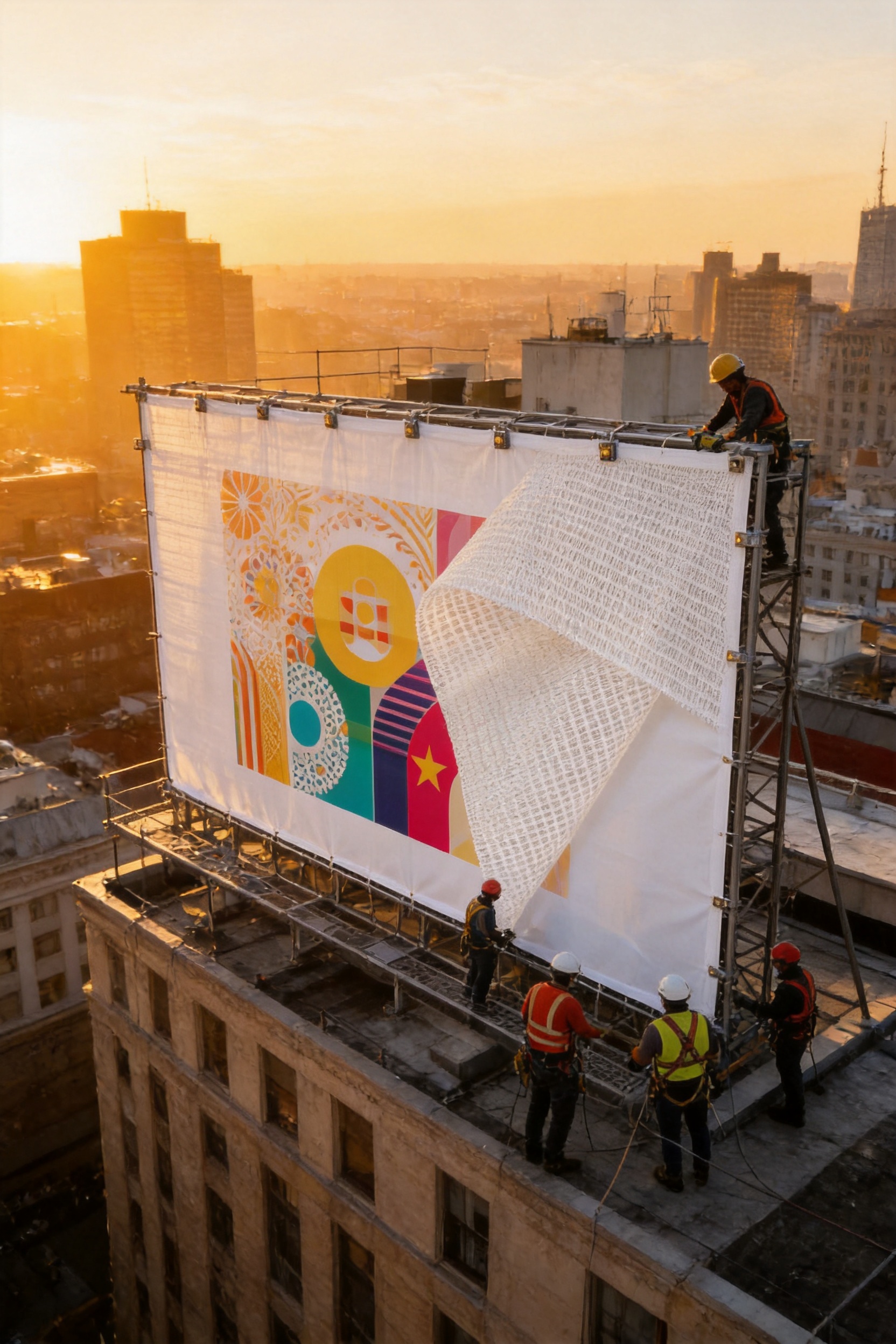
Rooftop advertising is another important application. A rooftop banner is often elevated above nearby obstacles, which may expose it to stronger and more variable wind. A perforated advertising fabric can offer a more suitable alternative to a fully solid banner, provided that the support frame and attachment system are correctly designed. Its lower physical weight may also simplify handling during installation, especially when materials must be transported to elevated locations.
Sports event fences benefit from both the visual and functional properties of the mesh. Temporary venues require advertising materials that can be printed quickly, installed efficiently, and removed or stored after the event. Mesh tarpaulin can cover crowd-control barriers, field perimeters, temporary walls, and sponsor zones while preserving a lightweight, rollable format suitable for repeated event use.
Outdoor advertising is successful only when the message remains readable and the graphics retain their visual strength. Mesh structures create special printing challenges because the surface contains openings. If the coating is poorly matched to the printing process, ink may spread, colors may become uneven, and fine lettering may lose definition. An appropriate surface treatment is therefore essential for professional results.
This mesh tarpaulin uses an ink-friendly coating optimized for HD inkjet printing systems. The coated surface is designed to receive ink droplets evenly and help lock them into place quickly. Faster control of the ink reduces the risk of bleeding and color migration across the holes. As a result, text, logos, photographs, and graphic elements can remain sharper and more readable from a distance.
The coating supports strong color presentation without eliminating the breathable character of the material. This balance is important for advertising agencies and print service providers that need to deliver both image quality and wind performance. A mesh banner should not force the customer to choose between a safe open structure and an attractive printed appearance. Properly engineered coating technology helps bring these requirements together.
For best results, the printer should select ink, resolution, drying settings, color profiles, and print modes that match the specific printer and project conditions. Large outdoor graphics are often viewed from several meters away, so artwork should be designed with sufficient contrast, appropriate font size, and clear visual hierarchy. Fine details that look impressive on a monitor may not remain equally visible when printed across an open mesh surface.
Bold colors, high-contrast logos, simplified layouts, and large lettering generally work well for construction barriers and event fences. Images should be prepared with consideration for the viewing distance and lighting conditions. For rooftop applications, the design may need stronger color separation and larger text because the banner is often seen from the ground or from moving vehicles.
Ink bleeding is particularly undesirable on mesh because the open structure can make irregularities more noticeable. Excess ink may spread around individual holes or create soft edges between color areas. The product's ink-friendly coating is intended to control droplet absorption and preserve the boundaries between printed elements. This supports crisp lines, more uniform solid colors, and improved readability of safety notices or commercial messages.
For printing companies, consistent surface behavior is as important as maximum color strength. A roll that prints evenly from one end to the other helps reduce reprints, production delays, and material waste. Stable coating quality also supports predictable color management when the same graphic must be produced in multiple panels or across different project locations.
Outdoor advertising fabrics must handle more than wind. Ultraviolet radiation can fade pigments and weaken polymeric materials over time. Rain can promote moisture absorption, mildew, staining, or surface contamination. Temperature changes can cause repeated expansion and contraction. Dust and pollution may accumulate on the surface, while installation and removal introduce additional mechanical stress.
The product is treated with waterproof and anti-UV properties to support outdoor service. Waterproofing helps limit the penetration of rain and moisture into the material, while anti-UV treatment helps slow the deterioration associated with prolonged sunlight exposure. These properties are intended to preserve the visual and functional performance of the banner during outdoor use, although actual service life will depend on climate, exposure intensity, cleaning, installation quality, and project duration.
In humid or rainy regions, mildew resistance is especially valuable. A banner that retains moisture can develop unpleasant odors, stains, and biological growth. Proper waterproof treatment, combined with adequate drying and storage procedures, helps reduce these risks. When a banner is removed for reuse, it should be cleaned if necessary, completely dried, loosely or tightly rolled according to the supplier's handling guidance, and stored in a dry location away from direct sunlight.
Anti-UV performance is also important for maintaining brand consistency. A faded sponsor logo or uneven panel color can reduce the professional appearance of a campaign. While all outdoor materials eventually experience some degree of weathering, a suitable UV treatment can help extend the period during which the printed image remains visually effective.
Advertising banners are repeatedly exposed to pulling, folding, tensioning, and movement. During installation, workers may need to unfold a large roll, align the material, secure corners, and attach the edges to a frame or fence. A product with insufficient strength may stretch excessively or suffer damage around fixing points. Once a tear begins, continued wind movement can make the damage spread quickly.
The 1000D core structure and reported tensile strength of 800/780 N/5cm provide a stable basis for demanding outdoor applications. Tensile strength measures the force required to break a defined width of material under controlled testing conditions. Although laboratory results do not directly predict every field situation, they provide a useful reference for comparing materials and selecting an appropriate product for a project.
The reported tearing strength of 160/150 N is relevant when the material encounters a cut, puncture, edge defect, or concentrated force. A higher resistance to tear propagation can help limit the speed at which a small damaged area becomes a larger failure. This is particularly important near eyelets and perimeter attachments, where forces may become concentrated if the banner is not correctly tensioned.
For long-term installations, edge finishing should be considered carefully. Depending on the project, the banner may require reinforced edges, welded hems, appropriate eyelet spacing, or a customized attachment system. The product description emphasizes resistance to tearing or tear-induced detachment at perimeter eyelets, but the final installation should still be designed to distribute loads rather than place excessive force on individual holes.
Installation teams should inspect the fabric before use. Cuts, abrasions, coating irregularities, and damaged eyelets should be identified before the banner is raised. The support structure should be checked for sharp edges and unstable components. Fasteners should be selected according to the banner size, expected wind conditions, and frame design. Regular inspections are recommended for extended outdoor campaigns, especially after severe weather.
Large-format advertising projects can involve hundreds or thousands of square meters of printed material. The physical characteristics of the unprinted substrate have a direct effect on warehouse organization, transportation cost, labor requirements, and installation planning. At approximately 200gsm, this mesh tarpaulin provides a practical lightweight format while maintaining a useful level of structural performance.
The flexible fabric can be tightly rolled for storage and shipment. Rolls occupy less space than folded or rigid display components and can be handled with standard warehouse equipment, depending on roll width and final weight. Roll packaging also reduces the likelihood of severe fold lines that may occur when large sheets are repeatedly folded for transport.
For importers and bulk buyers, the weight-to-area ratio is an important commercial advantage. More square meters can be packed within a given shipping plan, helping improve container utilization. Lower total weight may also reduce certain handling and transportation expenses. These benefits are especially relevant to distributors that keep several widths or standard lengths in stock for local printing customers.
Freight efficiency does not mean sacrificing usability. The material remains flexible enough for practical cutting, finishing, and installation. Printers can process it in production batches, while installers can move individual rolls or panels more easily than heavier alternatives. This can help reduce labor fatigue and improve productivity on large perimeter projects.
Warehousing conditions should still be managed properly. Rolls should be protected from moisture, excessive heat, direct sunlight, and sharp objects. They should be stored in a stable position to prevent deformation. When the material is printed, the ink should be fully cured before rolling or packing. Proper separation between finished panels can help avoid scuffing, blocking, or transfer of ink between surfaces.
Mesh tarpaulin and solid banner materials each have their own appropriate applications. A solid banner can provide strong opacity and may be preferred when complete visual blocking or maximum image density is required. However, in large, elevated, or windy locations, the open structure of mesh tarpaulin provides several practical advantages.
First, the mesh can reduce wind pressure by allowing airflow through its micro-holes. This may help lower the mechanical demands on frames and fixings. Second, its 200gsm construction provides a relatively lightweight solution for large-area coverage. Third, its rollable format supports efficient transport and storage. Fourth, its ink-friendly coating is designed to preserve print clarity rather than treating airflow and image quality as competing requirements.
Compared with low-grade mesh products, a 1000D 6 by 6 construction offers a more substantial structural foundation. Inexpensive materials may appear attractive at the purchase stage but can create problems through uneven coating, inconsistent mesh openings, weak edges, poor ink reception, or early tearing. Such failures can increase total project cost through reprinting, emergency replacement, labor, and reputational damage.
Compared with very heavy tarpaulin, the product can be easier to transport and install. Heavy materials may offer high opacity or a thicker feel, but they also increase labor demands and shipping weight. For applications where wind permeability and economical handling are more important than complete blocking, a lighter mesh structure may provide better overall value.
Compared with narrow-purpose decorative fabrics, this product is designed for demanding outdoor advertising conditions. Its strength data, waterproof treatment, UV protection, and professional printing compatibility make it suitable for projects that require both appearance and functional durability.
| Comparison Factor | Breathable Mesh Tarpaulin | Conventional Solid Banner | Low-Grade Lightweight Mesh |
|---|---|---|---|
| Wind behavior | Micro-holes allow airflow and help disperse wind pressure | Blocks most airflow and may receive higher wind loading | May allow airflow, but performance depends on construction quality |
| Print suitability | Ink-friendly coating supports HD inkjet printing | Often supports strong print density, depending on surface treatment | May show uneven ink absorption or bleeding |
| Handling | Flexible, rollable, and approximately 200gsm | Can be heavier and less breathable | Usually easy to handle but may have lower structural strength |
| Outdoor protection | Waterproof and anti-UV treatment | Varies by product specification | May have limited or inconsistent weather treatment |
| Large-area suitability | Well suited to construction fences, rooftops, and event perimeters | Suitable when full opacity is more important than wind relief | Suitable only when project demands are moderate and quality is verified |
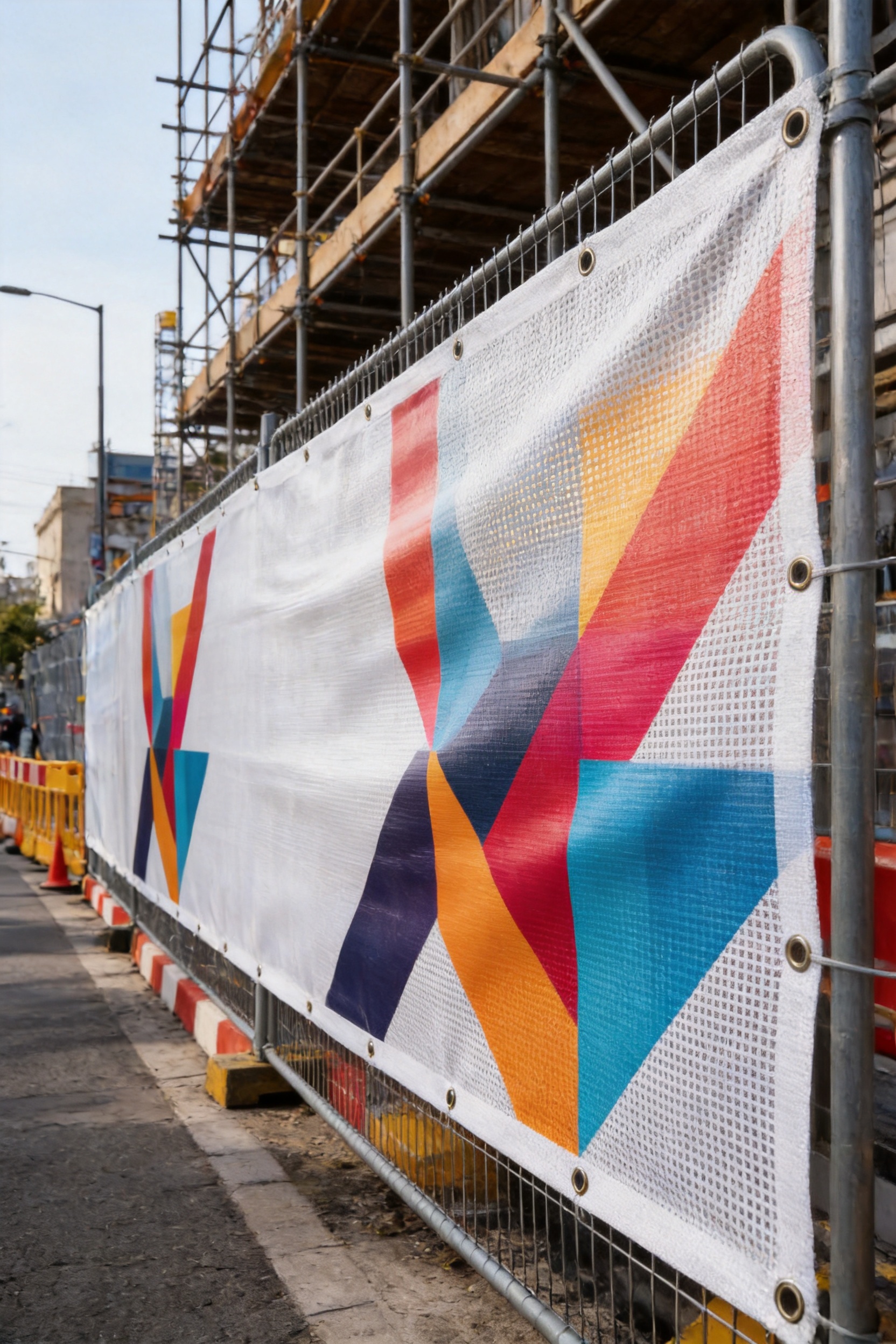
Construction site fencing is one of the most practical uses for mesh tarpaulin. The material can transform plain temporary barriers into branded visual communication surfaces. Developers can display project renderings, architectural concepts, completion schedules, safety messages, environmental commitments, or corporate identity. Contractors can use the same surface for directional information and public communication.
The breathable structure is beneficial because construction perimeters are often exposed to open streets and changing wind conditions. A banner that reduces wind pressure can help protect temporary fencing and improve the stability of the overall installation. The material also provides a more finished appearance than untreated metal panels or fabric fences.
Rooftop billboards require careful attention to wind, access, and maintenance. Mesh tarpaulin can reduce the solid wind barrier effect while providing a large printable surface for commercial campaigns. Its light weight may assist with transportation to the roof and positioning around a prepared frame. Because rooftop installations are highly exposed, anti-UV and waterproof properties are important for maintaining acceptable appearance during the campaign period.
Rooftop projects should always be reviewed by qualified installation professionals. The banner, frame, anchors, and building connections must be evaluated together. Mesh tarpaulin can support safer design objectives, but it is not a substitute for structural assessment or compliance with local building and advertising regulations.
Sports events depend heavily on sponsor visibility. Mesh banners can be attached to perimeter fences, spectator barriers, temporary walls, and entrance zones. They can display multiple sponsor logos, tournament branding, directional information, and event messages. Because the material is rollable and relatively lightweight, organizers can prepare panels in advance and install them quickly at temporary venues.
The open structure can also help maintain airflow around crowded outdoor areas. It reduces the impression of a completely sealed wall while preserving clear branding from the spectator side. After the event, panels can be removed, rolled, stored, and potentially reused for future campaigns if the graphics and material condition allow.
Renovation projects often require visual screening around scaffolding or building facades. Printed mesh can hide visually unfinished areas, communicate renovation information, and create advertising value without presenting the same wind resistance as a solid cover. Property owners may use the surface to display future building images, leasing information, or cultural and commercial promotions.
Temporary promotional structures, retail launches, exhibitions, and outdoor festivals can also use mesh tarpaulin. The product can be cut into panels, finished with perimeter attachments, and adapted to different frame shapes. Its flexible construction supports practical installation around fences, rails, and temporary support systems.
Haining Taiwei New Material Co., Ltd. was established in July 2010 and is located in Haining Dingqiao Industrial Park in Zhejiang Province, China. The location provides convenient access to major logistics routes and ports serving international trade, including the Shanghai and Ningbo port areas. This geographic position supports the movement of raw materials, finished rolls, containers, and customized orders.
The company specializes in a broad range of flexible polymer and textile-based materials. Its product portfolio includes PVC films, digital printing fabrics, tarpaulin films, frontlit and backlit materials, double-sided printing fabrics, mesh products, and other light box cloth materials. This product breadth is valuable because technologies used for one product category can support development and quality improvement in related materials.
Advanced calendering equipment forms an important part of the manufacturing foundation. Calendering is a controlled process used to form and finish polymeric sheets and coated materials. It can influence thickness, surface uniformity, flexibility, appearance, and coating consistency. Stable process control is important for mesh tarpaulin because the substrate must remain flexible while maintaining suitable mechanical properties and a surface that accepts ink evenly.
Multiple production lines allow the manufacturer to organize different specifications and support larger order volumes. A diversified production structure can also help separate product types, reduce unnecessary changeovers, and improve scheduling efficiency. For international buyers, production capacity is important when a project requires repeated deliveries, multiple roll widths, or coordinated supply for several advertising campaigns.
Professional bonding facilities provide additional support for finishing and fabrication requirements. Depending on the order, customers may need hems, reinforced edges, welded sections, custom panels, or other processed components. Access to bonding and finishing equipment can help reduce dependence on multiple outside suppliers and simplify project coordination.
The company reports an annual output of approximately 45 million square meters. This scale indicates an established manufacturing operation capable of supporting regular production and export orders. More than 98 percent of its products are exported to Europe, America, the Middle East, Southeast Asia, and other markets. International export experience requires attention to packaging, documentation, product consistency, communication, production planning, and shipping coordination.
Quality control for mesh tarpaulin begins with raw materials. Yarn quality, polymer composition, additives, coating components, pigments, and backing materials can all influence the final product. Stable raw materials help control strength, color, flexibility, surface behavior, and outdoor performance.
During production, important control points include mesh uniformity, coating weight, surface smoothness, roll width, thickness, weight per square meter, and appearance. Uneven openings may affect visual consistency and wind behavior. Irregular coating can cause print defects or inconsistent color density. Variations in width or roll alignment can make downstream cutting and installation more difficult.
Mechanical testing provides objective information about tensile strength and tearing strength. The supplied data of 800/780 N/5cm tensile strength and 160/150 N tearing strength gives buyers a reference for technical evaluation. Printing tests are also valuable, particularly when customers use different printer brands, ink systems, resolutions, and drying conditions.
Outdoor performance should be considered through waterproofness, UV resistance, mildew resistance, and surface durability. A buyer may request samples for printing and installation trials before committing to a large order. Sample testing can reveal how the material behaves with the customer's exact equipment, artwork, finishing method, and fastening system.
Consistent roll identification and packaging are also part of quality assurance. Clear labels can record product type, width, length, batch information, and handling guidance. Strong packaging helps protect the roll from moisture, dust, impact, and deformation during domestic transport and international shipment.
Advertising material buyers rarely have identical requirements. A distributor may need standard rolls in several widths. A printing company may request a particular coating behavior for a specific ink system. A construction project may require custom panel dimensions, reinforced hems, or pre-finished edges. An event organizer may need material delivered according to a strict installation schedule.
The manufacturer's experience across digital printing fabrics, PVC products, frontlit and backlit materials, and mesh supports communication about these requirements. Customers can discuss material weight, mesh construction, surface treatment, roll dimensions, packaging, finishing, and order quantity before production. Clear technical confirmation is particularly important when a product will be used in elevated or highly exposed locations.
For large projects, supply reliability can be as important as the initial material price. Delayed rolls can postpone printing and installation, creating costs that exceed the difference between competing quotations. An established factory with multiple production lines and international export experience may provide stronger support for planned deliveries and repeat orders.
Bulk purchasers should evaluate total project value rather than price per square meter alone. Relevant factors include printing yield, material waste, shipping volume, installation labor, replacement risk, storage requirements, service life, and customer satisfaction. A mesh tarpaulin that prints consistently and remains stable outdoors can reduce hidden costs throughout the project.
Before full production, print a representative sample using the intended printer, ink, artwork, and curing conditions. Check color density, edge sharpness, fine text, image visibility from the planned viewing distance, and the appearance of the mesh under different lighting. This step is particularly useful for brands with strict color requirements.
Allow printed material to dry or cure according to the ink manufacturer's recommendations. Rolling too soon can lead to ink transfer, surface blocking, or scuffing. Use clean handling equipment and avoid dragging the material across rough floors or sharp edges.
When preparing panels, keep cuts clean and avoid creating unnecessary nicks in the edge. If eyelets are used, spacing should be designed for the banner dimensions and expected conditions. Reinforced hems may be appropriate for large or long-term installations. Fasteners should distribute the load evenly and should not be tightened so aggressively that they deform or cut into the fabric.
Installers should consider wind direction, support spacing, frame rigidity, and access for maintenance. The banner should be tensioned sufficiently to reduce excessive flapping, but over-tensioning can create unnecessary stress. The installation area should be inspected after severe weather, and damaged attachments should be repaired promptly.
For storage, remove dirt and moisture before rolling the material. Keep rolls away from direct sunlight and high heat. Do not store wet banners in sealed packaging. When reusing panels, inspect the printed surface, edges, eyelets, and seams before installation.
Material efficiency is an important part of modern advertising production. Lightweight roll construction can reduce transport weight and warehouse demands. The ability to print, cut, install, remove, and store the material in roll form may also support reuse in suitable campaigns. Longer service life reduces the frequency of replacement and the material consumption associated with repeated installations.
Efficient printing contributes to sustainability as well. A stable ink-receptive surface can reduce misprints, color inconsistencies, and discarded panels. Accurate cutting and well-planned panel layouts can further limit waste. Buyers should coordinate artwork dimensions with available roll widths to make the most effective use of the substrate.
End-of-life handling should be evaluated according to local regulations and the material composition. Advertising fabrics may contain polymer coatings, yarns, pigments, and finishing components that require appropriate disposal or recycling routes. Buyers can discuss material composition and available recycling practices with their suppliers when environmental reporting is required.
A suitable supplier should be evaluated through more than a product photograph. Buyers should review the technical specification, mesh construction, weight, tensile strength, tearing strength, coating type, outdoor treatments, roll dimensions, and available finishing services. Samples should be requested when print performance or color accuracy is important.
Manufacturing capability is another essential consideration. A supplier with its own production equipment and multiple lines may offer better control over consistency, lead times, and customization than a trading company with limited technical involvement. Buyers should ask about quality control, batch management, packaging, export experience, and after-sales communication.
Application knowledge also matters. A supplier should understand the differences between a low-level event fence, a long construction perimeter, and a high rooftop installation. The supplier may not replace a structural engineer or professional installer, but it should provide accurate material information so that the project team can make responsible decisions.
Finally, buyers should consider whether the supplier can support long-term cooperation. Reliable communication, stable specifications, repeatable quality, and coordinated delivery are valuable for distributors and print businesses that serve multiple customers. Haining Taiwei New Material Co., Ltd. positions itself as a manufacturer focused on technological innovation, product quality, and customer service, with an export-oriented operation serving numerous international regions.
Mesh tarpaulin is used for large-format outdoor advertising, construction barriers, rooftop billboards, sports event fences, temporary promotional structures, renovation screening, and other applications where printed graphics and airflow are both important.
The micro-hole structure allows part of the air to pass through the material. This disperses wind and reduces the uninterrupted solid surface presented to gusts. It can help reduce wind load compared with a solid banner, although the complete installation still requires suitable engineering, anchoring, and professional inspection.
Yes. The ink-friendly coating is designed for professional HD inkjet printing systems. It helps receive ink evenly, control bleeding, and maintain clear text and vivid graphics across the mesh surface. Printer settings and ink compatibility should always be confirmed with a sample test.
1000D refers to the denier of the yarn, which indicates its linear density. The 6 by 6 description refers to the mesh construction in the principal directions. Together, these specifications describe the fabric structure and help indicate its balance of strength, flexibility, and breathability.
The product has an optimized weight of approximately 200gsm, or 200 grams per square meter. This relatively lightweight structure supports easier handling, roll storage, bulk shipment, and installation over large areas.
Yes, it is suitable for rooftop billboard applications when the support frame, anchors, fixing system, and installation are properly designed. Rooftop locations can experience strong wind and require professional structural assessment. The mesh material helps manage airflow but should not be treated as a replacement for engineering review.
The product is treated with waterproof properties to help protect it from rain and moisture during outdoor use. Actual performance depends on printing, finishing, seams, edge treatment, installation, and exposure conditions.
The anti-UV treatment helps slow fading and material deterioration caused by sunlight. The final service life depends on geographic location, UV intensity, campaign duration, ink selection, color formulation, and maintenance.
The supplied specifications list tensile strength of 800/780 N/5cm and tearing strength of 160/150 N. These values provide useful technical references, but the suitability of the material should also be evaluated against the banner dimensions, support structure, installation method, and local weather conditions.
Its flexible, rollable construction supports practical storage and potential reuse. Before storage, the banner should be cleaned and dried. It should be rolled carefully and kept away from moisture, heat, direct sunlight, and sharp objects. Reuse depends on the condition of the printed surface, edges, eyelets, seams, and fixing points.
Haining Taiwei New Material Co., Ltd. is located at No. 20-1, Fenghuang Road, Qianjiang Industrial Park, Dingqiao Town, Haining City, Zhejiang Province, China. The company is positioned near transport routes connecting to the Shanghai and Ningbo port areas.
The company produces PVC films, digital printing fabrics, tarpaulin films, frontlit and backlit materials, double-sided printing fabrics, mesh products, and other light box cloth materials. It operates multiple production lines, calendering equipment, and professional bonding facilities.
Breathable wind-resistant mesh tarpaulin is a strong choice for outdoor advertising projects that require visual clarity, manageable wind behavior, efficient logistics, and reliable weather performance. Its micro-hole construction helps disperse wind, while the 1000D 6 by 6 structure provides a dependable mechanical foundation. The approximate 200gsm weight makes the material flexible, rollable, and easier to transport than many heavier alternatives.
The ink-friendly coating supports HD digital printing with clear text, vivid graphics, and reduced bleeding. Waterproof and anti-UV treatments help the material withstand outdoor exposure, while the reported tensile and tearing strength values provide useful support for demanding advertising applications. Construction barriers, rooftop billboards, sports event fences, renovation screens, and temporary promotional structures can all benefit from this balanced combination of performance and practicality.
Behind the product is a manufacturer with experience in flexible advertising materials, PVC films, digital printing fabrics, mesh products, and light box cloths. Haining Taiwei New Material Co., Ltd. combines calendering equipment, multiple production lines, bonding facilities, international export experience, and substantial annual production capacity. For buyers seeking a reliable mesh tarpaulin supplier, the company offers a manufacturing platform capable of supporting standard products, customized requirements, bulk orders, and international delivery.
The best results come from selecting the correct specification, testing the material with the intended printer, planning the attachment system carefully, and inspecting the installation throughout its service life. When these steps are followed, breathable mesh tarpaulin can deliver a professional advertising surface that balances strong visual communication with practical outdoor safety.
1. Product specification information supplied for 1000D 6 by 6, approximately 200gsm advertising mesh tarpaulin.
2. Technical data supplied for tensile strength of 800/780 N/5cm and tearing strength of 160/150 N.
3. Manufacturer information for Haining Taiwei New Material Co., Ltd., including production facilities, product categories, export markets, and annual output.
4. General principles of large-format digital printing, mesh substrate preparation, ink adhesion, color management, and outdoor graphic production.
5. General guidance on temporary advertising structures, banner installation, perimeter fastening, wind-load considerations, and outdoor material maintenance.
Breathable Wind Resistant Mesh Tarpaulin for Advertising
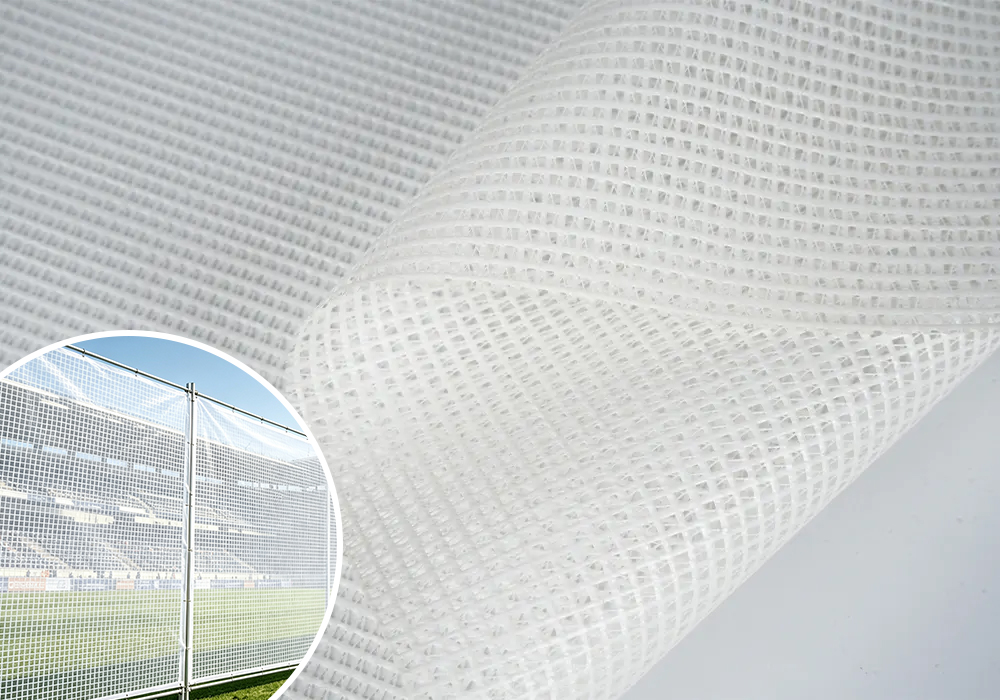 Lightweight Foldable Mesh Tarpaulin for Event Promotion
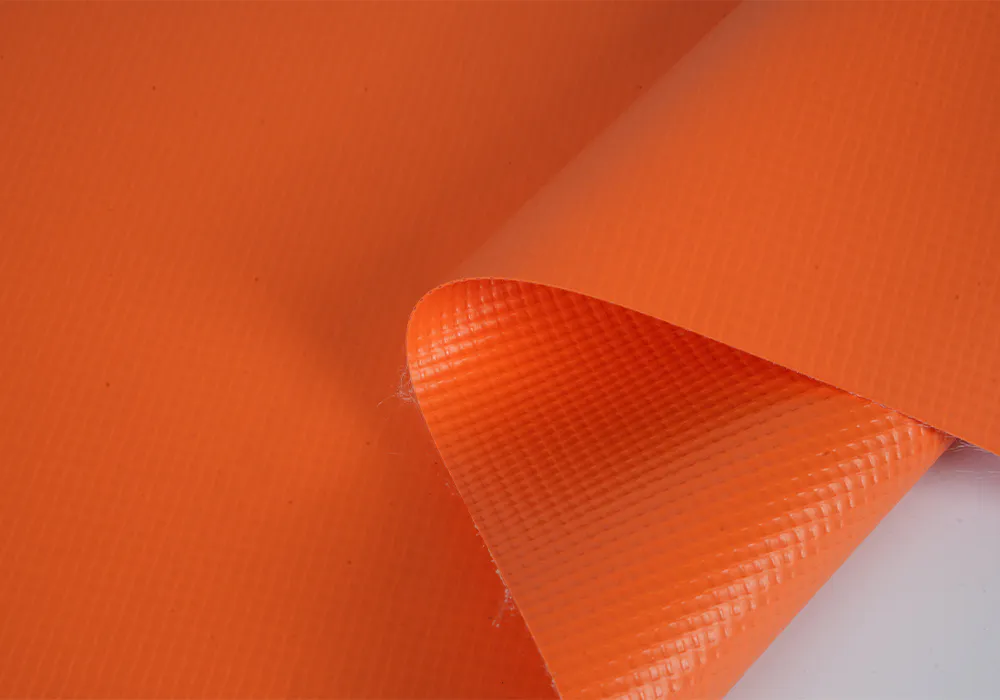 High Strength Wind Resistant Tarpaulin For Air Duct Wind Sleeve
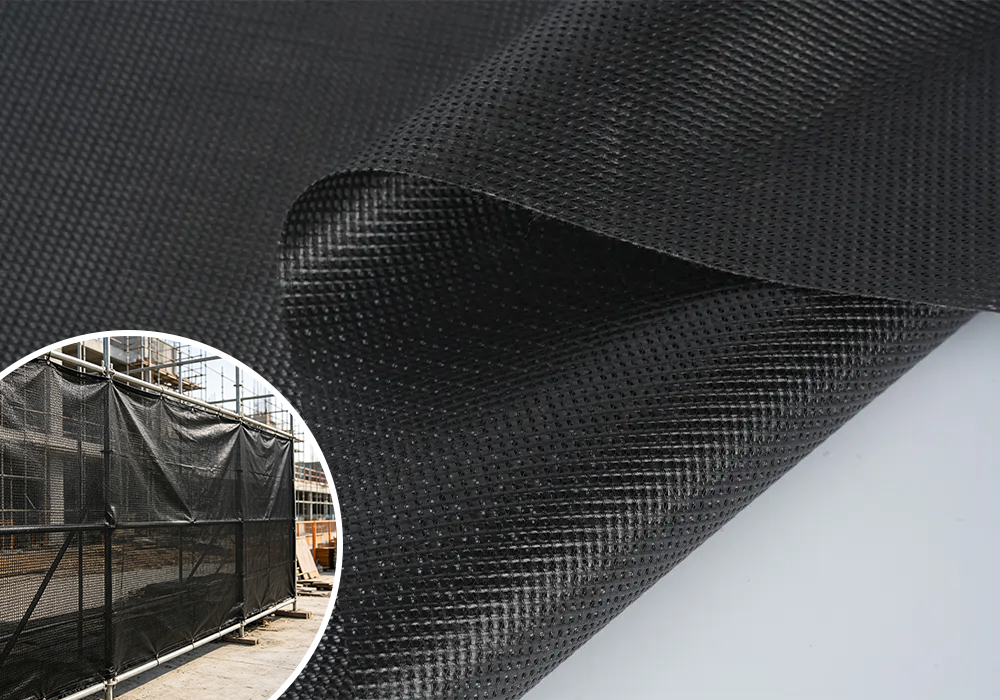 All Weather Heavy Duty Mesh Tarpaulin for Barrier Fencing
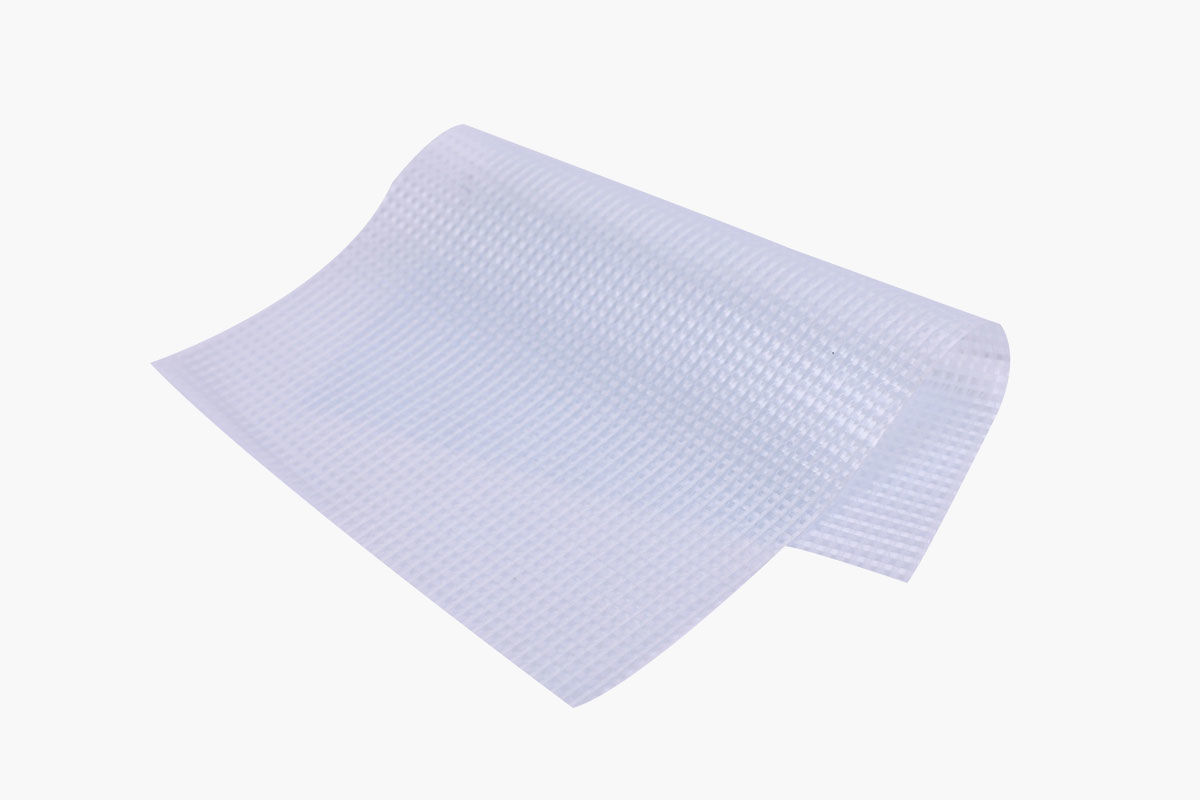 Industrial-Grade Reinforced UV-Resistant Clear Tarpaulin
 Dense Weave Light Block Mesh Tarpaulin for Commercial Display
 Custom Digital Printing Fabric Manufacturers

 Previous