

 English
 中文简体
 Español
News
Home / Author / Dai Shuying — Technical Customer Support Manager / High-Strength Wind-Resistant Tarpaulin for Air Duct Wind Sleeves


Content
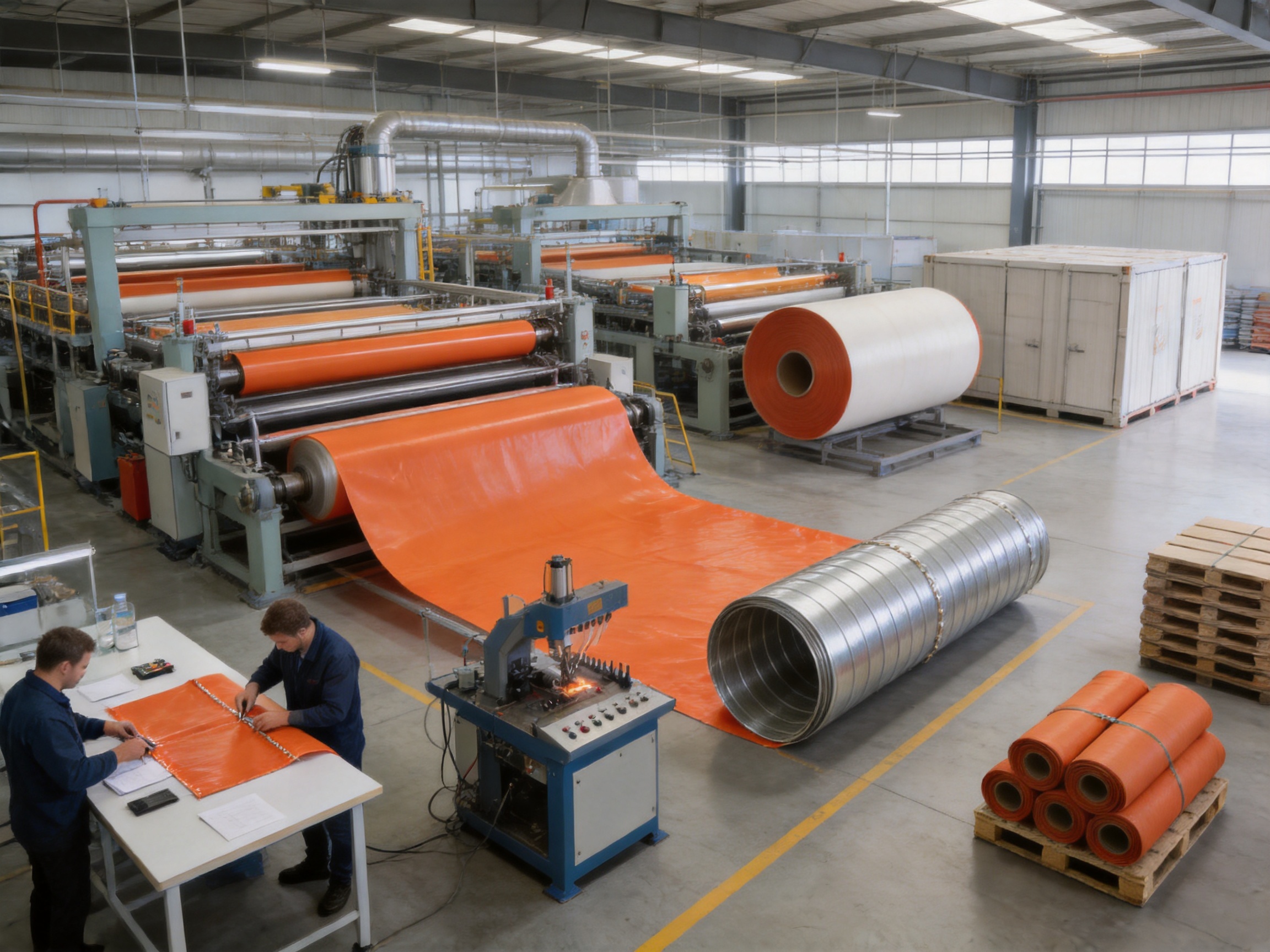
Industrial ventilation systems depend on more than powerful fans. They also require a duct material capable of carrying air efficiently, tolerating wind pressure, maintaining its shape, and surviving demanding job-site conditions. When a ventilation sleeve is weak, porous, or unstable, airflow can become uneven, pressure can fall, energy consumption can rise, and the entire exhaust or supply system may operate below its intended performance. A high-strength wind-resistant tarpaulin provides a practical solution for temporary and semi-permanent air duct applications in construction, mining, agriculture, manufacturing, workshops, and other industrial environments.
This specialized tarpaulin combines a heavy polyester mesh base with a tightly bonded PVC coating. The polyester structure contributes high tensile and tearing resistance, while the PVC surface creates an airtight, weather-resistant barrier. Together, these layers produce a flexible but mechanically stable material that can be fabricated into wind sleeves, exhaust ducts, air-supply tubes, dust-removal pipelines, and custom ventilation channels.
The material described in this article is a 720 gsm tarpaulin constructed with a 2000D × 2000D polyester base in a 9 × 9 mesh configuration. It delivers a reported tensile strength of 2200/2100 N per 5 cm, tearing strength of 350/340 N, and adhesion strength of 70 N per 5 cm. These specifications make it suitable for applications where ordinary tarpaulin, lightweight plastic film, or low-density fabric may deform, tear, leak, or deteriorate under continuous airflow and outdoor exposure.
Manufactured by Haining Taiwei New Material Co., Ltd., the product reflects the company’s experience in PVC films, digital printing fabrics, tarpaulins, mesh materials, and other coated textile products. The company operates multiple production lines, advanced calendering equipment, and professional bonding facilities, supporting large-volume production and export supply. Its manufacturing background allows the material to be developed not merely as a general covering fabric, but as a functional engineered textile for demanding ventilation requirements.
Air duct wind sleeves are often used where permanent metal ductwork would be too expensive, too slow to install, or impractical to transport. Construction sites, underground operations, agricultural buildings, factories, tunnels, and temporary processing areas may require ventilation routes that change as the project develops. Flexible ducts can be rolled, moved, extended, and adapted to different layouts, making them valuable for fast-changing work environments.
However, flexibility alone is not enough. A duct must maintain an effective air passage while the fan is operating. If the fabric stretches excessively, collapses, balloons, or develops leakage points, the fan must work harder to deliver the same volume of air. Inadequate materials can also create turbulence, reduce the reach of ventilation, and increase the need for repairs or replacement.
A high-strength PVC-coated polyester tarpaulin addresses these risks through a combination of structural reinforcement and surface sealing. The internal mesh supports the fabric against tension and pressure. The outer PVC layer closes the spaces around the yarns and forms a continuous barrier. This layered construction is particularly useful in situations where the sleeve must withstand both mechanical stress and pressure generated by high-speed airflow.
Ventilation conditions can vary considerably. A duct may be pulled across rough flooring, exposed to dust, folded repeatedly during relocation, or installed outdoors in sunlight and changing weather. It may also be connected to fans that create surges during startup. The material therefore needs to resist more than a single type of stress. It must tolerate handling, flexing, tension, pressure, abrasion, and environmental exposure while remaining suitable for fabrication into long, continuous duct sections.
The foundation of the product is a high-denier polyester mesh. The stated 2000D × 2000D construction indicates a substantial yarn structure in both primary directions. A 9 × 9 mesh arrangement provides a dense and stable reinforcement pattern, helping distribute applied loads through the fabric instead of allowing stress to concentrate in a small area.
Denier is a measurement associated with the linear density of textile yarn. In practical terms, a higher-denier yarn generally provides a stronger and more substantial reinforcement than a fine, lightweight yarn, although the final performance also depends on weave, coating, bonding, and production quality. The heavy polyester base used in this tarpaulin is designed for applications where ordinary lightweight coated cloth may not provide sufficient resistance.
The mesh base serves several functions. It supports the coating during handling and installation, contributes to tensile strength, limits excessive stretching, and helps the finished fabric retain dimensional stability. When the duct is exposed to internal air pressure, the reinforcement helps prevent uncontrolled expansion. When the sleeve is tensioned between connection points, the mesh helps reduce elongation and deformation.
The PVC coating creates a continuous, sealed surface over the polyester reinforcement. For ventilation ducts, this surface is important because even small leakage points can reduce delivered airflow over long runs. A tight coating helps preserve the pressure generated by the fan and allows more air to reach the intended work area.
The coating also protects the textile base from direct contact with moisture, dust, ultraviolet exposure, and many common environmental contaminants. It creates a smooth, cleanable surface that can be easier to maintain than an exposed textile structure. Depending on the finished duct design and installation conditions, the PVC layer can also support reliable welding, edge finishing, reinforcement, and connection fabrication.
Coating quality depends on more than coating thickness. Uniform application, proper fusion, controlled temperature, stable tension, and consistent cooling all influence the final result. A coating that is uneven, under-fused, or poorly bonded may develop weak areas, pinholes, delamination, or inconsistent flexibility. The production process must therefore control both the textile substrate and the PVC compound throughout the manufacturing cycle.
At 720 gsm, the fabric provides a balance between strength and practical handling. A very light fabric may be easy to transport but less resistant to pressure, tearing, and repeated movement. A very heavy construction may deliver additional mass but create difficulties during rolling, installation, storage, and freight. The 720 gsm structure is substantial enough for high-demand air duct work while remaining suitable for roll-based handling.
The ability to roll the material tightly is valuable for distributors and contractors. Rolls can be stored more efficiently before fabrication, transported to remote work locations, and moved through access points that would not accommodate rigid duct sections. Once on site, the material can be cut and formed into the required diameter or length, helping reduce dependence on standardized rigid components.
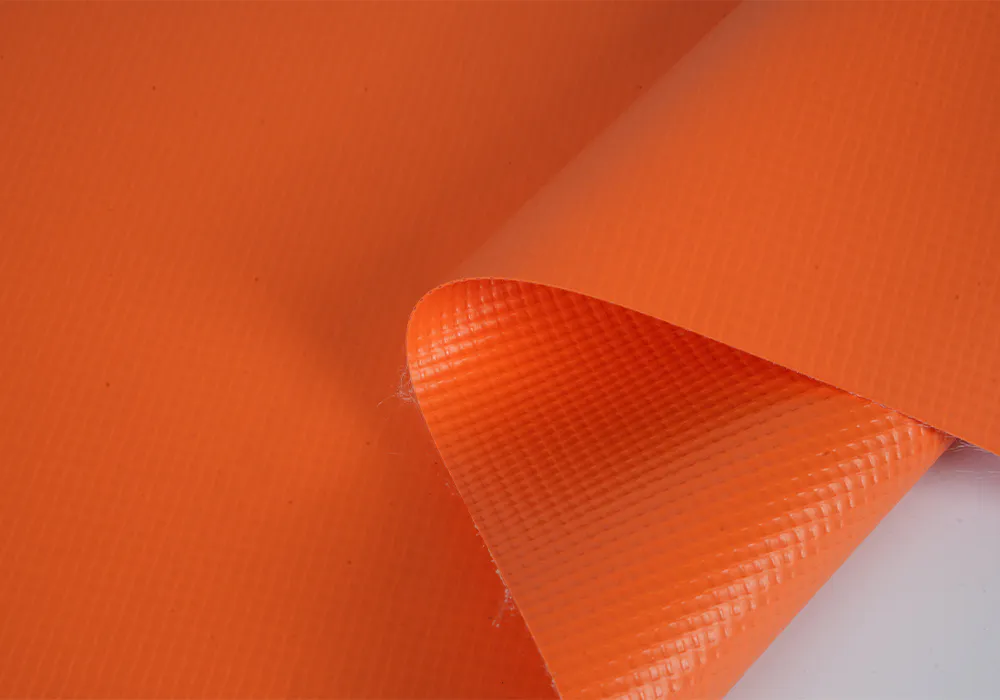
High Strength Wind Resistant Tarpaulin For Air Duct Wind Sleeve
The main advantage of this tarpaulin is its ability to withstand pressure generated by moving air. The product’s reported tensile strength is 2200/2100 N per 5 cm, indicating strong resistance in the two principal fabric directions. This directional performance is important because duct fabric can experience different forces along its length and around its circumference.
A strong reinforcement system helps the sleeve maintain a consistent cylindrical passage when exposed to airflow. The objective is not to make the duct rigid, but to prevent uncontrolled ballooning, flattening, or distortion. A stable passage supports more predictable air movement and can reduce the pressure losses associated with excessive deformation.
Wind pressure resistance is especially valuable in construction exhaust systems, mining ventilation, tunnel work, and industrial dust extraction. These applications may use high-capacity fans or operate with long duct runs. The fabric must be able to manage the resulting forces while remaining securely connected at seams, rings, suspension points, and end fittings.
The stated tearing strength is 350/340 N. Tear resistance is critical because a small cut or puncture can become a longer split when the duct is pressurized or pulled during installation. A reinforced mesh base helps slow the propagation of damage and gives the material greater tolerance during handling.
On active job sites, fabric ducts may encounter sharp edges, equipment, scaffolding, tools, or rough ground. Although careful installation remains essential, high tear resistance provides a greater margin of safety when compared with thin unreinforced films or low-strength fabrics. It can help reduce the risk that a minor incident will immediately interrupt ventilation service.
The product has a reported adhesion strength of 70 N per 5 cm. Strong adhesion between the PVC coating and polyester base helps preserve the integrity of the composite structure during flexing, rolling, welding, and use. If the coating separates from the reinforcement, the fabric may lose air tightness and become more vulnerable to moisture, abrasion, and further delamination.
Good coating adhesion also contributes to a more consistent fabrication process. Heat-welding operations depend on the thermoplastic layers responding predictably to controlled heat and pressure. A well-bonded material can support the formation of durable seams and joints when processed with appropriate equipment and settings.
An air duct is only as effective as its ability to guide air to the required destination. Leakage along a long pipeline can gradually reduce pressure, especially when many sections are connected. A tightly coated tarpaulin creates a more continuous barrier and helps prevent slow air loss through the fabric.
Improved air retention may allow a ventilation system to use fan capacity more effectively. The result can be more consistent airflow at the far end of the duct, better removal of dust or contaminated air, and less need to compensate for losses by increasing fan output. Actual energy savings depend on the complete system, including fan design, duct diameter, length, fittings, suspension, and installation quality, but low fabric permeability is a fundamental requirement.
Temporary ventilation systems are frequently installed outside buildings, along construction routes, beside agricultural structures, or near industrial facilities. Solar radiation, temperature changes, rain, and airborne pollutants can gradually weaken unprotected fabrics. The tarpaulin is designed with anti-aging and UV-resistant properties to help reduce surface degradation during extended outdoor use.
UV resistance helps slow the loss of flexibility, surface chalking, and strength deterioration that may occur when polymer-coated textiles are exposed to sunlight. This is particularly useful when duct sections remain installed for weeks or months rather than being removed immediately after a short task. Weather resistance does not eliminate the need for inspection, but it can extend the practical service period under appropriate conditions.
Construction, agriculture, mining, and manufacturing environments often contain dust, airborne fibers, moisture, and mild chemical contaminants. The PVC surface helps protect the internal polyester structure from direct exposure to many of these conditions. It also provides a relatively smooth surface that can be wiped or cleaned according to the requirements of the application.
The product is intended to tolerate mild corrosion associated with dusty workshops and industrial environments. It should not be interpreted as universally resistant to every chemical, solvent, acid, or alkaline substance. Compatibility testing is recommended when the duct will convey aggressive vapors or come into contact with concentrated chemicals. Nevertheless, the coated construction provides an advantage over untreated fabric in ordinary industrial ventilation conditions.
Lightweight plastic film can be inexpensive and easy to install, but it often provides limited resistance to tearing, puncture, and repeated handling. Under strong airflow, thin film may expand irregularly, flap, or develop fatigue around attachment points. It may also be difficult to repair reliably once damaged.
The heavy polyester-reinforced tarpaulin provides a more stable structure. Its mesh base supports the coating and distributes loads, while the PVC layer maintains a sealed surface. This makes it better suited to longer duct runs, higher-pressure fans, and repeated relocation than a simple unsupported film.
General-purpose coated fabrics may be intended for covers, partitions, banners, or light-duty shelters rather than pressure-bearing ventilation. Their yarn density, coating adhesion, tear strength, and dimensional stability may not be optimized for wind sleeves. Using a fabric designed specifically for more demanding airflow conditions can reduce the risk of ballooning and premature damage.
The 2000D × 2000D, 9 × 9 polyester structure provides a stronger reinforcement platform than many standard coated cloths. Its reported tensile and tearing values give buyers measurable performance criteria for comparing material options instead of relying only on appearance or nominal weight.
Rigid metal ducts can offer excellent structural stability, but they are heavier, less compact during transport, and more difficult to reconfigure. They may require additional equipment for lifting, connection, and support. On temporary construction sites or in changing underground routes, these factors can increase installation time and logistics costs.
Flexible tarpaulin ducts can be rolled and transported in a compact form. They can be produced in extended lengths and custom diameters through heat-sealed splicing. This flexibility is an advantage where the ventilation route changes frequently or where access is limited. The most suitable choice depends on the pressure, temperature, fire requirements, duration, and physical conditions of the project, but flexible coated textile provides a practical alternative to rigid systems in many temporary and mobile applications.
Lower-density mesh products may be easier to handle, but they may not provide the same resistance to internal pressure or mechanical stress. If the duct must span long distances, operate with strong fans, or tolerate repeated movement, a heavier construction can provide greater reliability.
The product’s 720 gsm weight and heavy-denier reinforcement are intended to support demanding use without sacrificing rollability. This balance is a significant advantage for contractors and distributors who need a material that is both robust in service and manageable in logistics.
One of the most useful features of PVC-coated polyester tarpaulin is its suitability for heat welding. Hot-wedge splicing and related thermal bonding methods can join sections into long, continuous ducts without depending solely on mechanical fasteners. Properly executed welded seams can create a smoother internal surface and help maintain air tightness along the connection.
Custom fabrication allows the material to be adapted to project-specific dimensions. Ducts may require non-standard diameters, extended lengths, reducers, bends, inspection openings, fan connectors, suspension tabs, reinforced ends, or other fittings. A roll material that can be cut and welded according to a drawing gives manufacturers greater freedom than a fixed set of preformed components.
During welding, operators must control temperature, pressure, speed, overlap, and surface cleanliness. Excessive heat can damage the coating or distort the fabric, while insufficient heat may create a weak bond. Consistent production equipment and trained personnel are therefore essential. The company’s professional bonding facilities support the conversion of coated materials into finished products and custom components.
Heat-sealed customization also supports international distribution. A supplier can provide base fabric rolls to fabricators, finished wind sleeves to contractors, or semi-finished sections for regional assembly. This flexibility can simplify inventory planning and make it possible to serve projects with different diameter, length, and connection requirements.
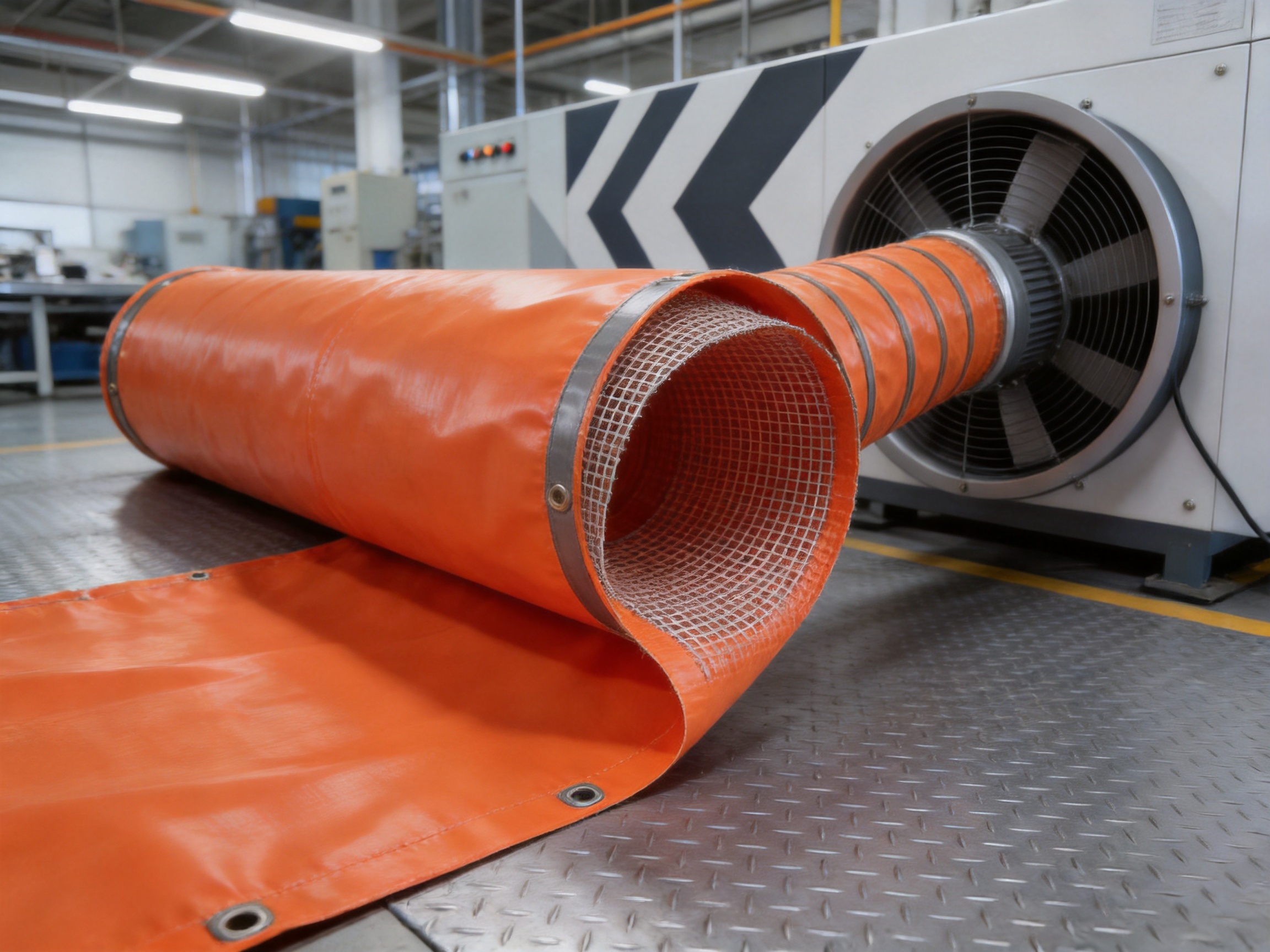
Haining Taiwei New Material Co., Ltd. was established in July 2010 and specializes in PVC films, digital printing fabrics, tarpaulin films, frontlit and backlit materials, double-sided printing fabrics, mesh, and other light box cloth products. This product range demonstrates experience with polymer-coated textiles that must combine appearance, flexibility, strength, adhesion, and weather performance.
Although different end products have different specifications, the underlying manufacturing disciplines are closely related. They include raw material preparation, polymer formulation, coating control, fabric tension management, surface uniformity, curing or fusion, inspection, cutting, rolling, and packaging. Experience across several coated textile categories can help support consistent process control for industrial tarpaulin production.
Calendering equipment is used to process polymer materials into controlled sheets or coatings. In PVC-coated textiles, the process must deliver a stable layer with suitable thickness, flexibility, surface finish, and bonding performance. The coating must penetrate or adhere effectively to the textile reinforcement while remaining continuous across the full production width.
Modern calendering equipment helps manufacturers regulate temperature, pressure, roller speed, material flow, and web tension. These controls are important for producing a uniform tarpaulin that performs consistently from one roll to another. A stable manufacturing environment also helps reduce defects such as thin spots, wrinkles, trapped air, coating variation, and surface contamination.
The company operates multiple production lines, allowing it to support different product categories and production requirements. Multiple lines can improve scheduling flexibility and help separate products according to coating type, width, weight, color, surface treatment, or intended application.
For buyers, production capacity is important when a project requires repeat orders, large quantities, or consistent supply over time. The company reports an annual output of 45 million square meters, indicating the scale needed to support distributors, fabricators, and international customers. High capacity must be combined with process discipline, but it provides a foundation for handling commercial-volume orders.
Bonding facilities are important for coated textile products because many customers require more than raw fabric. Finished ducts, covers, banners, connection sleeves, and custom assemblies depend on accurate welding and reinforcement. Professional bonding equipment supports stronger seams, cleaner edges, and more consistent dimensions than informal manual joining methods.
For wind sleeve applications, bonding quality is directly related to air retention and service life. Seams experience repeated stress when the duct is inflated, moved, folded, or suspended. Properly produced joints help ensure that the finished assembly performs as a unified structure rather than as a collection of weakly connected panels.
More than 98% of the company’s products are exported to Europe, America, the Middle East, Southeast Asia, and other regions. International supply requires attention to packaging, documentation, production consistency, communication, and shipment coordination. It also requires the ability to understand different project requirements and adapt specifications for various markets.
The company’s location in Haining Dingqiao Industrial Park provides access to major transportation routes and convenient connections to Shanghai and Ningbo ports. This location can support efficient export logistics for rolled tarpaulin materials and finished goods. Compact roll packaging further helps distributors manage ocean freight volume and warehouse storage.
Construction projects often generate dust, fumes, heat, and airborne particles. Flexible ducts can route contaminated air away from enclosed work zones or deliver fresh air to areas with limited natural ventilation. The tarpaulin’s strength and flexibility make it suitable for temporary pipelines that must be extended as the building or excavation progresses.
Because construction layouts change, duct sections may be disconnected and reinstalled several times. A material that tolerates rolling and handling can reduce replacement frequency. The PVC surface can also help limit the absorption of dust and moisture compared with an exposed textile.
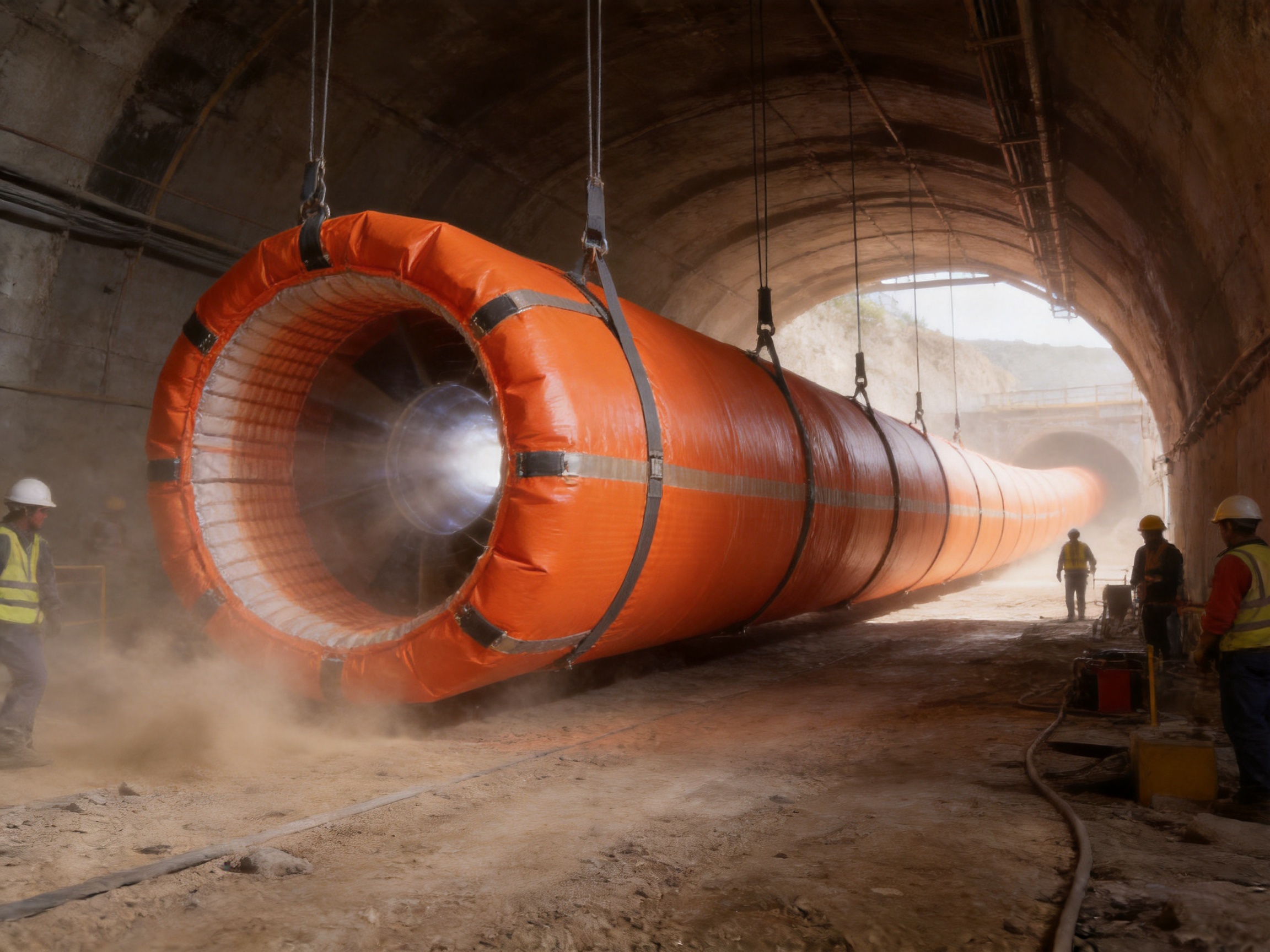
Mining and tunnel projects may require long ventilation routes, powerful fans, and continuous air movement through confined spaces. Duct deformation or leakage can reduce the effectiveness of air delivery and exhaust removal. High tensile strength, tear resistance, and heat-welded long sections are valuable in these environments.
Before use in a specific mine or tunnel, the complete system should be reviewed for fire performance, temperature limits, static-control requirements, chemical exposure, suspension design, and local safety regulations. The tarpaulin provides a strong flexible base, but project compliance depends on the selected specification and complete assembly.
Agricultural buildings may require air extraction, fresh-air distribution, humidity management, or dust control. Flexible ducts can be routed around equipment and installed temporarily during seasonal operations. The material’s outdoor aging and UV-resistant properties are useful where ducts are exposed to sunlight or changing weather.
In agricultural settings, surface cleaning and hygiene may also be important. The coated surface can be easier to clean than untreated fabric, although the appropriate cleaning agents should always be checked for compatibility with PVC and the finished coating.
Factories may use flexible ducting to connect local extraction points to fans, filters, or centralized collection systems. The high-strength tarpaulin can be fabricated into connectors and custom sections that accommodate machinery movement or irregular layouts.
For dust-removal applications, the system designer should consider particle type, temperature, static electricity, abrasion, airflow velocity, and filtration equipment. If the extracted material is hot, combustible, chemically aggressive, or highly abrasive, a specialized formulation or additional protective construction may be required.
Temporary workshops, repair areas, warehouses, exhibition structures, and enclosed work shelters may require rapid ventilation without permanent duct installation. Rollable coated fabric can be stored until needed and then converted into a suitable duct arrangement. Its light weight relative to rigid alternatives can simplify installation in locations where lifting equipment is limited.
| Item | Specification | Practical Significance |
|---|---|---|
| Product type | High-strength PVC-coated tarpaulin for air duct wind sleeves | Designed for flexible ventilation, exhaust, and air-supply duct fabrication |
| Base fabric | Polyester mesh | Provides structural reinforcement and dimensional stability |
| Yarn construction | 2000D × 2000D | Supports high tensile and handling resistance |
| Mesh configuration | 9 × 9 | Creates a dense reinforcement structure |
| Total weight | 720 gsm | Balances mechanical strength with rollability and transport efficiency |
| Tensile strength | 2200/2100 N per 5 cm | Resists tension and deformation in the principal fabric directions |
| Tearing strength | 350/340 N | Helps limit the spread of cuts and punctures |
| Adhesion strength | 70 N per 5 cm | Supports bonding between PVC coating and polyester reinforcement |
| Fabrication method | Heat sealing and hot-wedge splicing | Allows custom diameters, lengths, seams, and connection components |
| Environmental features | Anti-aging, UV resistant, suitable for dusty and mildly corrosive conditions | Supports outdoor and industrial use when selected within appropriate limits |
Correct installation is essential to achieving the performance of any high-strength tarpaulin. Before fabrication, the required airflow, duct diameter, operating pressure, route length, support spacing, connection method, and environmental conditions should be identified. The material specification should be matched to the fan and application rather than selected by weight alone.
Duct sections should be cut with clean, accurate edges. Overlap dimensions must be suitable for the selected welding process. Welding surfaces should be free from dust, oil, moisture, and other contamination. Operators should verify temperature and speed settings on sample pieces before beginning a production run, especially when working with different equipment or fabric thicknesses.
During installation, the duct should be supported without creating sharp folds or concentrated stress points. Excessive sag can restrict airflow, while excessive tension can load seams and suspension points. Connections should be aligned to avoid twisting. Fan outlets and inlets should be designed so that air enters the sleeve smoothly rather than striking the fabric unevenly.
Regular inspection should look for cuts, abrasion, coating separation, loose suspension points, weakened seams, and unusual deformation during operation. Small defects should be repaired promptly using compatible materials and appropriate welding or patching methods. If a section shows extensive damage, replacement is generally safer than relying on repeated temporary repairs.
The material’s rollable construction provides advantages before it reaches the job site. Rolls can be packed for efficient storage and transported with less unused space than rigid duct components. This can simplify container planning and reduce handling complexity for distributors. The exact freight benefit depends on roll diameter, width, packaging method, order volume, and container loading plan.
During storage, rolls should be kept clean, dry, and protected from unnecessary sunlight, heat sources, sharp objects, and chemical contact. They should not be crushed under excessive weight or stored in a way that creates permanent creases. If the material is stored for a long period, it should be inspected before fabrication to confirm that the surface and edges remain in good condition.
Service life depends on many factors, including UV exposure, temperature, airflow pressure, folding frequency, abrasion, chemical contact, suspension design, and maintenance. The anti-aging and UV-resistant properties improve durability, but no coated textile is immune to all conditions. Proper selection, installation, inspection, and storage are necessary to obtain the best practical performance.
Consistent product quality begins with the selection and preparation of polyester yarn, mesh, PVC resin, plasticizers, stabilizers, pigments, and other formulation components. Each input influences the behavior of the final composite. A strong fabric can still underperform if the coating is poorly formulated or if bonding conditions are inconsistent.
During mesh production and coating, manufacturers must monitor fabric width, weight, yarn alignment, coating coverage, surface appearance, thickness, and roll tension. Continuous process monitoring helps identify variations before they become large defects. Finished rolls can then be checked through physical testing and visual inspection.
Relevant quality checks may include tensile strength, tear strength, coating adhesion, weight, dimensions, surface uniformity, weldability, and air permeability. For a wind sleeve material, these tests provide a more meaningful evaluation than visual appearance alone. Buyers can use technical data to compare suppliers, select suitable grades, and confirm that repeat orders meet the same performance expectations.
The reported specifications of 2200/2100 N tensile strength, 350/340 N tearing strength, and 70 N adhesion strength give purchasers a clear starting point for technical evaluation. Depending on the project, additional tests may be requested for flame resistance, temperature tolerance, hydrostatic pressure, chemical compatibility, static control, or accelerated weathering.
A specialized manufacturer can provide more than a generic fabric roll. It can help customers select the appropriate mesh density, coating weight, surface treatment, color, width, and fabrication method. This technical support is useful when a customer is designing a new wind sleeve, replacing an existing material, or adapting a ventilation system to unusual site conditions.
Haining Taiwei New Material Co., Ltd. combines broad coated-textile production with dedicated equipment for calendering and bonding. Its product portfolio covers multiple markets, while its manufacturing capacity supports both standard and custom requirements. The company’s export experience also provides a foundation for serving customers who require stable communication and organized international delivery.
Another advantage is the ability to coordinate material supply and finished-product fabrication. A customer may require raw tarpaulin for local conversion, partially fabricated duct sections, or completed custom wind sleeves. A manufacturer with both coating and bonding capabilities can help reduce the number of suppliers involved in the project and improve consistency between the base material and the finished assembly.
Buyers should begin by defining the application. A duct used for low-pressure temporary air supply may have different requirements from a long mining exhaust line or a high-velocity dust-removal system. Important questions include the fan pressure, operating temperature, expected service duration, duct diameter, required length, outdoor exposure, chemical environment, and frequency of relocation.
The next step is to review the physical construction. Mesh density, yarn denier, total weight, coating type, tensile strength, tear strength, adhesion, and weldability should be considered together. Selecting solely by gsm can lead to an unsuitable product because two fabrics with similar weight may have different reinforcement structures and coating performance.
Fabrication requirements should also be confirmed. The buyer should identify whether the material will be heat welded, sewn, mechanically fastened, or used in a combination of methods. If hot-wedge welding is required, trial welding can confirm the correct operating settings and seam strength. For long duct sections, seam placement and reinforcement design should be considered before mass production.
Finally, logistics and after-sales support should be evaluated. Roll width, roll length, packaging, loading method, lead time, inspection documents, and replacement availability can affect the total project cost. A supplier with substantial export experience and large production capacity may be better positioned to support ongoing distributor programs than a small source with limited process control.
It is mainly used to fabricate flexible air duct wind sleeves, ventilation ducts, exhaust pipelines, fresh-air supply ducts, construction ventilation channels, agricultural ventilation systems, and factory dust-removal connections.
The 2000D × 2000D, 9 × 9 polyester mesh base provides high tensile and tear resistance, while the PVC coating provides an airtight surface. Together, these features help the duct resist pressure, reduce deformation, and limit air leakage.
No. It is a flexible coated textile. Its purpose is to provide strength and dimensional stability while remaining rollable, foldable within reasonable limits, and suitable for custom fabrication.
Yes. The material is suitable for heat sealing and hot-wedge splicing, allowing fabricators to produce custom diameters, lengths, reducers, connectors, and other duct components.
Gsm means grams per square meter. A weight of 720 gsm indicates a substantial coated fabric construction that balances strength with the ability to be rolled, transported, and handled during installation.
The reported tensile strength is 2200/2100 N per 5 cm. The reported tearing strength is 350/340 N, and the coating adhesion is 70 N per 5 cm. Actual performance also depends on seam quality, support design, operating conditions, and installation.
Yes, it is designed with anti-aging and UV-resistant properties for outdoor use. However, service life depends on sunlight intensity, weather, temperature, handling, airflow pressure, and other environmental factors.
No material should be assumed to resist every chemical. The tarpaulin is intended to tolerate dusty and mildly corrosive industrial conditions, but compatibility testing should be completed for concentrated chemicals, solvents, aggressive vapors, or unusual process gases.
Flexible tarpaulin ducting is lighter, rollable, easier to transport, and simpler to adapt to changing routes. Metal ducting may offer greater rigidity and may be preferred for permanent systems or special high-temperature conditions. The correct choice depends on the complete ventilation design.
Yes. Roll supply is useful for distributors and local fabricators. It reduces storage volume and allows the material to be cut and converted according to project requirements.
The supplier operates advanced calendering equipment, multiple production lines, and professional bonding facilities. It manufactures PVC films, digital printing fabrics, tarpaulin films, mesh, and related coated textile products, with reported annual output of 45 million square meters.
Customers should confirm fabric construction, weight, width, tensile strength, tear strength, adhesion, coating type, color, welding compatibility, environmental requirements, packaging, lead time, and any required compliance or test documentation. A sample or trial weld is recommended for new applications.
High-strength wind-resistant tarpaulin provides a practical and durable material solution for flexible air duct wind sleeves. Its heavy 2000D × 2000D polyester mesh base, 9 × 9 construction, 720 gsm weight, PVC airtight coating, and reported mechanical performance make it suitable for demanding ventilation environments. The material resists wind pressure, tearing, coating separation, outdoor aging, ultraviolet exposure, and the handling stresses associated with temporary and mobile duct systems.
Compared with lightweight film, ordinary coated fabric, and rigid ducting, it offers a useful combination of strength, flexibility, airtightness, customization, and logistics efficiency. Heat welding and hot-wedge splicing allow fabricators to produce non-standard duct sizes and extended sections, while roll packaging supports economical storage and transportation.
The manufacturing capabilities of Haining Taiwei New Material Co., Ltd. strengthen the product’s commercial value. Established production experience, advanced calendering equipment, multiple production lines, professional bonding facilities, high output, and international export experience provide a foundation for consistent supply and customized service. For contractors, fabricators, distributors, and industrial ventilation designers, this tarpaulin can serve as a dependable base material when selected and installed according to the specific requirements of the application.
1. Product specification information supplied for high-strength PVC-coated polyester tarpaulin, including tensile strength, tearing strength, adhesion, mesh construction, and fabric weight.
2. Technical principles of coated textile manufacturing, including polyester reinforcement, PVC coating, calendering, thermal bonding, and hot-wedge welding.
3. General industrial ventilation design practices concerning duct pressure, air leakage, flexible duct support, airflow stability, and maintenance inspection.
4. Manufacturer-provided company information concerning production facilities, product categories, export markets, annual output, and manufacturing experience.
5. General material-selection guidelines for temporary construction ventilation, agricultural air movement, industrial exhaust, dust removal, and flexible duct fabrication.
High Strength Wind Resistant Tarpaulin For Air Duct Wind Sleeve
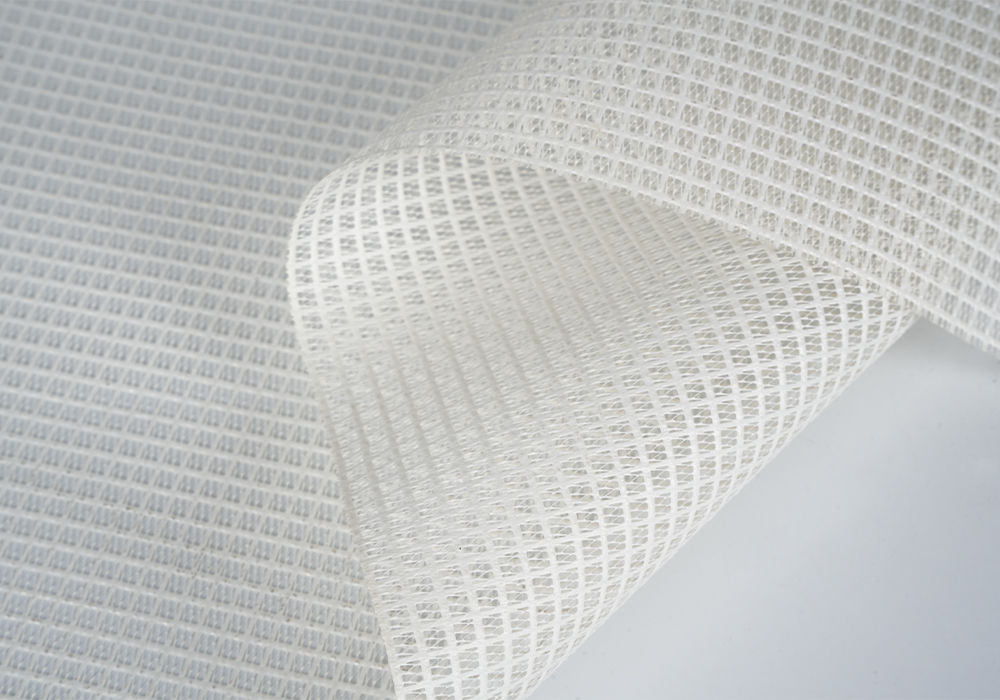 Breathable Wind Resistant Mesh Tarpaulin for Advertising
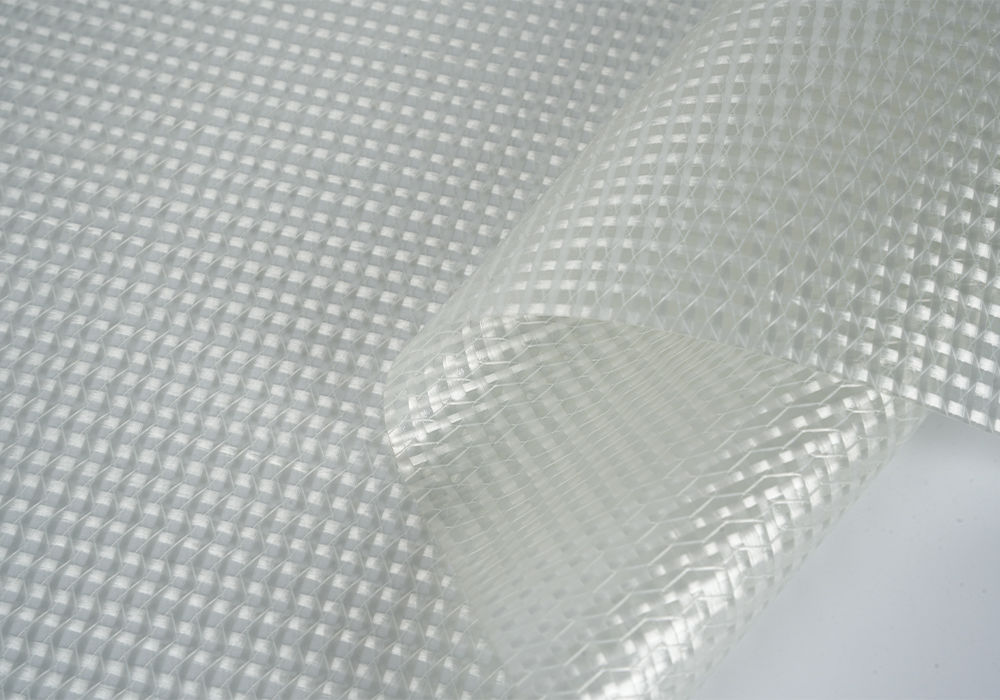 Medium Thick Clear High Strength Tarpaulin For Medical Isolation
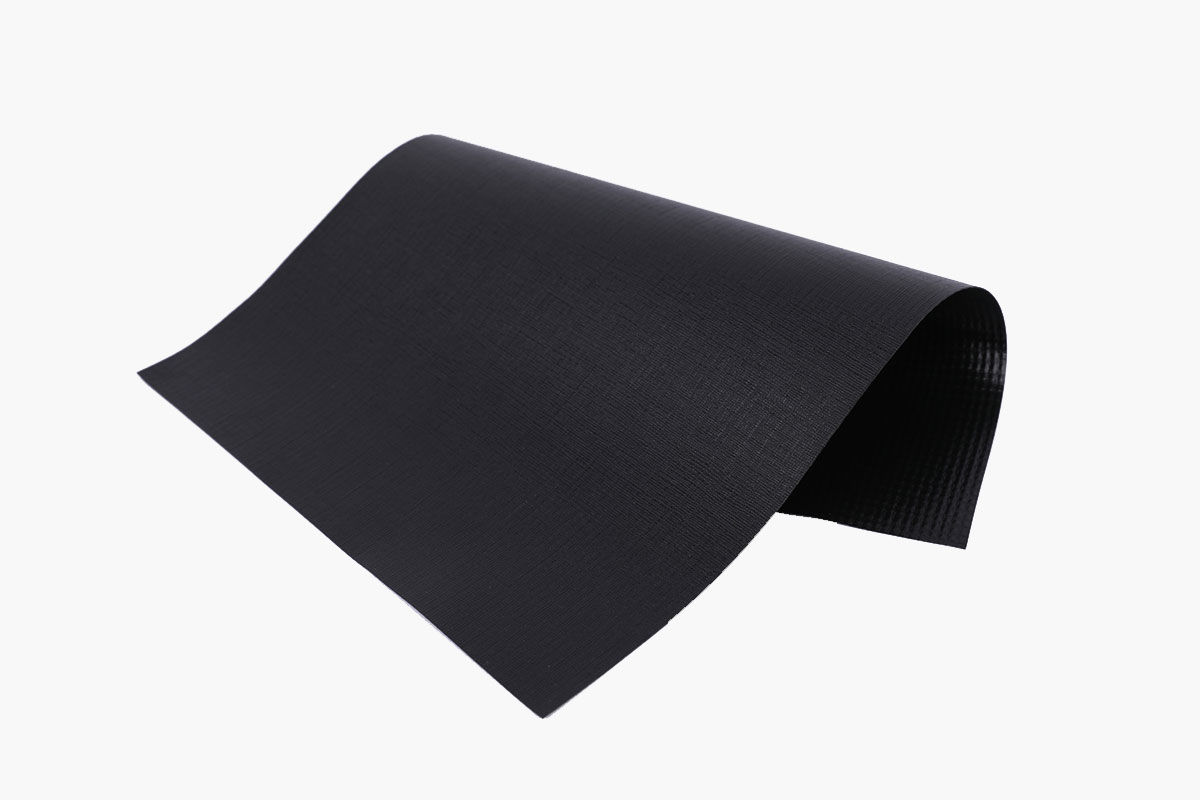 Heavy-Duty High-Performance Camouflage-Printed Tarpaulin
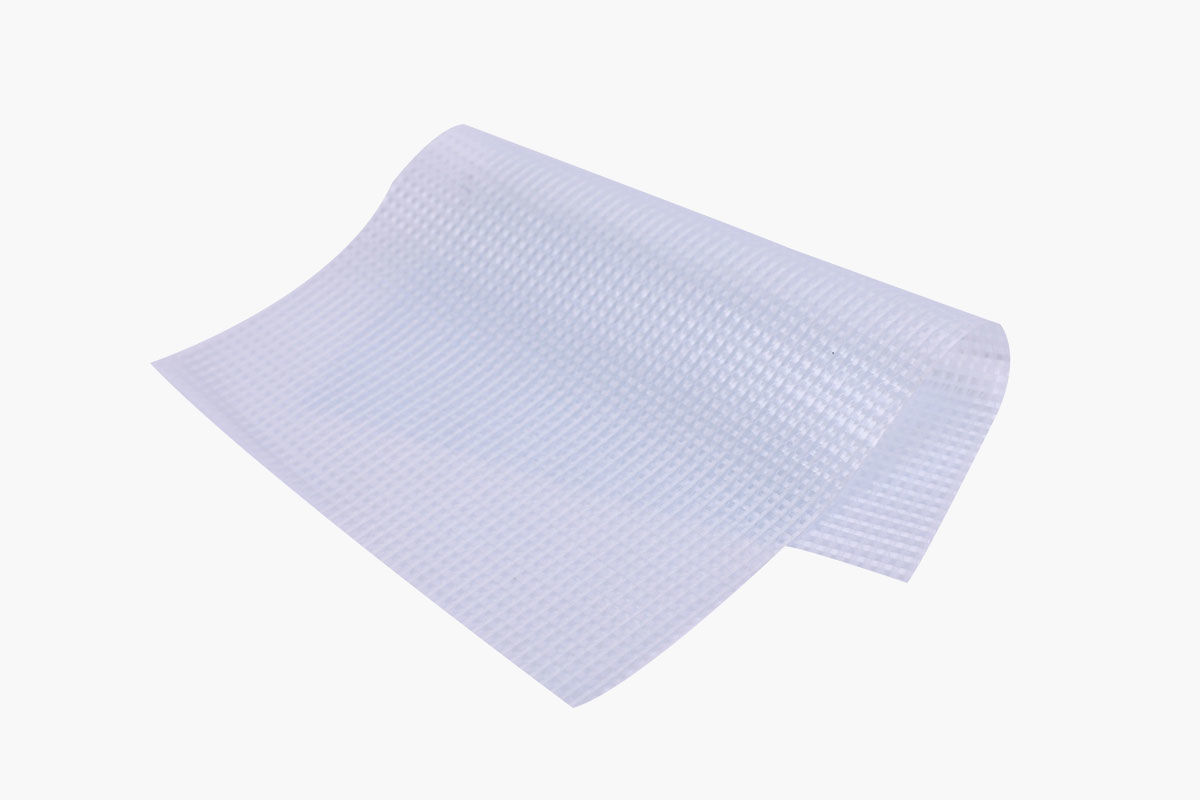 Industrial-Grade Reinforced UV-Resistant Clear Tarpaulin
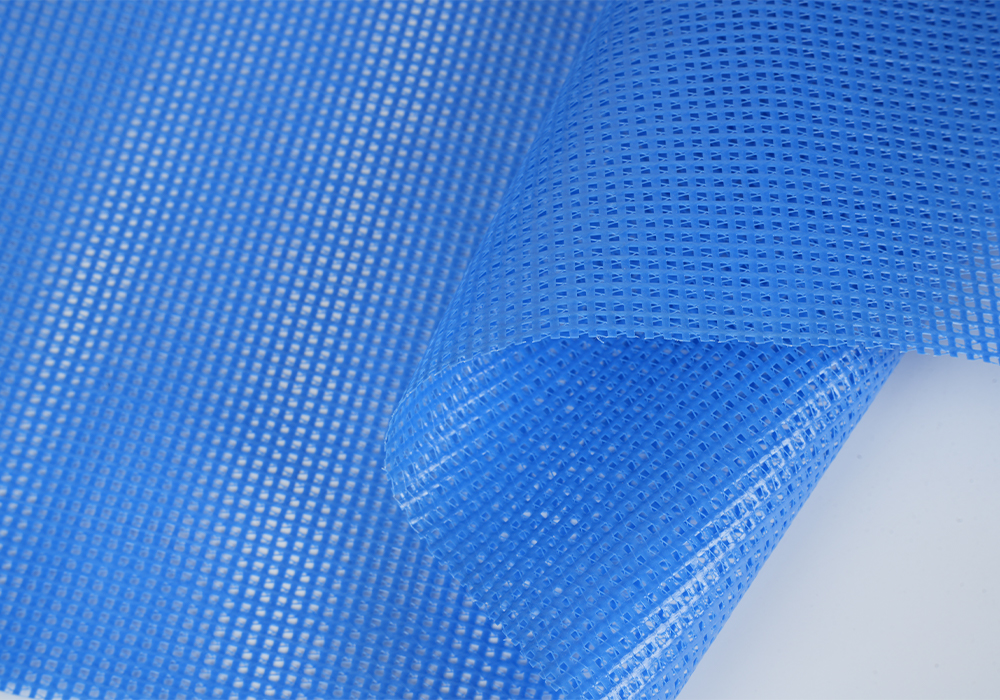 High Tensile Tear Proof Large Format Mesh Tarpaulin
 Custom Digital Printing Fabric Manufacturers

 Previous