

 English
 中文简体
 Español
News
Home / Author / Dai Shuying — Technical Customer Support Manager / Tear-Resistant Large Outdoor Flex Banner Print Cloth for Demanding Displays


Content
Large outdoor advertising installations require more than a printable surface. A banner used on a rooftop, mountain barrier, construction fence, stadium perimeter, or major event structure must withstand wind tension, repeated handling, ultraviolet exposure, temperature changes, and continuous mechanical stress. At the same time, it must remain flat, visually clear, and practical to transport and install. The tear-resistant large outdoor flex banner print cloth described in this article is designed to meet those requirements through a reinforced woven construction, a stable internal structure, and a weather-resistant printable coating.
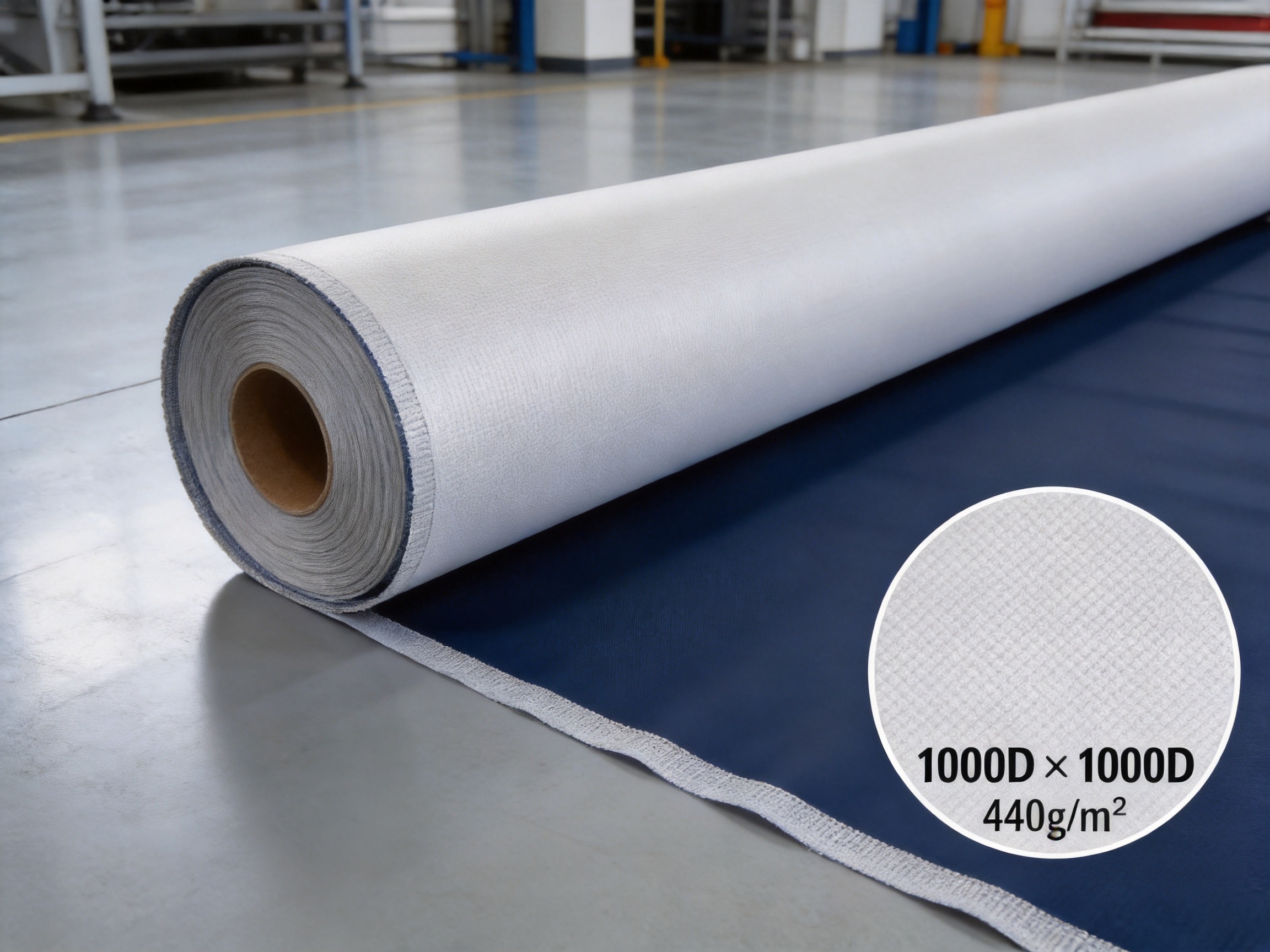
Built with a 1000D × 1000D, 16 × 16 heavy-duty woven base and a nominal weight of 440 grams per square meter, this flex banner material combines mechanical strength with the flexibility required for oversized graphics. Its reported tensile strength reaches 1,800/1,600 N per 5 centimeters, while tearing strength reaches 300/280 N. Adhesion is rated at 60 N per 5 centimeters. These specifications make the material suitable for demanding large-format applications where ordinary lightweight banner cloth may be vulnerable to edge damage, deformation, premature aging, or wind-related failure.
The material is manufactured by Haining Taiwei New Material Co., Ltd., a China-based producer of PVC films, digital printing fabrics, tarpaulin films, frontlit and backlit materials, mesh products, double-sided printing fabrics, and other light box cloth materials. The company combines large-scale production capacity with calendering equipment, multiple production lines, and professional bonding facilities. Its manufacturing background supports consistent production for customers requiring repeat orders, custom specifications, export packaging, and reliable supply.
Outdoor banners are exposed to conditions that do not exist in indoor display environments. Wind creates continuous pulling forces across the fabric and concentrated stress at hems, eyelets, welds, seams, and mounting points. When the banner is oversized, the force is distributed across a much larger surface, increasing the possibility of sagging, bulging, edge curling, or localized tearing. Sudden gusts can be even more damaging because the banner may experience rapid tension changes rather than a steady load.
Temperature variation also affects outdoor display materials. A banner can become hot under direct sunlight, cool rapidly after sunset, and experience repeated expansion and contraction during its service period. Moisture, dust, abrasion from installation hardware, and contact with supporting structures create additional wear. If the material is not sufficiently stable, the printed face may wrinkle or lose its professional appearance even when the graphic itself remains readable.
Large-format printing introduces another set of requirements. A printable banner must accept ink evenly, preserve color contrast, and maintain a smooth visual surface. The base cloth must be strong enough for installation but flexible enough to pass through printing and finishing equipment. It should also be capable of being rolled for transport, because rigid packaging for very large graphics is expensive and difficult to handle.
The 1000D × 1000D woven construction addresses the mechanical side of this challenge. The denier designation indicates the use of heavy-duty yarns in both principal directions of the fabric. The 16 × 16 construction refers to the woven density, contributing to a stable and closely structured base. Together, these characteristics help the material resist stretching, tearing, and deformation when subjected to outdoor tension.
The product is a flex banner print cloth intended for large-scale digital printing and outdoor display. Its construction is based on a reinforced woven substrate covered with a printable, weather-resistant surface layer. The combination is intended to provide a balance between strength, print performance, flexibility, and outdoor durability.
| Item | Specification | Practical Significance |
| Product type | Large outdoor flex banner print cloth | Designed for large-format outdoor graphics and advertising installations |
| Woven base | 1000D × 1000D | Heavy-duty yarn construction for improved mechanical strength |
| Woven density | 16 × 16 | Stable fabric structure that supports dimensional consistency |
| Nominal weight | 440 g/m² | Substantial body for demanding outdoor applications without becoming rigid |
| Tensile strength | 1,800/1,600 N per 5 cm | Strong resistance to pulling forces in the two principal directions |
| Tearing strength | 300/280 N | Improved resistance to localized rips and installation-related damage |
| Adhesion | 60 N per 5 cm | Supports reliable bonding between the material layers |
| Surface performance | Weather-resistant topcoat | Helps slow ultraviolet fading and material aging |
| Handling format | Flexible and rollable | Facilitates transportation and installation of oversized graphics |
Technical values should always be interpreted together with the intended application, printing method, finishing design, installation system, and local environmental conditions. In practice, the performance of a finished banner also depends on correct hemming, reinforcement, spacing of eyelets, adequate mounting hardware, suitable tension, and professional installation.
The most important advantage of this flex banner is its emphasis on resistance to wind and tearing. Large outdoor banners frequently fail at their weakest points rather than across the center of the fabric. These weak points may include cut edges, mounting holes, corners, seams, or areas that have been repeatedly pulled during installation. A reinforced woven base provides a stronger foundation for the finished product and helps reduce the likelihood that a small defect will rapidly develop into a larger rip.
The 1000D × 1000D specification is particularly relevant for applications exposed to substantial wind tension. Heavier yarns create a more robust load-bearing network than lighter constructions commonly used for short-term or less demanding displays. The 16 × 16 weave further contributes to a stable structure by creating a dense, regular arrangement of yarns. This construction is intended to distribute stress across the material instead of allowing it to concentrate too quickly in one area.
With tensile strength listed at 1,800 N in one direction and 1,600 N in the other, the material offers substantial resistance to direct pulling forces. Its tearing strength of 300/280 N is also important because outdoor damage often begins with a small cut, puncture, or edge defect. A high tearing resistance can help slow the progression of such damage, giving installers and operators more opportunity to identify and repair a problem before the entire display is compromised.
Compared with lighter flex banner products designed mainly for short-term campaigns, a heavy-duty 440 g/m² construction offers a more appropriate safety margin for large installations. It is better suited to situations where the banner cannot be easily accessed for frequent replacement or where failure could create additional labor, equipment, and reputational costs. This is especially important for rooftop advertising, elevated structures, roadside barriers, and large event sites.
Material strength does not eliminate the need for proper engineering. A banner should be correctly sized for its support structure, and the mounting system should account for prevailing wind, exposure height, local weather, and the size of the printed area. Nevertheless, choosing a reinforced base is a critical first step in reducing material-related risk.
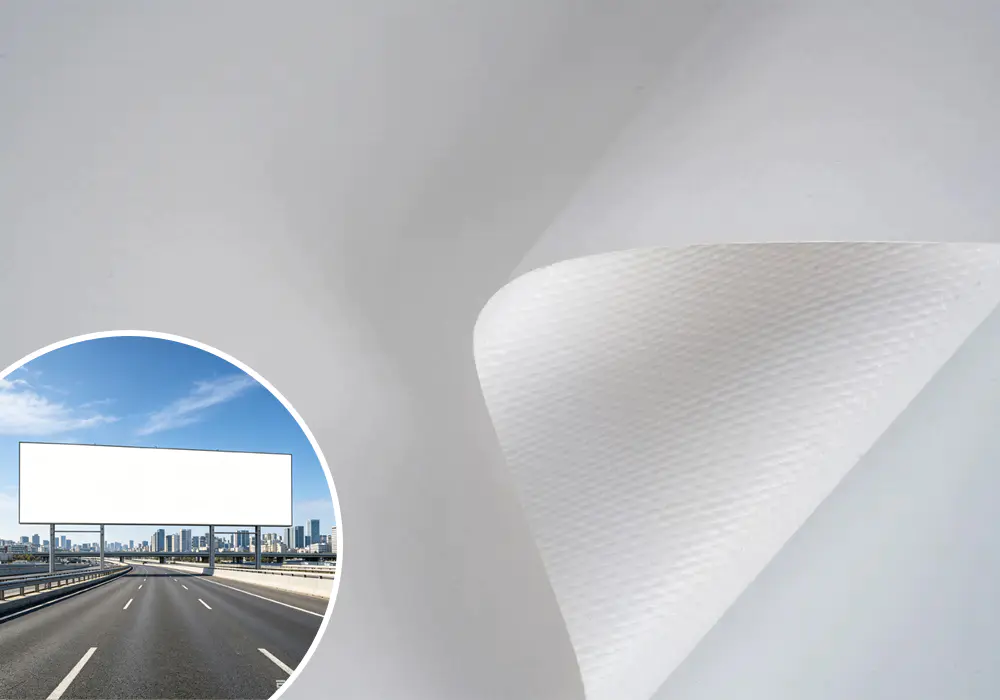
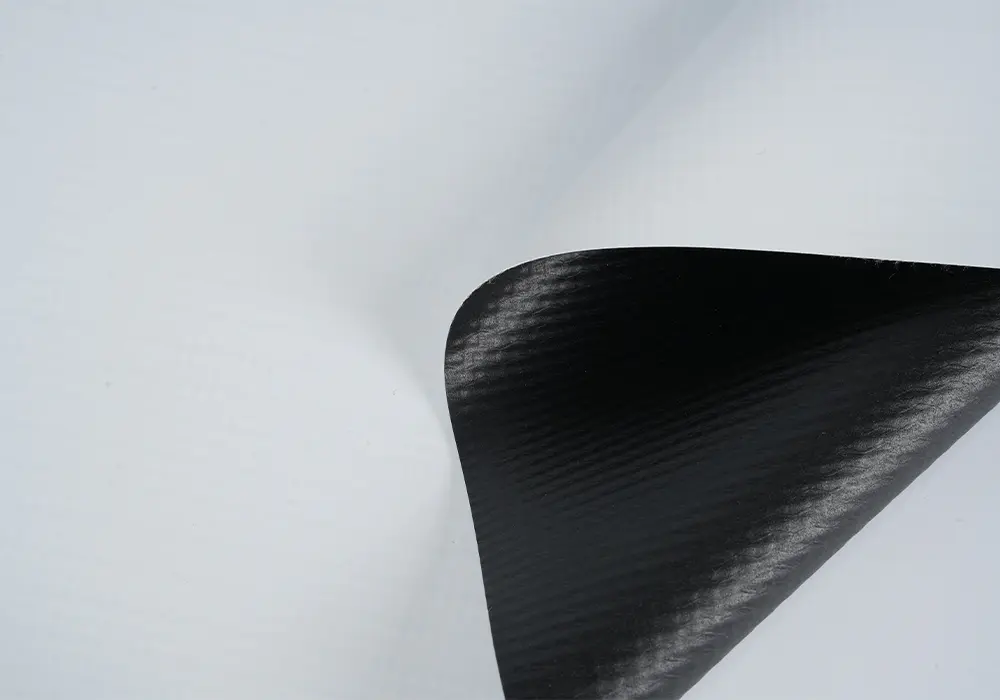
Tear Resistant Large Outdoor Flex Banner Print Cloth
For an outdoor banner, structural stability directly affects visual quality. A graphic that is technically printed in high resolution can still appear unprofessional if the substrate develops waves, central bulges, loose sections, or curled edges. Uneven tension may distort logos, text, product images, and color blocks. Reflections from an irregular surface can also make parts of the printed message difficult to view from a distance.
The flex banner’s stable internal structure is designed to distribute tension across oversized displays. This helps reduce the possibility of middle sagging and bulging after installation. When the fabric is properly finished and mounted, the woven base can support a more even surface, enabling the graphic to maintain a clean and professional appearance throughout the campaign.
Edge curling is another common concern in outdoor graphics. Curling may occur when the surface layers and base respond differently to temperature, tension, moisture, or handling. It can become particularly visible around hems and corners, where the banner is attached to a frame or support cable. A stable substrate combined with suitable finishing techniques helps minimize this effect and reduces the need for repeated adjustment.
Flatness is valuable not only for appearance but also for operational efficiency. When a banner remains stable, installers spend less time correcting waves, repositioning attachment points, or adding temporary supports. Advertising agencies and property owners can reduce maintenance callbacks, while event organizers can maintain a consistent visual presentation across the display period.
The material’s performance is especially relevant for very wide or tall banners. Oversized graphics amplify small differences in tension. A minor amount of slack that is hardly visible on a small banner may become a pronounced bulge on a large one. A reinforced, dimensionally stable fabric is therefore a practical choice for projects where the final visual field is large and viewed from a distance.
Outdoor advertising materials must retain useful performance despite exposure to sunlight, moisture, dirt, wind, and changing temperatures. The weather-resistant topcoat on this flex banner is intended to slow ultraviolet-induced fading and material aging. It helps protect the printed appearance during prolonged outdoor placement, supporting the use of the fabric for multi-season campaigns and long-running promotional programs.
Ultraviolet radiation can gradually break down surface layers, weaken visual contrast, and accelerate the aging of polymer-based materials. A suitable topcoat creates an additional protective barrier between the outdoor environment and the underlying material. While no printed fabric remains completely unaffected by intense sunlight indefinitely, a weather-resistant surface can help extend the period during which the banner retains a clear and attractive appearance.
Moisture resistance is also important for outdoor use. Rain and humidity can affect the surface, seams, edges, and mounting points. The overall performance of a finished banner depends on how well those areas are sealed and finished. Professional welding, bonding, hemming, and edge reinforcement should be selected according to the expected exposure and the installation method.
The material is suitable for campaigns where a stable appearance is required for an extended period. Examples include permanent or semi-permanent billboards, construction-site advertising, venue branding, commercial building wraps, roadside promotional barriers, and seasonal event graphics. For each project, buyers should confirm the expected service period, ink system, climate, cleaning requirements, and warranty conditions with the supplier.
In regions with severe weather, the material should be incorporated into a complete display system rather than treated as an isolated component. A durable substrate, UV-resistant ink, appropriate edge reinforcement, corrosion-resistant hardware, and correctly designed supports work together to determine real-world service life.
A banner substrate must do more than withstand physical stress. It must also provide a suitable surface for digital printing. The weather-resistant topcoat is designed to support clear, high-contrast, and vibrant graphics when processed using compatible printing equipment and inks. This makes the material appropriate for advertising messages that need to remain legible from a distance.
Large outdoor graphics often contain bold typography, brand colors, photographic images, directional information, and promotional offers. The substrate should allow ink to form an even image without excessive visual irregularity. A consistent surface helps preserve solid color areas and improves the appearance of fine details. For backlit, frontlit, or specialized applications, buyers should verify whether the selected construction is optimized for the required light transmission and viewing conditions.
Before a full production run, printers should conduct a test on the actual material. The test can confirm color reproduction, drying behavior, ink adhesion, surface appearance, cutting performance, welding compatibility, and finishing results. It can also identify whether adjustments to ink limits, curing conditions, resolution, or print profiles are required.
Material handling is equally important. The banner should be stored in a clean, dry environment and protected from sharp objects, excessive pressure, and unnecessary folding. When transporting oversized printed graphics, rolling is generally preferable to folding because it helps reduce permanent creases and surface damage. The roll should be supported during movement, and the printed face should be protected according to the printing and finishing process.
The product’s flexibility supports roll transportation and on-site installation. This is a meaningful advantage over rigid display panels, which may require specialized transport, larger storage areas, or segmented assembly. Rollable material can be shipped efficiently to distant project locations and then installed after final site measurements have been confirmed.
Not all flex banners serve the same purpose. Lightweight products can be suitable for short campaigns, temporary indoor displays, small outdoor signs, or applications with limited wind exposure. However, they may not provide the same level of resistance to tearing, edge damage, and deformation as a reinforced 1000D × 1000D construction.
The first advantage of this product is its structural strength. A heavier woven base gives the finished banner greater resistance to pulling and localized damage. This is especially beneficial when the display is large, elevated, or difficult to access. A lower-weight material may reduce initial material cost, but the total project cost can increase if the banner requires more frequent replacement or repair.
The second advantage is dimensional stability. Large displays need a substrate that can support consistent tension over a broad area. The stable construction helps reduce middle bulges and edge curling, resulting in a more orderly presentation. This can provide a visible quality advantage over materials that become loose or distorted after long-term hanging.
The third advantage is a better balance between durability and handling. Some heavy outdoor materials are rigid, difficult to roll, or challenging to install around irregular structures. This flex banner is designed to remain flexible enough for transportation and on-site work while retaining a substantial mechanical profile. It therefore occupies a useful middle ground between lightweight temporary cloth and rigid panel systems.
The fourth advantage is outdoor visual retention. The weather-resistant topcoat helps slow fading and aging, supporting longer campaigns than materials intended only for brief exposure. When combined with suitable outdoor inks and proper installation, it can help agencies deliver more consistent graphics across multiple seasons.
The fifth advantage is suitability for industrial-scale procurement. The company’s multiple production lines and annual output of approximately 45 million square meters support the needs of distributors, printing companies, advertising contractors, and project buyers requiring repeatable supply. Consistency from roll to roll is particularly important when a campaign uses several connected panels or when replacement material must match an earlier production batch.
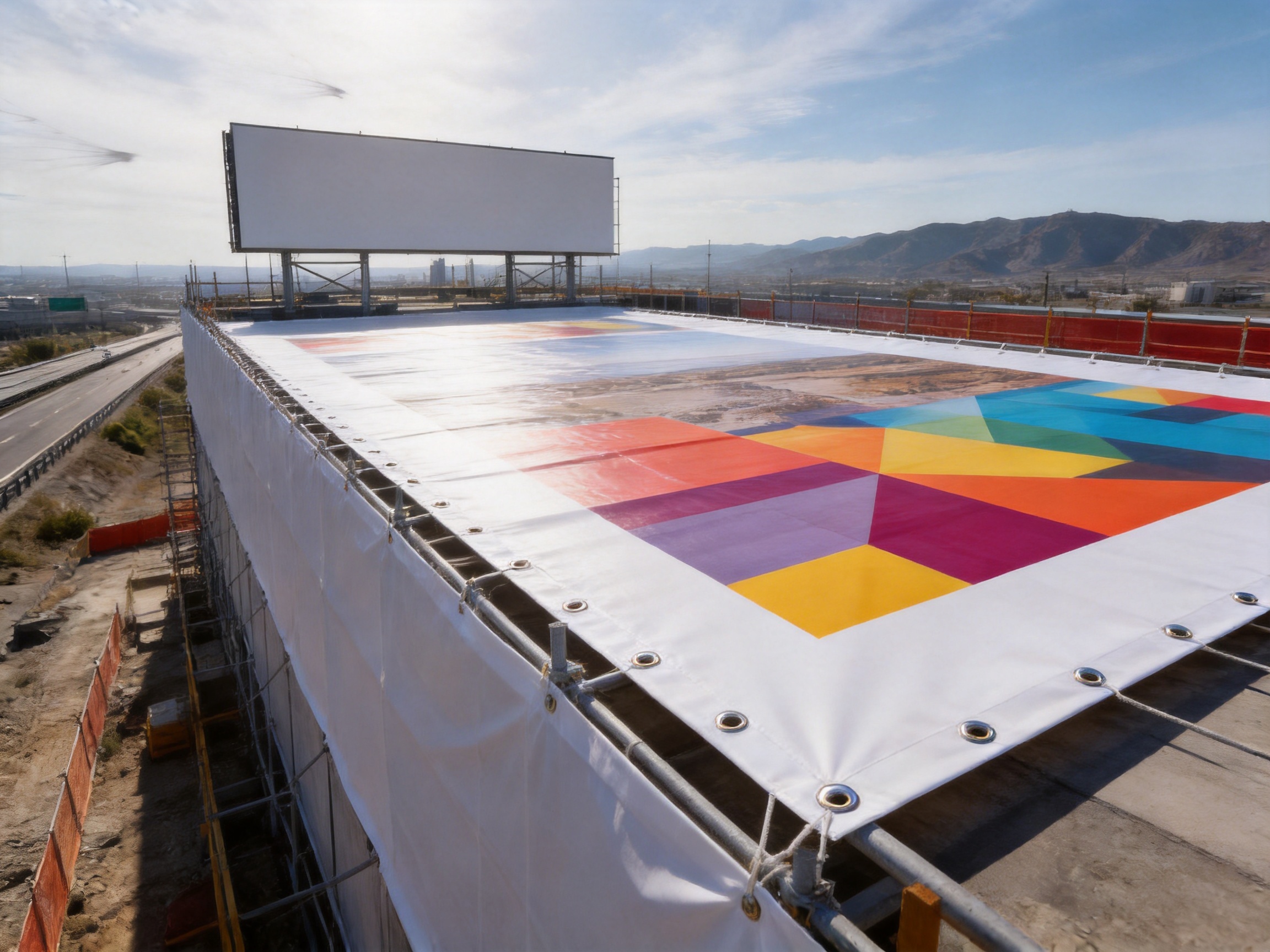
Rooftop billboards are exposed to elevated wind forces and are often difficult to reach after installation. A tear-resistant material is therefore valuable because it helps reduce the likelihood of sudden damage and minimizes the frequency of service visits. The anti-bulging structure also supports a cleaner appearance when the banner is viewed from streets, highways, or surrounding buildings.
Barriers positioned along mountain roads, highways, bridges, and exposed industrial areas may face strong gusts and continuous mechanical movement. A reinforced base is suitable for these demanding locations, provided that the support and fastening system is properly engineered. The material can carry large promotional graphics, public notices, directional messages, or project branding.
Sports events, festivals, exhibitions, concerts, and public celebrations often require banners that cover long fences, temporary structures, and venue boundaries. These graphics must be installed quickly, remain attractive throughout the event, and tolerate repeated handling during setup and dismantling. The flexible roll format simplifies transport, while the reinforced structure helps withstand the activity associated with temporary event sites.
Construction fences and building-development barriers provide valuable advertising space but are often exposed to dust, wind, sunlight, and frequent contact with tools or equipment. The tear-resistant fabric is appropriate for large project images, architectural renderings, safety messages, and property-development campaigns. Its ability to maintain a flat appearance can improve the overall impression of the site.
Commercial buildings may use large banners for promotions, seasonal campaigns, renovation announcements, or tenant branding. Industrial properties can also require durable graphics for facility identification and public communication. The weather-resistant surface and heavy-duty woven base help support longer display periods in open-air settings.
Roadside banners must remain readable while exposed to traffic-related dust, wind, and sunlight. A stable, high-strength material can help preserve the intended layout and reduce visual distortion. Proper contrast, font size, and finishing remain essential because motorists and pedestrians typically view these graphics from a moving distance.
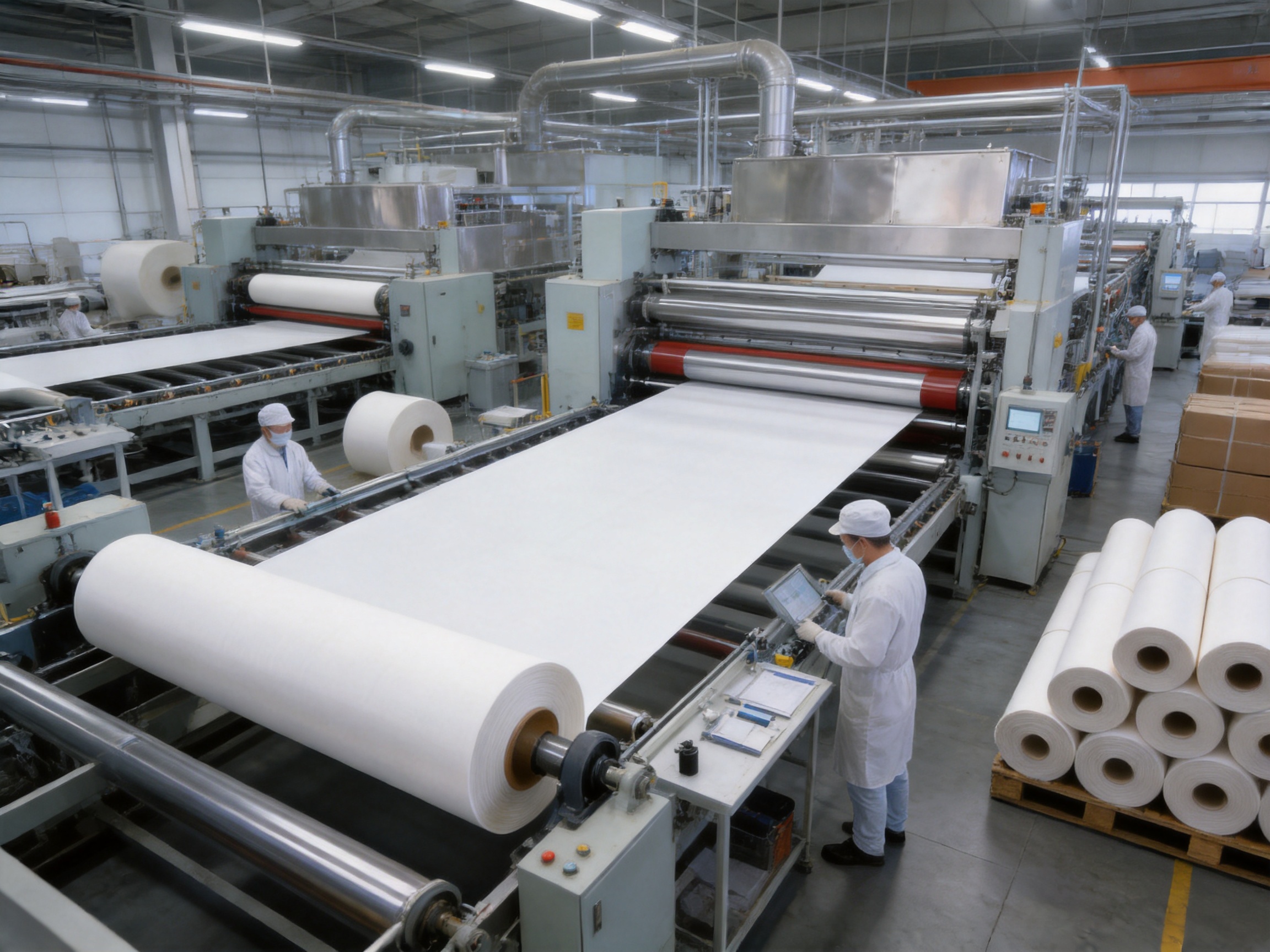
Haining Taiwei New Material Co., Ltd. was established in July 2010 and operates in Haining Dingqiao Industrial Park in Zhejiang Province, China. Its location provides convenient access to Shanghai and Ningbo ports, which is beneficial for export-oriented production and international logistics. The company’s product portfolio includes PVC films, digital printing fabrics, tarpaulin films, frontlit and backlit materials, mesh, double-sided printing fabrics, and other light box cloth products.
The company’s manufacturing capabilities include advanced calendering equipment, multiple production lines, and professional bonding facilities. These resources support the production of coated and laminated materials in substantial volumes. Calendering is an important process for polymer-based products because it can help form controlled film layers, manage thickness, and create consistent surfaces. Production conditions must be carefully controlled to maintain uniformity in appearance, weight, adhesion, and physical properties.
Professional bonding facilities are equally important for multi-layer materials. The bond between the woven base and surface layers affects the finished product’s durability, handling, and resistance to separation. The listed adhesion value of 60 N per 5 centimeters reflects the importance placed on layer integrity. Strong bonding helps the material remain functional during printing, finishing, transportation, installation, and outdoor service.
Multiple production lines provide flexibility for different constructions, widths, weights, coatings, and order volumes. This is useful for customers that purchase several categories of printable materials or require a combination of standard and customized products. It can also support better production scheduling when large quantities are needed within a defined delivery period.
The company reports an annual output of approximately 45 million square meters. This capacity is relevant to large distributors and international buyers because it indicates experience with continuous production and volume fulfillment. More than 98 percent of the company’s products are exported to Europe, America, the Middle East, Southeast Asia, and other regions. Export experience can support familiarity with international packaging, documentation, communication, and logistics requirements.
For large-format printing businesses, material consistency is often as important as individual roll performance. A small difference in coating, weight, surface texture, or color appearance can become noticeable when multiple panels are installed side by side. Consistent production helps printers maintain predictable machine settings, reduce setup waste, and deliver more uniform finished graphics.
Quality control should cover the woven base, coating thickness, total weight, tensile strength, tear resistance, adhesion, surface appearance, roll length, and packaging condition. It should also include visual inspection for pinholes, contamination, wrinkles, coating defects, uneven edges, and other irregularities that could affect printing or finishing.
Customers purchasing for professional projects may request pre-production samples, technical data sheets, test reports, and confirmation of the applicable production tolerances. Sample testing is useful because different printers use different equipment, ink systems, drying conditions, and finishing processes. A material that performs well on one production line should still be tested on the customer’s own equipment before a major order is released.
Batch identification and traceability can provide additional value. When rolls are labeled with production information, customers can organize inventory, identify material used for a specific project, and simplify future replenishment. For campaigns that may require replacement panels months later, clear production records can help support closer matching.
Because outdoor performance is influenced by the complete system, quality management should extend beyond the substrate. The printer, finisher, installer, and project manager should coordinate on ink selection, seam design, edge reinforcement, eyelet spacing, tensioning, cleaning, storage, and maintenance. A strong material is most effective when these other factors are also managed correctly.
Before printing, the roll should be inspected for damage, contamination, or abnormal tension. It should be acclimatized to the production environment where appropriate, especially when the material has been transported through substantially different temperatures or humidity levels. The printer should confirm the correct media profile and use compatible inks recommended for the surface.
Printing conditions should be adjusted to achieve sufficient color density without creating excessive ink accumulation. Inadequate drying or curing may reduce adhesion and cause blocking when the printed material is rolled. Excessive heat, on the other hand, may affect dimensional stability. Controlled testing helps establish the appropriate balance for the specific printer and ink system.
For oversized banners, edge reinforcement is strongly recommended. Hemming, welding, bonding, or the use of reinforcement tapes can strengthen the perimeter and provide more reliable attachment points. Eyelets should be installed with suitable spacing and should not be placed too close to the edge. Corners may require additional reinforcement because they often receive concentrated loads during installation.
When joining panels, the finishing method should be selected according to the expected load and exposure. Professional welding or bonding can create a more continuous connection than simple overlapping. The seam should be tested before the completed banner is installed, particularly when the graphic will be exposed to strong wind or placed in a high-access-cost location.
During installation, the banner should be tensioned evenly without excessive stretching. Over-tensioning can place unnecessary force on eyelets, hems, seams, and supporting structures. Under-tensioning can produce folds, pockets, and wind movement. A balanced installation allows the material’s stable structure to work as intended and helps preserve a flat visual surface.
The rollable format is a practical advantage for large outdoor graphics. Rolls occupy less space than rigid panels and can be loaded into standard logistics systems more efficiently. However, the material should be protected against crushing, sharp edges, water intrusion, and contamination during transport. Heavy rolls should be lifted with suitable equipment to prevent deformation and injury.
Printed graphics should generally be rolled rather than sharply folded. A protective interleaf or outer covering may be used where appropriate to prevent surface-to-surface contact, scuffing, or blocking. Rolls should be stored horizontally or in another supported arrangement recommended by the supplier, avoiding conditions that could cause the core to collapse or the material to telescope.
Storage areas should be dry, clean, and protected from direct sunlight. Excessive heat can affect the surface and adhesive behavior, while moisture and dust may complicate printing and finishing. If a roll has been stored for an extended period, it should be inspected and tested before use, particularly when the application is high-risk or long-term.
During installation, workers should avoid dragging the material across rough concrete, metal edges, or contaminated surfaces. Even a highly tear-resistant fabric can be damaged by sharp abrasion. Protective gloves, clean work surfaces, and organized handling procedures can help preserve the printed face and finished edges.
The purchase price of banner material is only one part of the total cost of an outdoor display. Designers, printers, installers, equipment operators, transport providers, maintenance teams, and site owners all contribute to the final project expense. A material that reduces reprinting, service visits, replacement panels, and installation delays can offer stronger overall value than a lower-priced product with limited durability.
The reinforced construction can help reduce the risk of early tearing and wind-related damage. The stable structure can reduce the time spent correcting bulges and curls. The weather-resistant topcoat can help preserve the printed appearance during longer campaigns. The rollable format can simplify transportation and handling. These benefits can combine to lower operational costs, especially for large displays that are expensive or dangerous to access after installation.
For advertising agencies, material reliability also protects client relationships. A banner that remains flat, clear, and intact reflects positively on the agency’s planning and execution. For property owners, a durable display reduces the likelihood of unscheduled maintenance. For event organizers, dependable graphics help maintain a professional environment throughout the event period.
The best material selection therefore considers the installation’s risk profile rather than only the initial quotation. If a banner will be placed at height, in a windy region, over a long period, or in a location where service access is difficult, a heavy-duty flex banner may be the more economical option over the full project lifecycle.
Buyers should begin by defining the application. Important questions include the final banner dimensions, expected display period, installation height, local wind conditions, mounting method, viewing distance, lighting environment, and required print quality. A small temporary banner and a multi-season rooftop billboard should not be specified in the same way.
The next step is to confirm technical compatibility. The printer should verify that the material can run smoothly through the available equipment and that the selected ink system provides adequate outdoor performance. The finishing department should confirm that the material is suitable for hemming, welding, bonding, eyeleting, or other required processes.
Buyers should also request samples before placing a large order. Sample testing should examine print quality, surface appearance, drying, color reproduction, tensile behavior, tear resistance, adhesion, welding response, and finished edge strength. A small sample can reveal process issues that would otherwise lead to significant waste during full production.
For repeat projects, buyers may wish to establish a written product specification. This can include the nominal weight, yarn construction, weave density, width, physical properties, surface finish, packaging method, acceptable tolerances, and inspection procedures. A defined specification helps maintain consistency across multiple orders and production periods.
| Buyer consideration | Why it matters | Recommended action |
| Display size | Large surfaces amplify tension and deformation | Select a stable construction and plan reinforcement carefully |
| Wind exposure | Gusts can stress edges, seams, and mounting points | Use heavy-duty material and engineer the support system |
| Campaign duration | Longer exposure increases UV and weather effects | Choose a weather-resistant topcoat and outdoor-rated inks |
| Printing process | Different equipment and inks require different settings | Run a compatibility test before full production |
| Finishing method | Weak edges can undermine a strong base cloth | Use professional hems, seams, welding, bonding, and eyelets |
| Logistics | Oversized graphics can be expensive to transport | Use the rollable format and protect rolls during shipment |
| Replacement planning | Future matching may be required | Keep batch information and approved samples on record |
The company’s broader product portfolio includes materials described as cold-resistant, flame-retardant, UV-resistant, antistatic, mildew-proof, and antibacterial. The availability of these characteristics depends on the specific product construction and should be confirmed for each order. Customers with specialized requirements should identify the necessary performance properties before quotation and request the corresponding technical documentation.
Cold resistance may be important for installations exposed to winter climates or rapid temperature changes. Flame-retardant performance may be required for event venues, public facilities, transportation hubs, or specific building regulations. Antistatic, mildew-proof, and antibacterial features may be relevant to particular indoor or semi-outdoor applications. These properties should not be assumed solely from the product category; they should be verified for the exact grade selected.
Responsible material selection also involves reducing unnecessary replacement. A banner that remains functional for a longer campaign can reduce the consumption of substrate, ink, labor, packaging, and transport resources associated with repeated production. At the end of its service life, disposal or recycling options should be considered in accordance with local regulations and the material composition.
Haining Taiwei New Material Co., Ltd. offers several characteristics that can be valuable to international buyers. Its operation has more than a decade of industry experience, a broad product range, substantial annual production capacity, export exposure, and access to professional production equipment. These strengths support customers that want to source multiple printable and coated materials from one manufacturing partner.
The company’s location in Haining provides access to established industrial infrastructure and international shipping routes through nearby Shanghai and Ningbo ports. Efficient port access can simplify export planning and help support regular container shipments. For buyers managing regional distribution, project schedules, or seasonal campaigns, reliable logistics can be as important as the material specification itself.
The product range also creates opportunities for coordinated sourcing. A printing company may require heavy-duty outdoor flex banner, mesh, backlit material, frontlit media, PVC film, and tarpaulin products for different clients. Working with a supplier that manufactures several related categories can reduce the complexity of supplier qualification, technical communication, and order management.
The company states that it serves markets in Europe, America, the Middle East, Southeast Asia, and other regions. This international orientation can be useful for customers that need export packaging, production communication, and documentation suitable for cross-border business. As with any supplier relationship, buyers should confirm current certifications, testing records, lead times, payment terms, packaging details, and quality procedures for the specific order.
Before installation, the supporting frame or structure should be checked for sharp projections, corrosion, loose components, and insufficient load capacity. The banner should be measured against the prepared area, and all mounting points should be inspected. Any damage found during unpacking should be documented before the material is installed.
Installation teams should use evenly distributed attachment points. The distance between eyelets or other fasteners should be selected according to the banner size and expected wind load. Concentrating too much force at a few points can cause localized stress even when the substrate itself has high tensile and tear strength.
After installation, the banner should be checked for wrinkles, loose areas, over-tensioned corners, and contact with abrasive structures. A follow-up inspection after the first period of strong wind can reveal whether adjustments are needed. Periodic inspections are particularly important for rooftop and elevated installations where minor damage can progress if ignored.
Cleaning should be performed with methods compatible with the printed surface. Loose dirt can often be removed with gentle rinsing or a soft cloth, but harsh chemicals, abrasive brushes, and high-pressure cleaning may damage the coating or graphic. Cleaning procedures should be tested in an inconspicuous area before being applied across the full banner.
It is designed for large-scale outdoor digital printing applications that require high tear resistance, strong tensile performance, stable flatness, flexibility, and improved resistance to weather-related fading and aging.
It identifies the heavy-duty yarn construction used in the woven base, with 1000-denier yarns in the principal warp and weft directions. This construction supports the material’s mechanical strength and resistance to deformation.
It refers to the woven density of the base fabric. The regular woven structure contributes to dimensional stability and helps distribute tension across the banner.
Yes, it is intended for demanding outdoor applications such as rooftop billboards, provided that the support frame, edge reinforcement, fastening system, and installation design are appropriate for the site’s wind and structural conditions.
Yes. Its rollable format supports transportation and on-site installation, while its reinforced base is suitable for large event graphics, venue branding, perimeter banners, and temporary outdoor structures.
The heavy-duty woven base and listed tearing strength help resist the spread of localized damage. Proper finishing is still essential because seams, corners, eyelets, and cut edges can become stress concentration points.
No material can eliminate all wind-related risk. Performance depends on banner size, mounting design, site exposure, weather conditions, edge reinforcement, fastener spacing, and installation quality. The reinforced construction is intended to provide a stronger foundation for demanding applications.
Uneven tension, insufficient support, temperature changes, differences between material layers, poor finishing, and incorrect installation can contribute to bulging or curling. The product’s stable internal structure is designed to reduce these effects when the banner is properly produced and mounted.
Yes. Its flexibility enables roll transportation, which is practical for oversized graphics. Rolls should be protected from crushing, sharp objects, moisture, excessive heat, and contamination during storage and shipping.
Printers should test color reproduction, ink adhesion, drying or curing, surface appearance, media feeding, cutting, welding or bonding compatibility, and finished edge strength. Testing should be performed with the actual printer and ink system whenever possible.
It is designed for prolonged outdoor placement and includes a weather-resistant topcoat intended to slow UV-induced fading and aging. The actual service period depends on climate, sunlight intensity, ink selection, installation, maintenance, and project conditions.
Depending on the project, suitable methods may include reinforced hems, professional welding, bonding, edge tapes, and correctly spaced eyelets. The finishing design should match the banner size and environmental exposure.
Its 1000D × 1000D, 16 × 16 woven base and 440 g/m² nominal weight provide a more substantial structure than many lightweight materials. It is intended for higher mechanical demands, larger displays, and applications where service access or replacement is costly.
Buyers should request samples, technical specifications, production tolerances, test information, packaging details, lead time, and confirmation of compatibility with their printing and finishing processes. A written product specification is useful for repeat orders.
The company operates advanced calendering equipment, multiple production lines, and professional bonding facilities. These resources support the manufacture of PVC films, digital printing fabrics, tarpaulin films, frontlit and backlit materials, mesh, and related products.
Haining Taiwei New Material Co., Ltd. is located at No. 20-1, Fenghuang Road, Qianjiang Industrial Park, Dingqiao Town, Haining City, Zhejiang Province, China. Its location provides access to the Shanghai and Ningbo port regions.
The tear-resistant large outdoor flex banner print cloth is engineered for projects where strength, flatness, weather resistance, and efficient handling must work together. Its 1000D × 1000D, 16 × 16 reinforced woven base, 440 g/m² nominal weight, tensile strength of 1,800/1,600 N per 5 centimeters, tearing strength of 300/280 N, and adhesion value of 60 N per 5 centimeters provide a strong technical foundation for demanding outdoor displays.
The material’s key advantages include resistance to wind tension and localized tearing, a stable structure that helps reduce bulges and edge curling, a weather-resistant topcoat that supports longer visual retention, and flexibility for roll transportation and on-site installation. These features make it suitable for rooftop billboards, mountain barriers, highways, construction sites, commercial buildings, event venues, and other large-format outdoor applications.
Its performance is reinforced by the manufacturer’s production infrastructure. Haining Taiwei New Material Co., Ltd. has experience in coated and printable materials, advanced calendering equipment, multiple production lines, professional bonding facilities, substantial annual capacity, and established export activity. For printing companies, distributors, advertising agencies, and project contractors, this combination of product performance and manufacturing capability can support reliable sourcing for both standard and large-volume requirements.
As with every outdoor display material, the best results depend on correct printing, compatible inks, suitable finishing, adequate mounting, regular inspection, and proper maintenance. When those factors are managed as part of a complete system, this heavy-duty flex banner provides a dependable solution for clear, stable, and long-lasting outdoor visual communication.
1. Product technical information supplied for tear-resistant large outdoor flex banner print cloth, including construction, nominal weight, tensile strength, tearing strength, and adhesion values.
2. Manufacturer information for Haining Taiwei New Material Co., Ltd., including company history, product portfolio, manufacturing equipment, export markets, and annual production capacity.
3. General principles of woven textile construction, tensile strength, tear resistance, coating adhesion, and dimensional stability in coated flexible materials.
4. General outdoor digital printing practices covering media compatibility, ink adhesion, curing, surface preparation, finishing, transport, and installation.
5. General guidelines for large-format banner engineering, edge reinforcement, fastener placement, wind exposure, inspection, and maintenance.
Tear Resistant Large Outdoor Flex Banner Print Cloth
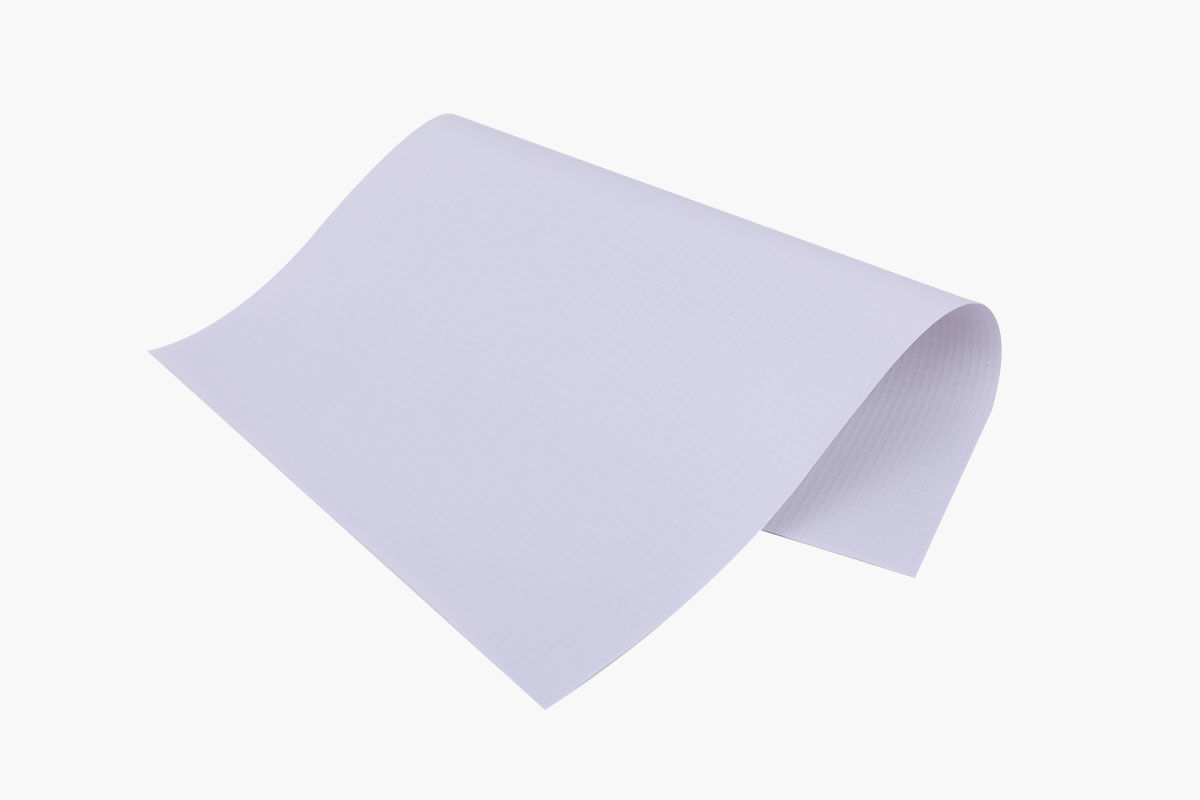 Large Format Transparent Lightweight inkjet cover Flex Banner
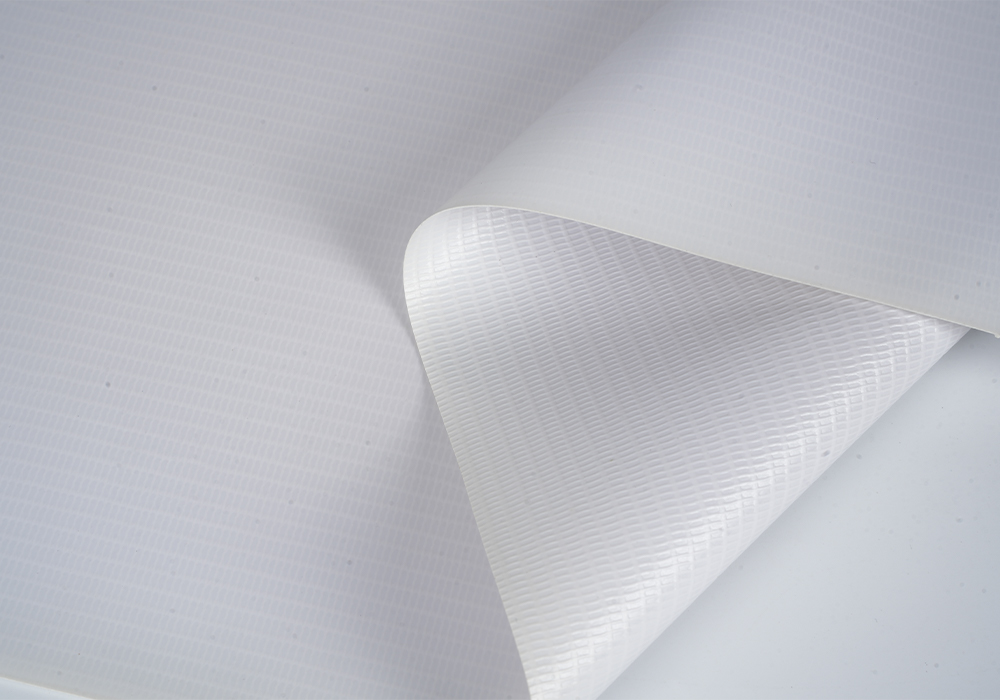 Thick Vivid Color Commercial Flex Banner Display Cloth
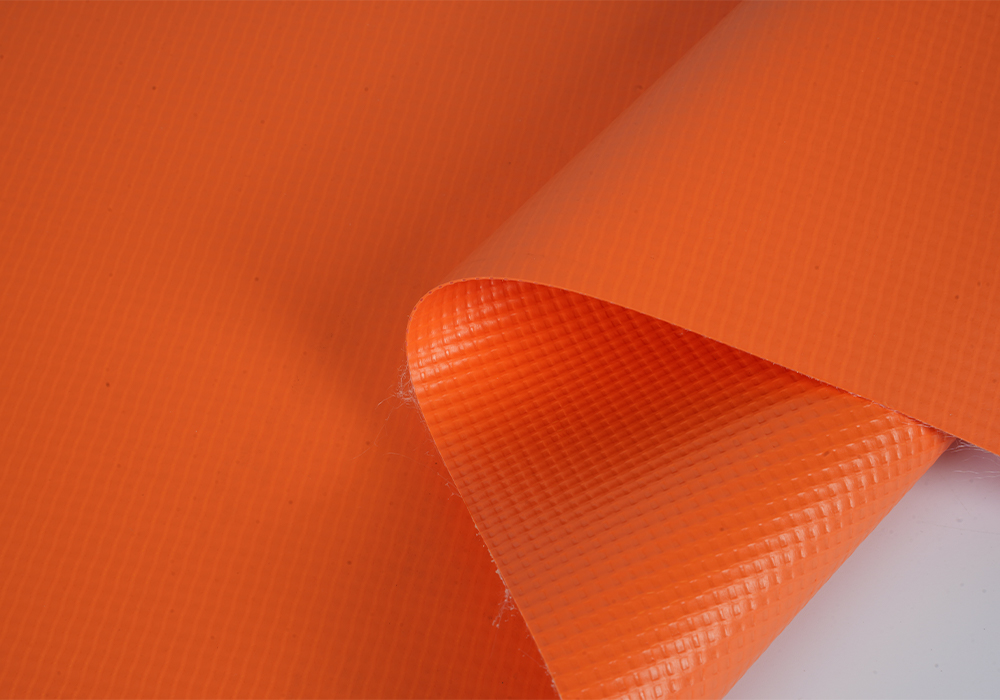 Flexible Wear Resistant PVC Tarpaulin For Luggage Bags
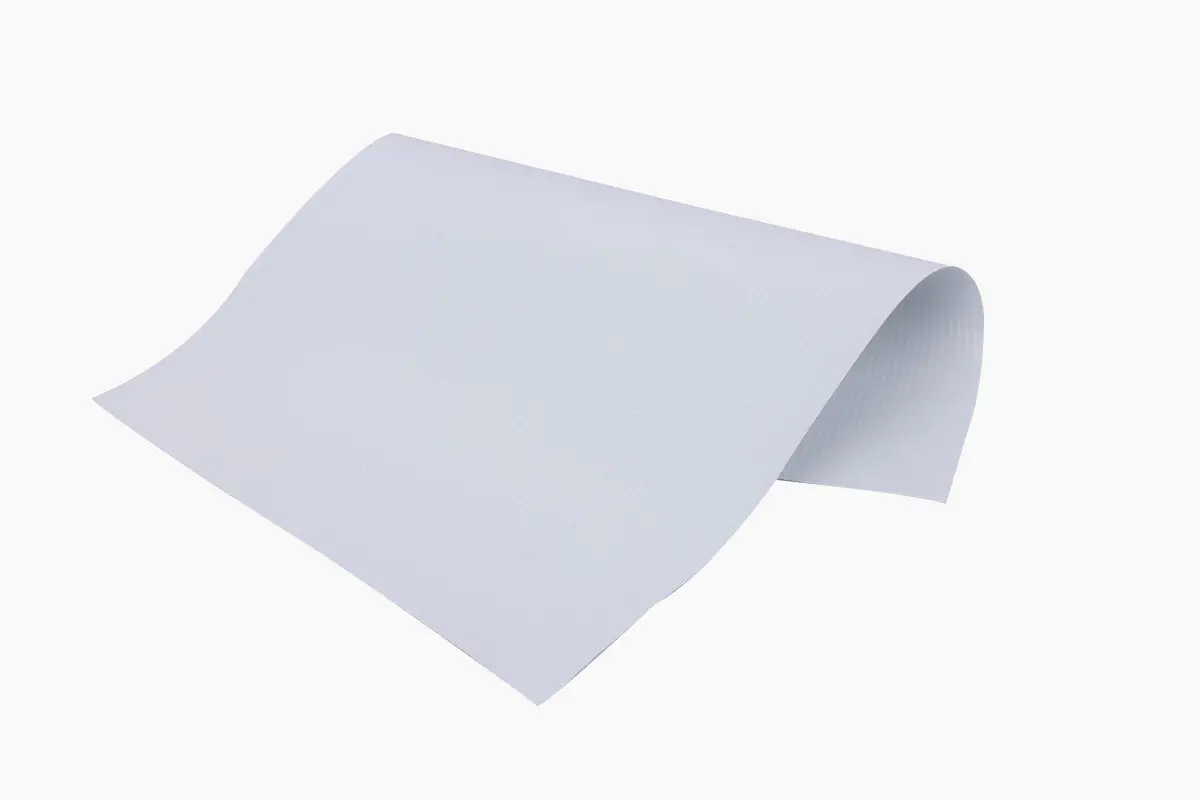 Reflective Outdoor Advertisement Flex Banner
 Blackback Light Block HD Printing Flex Banner Fabric
 Custom Digital Printing Fabric Manufacturers

 Previous