

 English
 中文简体
 Español
News
Home / Author / Luo Zhen — Product After-Sales Service Specialist / Heavy-Duty Printable UV-Block Tarpaulin for RV Awnings: Performance, Protection, and Manufacturing Excellence


Content
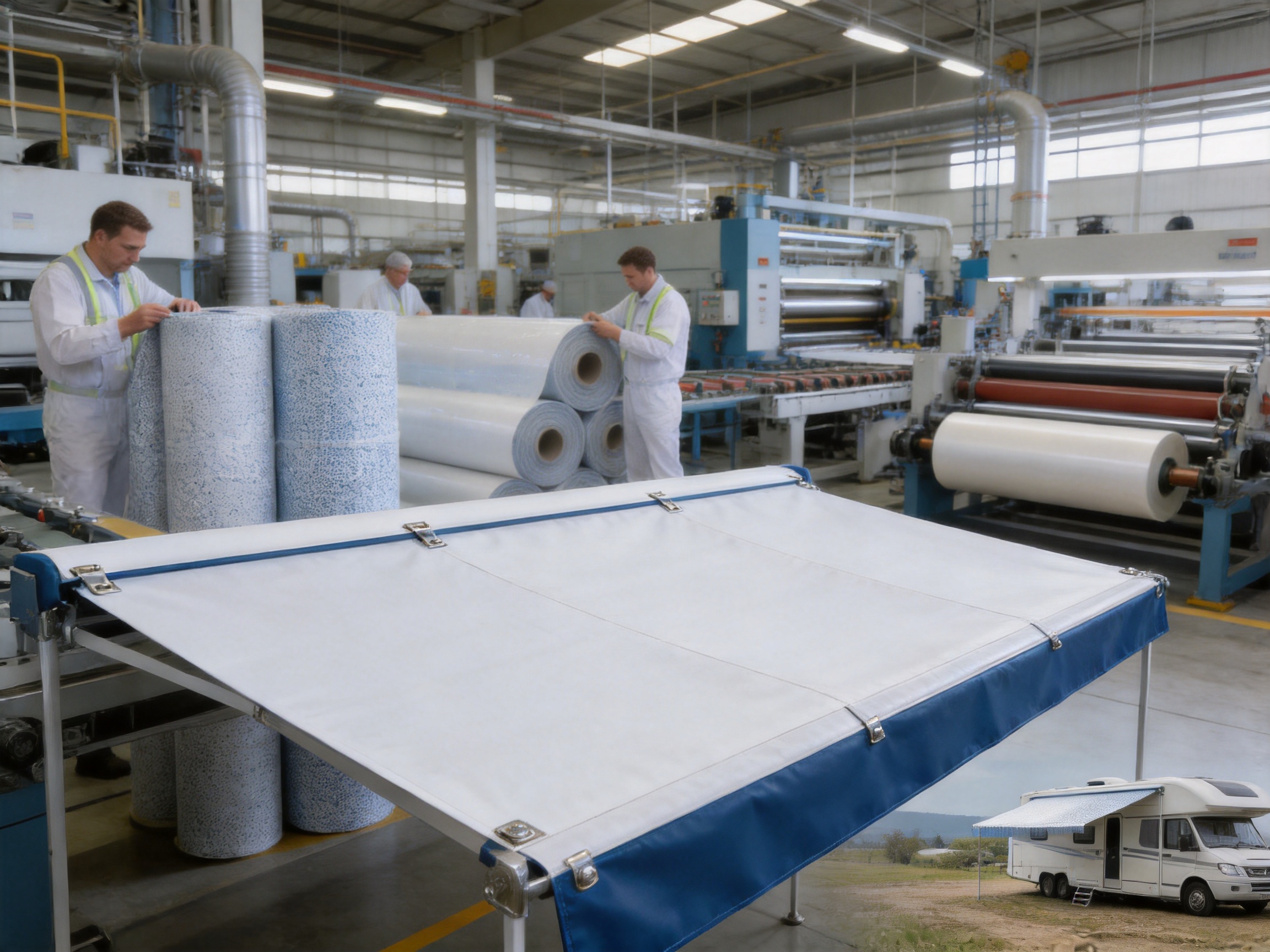
For recreational vehicle owners, an awning is more than a simple shade accessory. It is an outdoor living room, a protective extension of the vehicle, and a practical barrier against intense sunlight, rain, wind, dust, and changing temperatures. The fabric selected for an RV awning therefore has a direct effect on comfort, service life, appearance, and maintenance costs. A lightweight material may provide temporary shade, but it can lose strength, fade, stretch, or develop leaks when exposed to demanding outdoor conditions. A heavy-duty printable tarpaulin designed for RV awnings offers a more complete solution by combining structural strength, UV protection, waterproofing, printability, flexibility, and year-round weather resistance.
This 1000D × 1000D, 9 × 9, 460 gsm tarpaulin has been developed for motorhome awnings, trailer extensions, retractable shade systems, side curtains, and other outdoor applications that require a reliable coated textile. Its industrial-grade construction is intended to resist tearing and tensile stress while maintaining a flexible hand suitable for repeated rolling and deployment. At the same time, its printable surface supports custom graphics, fleet identification, promotional designs, and decorative patterns without sacrificing outdoor durability.
The material is manufactured by Haining Taiwei New Material Co., Ltd., a Chinese producer of PVC films, digital printing fabrics, tarpaulin films, frontlit and backlit materials, mesh, and light box cloth products. Established in July 2010, the company operates from Dingqiao Industrial Park in Haining, Zhejiang Province, with access to the Shanghai and Ningbo port systems. Its production capabilities include advanced calendering equipment, multiple manufacturing lines, and professional bonding facilities. With an annual output of approximately 45 million square meters and export experience across Europe, America, the Middle East, Southeast Asia, and other regions, the company is positioned to support both standard orders and customized material programs.
An RV awning is exposed to a combination of stresses that are not always present in ordinary tarpaulin use. The material is frequently rolled, folded, tensioned, and unrolled. It may remain outdoors for hours or days under direct sunlight, then be packed away while damp or dusty. During travel, the awning may encounter road vibration, wind pressure, airborne grit, and repeated changes in temperature. When extended at a campsite, it must provide shade while resisting rainwater and gusts. These conditions make the fabric’s internal reinforcement, coating adhesion, surface treatment, and flexibility equally important.
Basic tarpaulins often focus on one characteristic, such as low cost or simple water resistance. However, a reliable RV awning fabric must balance multiple performance requirements. Excessive stiffness can create permanent fold marks and make the awning difficult to retract. Insufficient tensile strength can lead to deformation at hems, corners, eyelets, and attachment points. Weak tear resistance can allow a small cut caused by a branch or abrasive object to spread rapidly. Poor coating adhesion can result in peeling, cracking, or water penetration. A surface that is not suitable for digital printing may also limit branding and customization options.
The heavy-duty printable UV-block tarpaulin addresses these needs as an integrated technical textile. Its 1000D × 1000D industrial core provides a dense reinforcement structure, while the 460 gsm construction supplies substantial coverage and body. The coated surface is designed to support waterproofing, UV protection, color fixation, and stable outdoor performance. Its flexibility allows it to work with retractable awning frames and rolling mechanisms without becoming permanently creased after normal repeated use.
The central strength of the material comes from its 1000D × 1000D base fabric construction. The term “D” refers to denier, a measurement associated with the linear density of the yarn. A 1000D yarn is substantially more robust than the lighter yarns commonly used in economy-grade outdoor fabrics. When both the warp and weft directions use this heavy yarn level, the substrate forms a strong industrial skeleton capable of distributing loads across the sheet.
This reinforcement is important because awning stress is rarely uniform. Wind pressure can pull across the entire panel, while attachment points create concentrated forces. A branch, tool, or sharp edge can introduce a localized cut. Repeated rolling can also create stress along the same fold lines. A dense woven core helps spread these forces, reducing the risk that one damaged or highly loaded area will immediately compromise the surrounding material.
The 9 × 9 construction further indicates a balanced weave arrangement suitable for applications requiring dimensional stability and dependable load distribution. Together with the 460 gsm weight, the structure offers a substantial alternative to thin, lightweight coverings that may flutter excessively in wind or become vulnerable to abrasion. The objective is not simply to make the material heavy, but to provide a controlled combination of strength, coverage, handling, and coating support.
According to the supplied product specifications, the material achieves a tensile strength of 1000 N/5 cm in one direction and 800 N/5 cm in the other. Its tearing strength is listed as 200 N and 180 N, while adhesion is rated at 60 N/5 cm. These values indicate that the fabric is engineered for demanding outdoor use rather than temporary or disposable coverage. Actual performance will depend on seam construction, edge reinforcement, installation tension, hardware selection, and exposure conditions, but the base material provides a strong starting point for durable awning fabrication.
| Product characteristic | Specification | Relevance to RV awnings |
| Base construction | 1000D × 1000D | Provides a rugged industrial reinforcement structure for wind, handling, and abrasion resistance |
| Weave density | 9 × 9 | Supports balanced dimensional stability in the warp and weft directions |
| Weight | 460 gsm | Offers substantial coverage and body while remaining suitable for awning fabrication |
| Tensile strength | 1000/800 N per 5 cm | Helps resist pulling forces, tension, and wind loading |
| Tearing strength | 200/180 N | Helps limit the spread of accidental cuts and localized damage |
| Adhesion | 60 N per 5 cm | Supports durable bonding between the coating and fabric substrate |
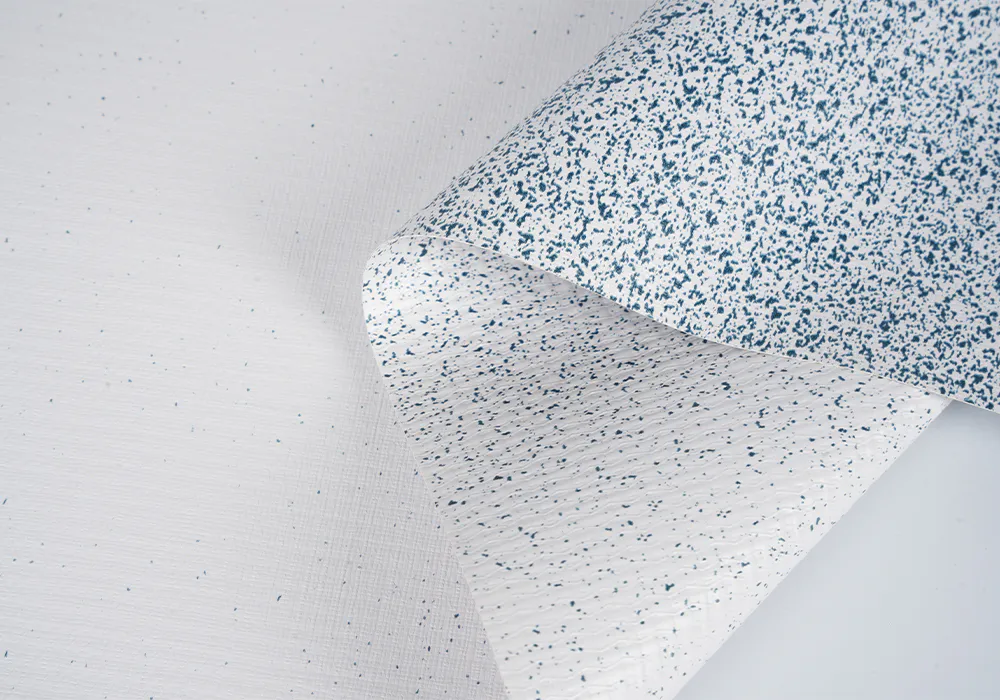
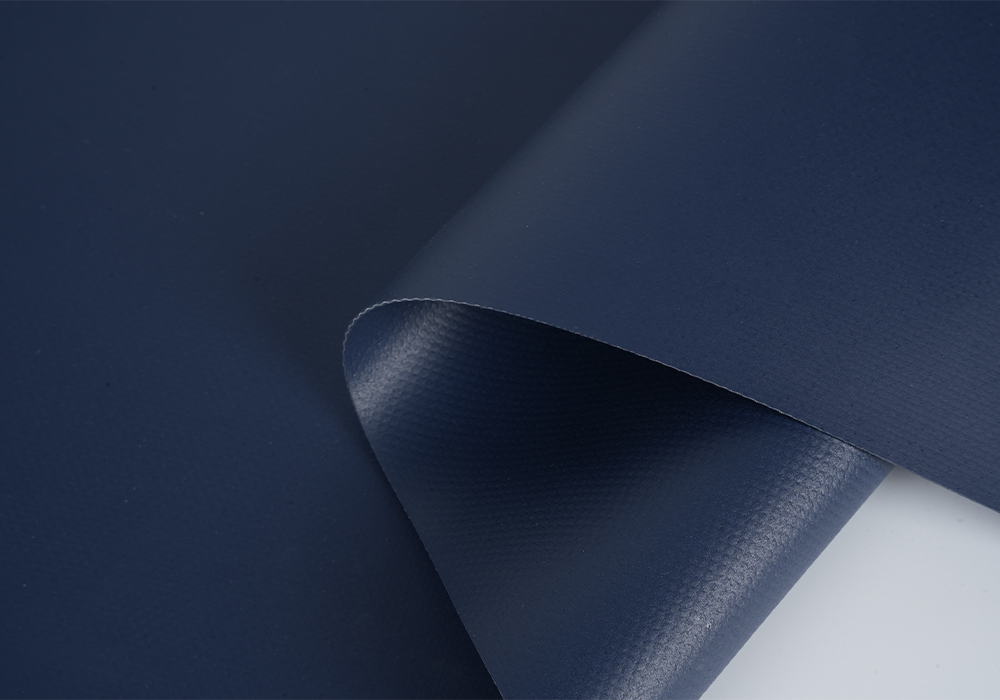
Heavy Duty Printable UV Block Tarpaulin For RV Awning
Wind is one of the most demanding environmental factors for an extended RV awning. A broad fabric panel behaves like a sail, transferring pressure to hems, seams, poles, brackets, and the awning roller. In dry regions, wind may carry sand and dust that abrade the surface and work against exposed edges. In coastal or off-road environments, the combination of wind, grit, and repeated movement can gradually weaken a low-quality fabric.
The heavy-duty construction of this tarpaulin is intended to improve resistance to these stresses. Its high-strength core helps the panel maintain integrity when tension changes or gusts move across the surface. The dense fabric also provides a more robust barrier against abrasive particles than a thin, lightly reinforced sheet. This does not mean that an awning can be left unattended in every storm. Safe operation still requires appropriate anchoring, correct frame adjustment, drainage management, and retraction during severe weather. Nevertheless, a stronger material gives installers and users a wider practical performance margin.
Resistance to tear propagation is especially valuable in field use. If a small puncture occurs, the fabric’s tear strength can help prevent the opening from expanding rapidly under tension. This is useful for RV owners who travel through wooded areas, desert environments, construction zones, and busy campgrounds. It also benefits rental fleets and commercial operators, where awnings may be handled more frequently and exposed to a wider range of users.
For fabricators, the material’s reinforcement makes it suitable for reinforced hems, welded seams, attachment flaps, side curtains, and extension panels. The final product should still be designed with suitable seam allowances and edge treatments. Heavy-duty fabric alone cannot compensate for weak stitching, poorly bonded seams, undersized grommets, or inadequate frame hardware. When the complete awning system is engineered correctly, the robust substrate can contribute significantly to long-term service reliability.
Solar radiation affects both the comfort of RV occupants and the service life of outdoor materials. Direct sunlight can heat the vehicle body, windows, furniture, flooring, and interior air. It can also accelerate fading, embrittlement, and coating degradation in fabrics that lack sufficient UV resistance. During long summer trips, reducing solar gain can make the difference between a comfortable shaded space and an overheated interior.
This tarpaulin is designed with a strong UV-blocking function. When installed as an RV awning, it creates a shading layer between the vehicle and the sun. By limiting the amount of direct radiation reaching the sidewall and windows, the awning can help lower perceived heat around the vehicle and reduce the thermal load entering the living space. The exact temperature reduction depends on fabric color, installation distance, ventilation, sun angle, vehicle construction, window area, and local climate. The material should therefore be viewed as part of an overall heat-management strategy rather than as a substitute for ventilation or insulation.
UV blocking also protects the awning itself. Continuous exposure can weaken polymer coatings, fade printed images, and reduce the flexibility of untreated fabrics. A UV-resistant formulation helps the material retain its functional properties through repeated outdoor exposure. This is particularly important for seasonal campers who leave the awning deployed for extended periods, as well as for commercial vehicles that use branded awnings as part of their visible identity.
The sun-shading function can be combined with visual customization. A plain awning may provide practical protection, but a digitally printed panel can also display a business name, product message, team identity, travel design, or decorative pattern. With stable color adhesion and suitable outdoor inks, the awning becomes both a functional shelter and a durable communication surface.
An RV awning must often transition quickly from sun protection to rain shelter. A sudden shower can occur while occupants are cooking, relaxing, or preparing equipment outside. A fully waterproof coating helps keep the shaded area usable and reduces the chance that water will pass through the panel onto furniture, appliances, or stored belongings.
The tarpaulin’s coating is designed to provide full waterproof coverage across the fabric surface. This creates a continuous protective layer that helps repel rain and supports the use of the material as an outdoor roof or side curtain. The coating also protects the internal yarn structure from direct moisture exposure. When water is prevented from entering the textile, the material can dry more efficiently after proper drainage and ventilation.
Correct installation remains essential for waterproof performance. The awning should be positioned with enough slope to encourage runoff rather than allowing water to pool. Seams, hems, corners, and attachment points should be sealed or bonded according to the fabrication method. Pooled water can create heavy loads that exceed the design capacity of the fabric or frame, even when the base material itself is highly waterproof. Regular inspection should also identify pinholes, abrasion, loose hardware, and damaged seals before they become larger problems.
Water resistance is valuable during storage as well. The product is formulated to repel water and help resist mildew formation during humid storage. However, no outdoor textile should be rolled away while heavily wet and left sealed for long periods. Cleaning, drying, and ventilated storage remain important maintenance practices. The material’s moisture-resistant properties provide an additional protective layer, but proper care extends service life and preserves appearance.
One of the main advantages of this product over ordinary non-printable tarpaulins is its compatibility with digital printing. The specialized topcoat is designed to provide high chemical compatibility with printing inks, helping digital ink anchor to the surface and maintain color fixation. This makes the fabric suitable for corporate graphics, custom patterns, fleet branding, event identification, recreational artwork, and promotional messages.
For RV rental companies and travel businesses, printed awnings can identify a fleet and reinforce a consistent visual identity. Outdoor equipment suppliers may use branded display shelters at trade shows or campsites. Tourism operators can print destination graphics, maps, or directional information. Private RV owners can select custom colors, family designs, club emblems, or landscape images. The same base material can therefore serve both commercial and personal markets.
Print adhesion is not simply a matter of color brightness. A successful outdoor print must resist peeling, cracking, bleeding, and premature fading. The supplied product content emphasizes stable color adhesion when exposed to continuous rain and intense sunlight. This performance is supported by the relationship between the substrate, coating, surface chemistry, ink type, curing conditions, and finishing process. Printers should validate the material with their chosen ink system and production settings before beginning a large order.
Digital printing also supports shorter production runs and variable designs. Compared with highly specialized pre-printed manufacturing, digital methods can make it easier to produce multiple graphics, seasonal campaigns, regional versions, or personalized awning panels. This flexibility is valuable for distributors that serve diverse customers and do not want to hold large inventories of one fixed design.
The printable surface can be combined with cutting, welding, hemming, eyeleting, and other fabrication processes. Depending on the awning design, graphics may be applied before final cutting or after panel preparation. The selected workflow should account for seam placement, roller direction, image orientation, stretch, and areas that may be hidden by hems or hardware. Careful prepress planning ensures that the finished awning looks professional from both near and viewing distance.
Strength and flexibility must be balanced in an RV awning. A fabric that is too soft may sag or flutter, while a material that is too rigid can resist rolling, develop sharp fold marks, or place excessive stress on the frame. This tarpaulin is formulated to remain flexible enough for retractable awning systems, extension panels, and side curtains while retaining the body needed for outdoor coverage.
Repeated rolling is a normal part of RV use. The awning may be extended at a campsite, retracted before travel, and deployed again at the next destination. The material’s flexible construction helps it follow the movement of the roller and frame. With proper tension and correct storage, it is intended to avoid permanent creases after repeated rolling. This is especially important for printed panels, because deep or permanent creases can affect both appearance and long-term coating performance.
Fabricators should consider the direction of rolling when planning the panel. The design should avoid placing sharp folds through critical printed details or high-stress attachment areas. The roller should be free of rough edges, dirt, and hardware that could press into the material. Where the awning includes windows, zippers, poles, or reinforced corners, the transition between flexible and reinforced sections should be designed to distribute stress smoothly.
Flexibility also supports easier installation and replacement. A practical awning fabric should be manageable during measuring, cutting, welding, hemming, and fitting. The 460 gsm weight provides substance without making the material unnecessarily difficult to handle in normal fabrication environments. The best results come from using equipment and parameters suitable for the fabric’s coating and reinforcement structure.
RV awnings are not always used in mild weather. They may be exposed to hot summers, cool autumn nights, freezing winters, damp spring conditions, and rapid temperature changes during travel. A material intended for year-round applications must preserve its flexibility and coating integrity across a broad temperature range.
The product incorporates an all-weather formula designed to maintain a supple texture in hot and sub-zero conditions. In summer, this helps reduce the risk of a surface becoming excessively soft or vulnerable to handling damage. In cold weather, retained flexibility helps reduce brittleness during deployment and retraction. The exact temperature range should be confirmed for each finished application, but the formulation is intended to support outdoor use across changing seasons.
Cold resistance is particularly relevant to RV owners who travel in mountain regions or store vehicles in winter climates. A fabric that becomes rigid or brittle may be difficult to roll and more likely to crack at folds, hems, and attachment points. Conversely, hot-weather stability helps the material remain suitable for desert travel, summer festivals, roadside service areas, and long-term exposure in sunny locations.
The material is also described as mildew-resistant during humid storage. This property can help reduce odor, staining, and maintenance problems when the awning is exposed to moisture. Storage conditions still matter. The fabric should be cleaned with a compatible mild solution, thoroughly dried, and stored in a clean, dry, ventilated location whenever possible. Avoiding prolonged contact with organic debris and standing water further supports hygiene and appearance.
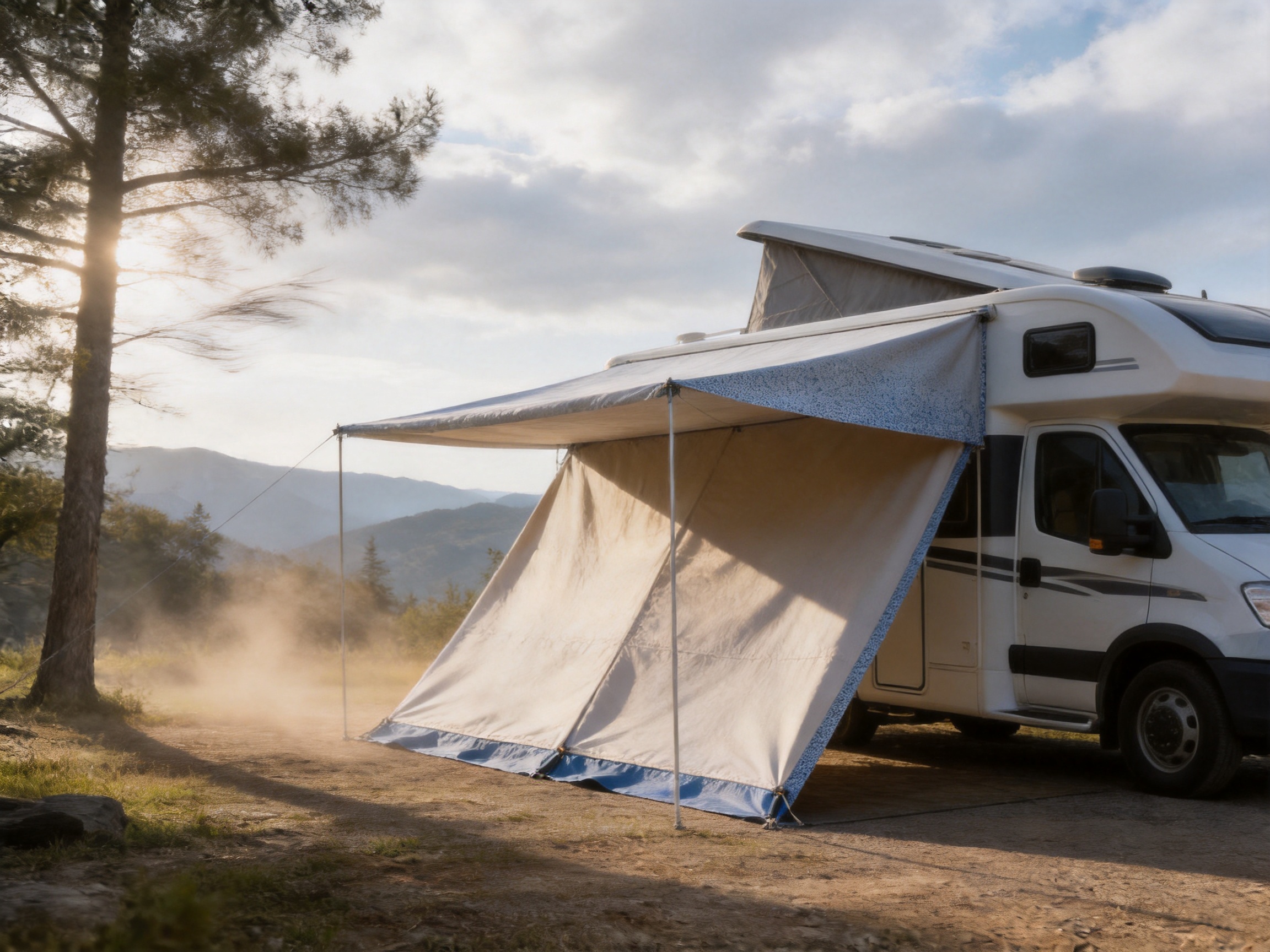
In a coated textile, the connection between the fabric and coating is fundamental. A strong surface coating is of limited value if it separates from the reinforcement under bending, tension, moisture, or heat. The listed adhesion performance of 60 N/5 cm indicates a deliberate focus on maintaining the bond between layers.
Good adhesion supports several product functions at once. It helps preserve waterproofing by reducing the possibility of exposed gaps or lifted coating. It supports print stability by maintaining a consistent printable surface. It helps the material tolerate rolling and handling without widespread delamination. It also contributes to a cleaner finished appearance because peeling and bubbling are less likely when the coating is properly bonded.
Manufacturers and converters should still inspect incoming rolls for surface defects, edge damage, uneven coating, or contamination. Storage conditions should protect the material from excessive heat, direct sunlight, compression, and moisture before fabrication. During welding or bonding, process parameters should be adjusted to the product’s coating system. Excessive heat can distort the surface, while insufficient heat or pressure can produce weak seams.
For distributors, reliable adhesion helps lower the risk of returns associated with premature surface failure. For end users, it contributes to longer intervals between repair and replacement. These benefits are especially important where the awning carries a printed image, because coating failure can damage both the protective function and the visual identity of the product.
The performance of a finished tarpaulin depends on more than its stated specifications. Manufacturing consistency, process control, raw material selection, equipment condition, and inspection practices all influence whether each production roll performs as expected. Haining Taiwei New Material Co., Ltd. has developed its manufacturing base around PVC films, coated fabrics, printable materials, mesh, and related products, giving it experience with the processes required for technical outdoor textiles.
The company uses advanced calendering equipment for polymer film and coating production. Calendering involves processing polymer compounds through controlled rollers to form a continuous film or coating layer with a defined thickness and surface quality. The process requires careful management of temperature, pressure, speed, formulation, and cooling. Consistent calendering helps produce an even surface, stable weight, and reliable coating behavior across the width of the material.
Multiple production lines support manufacturing flexibility and capacity. Different product families may require different coating structures, surface treatments, colors, weights, or finishing conditions. Multiple lines allow production planning to respond to varied customer requirements while supporting larger-volume orders. This is useful for distributors that need regular supply rather than isolated spot purchases.
Professional bonding facilities further support the production of coated textiles and finished components. Bonding quality affects water resistance, seam durability, edge stability, and the appearance of fabricated products. When the substrate and coating are engineered with compatible processing conditions, manufacturers can produce materials suitable for welding, bonding, hemming, and other conversion techniques.
Production capability is supported by an annual output of approximately 45 million square meters. This scale can provide several advantages: stronger supply continuity, better manufacturing experience across product categories, capacity for repeat orders, and the ability to support export programs. High capacity alone does not guarantee quality, but when combined with technical equipment and process management, it gives buyers a stronger foundation for long-term sourcing.
More than 98 percent of the company’s products are exported to Europe, America, the Middle East, Southeast Asia, and other markets. This international focus requires attention to packaging, documentation, product consistency, communication, and delivery coordination. Export experience can also help a manufacturer understand the practical differences between applications, climate conditions, and customer expectations in different regions.
For buyers of RV awning material, supplier reliability is as important as product performance. A distributor may need repeat rolls with consistent weight, color, width, coating behavior, and printability. A converter may require technical information for welding or bonding. A fleet operator may need coordinated colors and graphics across multiple vehicles. A manufacturer with experience in custom digital printing fabrics and coated materials is better positioned to discuss these requirements in a structured way.
The company’s product range includes PVC films, digital printing fabrics, tarpaulin films, frontlit and backlit materials, double-sided printing fabrics, mesh, and other light box cloth products. This breadth can simplify sourcing for buyers who need several related materials. It also reflects experience with different combinations of substrate reinforcement, polymer coating, surface treatment, light transmission, print reception, and outdoor durability.
Customer service is particularly important when the material will be converted into a finished awning. Technical discussions should cover intended use, printing method, finished width, roll length, color, surface finish, welding or sewing process, environmental exposure, and expected order volume. Clear communication before production helps reduce compatibility problems and supports more predictable finished-product quality.
When compared with basic economy tarpaulins, this heavy-duty printable material offers several practical advantages. Its 1000D × 1000D reinforcement is designed for higher mechanical resistance than lightweight constructions. The 460 gsm weight provides more substantial coverage and a stronger hand. The listed tensile and tearing values support use in applications where wind and handling loads are significant.
Its printable surface is another important distinction. Many basic covers are intended only for plain protection and may not accept digital ink consistently. A specialized print-receiving topcoat creates additional value by allowing the same panel to provide shade, rain protection, and visual communication. For commercial fleets and branded outdoor spaces, this can reduce the need to attach a separate sign or decorative layer.
UV blocking and all-weather flexibility also separate the material from short-term coverings. An economy sheet may provide initial waterproofing but lose performance after prolonged sunlight, repeated folding, or exposure to temperature extremes. The present product is designed around long-term outdoor use, with attention to UV resistance, moisture repellence, mildew resistance, and flexible handling.
Another advantage is the relationship between product performance and manufacturing support. Buyers are not only selecting a roll of fabric; they are selecting a supply partner capable of producing coated materials at commercial scale. Advanced calendering equipment, multiple production lines, bonding facilities, export experience, and a broad material portfolio can help support consistent procurement and customization.
These advantages should be evaluated alongside the total design. A high-performance fabric cannot correct an incorrectly sized frame or neglected maintenance program. Nevertheless, selecting a stronger and more versatile textile can reduce the likelihood of premature replacement, improve the finished appearance, and expand the range of RV awning products that a converter can offer.
The primary application is the manufacture of RV awnings for motorhomes, travel trailers, caravan-style vehicles, and recreational extensions. The material can be used for main roof panels, replacement awning sheets, side curtains, privacy screens, and modular shade extensions. Its waterproof and UV-blocking properties make it suitable for outdoor living areas where occupants need protection from sun and rain.
It can also serve in branded fleet applications. Rental companies, tour operators, event vehicles, mobile service providers, and outdoor retailers may use digitally printed awnings to create a consistent visual presence. Since the material accepts custom graphics, it can be manufactured in different designs while retaining a common technical platform.
Other possible applications include temporary outdoor shelters, retractable shade structures, market stall covers, display canopies, equipment curtains, transport covers, and promotional installations. The suitability of each application should be confirmed according to local regulations, wind conditions, structural design, fire requirements, and the expected duration of use.
The product is especially appropriate where a buyer needs a combination of mechanical strength and attractive visual presentation. A plain heavy-duty fabric may satisfy protection requirements, while a delicate printable fabric may provide graphics but lack sufficient durability. This tarpaulin is intended to bring both functions together in a single coated textile.
Finished awning performance depends on proper conversion. The fabric should be cut with attention to grain direction, panel dimensions, hems, corners, and stress points. Reinforced patches may be appropriate around grommets, brackets, roller connections, and pole sockets. Stitching, welding, or bonding methods should be selected according to the coating system and the requirements of the finished design.
Seams should be positioned to minimize unnecessary water exposure and concentrated stress. Where possible, load-bearing connections should distribute force across reinforced areas instead of relying on a single eyelet or isolated stitch line. Edges should be finished to limit fraying, curling, or coating damage. The frame must be correctly aligned so that the material rolls evenly and does not rub against sharp surfaces.
During installation, sufficient slope should be provided for rainwater drainage. The awning should not be stretched so tightly that normal thermal movement creates excessive stress, nor should it be left so loose that wind causes repeated flapping. Users should retract the awning during severe storms, heavy snow, or conditions beyond the design limits of the supporting structure.
Printed panels require additional care during handling. Clean gloves can help prevent surface contamination, and rough tools should not be dragged across the printed face. If the material must be folded before installation, folds should be broad and controlled rather than sharp. Proper handling protects both the image and the coating.
Routine maintenance is straightforward but important. Dirt, dust, bird residue, tree sap, and road film should be removed with water and a compatible mild cleaning solution. Abrasive brushes, harsh solvents, and aggressive pressure washing may damage the surface or affect printed graphics. Always test a cleaning method on a small, inconspicuous area before applying it across the full panel.
The awning should be inspected periodically for cuts, worn hems, loose stitching, cracked coating, damaged hardware, and areas of water accumulation. Small defects are easier to repair before they expand under wind tension. When the awning is retracted, it should be rolled evenly without trapping stones, branches, or sharp debris inside the roll.
After rain or washing, the material should be allowed to dry whenever practical before long-term storage. If it must be retracted temporarily while wet, it should be reopened and dried as soon as conditions allow. Ventilated storage reduces the likelihood of odor and mildew. During winter storage, the fabric should be protected from unnecessary compression and contact with corrosive substances.
These practices are not substitutes for material quality, but they allow the fabric’s designed properties to deliver their full value. A strong, UV-resistant, waterproof tarpaulin will perform best when the frame, seams, hardware, cleaning routine, and storage conditions are also properly managed.
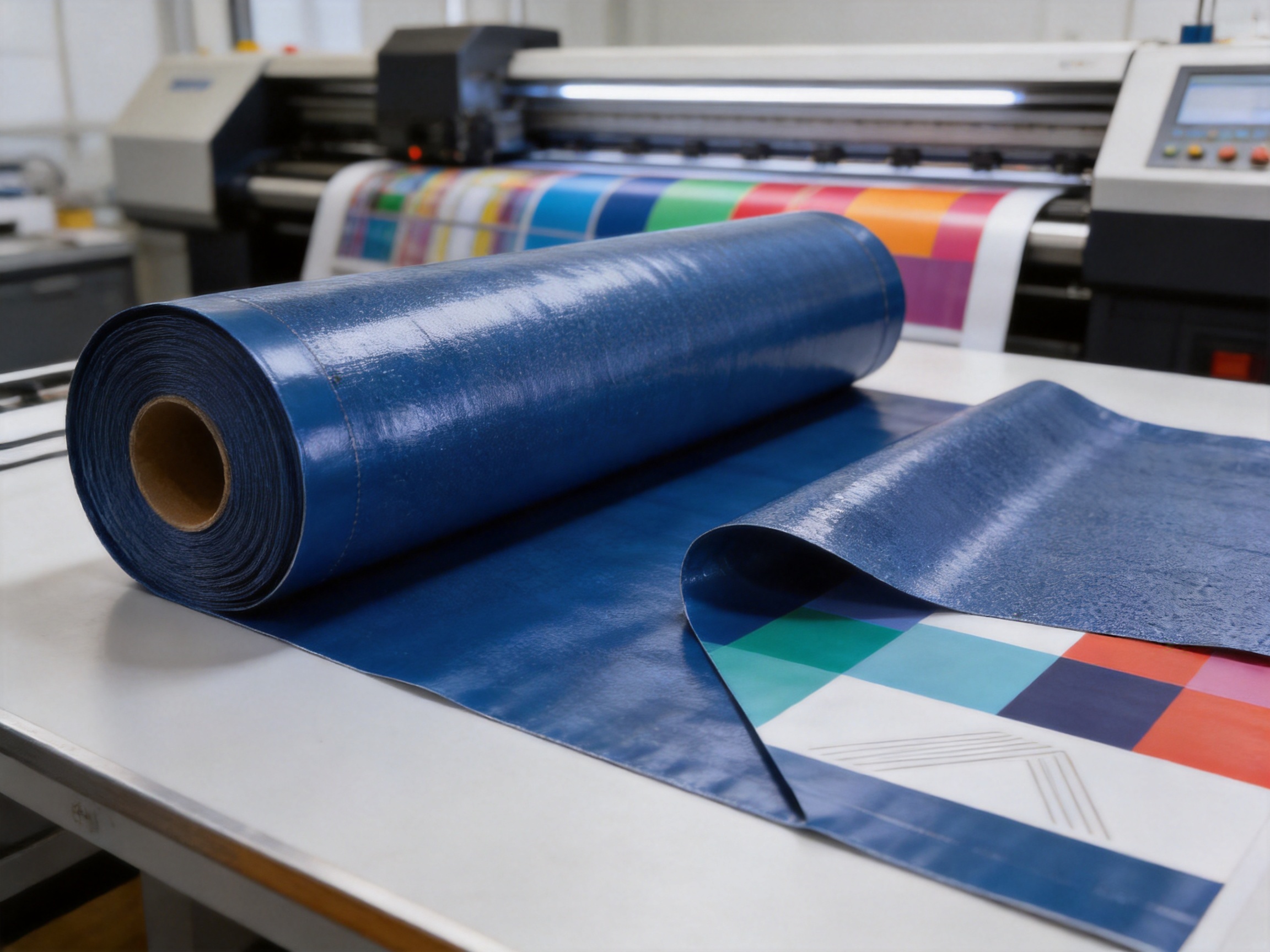
Buyers should provide detailed information when requesting a quotation or production recommendation. Important details include the intended vehicle type, finished awning dimensions, required roll width, color, print method, desired image resolution, finishing method, quantity, delivery destination, and expected climate. If the awning will be used in coastal, desert, tropical, or cold regions, those conditions should be disclosed during the technical discussion.
For printed projects, artwork should be prepared with correct dimensions, color profiles, bleed allowances, and safe zones for hems and seams. The printer should confirm ink compatibility, curing requirements, and expected outdoor exposure. A sample or pilot run can help verify color, adhesion, flexibility, welding behavior, and finished appearance before a large commercial order.
Distributors may also request samples for internal testing. Useful evaluations include tensile and tear behavior, water penetration, coating adhesion, print rub resistance, folding performance, weld strength, and exposure to representative weather conditions. Laboratory results provide valuable guidance, but field trials can reveal application-specific issues related to frame geometry, installation tension, and user handling.
Packaging should protect rolls from moisture, crushing, excessive heat, and contamination during transport. On arrival, the material should be inspected and stored according to the supplier’s recommendations. Keeping batch records and technical documents can help maintain consistency when ordering repeat production.
It combines a 1000D × 1000D reinforced structure, 460 gsm weight, waterproof coating, UV-blocking performance, flexible handling, printable surface, and all-weather formulation. This combination addresses the main demands of RV awnings: shade, rain protection, wind resistance, repeated rolling, and outdoor appearance.
Yes. The surface includes a specialized topcoat designed to support digital ink anchoring and color fixation. Printers should still test the material with their selected ink system and confirm curing and finishing settings before production.
The material is designed for stable color adhesion and resistance to peeling, cracking, and bleeding under outdoor exposure. Actual results depend on ink selection, printing parameters, surface preparation, curing, cleaning, and the duration and severity of exposure.
The coated construction is intended to provide full waterproof protection. Finished awning performance also depends on sealed seams, correct installation, suitable drainage slope, and the condition of hems and attachment points.
Yes. Its flexible construction is intended to follow retractable frames and tolerate repeated rolling without permanent creasing under normal use. The roller and frame should be correctly aligned, and the fabric should not be forced around sharp or damaged components.
The listed tensile strength is 1000/800 N per 5 cm, and the listed tearing strength is 200/180 N. These values indicate a heavy-duty construction. Final awning strength also depends on seam design, reinforcement, hardware, frame structure, and installation quality.
The rugged industrial core is designed to improve resistance to wind stress and abrasive windblown sand. However, an awning should always be retracted during severe weather beyond the limits of its frame and anchoring system.
The all-weather formulation is intended to retain flexibility in hot summers and sub-zero winters. Buyers should confirm the required temperature range for their specific application, especially when the product will be exposed to extreme or prolonged freezing conditions.
It is formulated to repel water and help prevent mildew formation during humid storage. The best results come from cleaning the fabric and allowing it to dry before extended storage in a ventilated location.
The manufacturer operates advanced calendering equipment, multiple production lines, and professional bonding facilities. Its broader product portfolio includes PVC films, digital printing fabrics, tarpaulin films, frontlit and backlit materials, mesh, double-sided printing fabrics, and light box cloth products.
The printable surface supports custom patterns, corporate graphics, fleet branding, and promotional designs. Color specifications, artwork requirements, minimum quantities, and production schedules should be confirmed with the supplier before ordering.
Clean it with water and a compatible mild solution, avoid abrasive tools and harsh solvents, inspect seams and hardware regularly, remove trapped debris before rolling, and dry the material before long-term storage whenever possible.
A dependable RV awning must provide more than basic shelter. It must tolerate wind loading, resist tearing, block intense sunlight, repel rain, accept printed graphics, remain flexible during repeated rolling, and perform across changing seasons. The heavy-duty printable UV-block tarpaulin described here is designed around these combined requirements.
Its 1000D × 1000D reinforcement and 460 gsm construction provide a strong foundation for demanding outdoor use. Listed tensile, tear, and adhesion values support its role as a technical coated textile rather than a lightweight temporary cover. Waterproofing and UV blocking help create a more comfortable and protected RV environment, while the printable topcoat allows functional awnings to become branded or personalized visual surfaces. Flexible handling, mildew resistance, and all-weather formulation add value for year-round camping, fleet use, and commercial outdoor applications.
The manufacturing capabilities behind the product further strengthen its position. Advanced calendering equipment, multiple production lines, professional bonding facilities, export experience, and a broad coated-material portfolio provide a practical basis for customized and repeat supply. Haining Taiwei New Material Co., Ltd. combines these resources with a focus on digital printing fabrics, PVC films, tarpaulin products, mesh, and related outdoor materials.
For fabricators, distributors, fleet operators, and RV owners seeking a balance of durability, printability, weather protection, and handling flexibility, this tarpaulin offers a versatile material platform. When matched with suitable design, fabrication, installation, and maintenance practices, it can help produce RV awnings that remain attractive, functional, and dependable through repeated outdoor use.
1. Product specification sheet for 1000D × 1000D, 9 × 9, 460 gsm coated tarpaulin, including tensile, tearing, and adhesion data.
2. Technical information on printable PVC-coated fabrics, digital ink adhesion, surface treatment, and outdoor color stability.
3. General textile testing principles for tensile strength, tear strength, coating adhesion, and dimensional stability.
4. Outdoor awning design and installation practices for drainage, frame loading, seam reinforcement, and wind management.
5. Manufacturer profile and production information for PVC films, digital printing fabrics, tarpaulin films, mesh, frontlit materials, backlit materials, and related coated textiles.
6. General maintenance guidance for waterproof coated fabrics, including cleaning, drying, storage, mildew prevention, and inspection procedures.
Heavy Duty Printable UV Block Tarpaulin For RV Awning
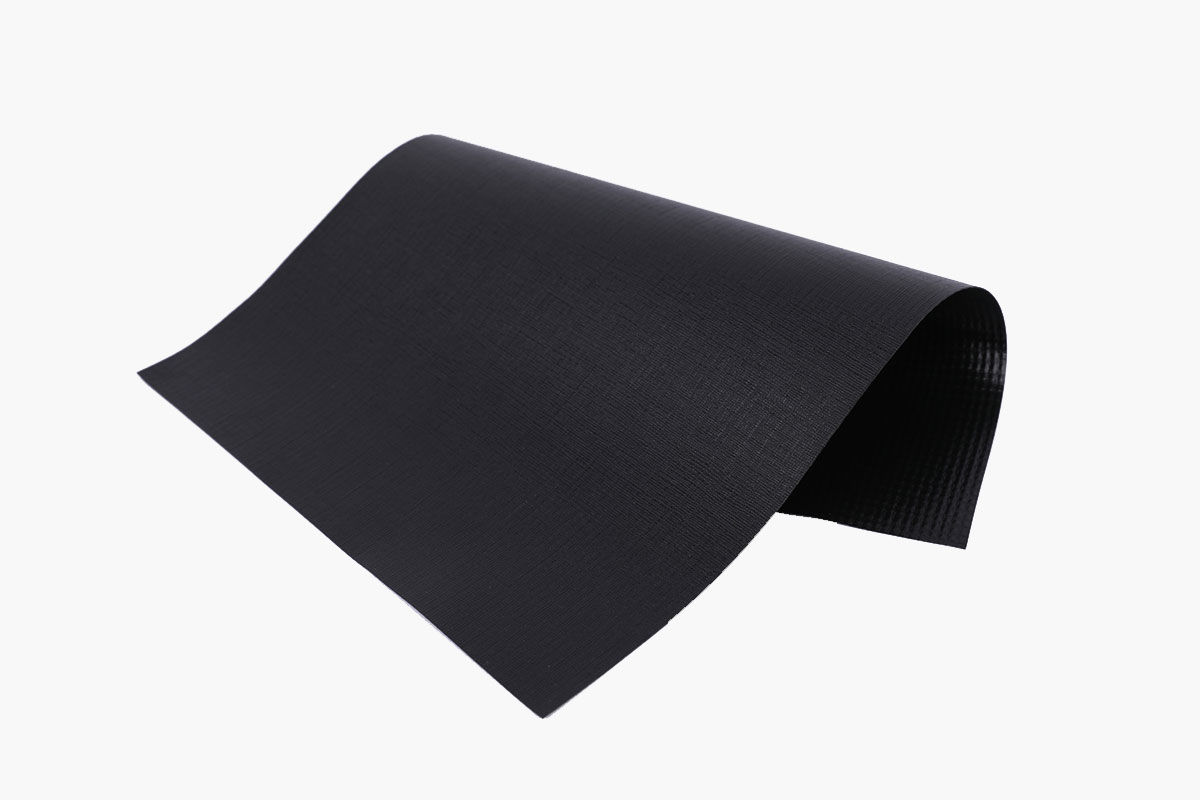 Heavy-Duty High-Performance Camouflage-Printed Tarpaulin
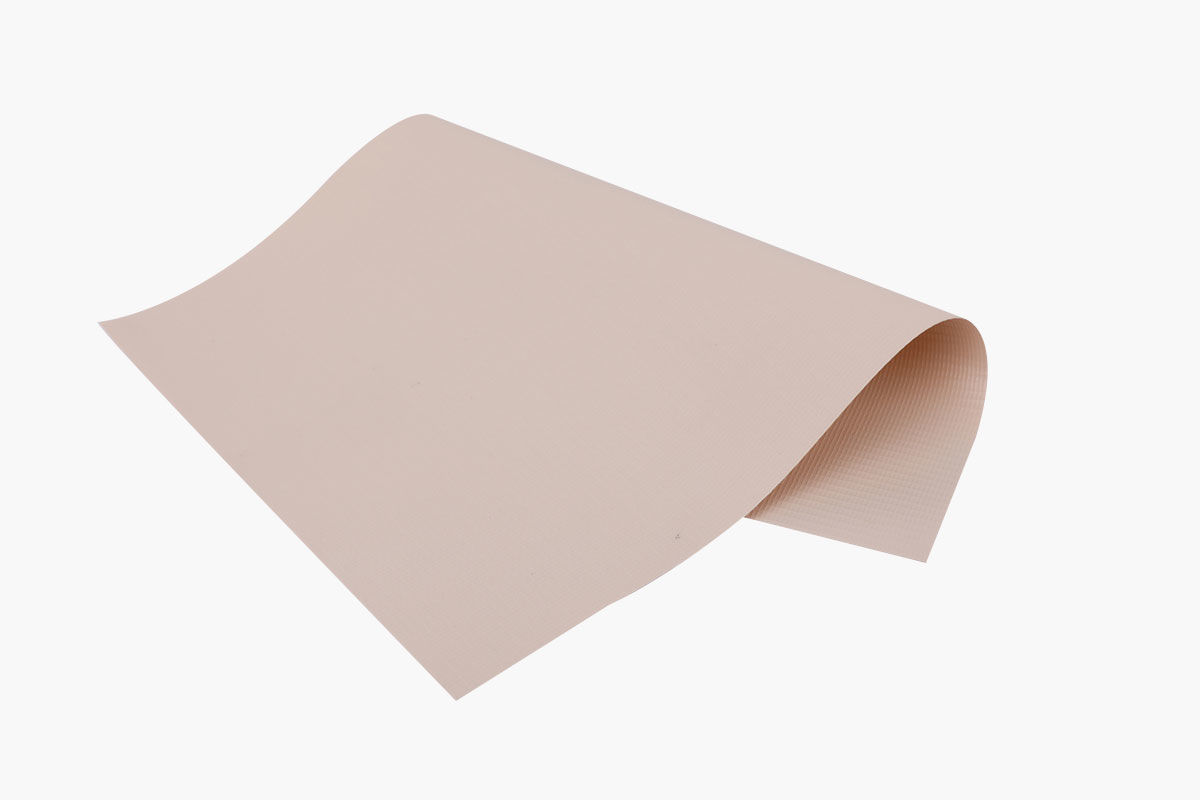 Heavy-Duty Reinforced Waterproof Tarpaulin
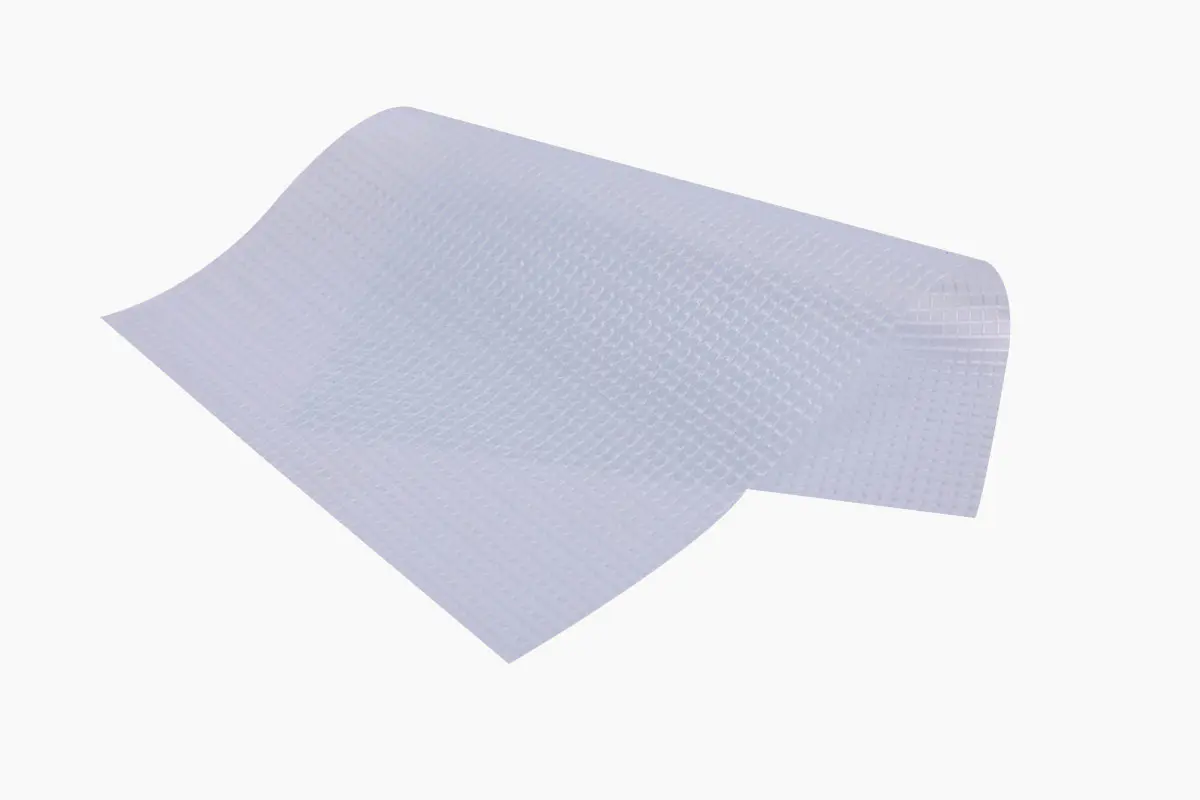 Heavy-Duty Waterproof Clear Tarpaulin
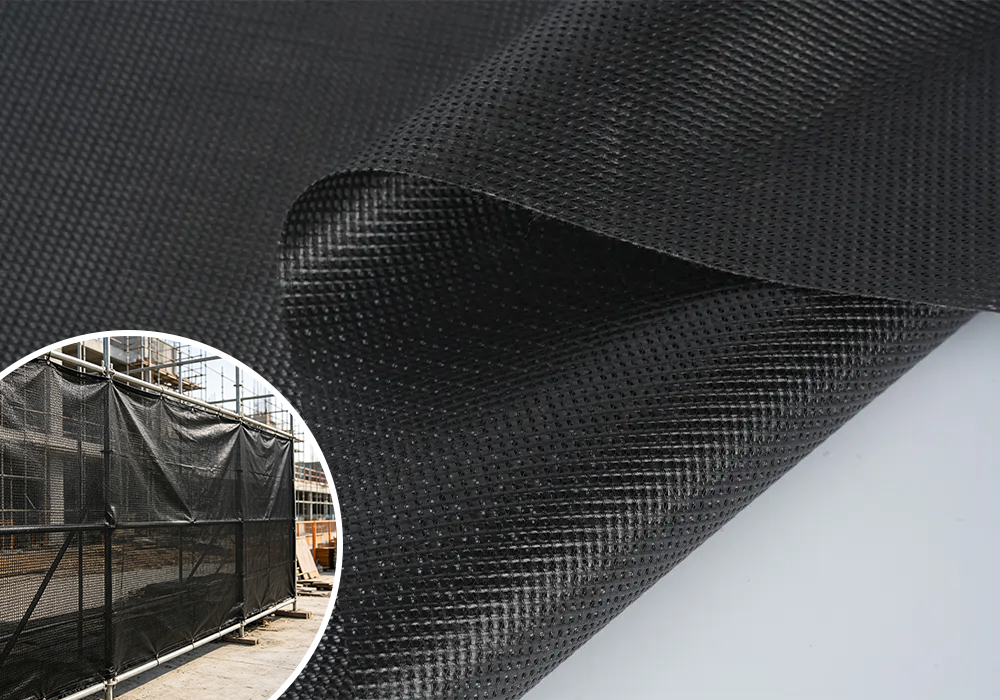 All Weather Heavy Duty Mesh Tarpaulin for Barrier Fencing
 Heavy Duty Waterproof Tarpaulin For Truck Side Curtain
 Custom Digital Printing Fabric Manufacturers

 Previous