

 English
 中文简体
 Español
News
Home / Author / Luo Zhen — Product After-Sales Service Specialist / Moisture-Proof Wear-Resistant Tarpaulin for Tent Floor Mats


Content
Outdoor equipment manufacturers, camping brands, event suppliers, and commercial users increasingly need materials that can withstand moisture, abrasion, repeated folding, and changing weather conditions without becoming difficult to handle. A tent floor mat is exposed to many forms of stress at the same time: wet soil, mud, gravel, branches, footwear, folding, transportation, temperature changes, and repeated cleaning. A material that performs well in only one of these areas may still fail in practical use. For this reason, a purpose-designed PVC tarpaulin for tent floor mats must combine waterproof performance, mechanical strength, flexibility, surface cleanliness, and reliable processing characteristics.
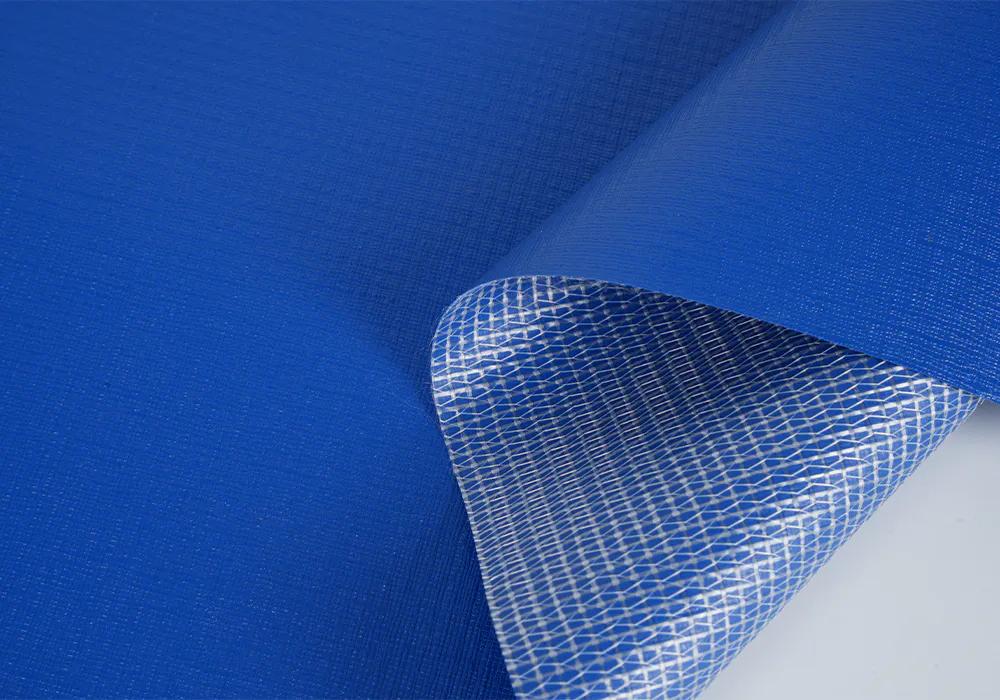
The moisture-proof wear-resistant tarpaulin described in this article is developed for tent floor protection and a broad range of outdoor applications. Its dense PVC structure helps block dampness and mud from the ground, while its reinforced fabric construction provides strong tensile and tearing resistance. The material is also suitable for heat-sealing and hot-wedge welding, helping manufacturers produce broad, stable, and leak-resistant finished products. When used as a tent floor mat, it creates a cleaner, drier, and more comfortable barrier between campers and the ground.
Unlike ordinary thin plastic sheets, this tarpaulin is engineered as a durable coated fabric. The base fabric supplies structural support, while the PVC layers provide water resistance, surface protection, and easier maintenance. This combination gives the product a practical advantage over lightweight films that may puncture easily or basic woven covers that allow moisture to pass through their seams. It can also be folded for transport and storage, making it suitable for private consumers, rental companies, outdoor retailers, and professional camping equipment manufacturers.
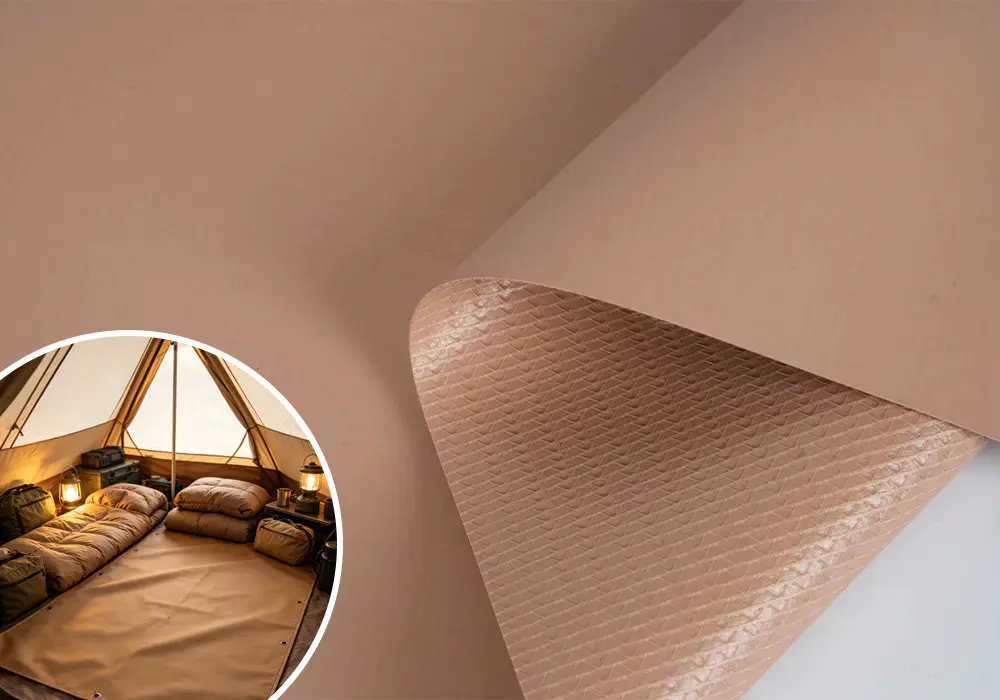
Moisture Proof Wear Resistant Tarpaulin For Tent Floor Mat
A tent floor mat has a direct influence on the comfort and service life of a tent. Ground moisture can rise through contact with soil, especially during rain, early morning dew, or camping beside rivers and lakes. Mud can work into the underside of a fabric and create unpleasant odors if the surface is difficult to clean. Small stones and branches can cause abrasion, while repeated walking inside the tent creates concentrated pressure on specific areas. During installation and removal, the floor mat is often pulled across uneven ground, folded quickly, and packed with other equipment.
These conditions mean that a suitable mat must resist more than water. It should maintain its integrity when dragged, folded, stepped on, and cleaned. It should remain flexible enough for efficient packing while retaining enough strength to resist tearing. The surface should also provide a stable walking area, particularly when campers enter with wet footwear or when condensation forms inside the tent.
Many competing materials address only one or two of these requirements. A low-cost polyethylene sheet may initially resist water but can be noisy, less durable under repeated folding, or vulnerable to puncture. A conventional woven cloth may be comfortable to handle but may absorb moisture or require additional treatment. A thin PVC film can be smooth and waterproof but may lack the reinforcement required for rough ground. The reinforced PVC tarpaulin approach combines the advantages of a barrier layer and a strong textile foundation.
The primary role of a tent floor mat is to separate the interior living area from the ground. The high-density PVC waterproof base forms an impermeable barrier that helps prevent damp soil, mud, and surface water from penetrating the mat. This is particularly valuable when a tent is placed on grass after rainfall, on soil with poor drainage, or on ground that remains cold and wet overnight.
By reducing direct contact with moisture, the tarpaulin can help keep sleeping bags, clothing, luggage, and other camping equipment cleaner and drier. It also reduces the uncomfortable sensation of cold ground transferring into the tent. Although the final level of insulation depends on the complete tent system and site conditions, a dense mat provides an additional protective layer between the user and the outdoor environment.
Outdoor ground conditions are rarely perfectly smooth. Gravel, twigs, rough grass, roots, and small branches can place stress on the underside of a mat. A material with poor wear resistance may quickly develop scuff marks, pinholes, or weakened areas. These defects can eventually reduce waterproofing performance.
The reinforced 840D construction and 550 gsm weight provide a substantial material foundation for demanding outdoor use. The fabric is designed to tolerate contact with rough surfaces and repeated handling. Its wear-resistant character is an important advantage over simple disposable ground sheets, particularly for users who expect to reuse the same mat across multiple trips or seasons.
A tent floor mat should be strong without becoming excessively rigid. Campers need to fold or roll the mat into a practical package that fits inside a vehicle, equipment case, or storage room. Flexible PVC-coated fabric supports this requirement. It can be folded for transport, unfolded at the campsite, rinsed after use, and stored again when dry.
Flexibility is also important for manufacturers. A material that folds smoothly can be processed into different mat dimensions, protective ground sheets, tent accessories, and customized outdoor products. It can be cut and finished according to customer requirements while maintaining a consistent appearance across production batches.
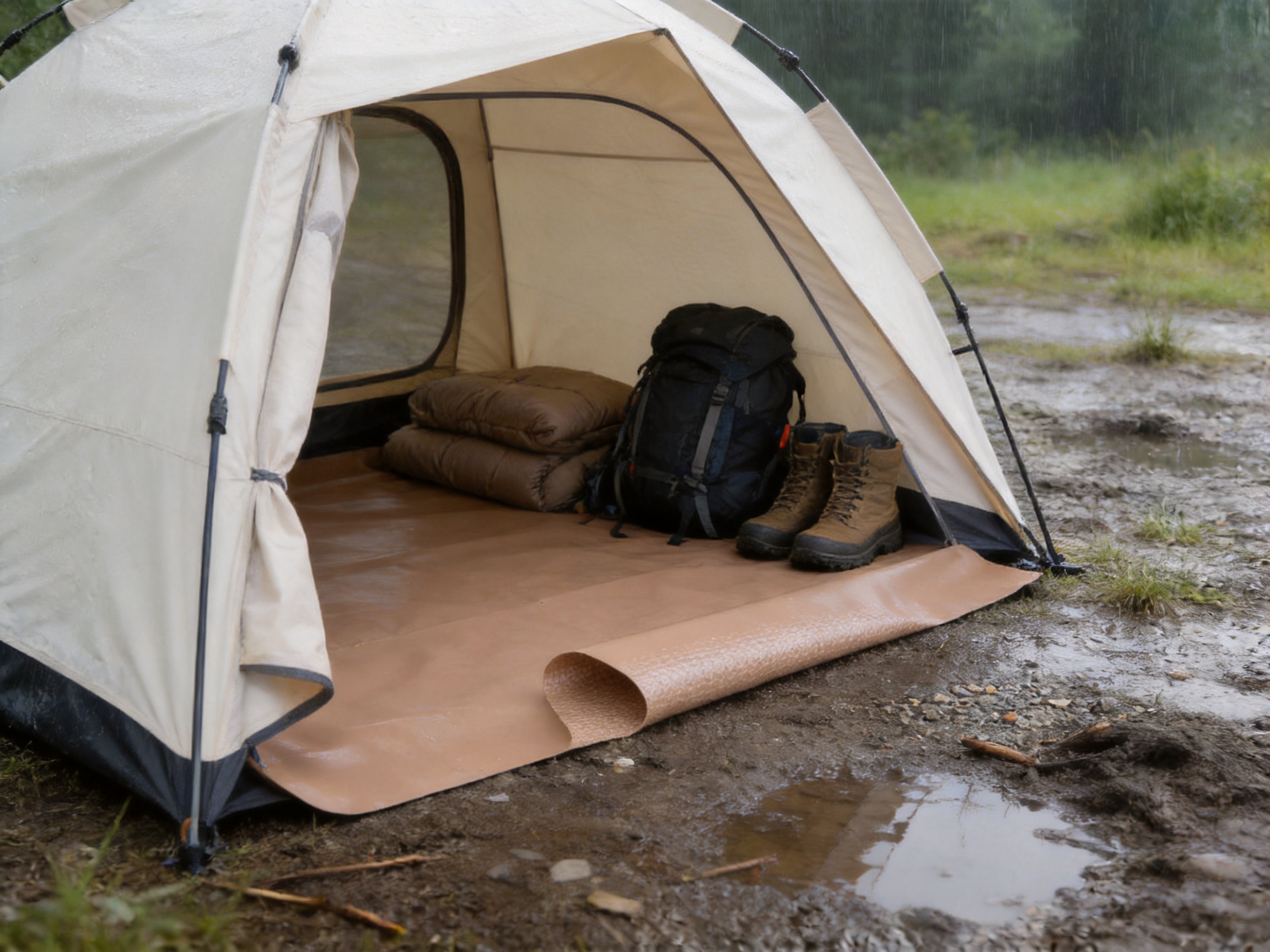
The tarpaulin uses a reinforced PVC-coated fabric structure. PVC, or polyvinyl chloride, is widely used in technical textiles because it can provide water resistance, surface durability, flexibility, and compatibility with heat-sealing processes. In this product, the PVC coating works together with the internal textile reinforcement rather than acting as a stand-alone plastic sheet.
The reported specification is 840D × 840D with a 12 × 12 weave and a nominal weight of 550 gsm. The denier value indicates the strength-oriented yarn construction used in the base fabric, while the weave density contributes to the stability and dimensional consistency of the material. A 550 gsm specification represents a substantial coated fabric suitable for applications where durability and barrier performance are more important than ultra-lightweight packing.
Product performance should always be evaluated according to the finished application, environmental exposure, welding method, and quality-control standard. Nevertheless, the published mechanical data provides a useful reference for purchasing teams and product designers.
| Product Parameter | Specification | Practical Significance |
| Base construction | 840D × 840D | Reinforced yarn structure for demanding outdoor handling |
| Weave density | 12 × 12 | Supports dimensional stability and fabric strength |
| Nominal weight | 550 gsm | Provides a substantial balance of protection, flexibility, and handling |
| Tensile strength, lengthwise | 800 N/5 cm | Resists pulling forces during installation, folding, and movement |
| Tensile strength, crosswise | 700 N/5 cm | Supports strength across the width of the mat |
| Tearing strength, lengthwise | 200 N | Helps limit the spread of damage from cuts or snags |
| Tearing strength, crosswise | 180 N | Provides resistance to tearing in the transverse direction |
| Adhesion | 60 N/5 cm | Indicates bonding strength between coating and reinforcement |
These specifications make the material suitable for manufacturers seeking a more reliable alternative to thin, unreinforced ground sheets. Tensile strength is important when a mat is pulled into position or folded under tension. Tearing strength is valuable when the material encounters a sharp object or an accidental cut. Adhesion performance helps the PVC coating remain attached to the textile base during handling and service.
Ultra-light materials can be attractive for backpacking, but they may not provide sufficient resistance for family camping, rental use, commercial tents, or repeated outdoor deployment. At 550 gsm, this tarpaulin is positioned as a durable material for users who require a stronger barrier and longer service potential. It is substantial enough to provide a stable protective layer, yet flexible enough to fold and transport.
The correct weight depends on the intended product. A compact personal tent may require a smaller cut piece, while a large event shelter, equipment cover, or temporary floor system may benefit from a heavier or specially reinforced design. The 550 gsm construction offers a practical starting point for many tent floor and ground protection applications.
Camping equipment is often handled outside controlled factory conditions. Users may pull a mat over gravel, place furniture on it, walk across it repeatedly, or fold it while it still contains a small amount of dirt. The combination of tensile strength, tear strength, and coating adhesion helps the product withstand these everyday stresses.
Mechanical strength does not eliminate the need for correct installation. Sharp stones should be removed when possible, excessive point loads should be avoided, and the mat should be folded or rolled without trapping sharp objects inside. Proper care will help users obtain the best service life from the material.
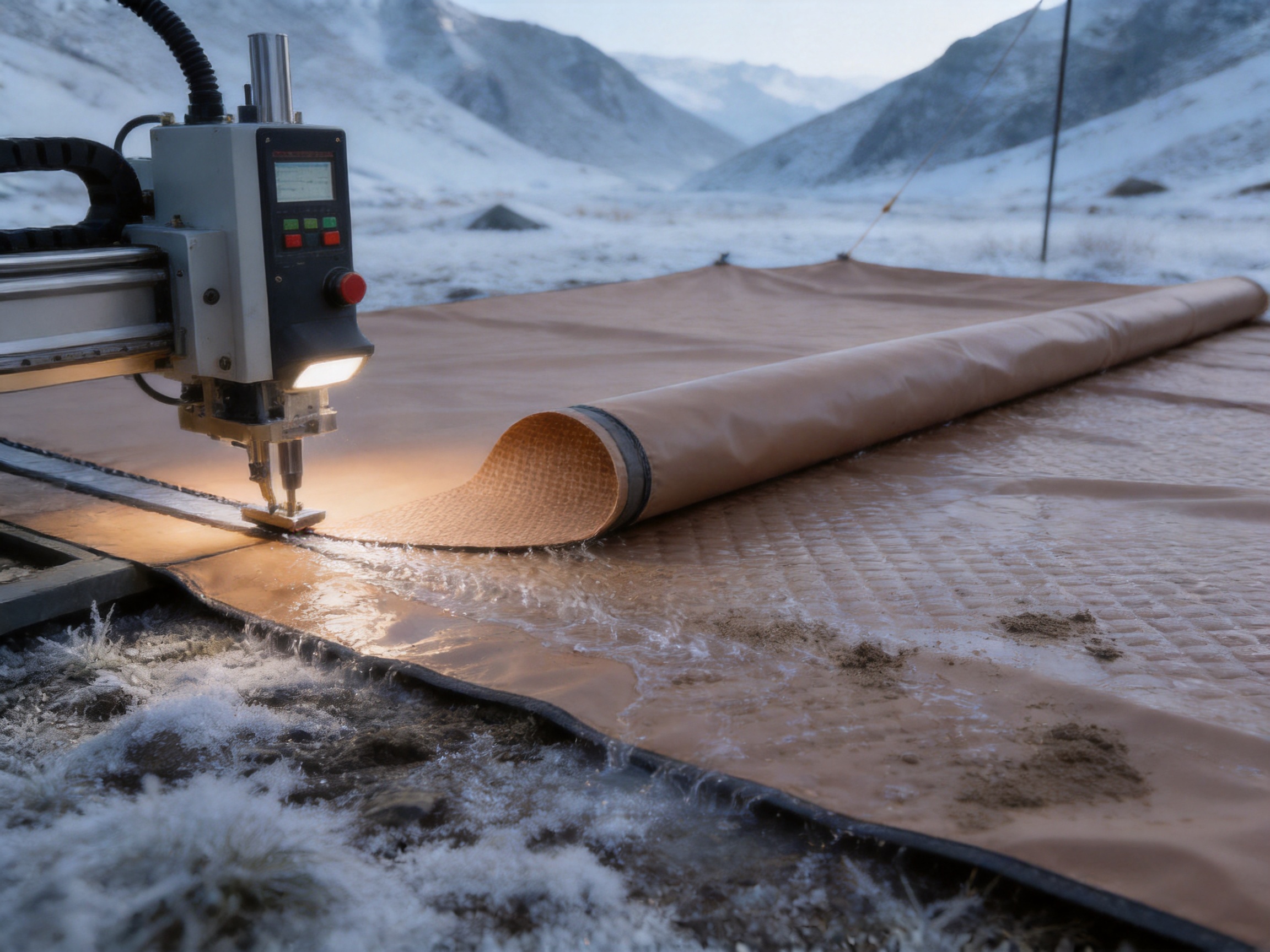
One of the most important advantages of PVC-coated tarpaulin is its compatibility with heat-sealing and hot-wedge welding. Traditional needle stitching creates perforations. Even when a stitched seam is strong, the needle holes can provide pathways for water to enter. For a tent floor mat, where moisture protection is central to the product function, seam construction is as important as the base material.
Heat-sealing joins compatible coated surfaces through controlled temperature, pressure, and movement. Hot-wedge welding can create broad, continuous seams without the line of needle holes associated with conventional sewing. When the equipment, overlap, temperature, speed, and pressure are correctly controlled, the finished seam can provide highly reliable water resistance.
The material is available in an extra-wide profile of up to 2 meters, which can support efficient manufacturing layouts and reduce the number of joints required in larger products. Wider material can be especially useful for tent floor mats, temporary shelter floors, protective covers, and customized ground sheets. Fewer seams can simplify production and reduce potential weak points.
Manufacturers serving outdoor brands often require repeatable processing rather than material that works only through manual adjustment. Consistent coating thickness, stable width, and predictable welding behavior help improve production efficiency. The tarpaulin is designed for automated hot-wedge welding and heat-sealing operations, allowing converters to integrate it into professional fabrication workflows.
Automated processing can improve seam alignment, reduce labor variation, and support consistent product dimensions. It also enables manufacturers to produce multiple sizes with a repeatable method. For private-label and contract manufacturing programs, this consistency is important because customers expect each production batch to perform in the same way.
A properly welded seam eliminates the traditional needle-hole issue. This supports the production of leak-resistant tent floors and ground mats, particularly when the welded overlap is correctly designed and tested. Finished goods should be checked through visual inspection and suitable water-resistance testing according to the buyer’s quality requirements.
It is important to distinguish between the waterproof potential of the material and the performance of a finished product. Seam design, edge treatment, corners, zippers, reinforcement patches, storage conditions, and installation all affect the final result. The material provides a strong foundation for leak-resistant construction, but the converter must apply the appropriate process controls.
A tent floor is not only a moisture barrier; it is also a walking and living surface. Smooth plastic can become uncomfortable or unstable when wet. The specially treated top surface of this tarpaulin is designed to provide an anti-slip texture, helping create a more secure footing inside the tent or on a temporary outdoor floor.
An anti-slip surface can be useful when users enter with wet shoes, move equipment, or arrange sleeping systems. It may also support safer movement in temporary shelters, outdoor storage areas, market stalls, and event facilities. The texture must be selected according to the intended use because a surface that is too aggressive may be difficult to clean or uncomfortable under bare feet.
For product developers, the textured surface can also create a more premium appearance than a basic glossy sheet. A finished tent floor mat can look and feel more like a purpose-built outdoor accessory rather than an improvised plastic cover. This perception can support stronger retail positioning and better customer satisfaction.
Outdoor equipment regularly encounters mud, dust, grass, food residue, and general camp dirt. A material that absorbs contamination or has a deeply fibrous surface may require extensive cleaning and long drying times. The smooth coated surface of this tarpaulin helps reduce the amount of dirt that becomes embedded in the material.
The anti-static coating layer is designed to help repel mud, dust, and camp grime. After a trip, users can generally rinse the surface with clean water and remove loose dirt before drying and folding the mat. This simple maintenance routine saves time and supports more hygienic storage.
Easy cleaning offers an important advantage to rental businesses and commercial camping operators. Equipment used by multiple customers must be cleaned and inspected efficiently between deployments. A surface that rinses easily can reduce labor requirements and shorten turnaround time. It can also help limit the buildup of odors caused by trapped moisture and organic debris.
For best results, loose soil should be brushed or rinsed away before the mat is folded. If mud has dried onto the surface, soaking or gentle washing is preferable to aggressive scraping. Mild cleaning products may be used when appropriate, but harsh chemicals, abrasive tools, and uncontrolled high-temperature washing should be avoided unless specifically approved for the material.
The mat should be allowed to dry before long-term storage. Folding wet material for extended periods may encourage odor or mildew in the surrounding environment, even when the PVC surface itself is resistant to water. Storage in a cool, dry, ventilated area will help preserve appearance and flexibility.
Camping does not occur only during warm weather. Hiking tents, emergency shelters, fishing camps, winter markets, and seasonal outdoor facilities can expose materials to low temperatures. Some plastics become hard or brittle in cold conditions, increasing the risk of cracking when folded or opened.
This tarpaulin is designed to remain flexible without embrittlement under low-temperature conditions. That characteristic supports all-season use in outdoor products where the material may be packed in a cold vehicle, deployed on frozen or damp ground, and folded again after use.
Low-temperature flexibility is particularly valuable for manufacturers selling into regions with cold winters or significant seasonal changes. It can help reduce customer complaints associated with cracking during installation. As with all coated fabrics, the actual operating range should be confirmed through application-specific testing, because exposure time, wind, folding radius, and temperature extremes can affect performance.
The value of this product becomes clearer when it is compared with common alternatives. Each material type has a place in the market, but the reinforced PVC tarpaulin offers a broad combination of benefits for users who need more than basic temporary coverage.
Thin plastic sheets are inexpensive and lightweight, but they may puncture or tear when placed on gravel, branches, or rough soil. They can also move easily in wind and may lack a stable walking surface. The reinforced PVC tarpaulin provides greater weight, structure, and mechanical resistance, making it more suitable for repeated use and demanding ground conditions.
Uncoated textile materials can be breathable and flexible, but they may absorb water or allow moisture to pass through. Once wet, they may take longer to dry and can retain dirt. PVC coating adds an impermeable barrier and creates a surface that is easier to rinse. The coated construction is therefore better suited to applications where moisture exclusion is a primary requirement.
Unreinforced PVC film can be waterproof, but it may not offer sufficient resistance to tearing or pulling. A cut in a film can spread quickly if the product is dragged or caught on an obstacle. The internal woven reinforcement of tarpaulin distributes stress and supports stronger, more durable finished products.
Sewn construction can be practical for many textile products, but needle holes may compromise water resistance. Welding-compatible PVC tarpaulin enables manufacturers to replace or supplement sewn seams with heat-sealed joints. This is especially valuable in tent floor mats, where continuous moisture protection is a key selling point.
The material is produced by Haining Taiwei New Material Co., Ltd., a manufacturer established in July 2010 in Haining Dingqiao Industrial Park, Zhejiang Province, China. The company is positioned close to Shanghai and Ningbo ports, which supports access to international logistics networks and helps facilitate export-oriented production.
The company specializes in PVC films, digital printing fabrics, tarpaulin films, frontlit and backlit materials, double-sided printing fabrics, mesh, and other light box cloth products. This product range demonstrates experience across coated fabrics and flexible PVC-related materials. Such a product portfolio can support customers that purchase several categories of media or require coordinated material sourcing for different outdoor and display applications.
The factory is equipped with advanced calendering equipment, multiple production lines, and professional bonding facilities. Calendering is a key process for producing consistent PVC films and coatings. It involves controlled heating and pressure to form the material into a uniform sheet or coating layer. Proper control of temperature, roller pressure, line speed, and formulation helps determine thickness, appearance, flexibility, and surface quality.
Multiple production lines provide flexibility for handling different material specifications, colors, widths, weights, and surface treatments. Professional bonding facilities support the development of laminated or coated structures in which the PVC layer must remain securely attached to the base fabric. These capabilities are directly relevant to tarpaulin performance because coating consistency and adhesion affect waterproofing, durability, and processing behavior.
The company reports an annual output of 45 million square meters. Large production capacity can be valuable for wholesalers, importers, outdoor brands, and project-based buyers that require stable supply. It may also support repeat orders when a product becomes part of a regular catalog or a seasonal procurement program.
Scale alone does not guarantee quality, but it can provide the infrastructure needed for standardized processes, production planning, material testing, and customer service. Buyers should still confirm specifications, tolerances, testing methods, packaging requirements, and quality procedures for each order.
More than 98% of the company’s products are exported to Europe, America, the Middle East, Southeast Asia, and other regions. Export experience can help a manufacturer understand the importance of documentation, packaging, communication, lead-time planning, and product consistency for international customers.
Different regions may have different requirements for flame retardancy, labeling, environmental compliance, packaging, and performance testing. Buyers should discuss the applicable standards before ordering and request the necessary technical documents or samples for approval.
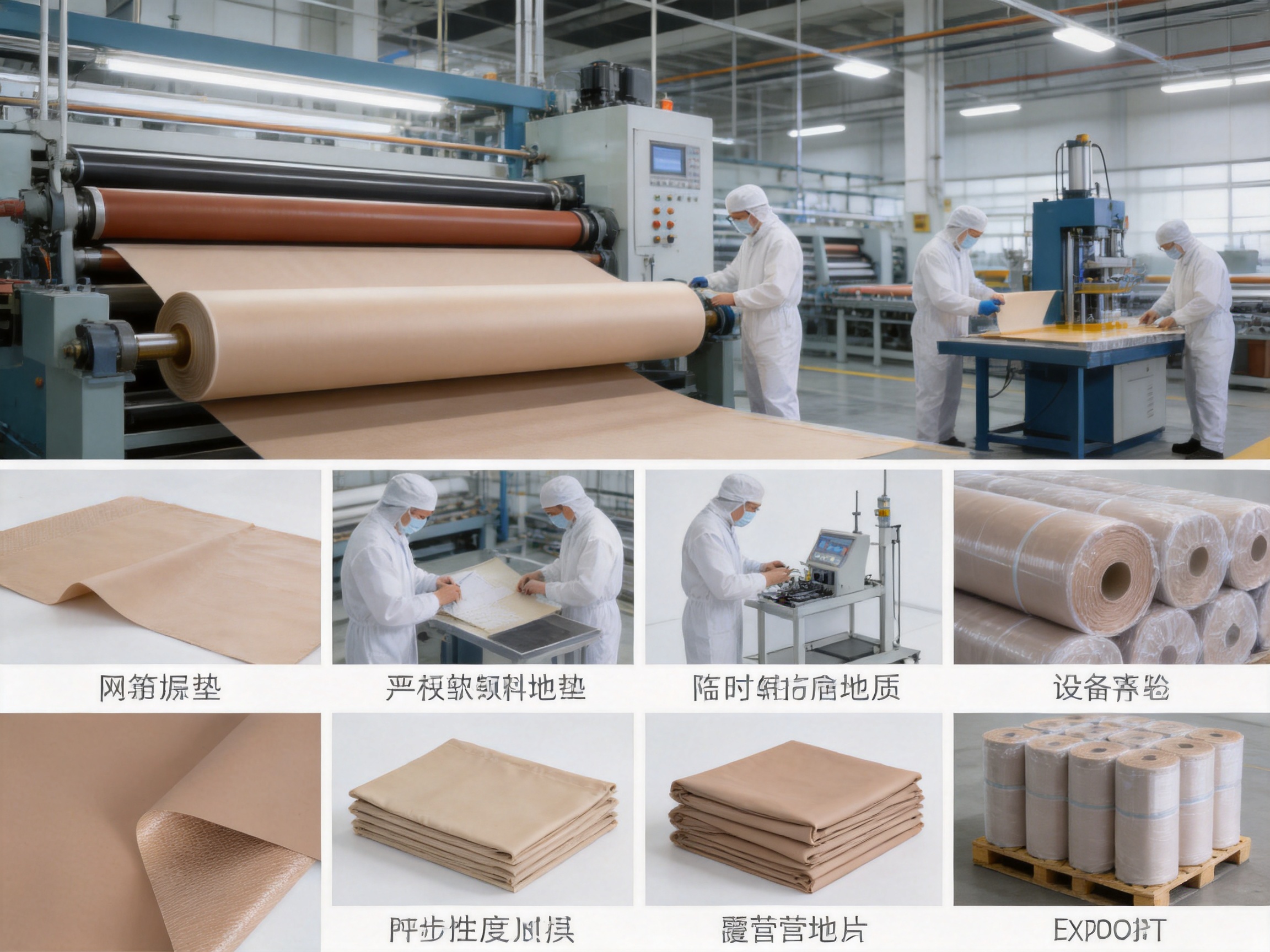
Outdoor brands need materials that can be translated into clear consumer benefits. This tarpaulin supports several marketable features: moisture protection, wear resistance, anti-slip performance, easy cleaning, foldable storage, cold-temperature flexibility, and compatibility with professional welding processes.
These features can be used in product descriptions, packaging, catalogs, and technical sales materials. For example, a finished tent floor mat can be presented as a durable ground barrier designed to reduce dampness, protect against rough terrain, and simplify post-trip cleaning. A premium camping brand may also emphasize welded construction and a stable, textured surface.
The material can support private-label products because it is suitable for cutting and fabrication into custom dimensions. Buyers may specify finished length and width, edge reinforcement, corner treatments, printed markings, carrying bags, or packaging formats. The exact options should be confirmed with the manufacturer during technical discussions.
Although the primary application is a tent floor mat, the material can be adapted for several related products:
• Tent footprints and underlays that provide an additional moisture barrier beneath a tent.
• Camping ground mats for family trips, group camps, and outdoor recreation.
• Picnic mats that require easy cleaning after contact with grass, soil, and food.
• Temporary shelter floors for events, exhibitions, markets, and outdoor activities.
• Protective covers for camping equipment, storage items, and outdoor furniture.
• Ground protection sheets used during construction, maintenance, or temporary work.
• Utility mats for fishing, hunting, emergency response, and field operations.
• Custom protective liners for transport cases, equipment shelters, and mobile work areas.
When purchasing coated tarpaulin for tent floor applications, buyers should evaluate more than nominal weight. A complete purchasing review should consider the base fabric, coating adhesion, tensile strength, tear strength, coating appearance, width, thickness, flexibility, welding behavior, and packaging condition.
Samples should be processed using the intended welding or heat-sealing method. The buyer can then assess seam appearance, peel resistance, dimensional stability, and water resistance. This is important because a material that performs well in a laboratory or supplier sample may behave differently if the converter uses different equipment settings.
Rolls should be inspected for coating defects, pinholes, uneven color, creases, contamination, and width variation. The acceptance criteria should be agreed before mass production. For large orders, retained samples from approved production lots can help support future comparisons.
A finished mat should be tested under realistic conditions. Water can be applied to the surface and seams to check for leakage. The product can also be folded and unfolded repeatedly, dragged over a controlled rough surface, and inspected for coating damage. If the mat includes welded corners, handles, eyelets, or reinforcement patches, these areas should receive separate attention.
For professional or regulated markets, buyers may require additional testing for flame retardancy, UV resistance, mildew resistance, cold flexibility, chemical resistance, or colorfastness. The manufacturer should be consulted regarding available grades and test documentation.
Durability is an important part of responsible material selection. A product that withstands repeated use may reduce the need for frequent replacement compared with a disposable sheet that fails after one or two trips. Longer service life can help reduce material consumption and improve the total value of the finished product.
Users should maintain the mat correctly to obtain its expected performance. Cleaning away soil, drying before storage, avoiding unnecessary exposure to sharp objects, and preventing prolonged contact with incompatible chemicals can all contribute to longer service. At the end of its useful life, the product should be managed according to local rules for PVC-coated textiles and composite materials.
Manufacturers and brands should also consider responsible product design. Efficient cutting patterns can reduce production waste, while repairable or replaceable components may extend the life of a tent floor system. Clear care instructions can help consumers protect their purchase and reduce premature disposal.
Before placing an order, buyers should define the intended application and provide the manufacturer with detailed technical information. Important points include finished product dimensions, required roll width, color, surface texture, welding method, expected temperature range, packaging format, and estimated annual volume.
For private-label programs, it is useful to approve a physical sample before mass production. The sample should represent the final material weight, color, surface treatment, and welding behavior. Buyers should also confirm whether the product will be sold as a consumer camping accessory, a professional shelter component, or an industrial protective material, since each market may require different documentation.
Supply planning should account for seasonal demand. Camping products often experience strong sales before spring and summer travel periods, while commercial shelters and emergency products may follow project schedules. Early forecasting can help secure production capacity, avoid unnecessary rush orders, and maintain consistent material specifications throughout the season.
Its main purpose is to serve as a durable, moisture-resistant ground barrier for tent floor mats and related outdoor products. It separates users and equipment from damp, muddy, cold, or abrasive ground conditions.
The tarpaulin uses a reinforced 840D × 840D woven structure with a 12 × 12 construction and a nominal weight of 550 gsm. This provides greater tensile and tear resistance, improved durability, and better suitability for repeated use than many thin, unreinforced plastic sheets.
Yes. The material is designed for hot-wedge welding and heat-sealing. Welding can create continuous joints without the needle holes associated with conventional sewn seams. Processing conditions should be adjusted and verified according to the equipment and finished-product design.
The specially treated top surface is designed to provide an anti-slip texture. This can help create a more stable walking area, particularly when footwear or the surrounding environment is damp.
Loose mud and dirt can generally be rinsed away with water. After cleaning, the mat should be dried before folding and storing. Abrasive tools and harsh chemicals should be avoided unless their compatibility has been confirmed.
The material is designed to remain flexible without embrittlement under low-temperature conditions. Buyers with specialized winter applications should request application-specific testing and confirm the expected operating range before production.
The listed tensile strength is 800/700 N/5 cm in the lengthwise and crosswise directions. Tearing strength is 200/180 N, and adhesion is 60 N/5 cm. These values should be understood as product reference specifications and verified according to the buyer’s testing requirements.
Yes. Potential applications include picnic mats, camping ground covers, temporary shelter floors, equipment covers, protective liners, outdoor storage covers, and other products requiring a flexible, waterproof, wear-resistant coated fabric.
Customization may be possible in areas such as dimensions, color, surface treatment, fabrication method, packaging, and finished-product design. Requirements should be discussed with the manufacturer before sampling and mass production.
The product is manufactured by Haining Taiwei New Material Co., Ltd. in Haining City, Zhejiang Province, China. The company operates production facilities for PVC films, coated fabrics, tarpaulins, mesh, digital printing fabrics, and related flexible materials.
Buyers should confirm the exact specification, roll width, weight tolerance, color, surface finish, welding method, test requirements, packaging, lead time, minimum order quantity, and documentation required for the destination market.
Moisture-proof wear-resistant PVC tarpaulin provides a strong material solution for tent floor mats and other outdoor ground protection products. Its dense waterproof base helps block ground moisture and mud, while its reinforced 840D × 840D construction supports tensile strength, tear resistance, and repeated handling. The 550 gsm weight offers a practical balance between substantial protection and foldable convenience.
The material’s compatibility with hot-wedge welding and heat-sealing gives manufacturers an important advantage when producing leak-resistant finished goods. Its extra-wide profile can support efficient fabrication and reduce the number of seams required in larger products. The anti-slip surface improves walking stability, and the smooth anti-static coating helps users rinse away mud and dirt after outdoor activities.
Low-temperature flexibility, easy storage, and broad application potential further increase the product’s value. For outdoor brands, wholesalers, rental operators, and technical fabricators, it offers a combination of performance characteristics that is difficult to achieve with basic films, uncoated fabrics, or sewn-only constructions.
Backed by calendering equipment, multiple production lines, professional bonding facilities, large annual output, and extensive export experience, Haining Taiwei New Material Co., Ltd. is equipped to support international customers seeking PVC films, tarpaulin fabrics, digital printing materials, mesh, and related coated products. With appropriate product selection, welding control, quality inspection, and care instructions, this tarpaulin can support durable outdoor products designed for repeated use across changing environments.
1. Product specification information for 840D × 840D, 12 × 12, 550 gsm PVC tarpaulin, including tensile strength, tearing strength, and adhesion values.
2. Technical descriptions of PVC-coated textiles, reinforced tarpaulin structures, and heat-sealing applications.
3. General manufacturing principles for PVC calendering, coated-fabric bonding, and hot-wedge welding.
4. Outdoor equipment design guidance concerning moisture barriers, abrasion resistance, low-temperature flexibility, and field maintenance.
5. Manufacturer-provided company information regarding production facilities, product categories, export markets, and annual production capacity.
Moisture Proof Wear Resistant Tarpaulin For Tent Floor Mat
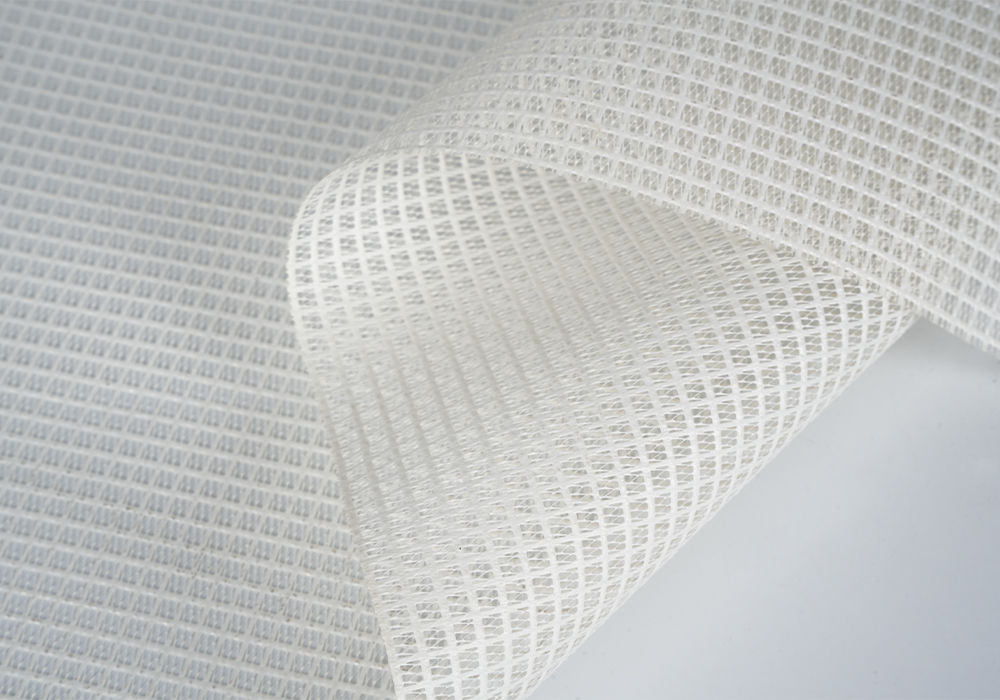 Breathable Wind Resistant Mesh Tarpaulin for Advertising
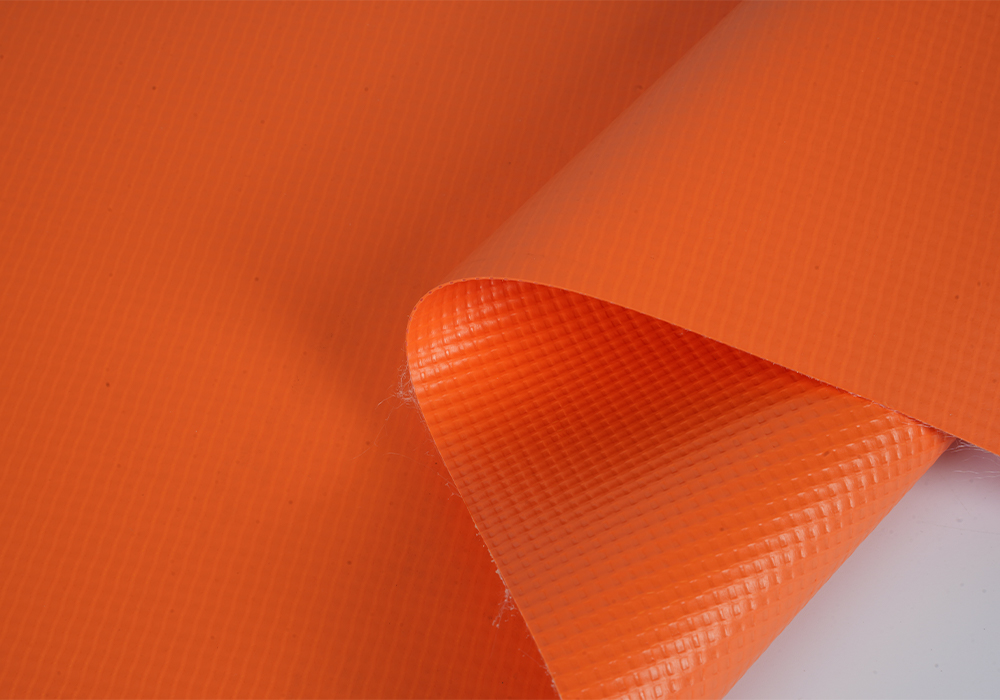 Flexible Wear Resistant PVC Tarpaulin For Luggage Bags
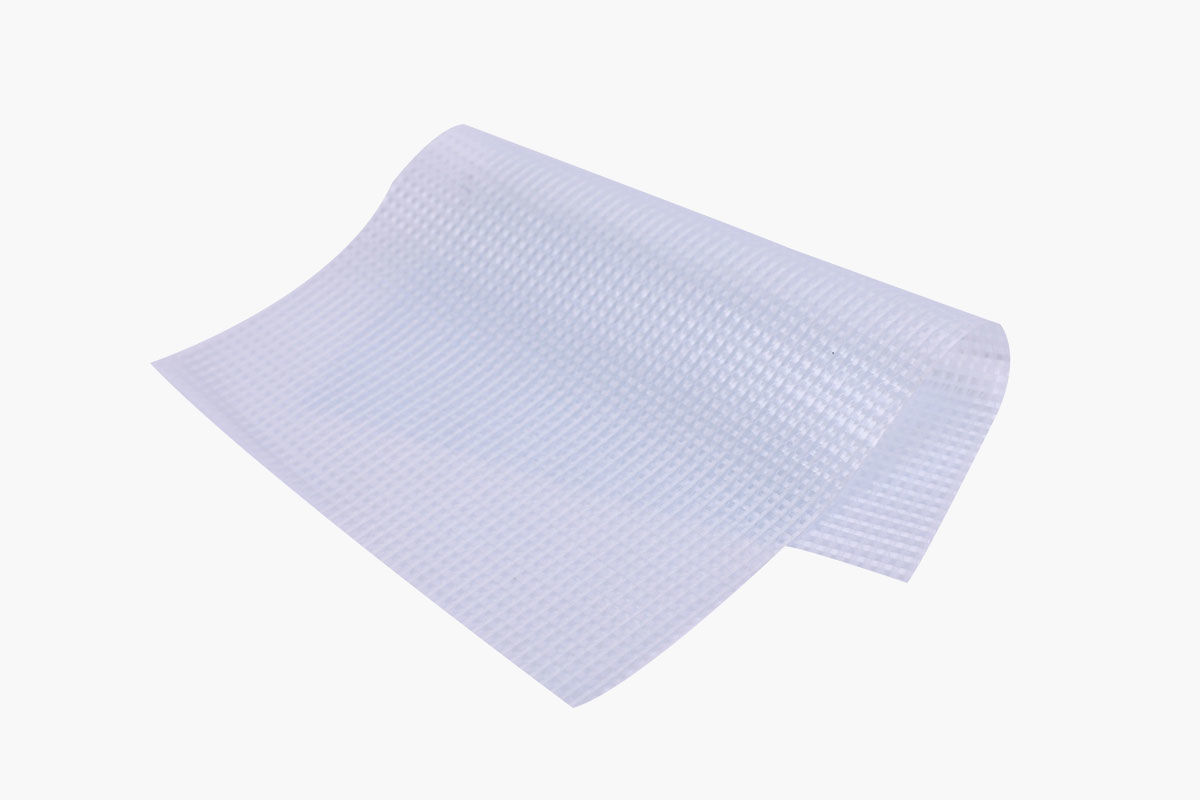 Industrial-Grade Reinforced UV-Resistant Clear Tarpaulin
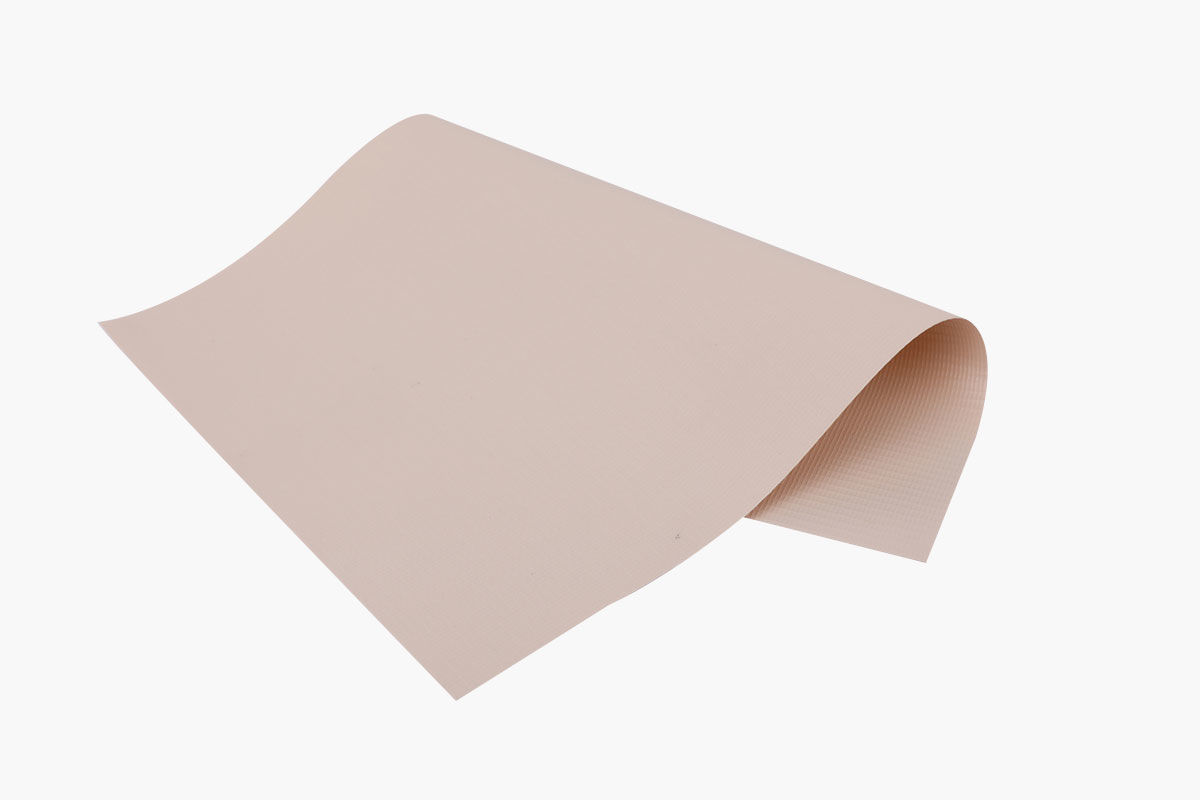 Heavy-Duty Reinforced Waterproof Tarpaulin
 Light Economical Liquid Proof Tarpaulin For Medical Nursing
 Custom Digital Printing Fabric Manufacturers

 Previous