

 English
 中文简体
 Español
News
Home / Author / Luo Zhen — Product After-Sales Service Specialist / Waterproof Stretch-Resistant Event Flex Banner Material for Reliable Outdoor Promotion


Content
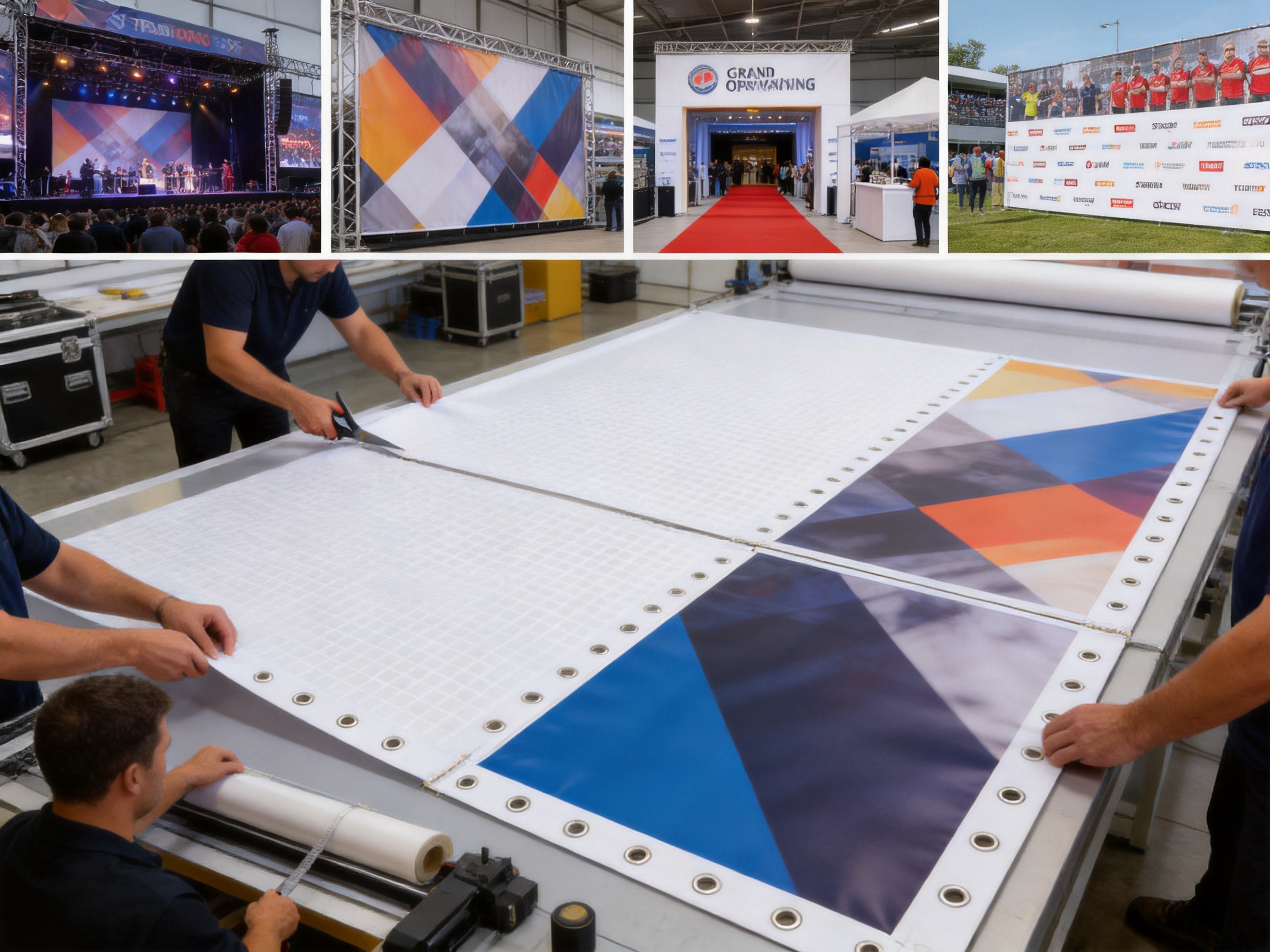
Outdoor advertising materials must perform under changing weather, repeated handling, demanding installation schedules, and different printing requirements. A flex banner used for a sports event, grand opening, performance, exhibition, or temporary promotional campaign must do more than display an attractive image. It must remain flat, maintain strong printed colors, resist moisture, tolerate tension during installation, and support efficient fabrication. The Waterproof Stretch-Resistant Event Flex Banner Material is developed to meet these practical requirements through a combination of a dense waterproof surface, reinforced warp and weft construction, flexible processing characteristics, and dependable ink adhesion.
This material is designed for distributors, print-service providers, advertising fabricators, event contractors, and project buyers who need a versatile banner substrate for short-term and repeated outdoor use. Its construction helps reduce common problems such as ink bleeding, moisture-related mildew, edge deformation, excessive elongation, and difficult on-site splicing. It is compatible with multiple printing technologies and can be cut, joined, finished, and installed according to the requirements of different promotional structures.
Manufactured by Haining Taiwei New Material Co., Ltd., the product forms part of a broader range of PVC films, digital printing fabrics, tarpaulin films, frontlit and backlit materials, double-sided printing fabrics, mesh, and light box cloth products. The manufacturer combines calendering equipment, multiple production lines, professional bonding facilities, and practical experience in exporting advertising materials to international markets.
Event graphics are often installed in locations where the substrate is exposed to wind, rain, condensation, dust, sunlight, and repeated contact. A visually impressive print can lose its commercial value if the banner becomes wrinkled, stretched, stained, or damaged before the event is completed. For this reason, substrate performance is a key part of the total advertising solution.
Traditional low-cost banner materials may appear suitable during initial production but can create difficulties later. A surface with insufficient water resistance may allow moisture to affect the ink layer. A weak base fabric can elongate around eyelets or fixing points. An uneven structure may create visible waves across a large backdrop. Materials that are difficult to cut or splice may also increase labor requirements when a project must be completed under a tight installation schedule.
The Waterproof Stretch-Resistant Event Flex Banner Material addresses these challenges by balancing surface protection, dimensional stability, flexibility, printability, and production efficiency. Rather than focusing on only one performance characteristic, it provides a practical combination for temporary advertising environments where reliable appearance and rapid handling are equally important.
The material belongs to the flex banner category and is intended for printed promotional graphics. Its main performance concept is a dense waterproof surface supported by a reinforced fabric matrix. The surface helps prevent rain, dew, and other forms of moisture from penetrating or disturbing the printed image, while the structured warp and weft base improves tensile resistance.
The reinforced construction helps the banner retain its intended shape when it is stretched across a frame, fixed to a temporary structure, or exposed to moderate handling during installation. This is particularly valuable for wide-format graphics, where even small changes in length or tension can produce visible distortion in logos, lettering, photographs, or repeated patterns.
The material also has a flexible texture that supports cutting and splicing. This allows production teams to prepare large graphics, join sections, adapt dimensions, or complete field modifications without using an unnecessarily complicated fabrication process. The combination of flexibility and strength gives the product a useful balance: it can be handled efficiently without behaving like an unstable or easily deformed sheet.
| Product | Construction | Weight | Tensile Strength | Tearing Strength | Adhesion |
| Flex Banner | 300 × 500D, 18 × 12 | 380 gsm | 200/180 N/5 cm | 100/80 N | 60 N/5 cm |
The listed specifications provide a useful reference for procurement and production planning. The 380 gsm construction offers a substantial material body for event graphics, while the stated tensile strength, tearing strength, and adhesion values support applications requiring reliable handling and fixing. Actual performance can depend on printing conditions, fabrication methods, environmental exposure, installation tension, and the design of the supporting structure.
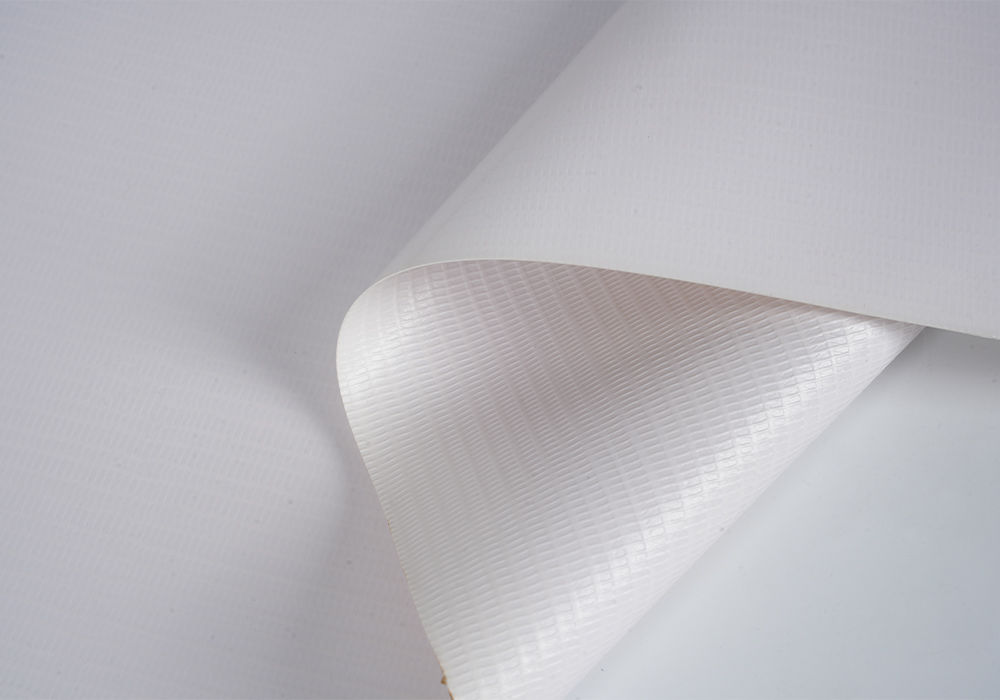
Waterproof Stretch Resistant Event Flex Banner Material
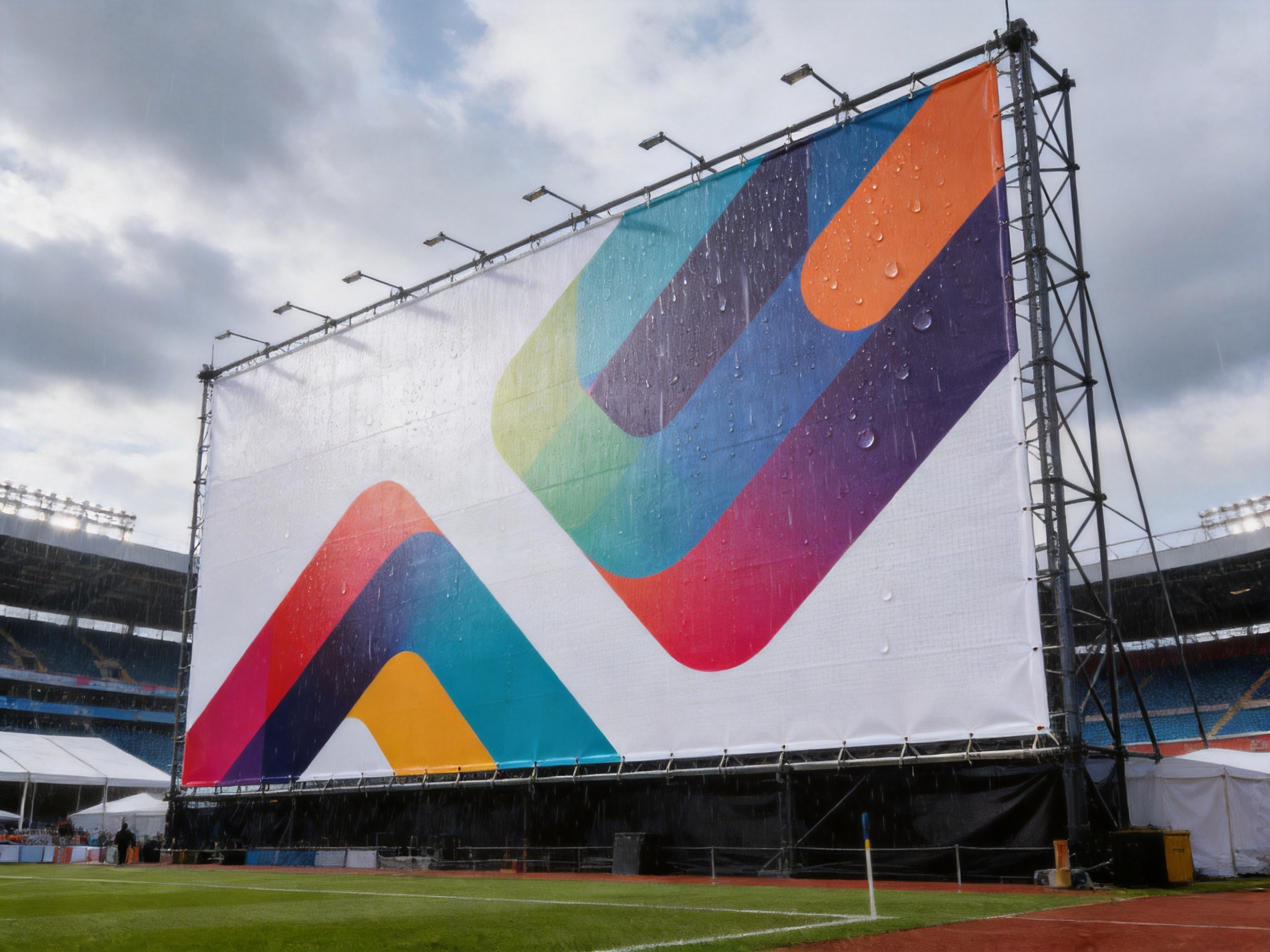
Moisture is one of the most common causes of print damage during outdoor advertising projects. Rain can directly wet the graphic, while dew and condensation may develop overnight or during temperature changes. In humid climates, prolonged moisture exposure can also contribute to surface contamination and fabric mildew. A material intended for outdoor events therefore needs a surface that creates an effective barrier without compromising print quality.
The flex banner uses a high-density hydrophobic surface to help block rain, dew, and moisture. This surface protection reduces the opportunity for water to enter the material structure and disturb the printed layer. By limiting moisture interaction, the material helps reduce the risk of ink bleeding, softened graphics, staining, and moisture-related fabric damage.
Waterproof performance is especially important for banners used at sports grounds, open-air concerts, roadside promotions, festival entrances, temporary fences, and construction-related advertising displays. These applications may not offer complete protection from the weather. A banner could be installed in the afternoon and remain in place through overnight dew, sudden rain, or a humid morning. The waterproof surface gives the graphic a stronger chance of maintaining a clean and professional appearance throughout the campaign.
For print shops and distributors, moisture damage can create more than a visual problem. If a banner must be reprinted because the image has bled or the substrate has developed defects, the supplier may face additional material costs, production delays, transport expenses, and customer complaints. A waterproof surface helps reduce these avoidable risks when the material is correctly printed, finished, and installed.
The product is therefore useful for businesses that want to provide a more dependable outdoor solution rather than simply selecting the lowest initial material price. A slightly more functional substrate can contribute to lower total project costs by reducing waste, rework, urgent replacement production, and labor associated with removing damaged graphics.
Many event banners are not intended to remain in place for several years. However, short-term use does not mean low performance requirements. A banner may be installed, removed, transported, folded, and installed again at another event. During this cycle, moisture resistance remains important because the material may be stored after exposure to rain or condensation.
Proper drying, rolling, packaging, and storage are still necessary, but the dense waterproof surface provides an important first line of defense. It helps protect the printed graphic during the active event period and supports more reliable handling between short-term deployments.
Large-format graphics are sensitive to dimensional changes. When a banner stretches unevenly, the image may appear distorted, the text may lose alignment, and the surface may develop sagging areas. This is particularly noticeable on graphics containing straight lines, architectural images, repeated logos, detailed product photographs, or large lettering.
The flex banner is reinforced with a structured warp and weft matrix. These intersecting yarn directions provide a more stable base than a loosely organized fabric structure. The resulting reinforcement improves resistance to tensile stress and helps reduce elongation when the material is pulled during installation or exposed to handling forces.
Improved stretch resistance supports a flatter presentation across the display area. The material is better suited to applications where the final visual effect depends on a clean, even surface, including stage backdrops, sponsor walls, entrance arches, perimeter banners, retail opening displays, and temporary exhibition graphics.
Banner stress is often concentrated at the edges and around eyelets, ropes, hooks, clips, or other fixing points. If the base fabric is too weak or too extensible, these areas may elongate and cause the banner to pull away from its intended dimensions. Over time, this can create distorted corners, uneven spacing, or local tearing.
The reinforced structure and stated tearing strength help the material cope more effectively with normal fabrication and installation forces. The substrate should still be finished with suitable edge reinforcement and correctly spaced fixing points, but its construction provides a stronger foundation for these processes.
Flatness is not simply a technical feature; it directly influences how viewers perceive the advertised brand or event. A smooth banner communicates organization and quality, while a loose or heavily distorted graphic can make a temporary installation look unfinished. For corporate events, product launches, sports sponsorships, and public ceremonies, this difference can affect the perceived value of the entire presentation.
By combining a reinforced matrix with flexible handling characteristics, the material helps production teams achieve a more stable visual result without sacrificing ease of fabrication. It is a practical option for projects where appearance must remain controlled under active event conditions.
Event advertising projects frequently involve nonstandard dimensions. A print shop may need to produce a long stage background, a series of connected wall panels, a curved promotional structure, or a large backdrop assembled from several sections. The ability to cut and splice the material efficiently can have a major effect on project cost and completion time.
The flex banner has an upgraded flexible texture that supports straightforward cutting and joining. Fabricators can prepare sections according to the size of the printing equipment, transport limitations, installation area, or structural design. When large graphics must be produced in multiple pieces, efficient splicing can help create a coordinated final display while reducing unnecessary handling.
On-site adaptability is another advantage. Event venues may have unexpected dimensions, restricted access, or last-minute layout changes. A material that can be modified and joined with practical tools gives installation teams greater flexibility. It can also reduce the time required to correct dimensional differences or complete a large promotional wall under tight scheduling conditions.
Event installation often takes place within a narrow time window. A sports venue may be accessible only before spectators arrive. A performance hall may allow setup between rehearsals. A grand opening may require all branding to be completed overnight. In such situations, the material must support efficient handling rather than add complexity to the installation process.
Easy cutting and splicing can shorten preparation and assembly time. Fewer complicated fabrication steps mean that teams can focus on alignment, tensioning, edge finishing, and secure attachment. This may help reduce labor hours, overtime exposure, and the risk of missing the event deadline.
Efficient fabrication is also valuable for distributors serving multiple print shops or installation contractors. A material that performs consistently during cutting and joining can simplify training, production instructions, and project quotation. It becomes easier to estimate how much material, labor, and finishing time are required for different banner formats.
A banner substrate must work well with the printing systems available to the customer. Different print providers may use different equipment, ink systems, curing methods, and finishing workflows. The Waterproof Stretch-Resistant Event Flex Banner Material is designed to be compatible with multiple printing technologies, allowing it to serve a broad range of production environments.
Strong ink adhesion is important because the printed image must remain attached to the surface during handling, installation, folding or rolling, transportation, and outdoor use. Poor adhesion can lead to scratching, flaking, reduced color density, and premature visual deterioration. The stated adhesion value of 60 N/5 cm provides a reference point for evaluating the material in production and quality-control procedures.
Print providers should still establish suitable machine settings through testing. Ink type, temperature, drying or curing conditions, print speed, color density, and finishing methods can influence the final result. A substrate may provide a strong foundation, but correct process control remains essential for achieving consistent output.
Event graphics often contain multiple visual elements, including sponsor logos, directional signs, event names, dates, photographs, product messages, and brand colors. The substrate must provide a stable base so these elements remain visually coherent across the finished banner.
The material’s flatness and ink adhesion characteristics help support clean graphic presentation. When the substrate resists excessive stretching, printed lettering is less likely to become visibly distorted. When the surface supports ink attachment, color areas and fine details can remain more stable during normal use.
Print businesses vary widely in their equipment and operating methods. Some specialize in rapid short-run event work, while others produce large quantities for distributors, advertising agencies, or regional installation companies. A flexible banner material that can fit different printing and finishing workflows is easier to introduce across a customer base.
This versatility can help distributors offer one material for several common applications instead of maintaining an unnecessarily large number of similar products. It may also simplify inventory management and make it easier for sales teams to recommend a reliable substrate according to project requirements.
Every project should be evaluated according to its required service conditions, but reinforced waterproof materials generally offer practical advantages over basic substrates that have limited moisture resistance or weaker dimensional stability. The most important differences are seen during fabrication, installation, and outdoor exposure rather than in a simple visual inspection of an unused roll.
| Performance Area | Basic Banner Material | Waterproof Stretch-Resistant Event Flex Banner Material | Practical Benefit |
| Moisture protection | May provide limited resistance depending on surface treatment | Dense hydrophobic surface designed to block rain, dew, and moisture | Helps reduce ink bleeding and moisture-related damage |
| Dimensional stability | May elongate or sag under installation stress | Reinforced warp and weft matrix improves tensile resistance | Supports a flatter, more professional display |
| Fabrication | May require more careful handling during cutting and joining | Flexible texture supports cutting and splicing | Improves production and installation efficiency |
| Print durability | Performance can vary according to surface quality | Strong ink adhesion supports stable printed graphics | Helps preserve visual quality during handling and use |
| Event suitability | Best suited to controlled or less demanding conditions | Designed for outdoor events and frequent short-term use | Provides a broader application range |
The comparison does not mean that every basic banner material is unsuitable. Indoor applications, low-stress displays, and highly controlled environments may require fewer performance features. However, when a project involves outdoor moisture, large dimensions, visible tension, or rapid installation, the additional protection and reinforcement of this product can provide greater operational confidence.
Sports venues require branding that can withstand active installation environments and outdoor exposure. Sponsor walls, boundary graphics, entrance banners, team backdrops, award-stage panels, and directional signs may all benefit from waterproof protection and improved flatness. The material can help maintain sponsor visibility even when the venue experiences rain, dew, or frequent handling by event personnel.
Performance stages and concert areas often use large printed backgrounds that must look clean under strong lighting and from a distance. Uneven tension can create distracting folds or shadows, while moisture can damage graphics during outdoor shows. The product’s reinforced structure and water-resistant surface make it suitable for temporary stage branding, artist backdrops, sponsor displays, and access-area graphics.
Corporate team-building events may take place at resorts, parks, sports centers, or outdoor recreation areas. These activities usually involve fast setup, temporary branding, and repeated movement of equipment. Flexible fabrication and reliable outdoor performance can support welcome signs, activity-zone banners, team identification graphics, and photography backdrops.
Grand openings depend on visual impact and schedule reliability. Promotional banners may be installed around a building exterior, entrance, temporary stage, or roadside area. Since the event date cannot usually be postponed because of a small production problem, a substrate that supports efficient preparation, strong printing, and moisture resistance can help protect the launch investment.
Trade fairs and exhibitions often require graphics that are transported, assembled, adjusted, and dismantled within a short period. The material can be used for wall panels, promotional backdrops, hanging graphics, temporary dividers, and branded display surfaces. Its flexibility supports efficient fabrication, while its dimensional stability helps maintain a professional appearance after installation.
The quality of a flex banner depends not only on its formulation but also on the production systems used to manufacture and finish it. Haining Taiwei New Material Co., Ltd. was established in July 2010 and operates in Haining Dingqiao Industrial Park, Zhejiang Province, China. The location provides convenient access to Shanghai and Ningbo ports, supporting the movement of raw materials and finished products for domestic and international orders.
The company specializes in PVC films, digital printing fabrics, tarpaulin films, frontlit and backlit materials, double-sided printing fabrics, mesh, and other light box cloth products. This product range gives the manufacturer experience across several related advertising-material categories. Knowledge gained from producing different substrates can support improvements in coating, fabric integration, surface treatment, bonding, and finishing.
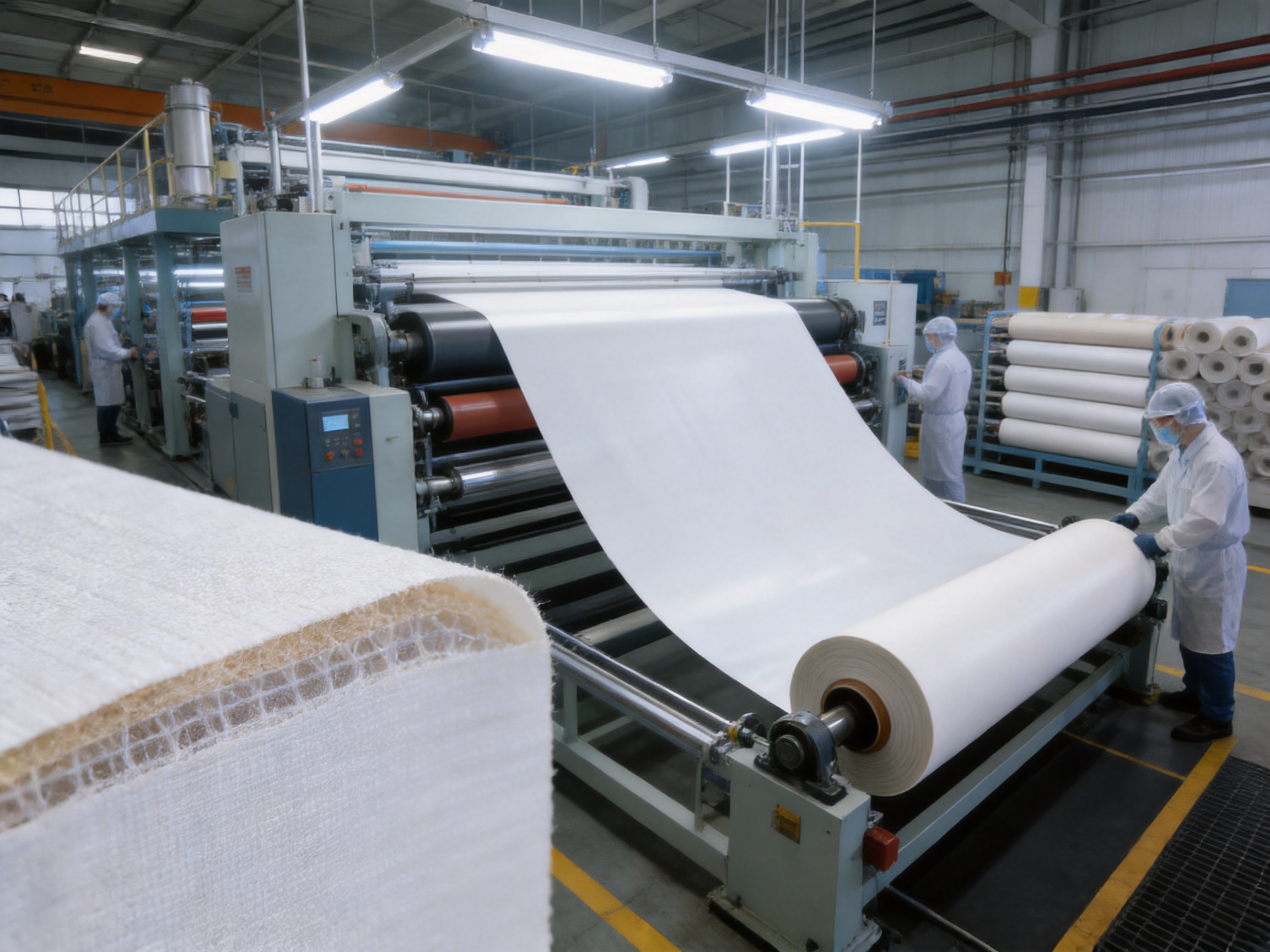
Calendering is an important manufacturing process for PVC-based materials and coated advertising substrates. It uses controlled pressure and heat to form, combine, or finish material layers. Advanced calendering equipment can contribute to more consistent thickness, surface quality, coating distribution, and physical appearance.
For a flex banner, process consistency is important because variations in thickness or coating can affect printing, cutting, joining, flexibility, and dimensional stability. Controlled production helps create rolls with more uniform characteristics, making them easier for print shops to process and more predictable for distributors to specify.
Multiple production lines support larger output capacity and production flexibility. The company reports an annual output of 45 million square meters across its product range. This capacity allows it to serve regular orders, larger project requirements, and customers operating in several regions.
Production capacity alone does not guarantee product quality, but it can provide advantages when combined with standardized procedures, experienced personnel, and quality control. Customers may benefit from more stable supply planning, better support for repeat orders, and the ability to coordinate different material categories through one manufacturing partner.
Bonding is relevant to the construction and finishing of many advertising materials. Professional bonding facilities can help produce reliable layer integration and support the fabrication of finished products requiring joined or laminated structures. Consistent bonding is particularly important where the material must maintain surface integrity during cutting, printing, splicing, handling, and installation.
The presence of dedicated bonding equipment also indicates that the manufacturer is equipped to manage more than basic roll production. It can support product development and manufacturing control across different constructions, including materials intended for specialized printing and display applications.
More than 98 percent of the company’s products are exported to Europe, America, the Middle East, Southeast Asia, and other regions. Export experience requires attention to packaging, documentation, communication, production scheduling, and consistency across repeat orders. It also exposes the manufacturer to different climate conditions, application requirements, and customer expectations.
International customers often need more than a product catalog. They may require technical specifications, roll information, sample approval, customized packaging, production updates, and assistance with application selection. A manufacturer experienced in international supply can be better positioned to coordinate these needs and support distributors serving their own regional markets.
The company emphasizes technological innovation, high-quality products, and customer service. Its broader product portfolio includes materials with cold resistance, flame retardancy, UV resistance, antistatic performance, mildew-proof properties, and antibacterial properties. Not every listed characteristic necessarily applies to every flex banner specification, so buyers should confirm the required grade before ordering. Nevertheless, the range demonstrates a manufacturing focus on functional advertising substrates rather than commodity material alone.
To obtain the best results, customers should select the material according to the planned print process, display duration, fixing method, and environmental conditions. A sample trial is recommended before large-scale production, especially when using a new printer, ink system, laminating process, or finishing method.
Before printing, the roll should be inspected for visible surface contamination, abnormal wrinkles, damage, or handling marks. The material should be acclimatized to the production environment when necessary. Printer settings should be adjusted through testing so that ink density, drying, curing, and color output are appropriate for the selected equipment.
Large solid-color areas should be checked carefully because they can reveal uneven feeding, surface variation, or tension differences more readily than detailed images. Test prints also help confirm that the selected ink system achieves the desired adhesion and that the printed surface is dry or cured sufficiently before finishing.
Cutting tools should be clean and correctly aligned. When multiple panels are joined, the artwork should be prepared with suitable overlap, seam allowance, and registration marks. Splicing methods should be selected according to the installation environment and the expected load. A neat seam contributes to both appearance and structural reliability.
Although the material is designed for flexible processing, installers should avoid excessive pulling or twisting during assembly. The goal is to use the product’s stretch resistance to achieve a flat display, not to apply unnecessary force that could overload the fixing points or supporting frame.
Installation structures should be strong enough for the banner size and local environmental conditions. Fixing points should be distributed evenly, and corners should be reinforced when the application involves repeated tension. Proper spacing helps prevent concentrated stress and supports a smoother surface.
For outdoor use, the installer should also consider wind exposure, drainage, surrounding structures, and safe access. A waterproof material can resist moisture, but it should not be treated as a substitute for correct structural design. Large banners can create significant wind load, so the complete display system must be engineered and installed responsibly.
After removal, the banner should be cleaned if necessary and allowed to dry before storage. It should be rolled rather than sharply folded when the graphic surface or installation conditions require it. Storage should take place in a cool, dry environment away from direct sunlight, sharp objects, excessive heat, and incompatible chemicals.
These practices help preserve the appearance and handling characteristics of the material between short-term events. Reuse suitability depends on the original exposure, printing method, finishing quality, storage conditions, and the care taken during removal.
For distributors, the product offers a clear selling proposition based on several connected benefits: waterproof protection, improved resistance to stretching, flexible processing, printing compatibility, and dependable visual presentation. These features can be communicated to customers who are concerned about outdoor reliability but still need an efficient material for temporary promotions.
For print-service providers, the product can help support a wider range of event work without requiring a complex fabrication system. It can be positioned for projects where a basic banner may not provide sufficient protection or dimensional control. The ability to cut and splice efficiently may also help companies accept larger jobs than their printer width would otherwise allow.
For event agencies and contractors, material reliability can reduce the possibility of last-minute replacement and installation delays. A banner that prints consistently, handles efficiently, and remains stable after tensioning contributes to smoother project management. While total results depend on the complete production and installation process, the substrate is an important part of risk control.
It is primarily used for printed outdoor and temporary promotional graphics, including sports-event banners, performance backdrops, team-building displays, grand-opening graphics, sponsor walls, exhibition panels, and other event advertising applications.
The material features a dense hydrophobic surface designed to block rain, dew, and moisture. This helps reduce ink bleeding and moisture-related fabric damage. Correct printing, finishing, installation, and storage practices are still necessary for reliable outdoor performance.
Its warp and weft base is reinforced with a structured matrix that improves tensile resistance. This construction helps reduce elongation and sagging when the banner is handled, tensioned, or installed across a display structure.
Yes. The flexible texture supports cutting and splicing, making it suitable for large backdrops and multi-panel promotional graphics. The final design should include appropriate seams, overlaps, and installation allowances.
The material is designed to be compatible with multiple printing technologies and provides strong ink adhesion. Because printer and ink conditions vary, customers should conduct production tests to confirm color output, drying or curing, and adhesion before a large order.
The listed specification is 380 gsm. This weight provides a substantial flex banner structure for event graphics while retaining flexibility for cutting, splicing, transport, and installation.
The listed tensile strength is 200/180 N/5 cm, the tearing strength is 100/80 N, and the adhesion value is 60 N/5 cm. These values should be considered together with the planned finishing method, fixing design, environmental conditions, and test results.
It may be reused for suitable short-term applications when it is removed carefully, dried completely, rolled or stored correctly, and protected from damage. Reuse performance depends on exposure conditions, installation tension, printing quality, and handling.
Buyers should provide information about the intended application, banner size, printing technology, display duration, climate, fixing system, required finish, and expected order volume. A sample or trial production can then be evaluated before full-scale manufacturing.
The manufacturer operates advanced calendering equipment, multiple production lines, and professional bonding facilities. It produces a broad range of PVC films, digital printing fabrics, tarpaulin films, frontlit and backlit materials, mesh, and other display products, with substantial export experience.
The Waterproof Stretch-Resistant Event Flex Banner Material is a practical solution for promotional graphics that must remain attractive and functional during fast-paced outdoor events. Its dense waterproof surface helps protect printed visuals from rain, dew, and humidity-related problems. Its reinforced warp and weft matrix improves tensile resistance and supports better flatness under normal installation stress. Its flexible texture allows efficient cutting and splicing, while its printing compatibility and ink adhesion characteristics support dependable graphic production.
Compared with more basic banner substrates, the product offers a broader balance of protection, dimensional stability, fabrication efficiency, and application versatility. It is suitable for sports events, performances, team-building activities, grand openings, exhibitions, sponsor displays, and other temporary promotional environments where schedule reliability and visual quality are important.
Behind the product is a manufacturer with experience in advertising-material production, advanced calendering equipment, multiple production lines, professional bonding facilities, a reported annual output of 45 million square meters, and an export network covering Europe, America, the Middle East, Southeast Asia, and other markets. For distributors, print shops, event contractors, and project buyers, this combination of product performance and manufacturing capability provides a dependable foundation for outdoor banner programs.
1. Product Specification Sheet, Waterproof Stretch-Resistant Event Flex Banner Material, 300 × 500D, 18 × 12, 380 gsm.
2. Manufacturer Product Information, Flex Banner, Tarpaulin, Mesh Tarpaulin, and Digital Printing Fabric Product Categories.
3. Manufacturer Company Profile, Haining Taiwei New Material Co., Ltd., established July 2010.
4. Technical Principles of PVC Calendering and Coated Advertising Textile Production.
5. General Guidelines for Wide-Format Printing, Banner Finishing, Outdoor Installation, and Material Storage.
Waterproof Stretch Resistant Event Flex Banner Material
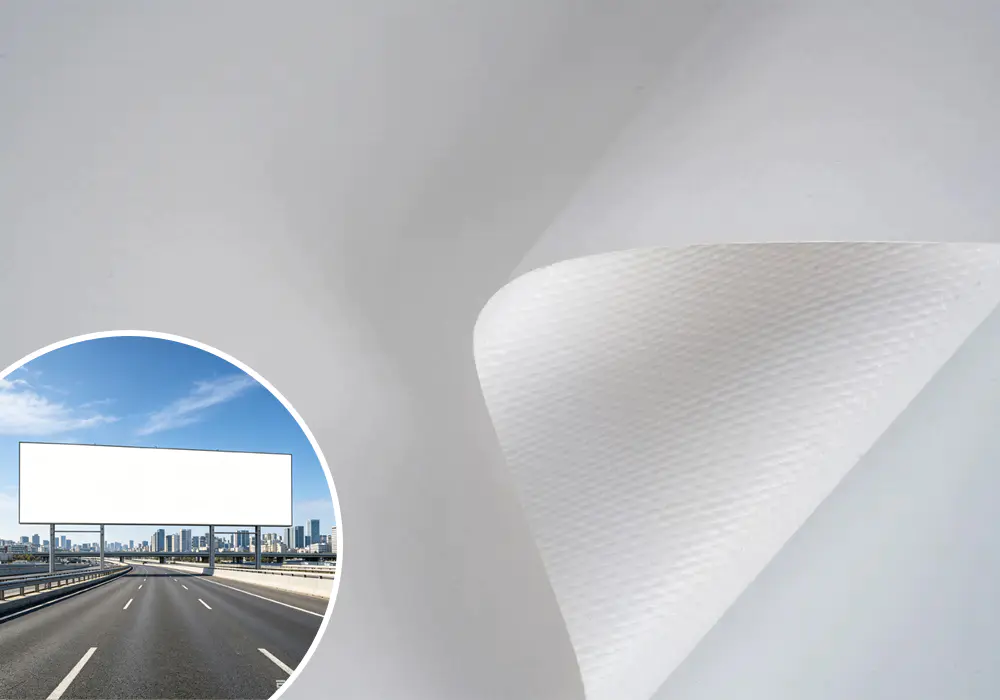 Tear Resistant Large Outdoor Flex Banner Print Cloth
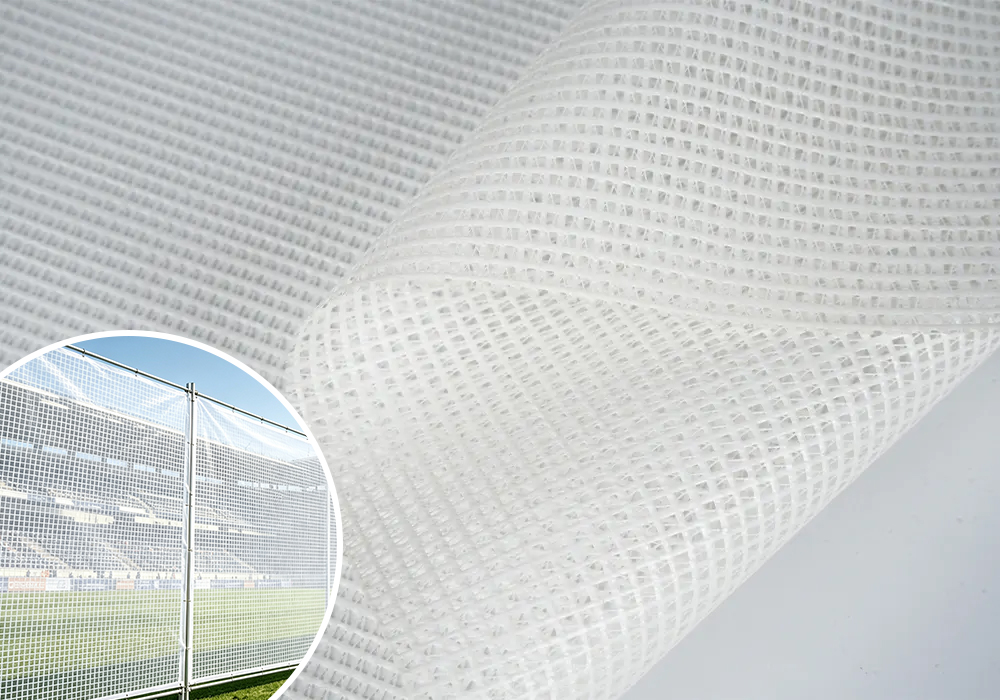 Lightweight Foldable Mesh Tarpaulin for Event Promotion
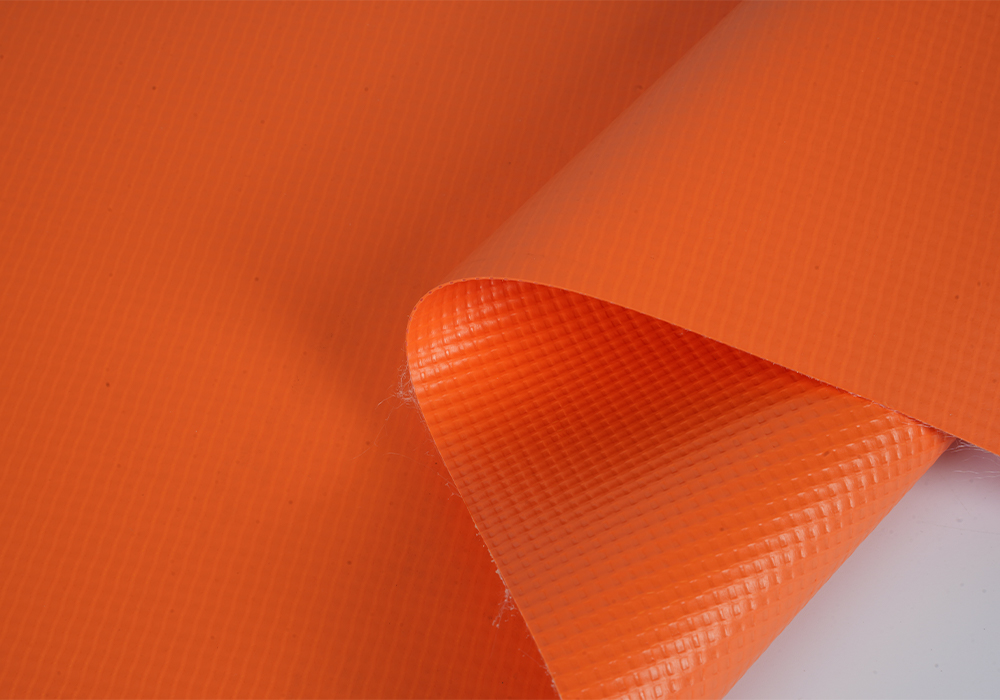 Flexible Wear Resistant PVC Tarpaulin For Luggage Bags
 Reflective Outdoor Advertisement Flex Banner
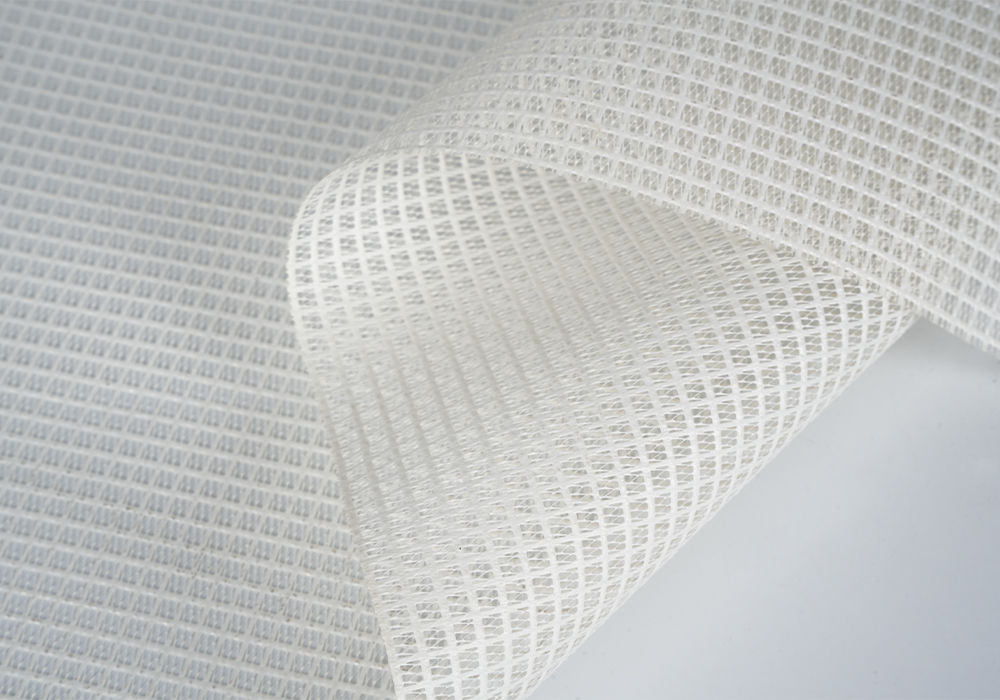 Breathable Wind Resistant Mesh Tarpaulin for Advertising
 Custom Digital Printing Fabric Manufacturers

 Previous