

 English
 中文简体
 Español
News
Home / Author / Shen Yaqin — International Sales Manager / High-Resolution Durable PVC Flex Banner for Professional Indoor and Outdoor Advertising


Content
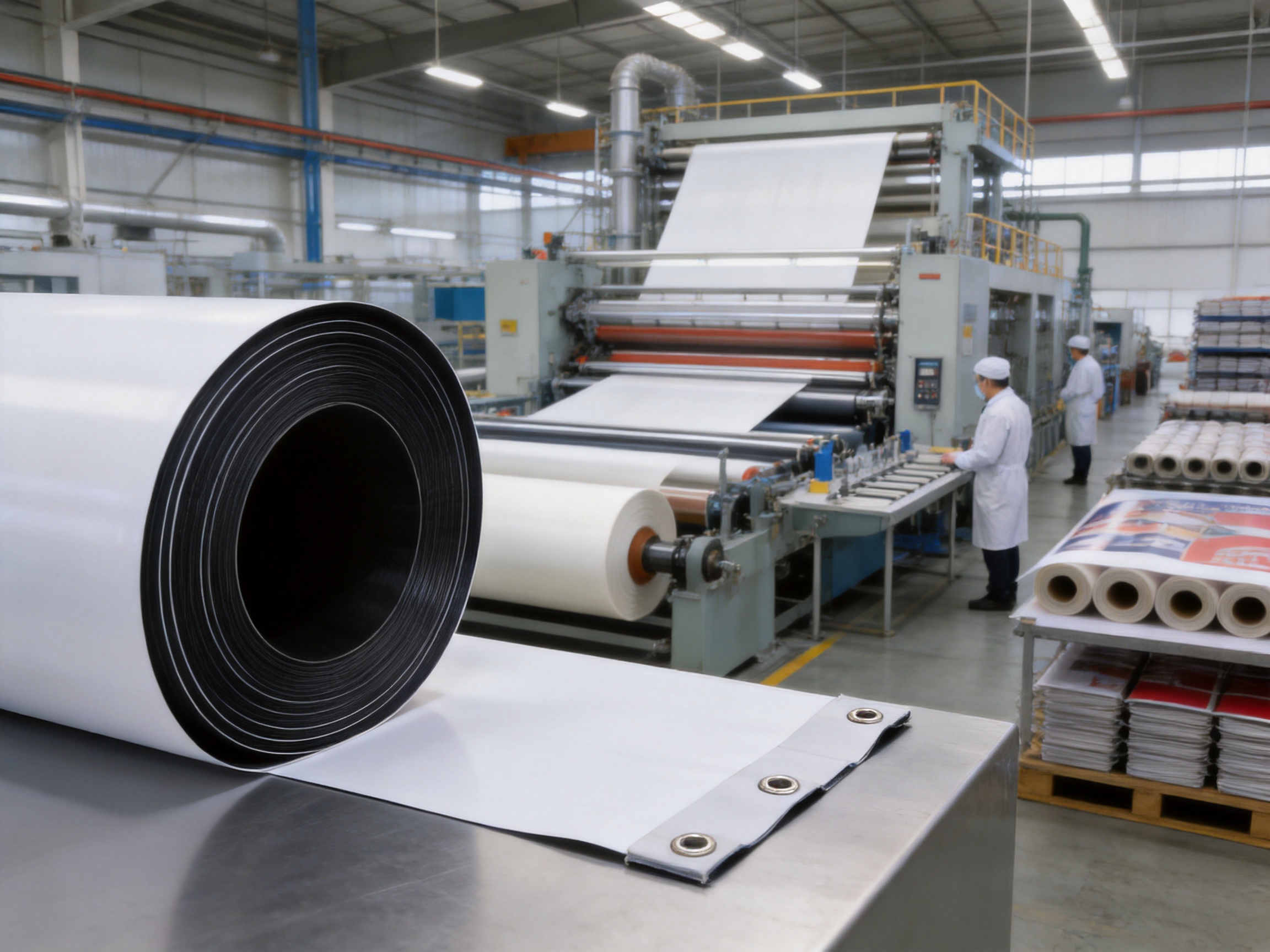
In modern advertising, printed displays must do more than carry a message. They must attract attention from a distance, reproduce images with clarity, remain stable under changing weather conditions, and provide dependable service throughout a campaign. The High-Resolution Durable PVC Flex Banner is designed to meet these requirements through a combination of printable surface quality, reinforced construction, weather resistance, and production flexibility.
This type of flex banner is suitable for retail promotions, building façades, trade-show graphics, event backdrops, roadside advertising, exhibition displays, temporary walls, commercial signs, and many other visual communication applications. Its 280 gsm construction, 200*300D base specification, 18*12 thread configuration, and width capability of up to 5 meters provide a practical balance between print performance, handling convenience, and structural strength.
Produced by Haining Taiwei New Material Co., Ltd., the material reflects the experience of a specialist manufacturer serving international markets. The company develops PVC films, digital printing fabrics, tarpaulin films, frontlit and backlit materials, mesh products, double-sided printing fabrics, and related light-box cloth products. Its manufacturing capabilities include advanced calendering equipment, several production lines, and professional bonding facilities, allowing it to control important stages of material production rather than relying only on external processing.
A flex banner is a flexible advertising substrate made by combining a textile support with PVC coating or film layers. The textile core provides dimensional stability and tensile performance, while the PVC surface creates a smooth, printable layer that can accept digital graphics, lettering, photographs, logos, and promotional artwork.
The quality of a banner depends on more than its appearance immediately after printing. A professional material must maintain acceptable flatness during printing, resist stretching during installation, withstand handling, and preserve its printed image during exposure to sunlight, moisture, dust, and temperature changes. Weak or poorly bonded materials may curl, tear around fixing points, delaminate, or lose visual quality prematurely.
The High-Resolution Durable PVC Flex Banner addresses these concerns with a construction intended for demanding commercial use. Its surface supports vivid, detailed graphics, while its reinforced edges and metal grommets help distribute installation stress. The waterproof surface is easy to clean, and the material is designed for indoor and outdoor applications where consistent visibility is essential.
For advertisers, these characteristics reduce the risks associated with replacing damaged displays, correcting distorted graphics, or installing a banner that does not remain properly tensioned. For printing companies and sign manufacturers, a stable roll material can also improve workflow efficiency by reducing unnecessary adjustments and minimizing production waste.
The primary purpose of a promotional banner is visual communication. A message that cannot be read clearly or an image that appears dull may fail even when the banner is physically strong. The printable surface of this product is developed for high-resolution digital printing, supporting sharp text, defined edges, smooth color areas, and detailed photographic images.
High-resolution output is particularly important when a banner includes small product information, contact details, pricing, QR-style graphic elements, brand marks, or complex photographs. A suitable PVC flex surface helps ink form a consistent image rather than spreading excessively across the coating. This contributes to cleaner contours and improved readability at both close and medium viewing distances.
Color performance is another important consideration. Advertising materials are commonly used to display corporate colors, product images, seasonal themes, and promotional artwork. A surface that accepts ink evenly can help create stronger color saturation and more uniform visual coverage. The result is a display that remains noticeable in busy retail environments, exhibition halls, streetscapes, and commercial districts.
Printing quality also depends on the printer, ink system, artwork, curing or drying conditions, and color-management process. The banner material provides the foundation for these factors. Professional users can select a printing method and ink technology appropriate for the intended application, viewing distance, and expected exposure.
The material is suitable for graphics that must appear crisp without requiring a rigid signboard. Because the banner can be rolled, transported, cut, finished, and installed in flexible formats, it offers design freedom that is not available with many solid substrates.
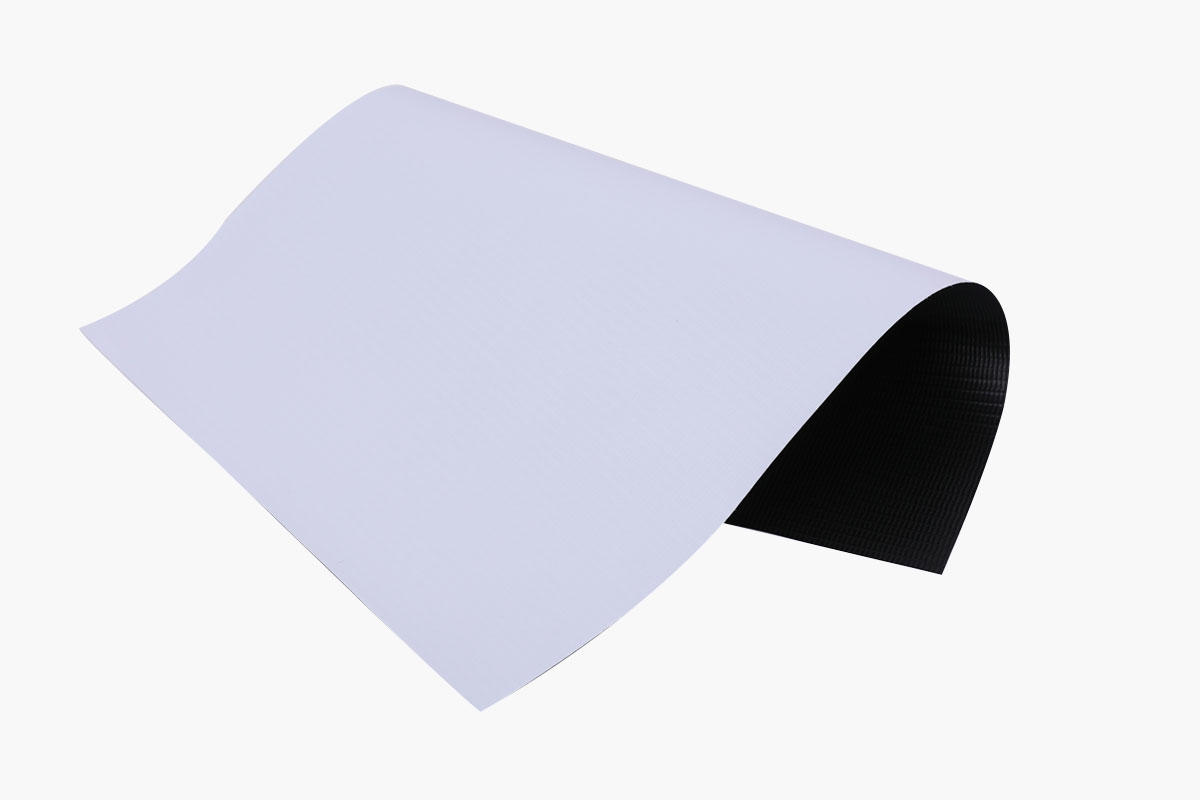
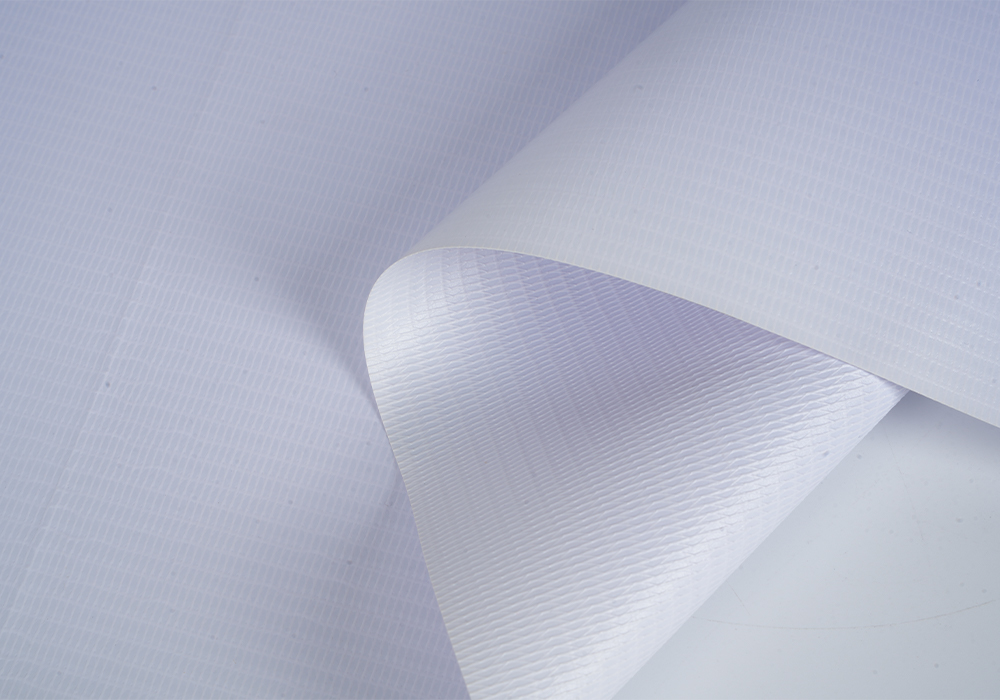
High-Resolution Durable PVC Flex Banner
Outdoor advertising materials are exposed to conditions that are difficult to reproduce in a controlled indoor environment. Rain, humidity, direct sunlight, dust, wind, repeated handling, and changes in temperature can gradually affect the substrate and the printed image. A durable banner must therefore combine a resilient surface with a stable internal structure.
The High-Resolution Durable PVC Flex Banner uses PVC materials selected for toughness and resistance to routine outdoor exposure. Its waterproof surface helps prevent water from penetrating through the printed face during normal rain or cleaning. This makes the banner suitable for temporary and medium-term outdoor campaigns, subject to the specific installation environment, printing system, and local weather conditions.
UV resistance is another important advantage. Prolonged sunlight can cause colors to fade and can weaken exposed polymer surfaces. The product is designed to help preserve color vibrancy during sunlight exposure. Actual service life will vary according to climate, orientation, ink formulation, printing density, installation tension, and campaign duration, but UV-resistant construction provides a stronger starting point than ordinary non-protected materials.
The material is also easy to clean. Dust, light dirt, and surface marks can often be removed with appropriate gentle cleaning methods. A clean banner maintains stronger contrast and more professional presentation, particularly when installed in locations close to roads, construction areas, shopping centers, or public walkways.
Temperature resistance is listed at approximately -15°C to +70°C. This range provides useful flexibility for many indoor and outdoor applications. It supports use in varied climates, although installers should consider local weather extremes, wind loading, mounting method, and the possibility of snow, ice, or severe storms.
The product is identified by item number TWF0203-280. Its total weight is listed as 280 gsm, giving it a practical medium-weight structure for general advertising and display work. This weight can help balance printability and ease of handling without making the roll unnecessarily difficult to transport or install.
The base specification is listed as 200*300D, while the thread configuration is 18*12. These details describe important aspects of the textile support and help buyers compare material construction across product ranges. A consistent textile foundation contributes to dimensional stability and provides reinforcement beneath the PVC coating.
The listed tensile strength is 500/450 N/5 cm. This indicates the material’s resistance to pulling forces in the two principal directions represented in the specification. The listed tearing strength is 90/80 N, providing an additional indication of resistance to the continuation of a cut or tear.
Adhesion is listed at 50 N/5 cm. Strong adhesion between layers is important because a banner must remain structurally unified during printing, rolling, installation, removal, and outdoor exposure. Poor interlayer bonding can result in bubbling, separation, or delamination, especially when the material is folded or subjected to repeated stress.
| Specification | Listed value | Practical significance |
| Item number | TWF0203-280 | Product identification for inquiry and order management |
| Base specification | 200*300D | Describes the textile support construction |
| Thread configuration | 18*12 | Indicates the warp and weft arrangement listed for the fabric |
| Total weight | 280 gsm | Provides a balance between strength, handling, and printability |
| Tensile strength | 500/450 N/5 cm | Supports resistance to pulling during finishing and installation |
| Tearing strength | 90/80 N | Helps resist the spread of a tear |
| Adhesion | 50 N/5 cm | Indicates bonding performance between material layers |
| Temperature resistance | -15°C to +70°C | Supports use across a broad range of operating conditions |
| Maximum listed width | Up to 5 meters | Enables large-format graphics with fewer joins |
The specification sheet also references DIN 75200 for the fire-protection-related listing and GB/T 3923.1-2013 for the tension-testing reference. Buyers should confirm the precise test report, applicable product version, and project-specific compliance requirements before using the material in regulated public interiors, transportation facilities, or other locations with special fire-safety rules.
Many low-cost banners are designed primarily to reduce initial purchase price. Although this may appear attractive, the lowest-priced material may not deliver the best overall value when printing quality, installation labor, replacement frequency, and customer expectations are considered.
One advantage of this product is its combined focus on image quality and physical performance. Some materials offer a smooth printable face but lack sufficient reinforcement for outdoor mounting. Others are physically heavy yet produce inconsistent graphics. This flex banner is intended to provide both a high-resolution printable surface and a durable construction suitable for commercial display work.
The 280 gsm weight is also practical for many users. Very lightweight materials may be easier to transport but can be more vulnerable to wind movement, edge damage, and handling marks. Extremely heavy materials may increase shipping costs and complicate installation. A medium-weight structure can support a broad range of banner sizes while remaining manageable for printing and finishing teams.
The ability to manufacture widths up to 5 meters is another competitive advantage for large-format applications. Wide material can reduce the number of panels and seams required for building advertisements, stage backdrops, exhibition walls, and large promotional structures. Fewer seams may create a cleaner appearance and reduce installation time, although the final width available should be confirmed for each order.
Reinforced edges with metal grommets provide a practical installation benefit. Grommets create defined fixing points for ropes, hooks, cable ties, or other mounting hardware. When used together with properly reinforced edges, they help distribute load and reduce the chance that fastening points will pull directly through the printed sheet.
The banner is lightweight enough to move and reposition compared with rigid sign systems. This is valuable for campaigns that change frequently, temporary event graphics, traveling exhibitions, seasonal retail promotions, and rental display programs. A flexible banner can be rolled for storage and transported more conveniently than many solid panels.
Water resistance and cleanability also improve operational value. A banner that can be gently cleaned and returned to a presentable condition may remain useful for longer than a surface that permanently retains dirt. This is particularly relevant for repeated-use graphics, directional signs, and displays that must look professional throughout an event or campaign.
Manufacturing quality begins with the selection and preparation of the textile base. The support fabric must be formed with an appropriate yarn structure and controlled density. Consistency at this stage helps prevent variations in strength, thickness, and dimensional stability across the roll.
The PVC coating or film system is then prepared according to the intended product characteristics. Formulation choices influence flexibility, surface smoothness, opacity, weather resistance, adhesion, and print receptivity. Additives may be used to support properties such as UV resistance, cold flexibility, flame retardancy, antistatic behavior, mildew resistance, or antibacterial performance, depending on the product series and customer requirements.
Calendering is a key manufacturing process used in PVC material production. In calendering, prepared polymer compounds pass through controlled rollers that shape the material into a film or coating of the required thickness. Pressure, temperature, roller speed, and gap control influence surface uniformity and dimensional consistency.
Advanced calendering equipment allows the manufacturer to manage important production variables more accurately. A stable process can contribute to an even surface, controlled weight, consistent thickness, and reliable bonding with the textile base. These characteristics are important for digital printing because irregular surfaces can affect ink deposition, color density, and media tracking.
After coating or lamination, professional bonding facilities help integrate the layers into a unified structure. The bonding stage must provide sufficient adhesion without making the material unnecessarily brittle. The finished product should remain flexible enough to roll, transport, finish, and install while maintaining structural integrity during use.
Production lines designed for different material families also provide flexibility. A manufacturer capable of producing PVC films, frontlit materials, backlit products, mesh, tarpaulin films, and double-sided printing fabrics can draw on broader technical experience than a supplier focused on a single basic product. This product knowledge can help with material selection for different lighting, viewing distance, exposure, and finishing requirements.
Quality control should cover raw materials, coating or lamination conditions, roll appearance, weight, width, tensile properties, tear resistance, adhesion, and final packaging. Consistent inspection is especially important for export orders, where the material may travel long distances before reaching the printing or installation site.
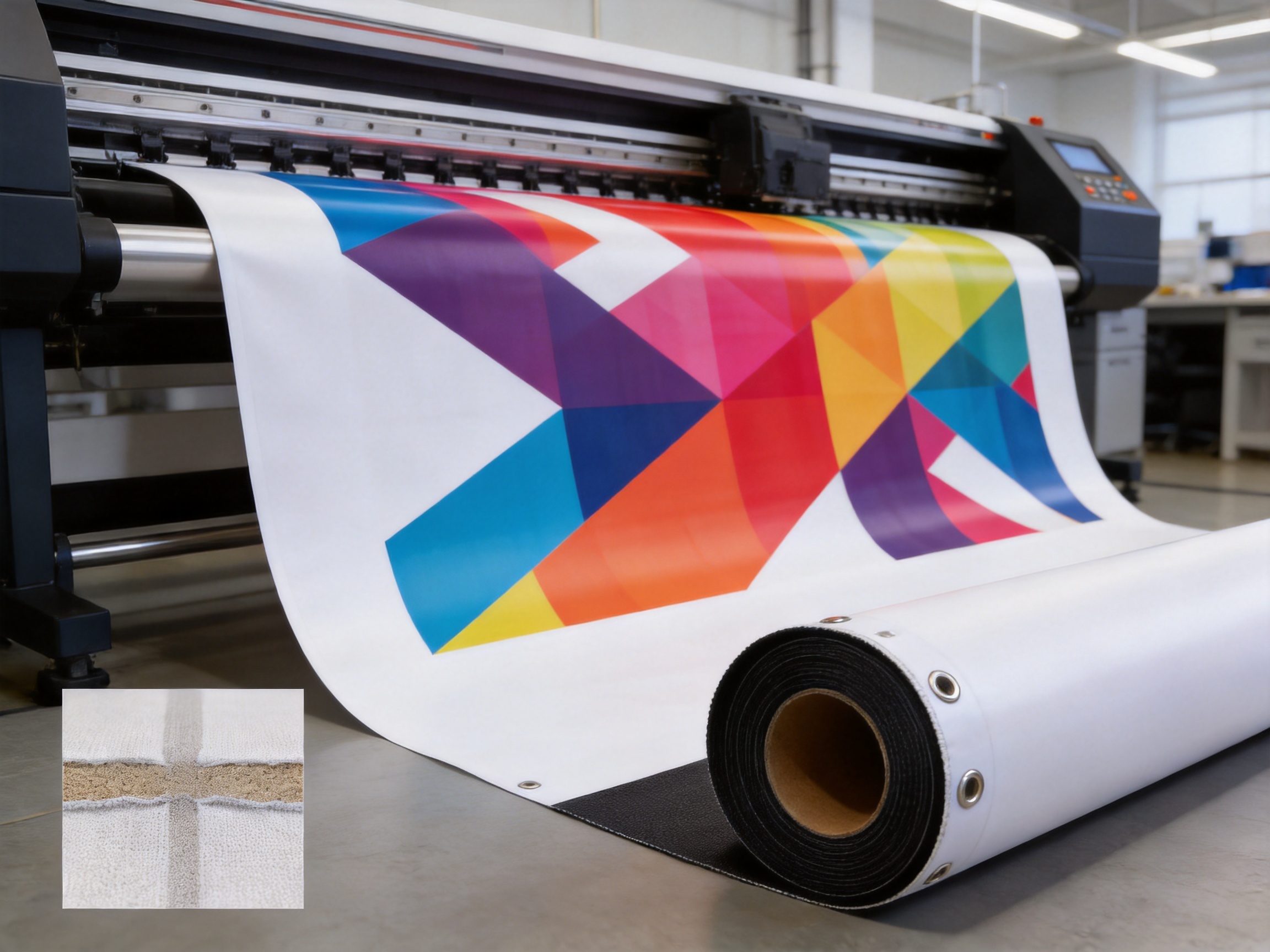
Haining Taiwei New Material Co., Ltd. was established in July 2010 and operates in Haining Dingqiao Industrial Park in Zhejiang Province, China. Its location provides convenient access to major logistics routes and the ports of Shanghai and Ningbo, supporting international shipment planning for containerized orders.
The company identifies itself as a manufacturer and exporter. This is significant for professional buyers because direct factory communication can simplify technical discussions, product customization, packaging coordination, documentation, and production scheduling. It may also reduce the communication gaps that sometimes arise when several trading layers separate the buyer from the actual production site.
The factory reports an annual output of approximately 45 million square meters. A production scale of this kind can support repeat orders, larger project requirements, and multiple material categories. It also suggests that the company has experience coordinating raw-material purchasing, production planning, quality inspection, roll packaging, and export preparation at commercial volume.
More than 98 percent of the company’s products are reported to be exported to Europe, America, the Middle East, Southeast Asia, and other regions. Export experience can contribute to familiarity with varied packaging expectations, shipping procedures, product documentation, and customer requirements across different markets.
The company’s stated product strengths include cold resistance, flame retardancy, UV resistance, antistatic performance, mildew resistance, and antibacterial properties across its product portfolio. These features may vary by specific material series, so buyers should identify the exact required performance when requesting quotations or technical documents.
An ISO9001:2015 and GB/T19001-related quality-management certification is listed in the supplied company information. Certification can support a structured approach to production and quality management, although purchasers should request current certificates and verify that the relevant scope includes the product being ordered.
Retailers can use the banner for seasonal sales, product launches, store openings, clearance campaigns, and short-term promotional messages. The vivid print surface helps create visual impact, while the flexible construction allows graphics to be installed on walls, fences, temporary frames, and storefront structures.
Large-format banners are frequently mounted on commercial buildings, construction fences, parking structures, and development sites. The ability to order widths up to 5 meters can reduce the number of joins on broad surfaces. For exposed installations, the mounting system must be designed to account for wind pressure and the total size of the display.
Exhibitors often need graphics that are easy to transport, quick to install, and visually strong under artificial lighting. PVC flex banners can be used as booth walls, hanging signs, product backdrops, information panels, and sponsor graphics. Their rollable format is convenient for storage and movement between venues.
Concerts, sporting events, conferences, festivals, and community programs may require large printed backgrounds. The material can display event names, sponsor logos, schedules, directional information, or photographic designs. Finishing options should be selected according to whether the banner will be hung, stretched over a frame, or attached to a temporary structure.
Outdoor advertising depends heavily on readability and contrast. High-resolution graphics can help viewers recognize a message quickly, while UV-resistant and waterproof characteristics support use in changing weather. Design teams should use large type, strong contrast, and concise messaging when the banner will be viewed by passing traffic.
The banner can also be used for wayfinding, temporary safety messages, venue identification, parking guidance, and public notices. Its lightweight construction makes it practical for temporary systems that must be installed, removed, and repositioned as site conditions change.
Correct finishing is essential to achieving the expected performance of a printed banner. The edges should be cut cleanly, and reinforcement should be applied where the product will be exposed to pulling forces. Metal grommets should be installed at suitable intervals according to the banner’s dimensions and the mounting environment.
Grommet spacing should reflect the size of the banner, expected wind exposure, and the type of support structure. A large outdoor banner may require more fixing points than a small indoor poster. Fasteners should hold the banner securely without creating excessive localized stress.
Where possible, the banner should be installed with even tension. Excessive tension may place unnecessary stress on the edges and grommets, while insufficient tension can produce wrinkles, flapping, and poor visual presentation. The mounting frame or support surface should be inspected before installation.
During transportation, the material should generally be rolled rather than sharply folded. Rolling helps reduce permanent creases and protects the printed surface. Heavy objects should not be placed on top of finished rolls, and the material should be stored in a clean, dry area away from direct heat and prolonged sunlight before use.
When cleaning is required, users should begin with a soft cloth or sponge, clean water, and a mild cleaning solution suitable for the printed surface. Abrasive pads, aggressive solvents, and sharp tools may damage the PVC surface or printed image. A small test area can be checked before cleaning the entire banner.
For outdoor applications, installers should inspect the banner periodically. Signs of edge wear, loose grommets, unusual stretching, surface damage, or weakened support points should be addressed promptly. Routine inspection helps protect the display, nearby property, and people in the surrounding area.
Artwork should be prepared at a resolution appropriate for the intended viewing distance. A banner viewed several meters away does not require the same source-image resolution as a close-view exhibition graphic, but logos, small text, and fine line work should always be created from clean, high-quality source files.
Designers should allow sufficient bleed beyond the trim area, particularly when the banner will be hemmed or fitted with reinforced edges. Important text and logos should be positioned away from edges, seams, and grommet locations. This reduces the chance that essential content will be obscured during finishing or installation.
Color management is important when accurate brand colors are required. The printer should use an appropriate color profile and conduct suitable test output for critical campaigns. Ink coverage, drying, and curing should follow the recommendations of the selected printing system.
For outdoor displays, color contrast should be evaluated in bright sunlight as well as cloudy conditions. Dark text on a light background or light text on a dark background can improve readability. Overly complex imagery may reduce the effectiveness of a message when viewers have only a few seconds to see it.
Because the banner is flexible, it can be printed as a single large graphic or produced in panels for wider structures. When panels are necessary, the design should include overlap or alignment allowances so that the final installation appears continuous.
Buying directly from an experienced manufacturer can provide advantages beyond the material itself. Technical teams can discuss the intended application, required width, weight, surface finish, printing method, fire-related documentation, packaging, and delivery schedule before production begins.
Direct communication is particularly valuable when a buyer requires private labeling, customized roll lengths, special packaging, a specific surface finish, or a combination of frontlit, backlit, mesh, and tarpaulin products. The manufacturer’s broader product portfolio may make it easier to coordinate related materials for one project or purchasing program.
Haining Taiwei New Material Co., Ltd. lists a minimum order quantity of one 20-foot container, with pricing available by consultation. Delivery is listed at approximately 20 working days, although the final schedule may depend on product selection, quantity, raw-material availability, production planning, inspection, and shipping arrangements.
Payment and delivery terms are listed as earnest money plus balance, with T/T and L/C payment options and FOB, CIF, CNF, and related delivery arrangements. Buyers should confirm the exact commercial terms, production lead time, port, packaging method, and documentation requirements in the purchase contract.
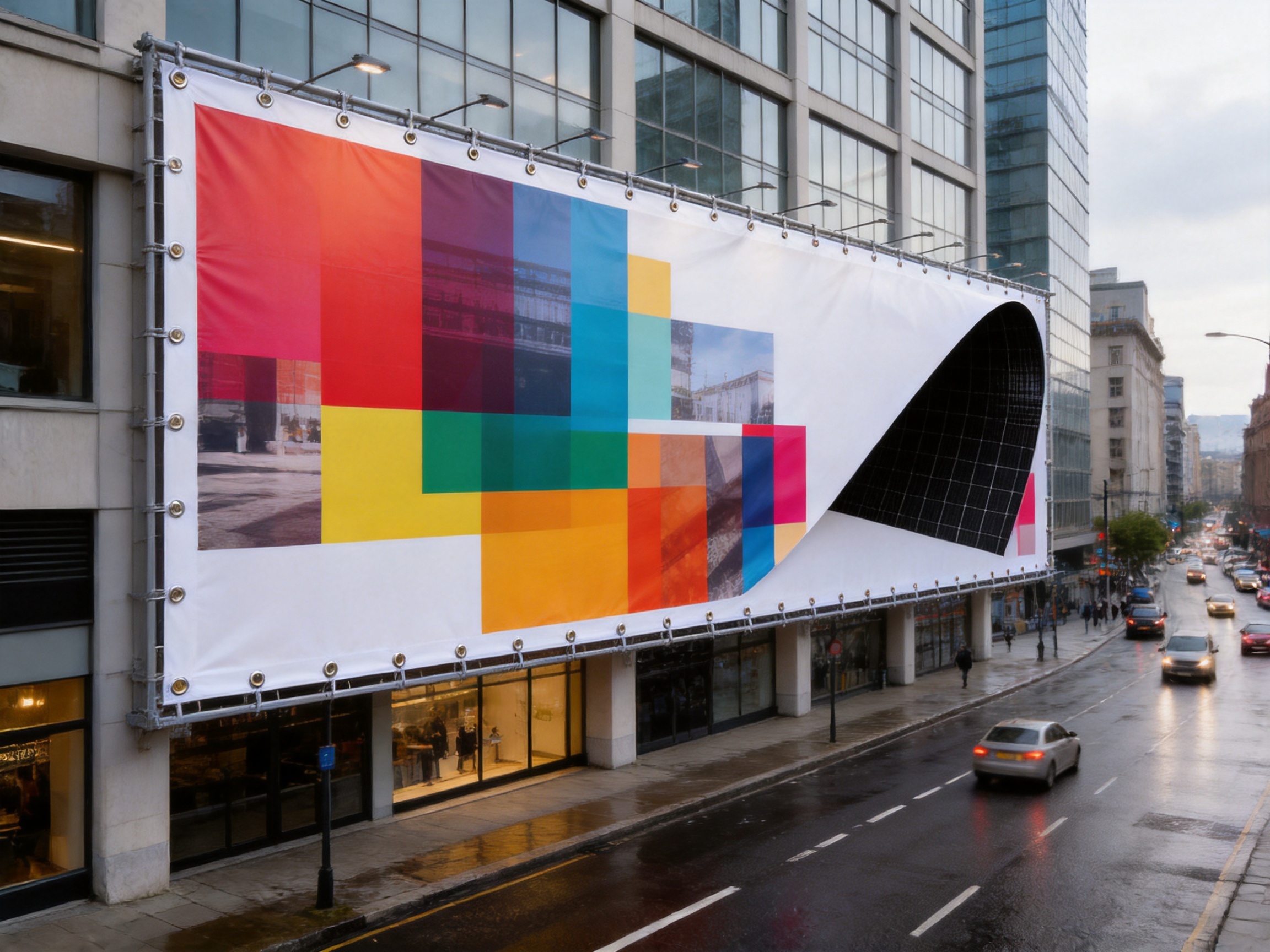
Before placing an order, buyers should confirm the exact product series, item number, total weight, usable width, roll length, surface finish, and intended printing technology. Similar-looking materials can have different coating formulations and performance characteristics, so the technical specification should match the application.
It is also advisable to request a sample or trial roll where practical. A sample allows the printer to check media feeding, ink compatibility, drying behavior, color appearance, cutting, hemming, grommet installation, and final presentation before committing to a large quantity.
For outdoor use, buyers should explain the expected exposure conditions. Information about climate, installation direction, campaign duration, wind, temperature, and mounting structure can help the supplier recommend a more appropriate material or finishing method.
For regulated projects, buyers should request applicable test reports and certificates. The supplied information references fire protection and tension testing standards, but project owners may require specific classifications, test dates, laboratories, or regional compliance documents.
Packaging should also be discussed. Rolls may require protective wrapping, moisture protection, strong cores, palletization, labels, batch information, or container-loading instructions. Good packaging helps preserve the material during transportation and simplifies warehouse identification after delivery.
| Purchasing question | Why it matters |
| What is the exact item number? | Prevents confusion between similar banner materials |
| What is the required finished width? | Confirms whether a single wide panel or multiple panels are needed |
| Which printing system will be used? | Helps verify compatibility with ink and equipment |
| How long will the banner be exposed outdoors? | Supports appropriate selection of UV and weather-resistant materials |
| What are the local temperature and wind conditions? | Influences material choice, reinforcement, and installation design |
| Are special fire documents required? | Ensures the supplied documentation meets project regulations |
| What finishing is needed? | Determines hemming, grommet placement, welding, or edge reinforcement |
| What packaging and delivery terms are required? | Reduces transport risks and supports accurate project planning |
Responsible material management should be considered throughout the banner’s life cycle. Accurate measurement and careful artwork planning can reduce offcuts. Efficient nesting of graphics may lower material waste during production, particularly for repeated signs or multiple campaign sizes.
Reusable banners can provide better operational value than single-use graphics when the design and finishing are suitable for repeated installation. A durable surface, reinforced edges, and careful storage may allow a banner to be used for recurring events or seasonal campaigns.
At the end of service, disposal requirements may vary by region and by the composition of the printed and coated material. Businesses should consult local waste-management rules and investigate available recycling or responsible-disposal options. PVC-containing products should not be burned in uncontrolled conditions.
Durability itself can contribute to resource efficiency by reducing the frequency of replacement. A banner that retains acceptable appearance and structural performance for a longer campaign may require fewer replacement materials, fewer shipping movements, and less installation labor.
For commercial printers and distributors, consistency between batches is a major purchasing consideration. Stable weight, width, surface appearance, and coating performance help ensure that printing settings remain repeatable. This reduces the need to recalibrate equipment for every roll and can improve production planning.
Customer service is also part of product value. Questions about technical specifications, sample approval, container loading, delivery timing, and documentation should receive clear responses. A manufacturer with experience in international markets is better positioned to understand the importance of communication during each stage of an order.
Haining Taiwei New Material Co., Ltd. emphasizes technological innovation, product quality, and customer service. Its manufacturing scope and export orientation provide a foundation for serving distributors, printing companies, advertising contractors, and project-based buyers in different regions.
Buyers should nevertheless evaluate each order according to its own requirements. A suitable supplier relationship is built through confirmed specifications, approved samples, clear inspection criteria, realistic delivery expectations, and documented commercial terms.
It is designed for indoor and outdoor advertising, including retail promotions, exhibitions, trade shows, building signs, event backdrops, roadside campaigns, temporary walls, directional graphics, and commercial displays.
The listed total weight is 280 gsm. This medium-weight construction provides a practical balance of handling convenience, printability, and physical strength for many general advertising applications.
The listed width is up to 5 meters. The available production width, roll length, and any minimum order conditions should be confirmed for the specific order.
Yes. The product is described as waterproof, UV-resistant, and durable for outdoor advertising. The actual service life depends on climate, exposure, printing technology, installation method, wind, and campaign duration.
The technical information lists temperature resistance from approximately -15°C to +70°C. Buyers should assess local conditions and confirm suitability for unusually severe environments.
Yes. The product is designed for high-resolution printing and is suitable for sharp text, vivid colors, logos, photographic images, and detailed promotional artwork when used with an appropriate printer and ink system.
It can be finished with reinforced edges and metal grommets. Ropes, hooks, cable ties, or other suitable fasteners may be used, depending on the support structure. Installation should provide even tension and account for wind and banner size.
The material should be rolled, protected from moisture and direct sunlight, and stored in a clean, dry area. Heavy objects should not be placed on the rolls, and sharp folding should be avoided.
Yes. The waterproof surface can generally be cleaned with water, a soft cloth or sponge, and a mild suitable cleaning solution. Abrasive materials and strong solvents should be avoided unless compatibility has been confirmed.
The supplied specification references DIN 75200 in connection with the fire-protection-related listing and GB/T 3923.1-2013 for the tension-testing reference. Buyers requiring formal compliance should request the applicable reports and current documentation for the exact product.
The product is manufactured in China by Haining Taiwei New Material Co., Ltd., located in Haining, Zhejiang Province. The company operates production facilities for PVC films, digital printing fabrics, tarpaulin films, frontlit and backlit materials, mesh, and related products.
The supplied commercial information lists a minimum order quantity of one 20-foot container. Buyers should confirm whether the requirement changes according to product series, width, color, packaging, or customized specifications.
The listed delivery time is approximately 20 working days. The final lead time should be confirmed after specification approval, order confirmation, payment arrangements, production scheduling, inspection, and shipping coordination.
The High-Resolution Durable PVC Flex Banner is a versatile material for businesses and advertising professionals that require strong visual performance together with dependable physical construction. Its high-resolution printable surface supports vivid graphics and clear text, while its waterproof, UV-resistant, and easy-to-clean characteristics make it suitable for a wide range of indoor and outdoor displays.
The listed 280 gsm weight, 200*300D base, 18*12 thread configuration, 500/450 N/5 cm tensile strength, 90/80 N tearing strength, 50 N/5 cm adhesion, and width capability of up to 5 meters provide useful benchmarks for professional purchasing decisions. Reinforced edges and metal grommets further improve installation practicality.
Its competitive value comes from the combination of print quality, flexibility, manageable weight, broad application range, and manufacturing support. Haining Taiwei New Material Co., Ltd. strengthens this offering through advanced calendering equipment, multiple production lines, professional bonding facilities, broad product expertise, export experience, and substantial annual production capacity.
For the best result, buyers should match the product specification to the printing system, installation environment, exposure period, and project regulations. Sample testing, technical confirmation, proper finishing, careful storage, and professional installation will help the banner deliver the durable and high-visibility performance expected from a commercial advertising material.
1. Product technical information supplied for the TWF0203-280 PVC flex banner.
2. DIN 75200, reference for the fire-protection-related testing information listed in the supplied specification.
3. GB/T 3923.1-2013, reference for textile tensile testing information listed in the supplied specification.
4. ISO 9001:2015, Quality Management Systems—Requirements.
5. Manufacturer-provided company profile and product portfolio information for Haining Taiwei New Material Co., Ltd.
6. General principles of large-format digital printing, flexible advertising substrates, and banner installation practice.
High-Resolution Durable PVC Flex Banner
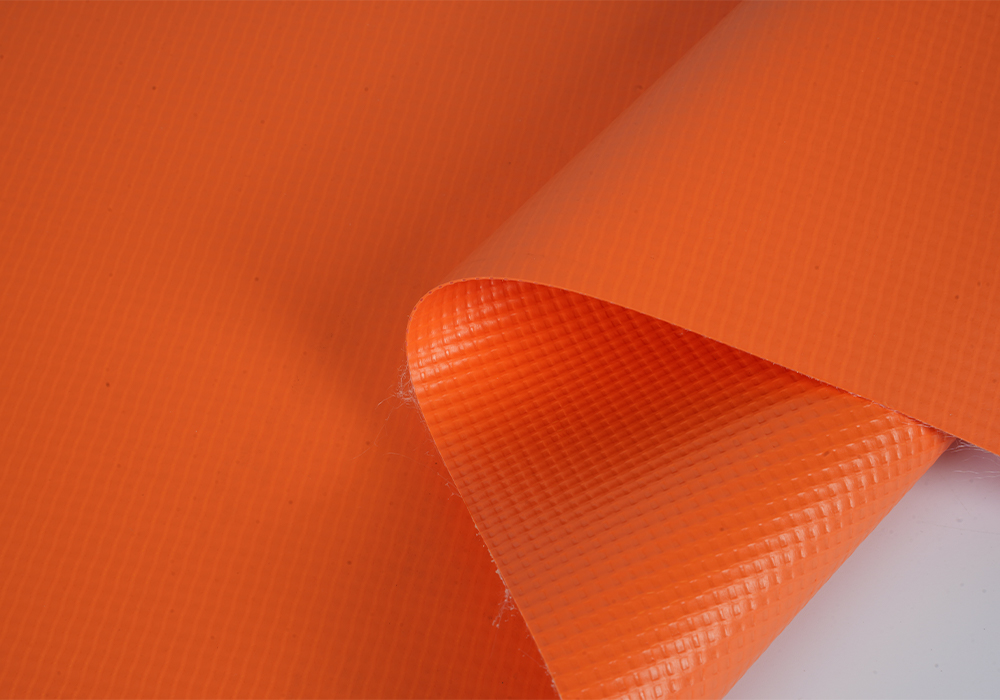 Flexible Wear Resistant PVC Tarpaulin For Luggage Bags
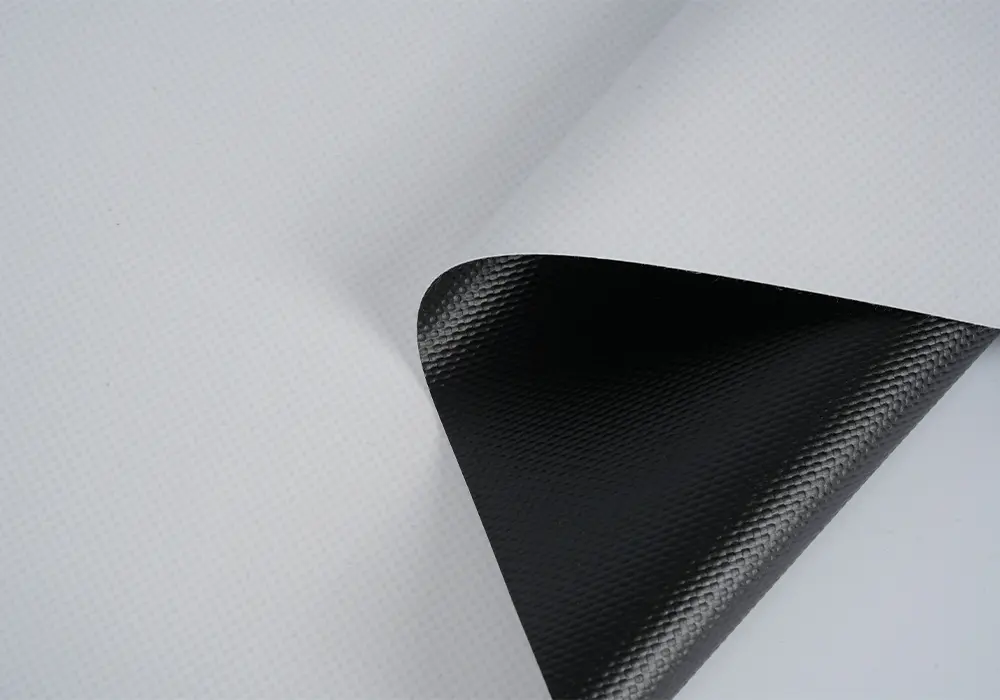 Weatherproof Blackback Opaque Advertising Flex Banner
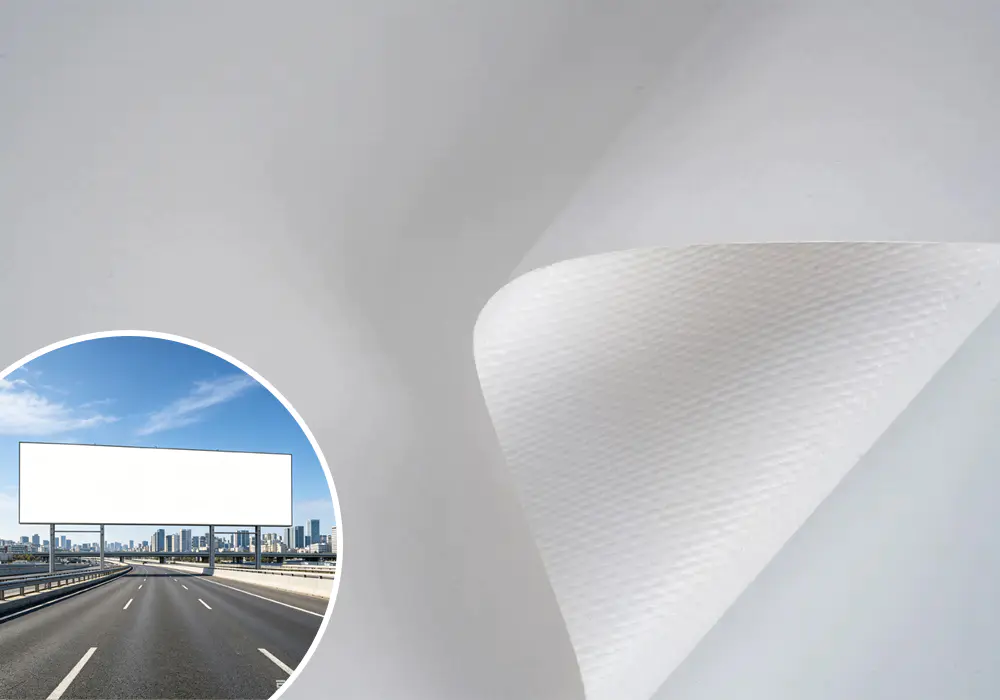 Tear Resistant Large Outdoor Flex Banner Print Cloth
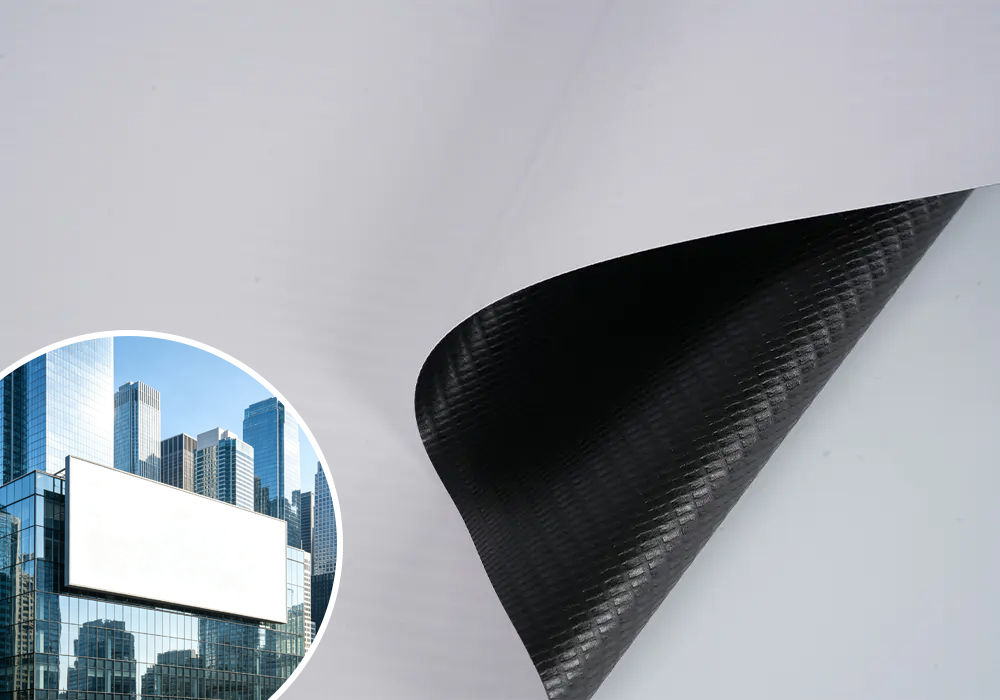 High Ink Absorption Blackback Commercial Promo Flex banner Material
 Light Flexible Light Transmitting Flex Advertising Banner
 Custom Digital Printing Fabric Manufacturers

 Previous