

 English
 中文简体
 Español
News
Home / Author / Shen Yaqin — International Sales Manager / Moisture-Proof Wear-Resistant PVC Tarpaulin for Tent Floor Mats and Outdoor Protection


Content
Outdoor equipment manufacturers, camping brands, event suppliers, and distributors are continually looking for materials that combine waterproof performance, mechanical durability, processing efficiency, and convenient daily use. A tent floor mat must do more than cover the ground. It must create a dependable barrier against moisture, mud, cold, abrasion, sharp stones, branches, and repeated folding. It must also remain manageable during transportation, simple to clean after use, and stable across changing temperatures. The moisture-proof wear-resistant PVC tarpaulin described in this article is designed to address these requirements in one versatile material.
Developed for tent floor mats, this PVC tarpaulin uses a dense waterproof base to reduce ground moisture and mud penetration. Its robust construction provides strong tensile performance, tear resistance, and coating adhesion, helping it withstand the demanding conditions associated with camping, hiking, festivals, emergency shelters, outdoor storage, and travel. The material can also be used as a picnic mat, groundsheet, temporary protective cover, equipment barrier, and other outdoor products that need a flexible but durable waterproof surface.
Unlike lightweight sheets that may puncture easily or become brittle in cold conditions, this tarpaulin is manufactured for a balance of strength and flexibility. Its 840D yarn construction, 12 × 12 fabric specification, and approximately 550 gsm weight provide a substantial foundation for repeated outdoor use. At the same time, the material remains foldable for compact storage and practical for conversion into finished goods.
The product is manufactured by Haining Taiwei New Material Co., Ltd., a Chinese producer of PVC films, digital printing fabrics, tarpaulin films, frontlit and backlit materials, mesh, double-sided printing fabrics, and related light box cloth products. The company combines calendering equipment, multiple production lines, professional bonding facilities, and export-oriented quality management to supply materials for customers in Europe, America, the Middle East, Southeast Asia, and other markets.
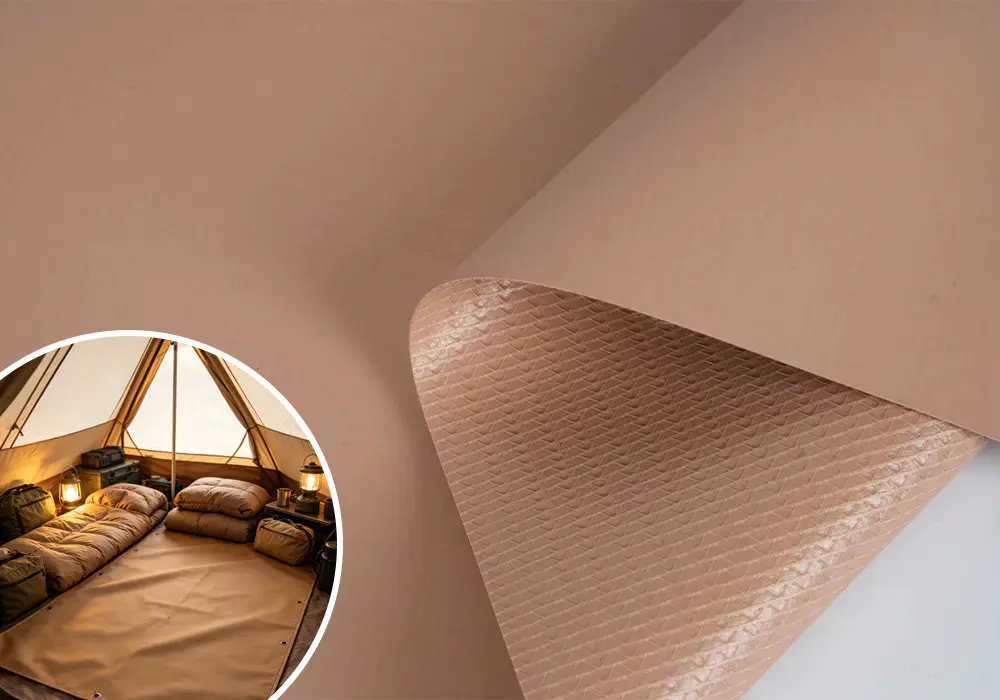
Moisture Proof Wear Resistant Tarpaulin For Tent Floor Mat
A tent floor is exposed to conditions that are often more severe than expected. Even when a campsite appears dry, water vapor can rise from soil during the night. Rain can collect beneath the tent, while wet grass and mud can remain in contact with the floor mat for hours. In uneven terrain, stones and roots can apply concentrated pressure to the material. During installation, campers may drag the mat across gravel, fold it repeatedly, or place chairs, tables, cooking equipment, and luggage on top of it.
A basic plastic sheet may initially block water, but it may not offer sufficient resistance to tearing, puncture, surface wear, or low-temperature embrittlement. Weak materials can develop holes at fold lines, lose flexibility in cold weather, or become difficult to clean after exposure to mud and organic debris. For commercial outdoor products, these failures can lead to customer complaints, returns, and reduced confidence in the brand.
A high-performance tent floor mat therefore requires several properties at the same time:
First, it needs a dense and impermeable structure that limits water penetration from the ground. Second, it must tolerate abrasion from gravel, branches, footwear, and camping equipment. Third, it should resist tearing when pulled, folded, or exposed to an irregular surface. Fourth, it needs enough flexibility to be packed and transported without becoming excessively bulky. Fifth, it should be simple to rinse and maintain after use. Finally, it should remain serviceable across a broad range of outdoor temperatures.
The PVC tarpaulin in this product range is designed around this combined performance concept rather than relying on one isolated feature. Waterproofing, strength, surface handling, processing suitability, and cleanability work together to create a more dependable finished tent floor mat.
The most important function of a tent floor mat is to separate people and equipment from the ground. The product uses a high-density PVC waterproof base to create a dense barrier against moisture, damp soil, and mud. This structure helps reduce the transfer of water through the material and supports a drier interior environment during camping.
Ground moisture is not always visible. In many locations, soil remains damp even after several hours without rain. Moisture can also collect beneath a tent because the ground is cooler than the air, creating condensation and a damp contact surface. A material with an inconsistent coating or open structure may allow moisture to migrate through weak points. The dense PVC base helps provide more continuous coverage across the mat.
For outdoor brands, this moisture barrier creates a clear product benefit that can be communicated to end users. A tent floor mat made from the material can help protect sleeping bags, clothing, luggage, and personal equipment from wet ground. It can also improve perceived comfort by reducing the cold sensation associated with direct contact with damp soil.
The waterproof structure is useful beyond camping. It can be used beneath picnic areas, under temporary storage, inside utility shelters, below market stalls, or as a protective ground cover during outdoor work. Wherever the objective is to limit contact between goods and wet ground, a dense PVC tarpaulin can provide a practical solution.
Waterproofing and thermal comfort are closely connected. Damp ground conducts heat away from the body more quickly than dry ground, making a campsite feel colder, especially during spring, autumn, and high-altitude trips. By creating a physical layer between the user and the soil, the tarpaulin helps reduce direct contact with cold and wet surfaces.
The material is not intended to replace a sleeping pad or thermal insulation system, but it can support the overall comfort of a tent assembly. When used as a groundsheet or floor mat, it adds another protective layer below the tent and helps keep the interior base cleaner and drier.
Outdoor environments are rarely smooth. Gravel, small stones, dry branches, roots, pine needles, and rough soil can all abrade a floor mat. Repeated walking over the same area can gradually wear away a weak surface. Dragging a loaded tent or moving furniture across the mat can create additional friction.
The 840D construction and approximately 550 gsm specification provide a substantial material platform for applications where durability is important. The product is engineered to resist regular surface wear and to maintain structural integrity under demanding handling. Its abrasion resistance makes it more suitable for repeated-use outdoor goods than thin disposable sheets.
Wear resistance is particularly valuable for professional users. Camping rental companies, tour operators, outdoor event organizers, military and emergency-response suppliers, and recreational vehicle accessory brands may need products that are deployed and packed many times. A mat that survives repeated use can reduce replacement frequency and improve the total cost of ownership.
For consumers, wear resistance supports confidence during use. A camper should be able to place the mat on a natural surface without worrying that every stone or twig will immediately damage it. While proper site preparation remains important, a robust tarpaulin provides a greater margin of protection than lightweight alternatives.
Scratches and localized pressure are common causes of premature failure in outdoor covers. A chair leg, tent pole, cooking box, or equipment case can concentrate force on a small area. If the substrate is weak, a minor cut may develop into a larger tear when the mat is folded or pulled.
The reinforced fabric construction helps distribute mechanical stress through the material. The PVC coating contributes a protective outer layer, while the woven base supports tensile and tear performance. This combination is more dependable than a single unsupported film when the finished product must tolerate handling and contact with uneven ground.
The supplied product data lists a tensile strength of 800/700 N per 5 cm, a tearing strength of 200/180 N, and an adhesion value of 60 N per 5 cm for the 840 × 840D, 12 × 12, 550 gsm tarpaulin specification. These values indicate a material designed for demanding coated-fabric applications.
| Product Specification | Test or Performance Item | Listed Value |
|---|---|---|
| 840 × 840D, 12 × 12, approximately 550 gsm tarpaulin | Tensile strength | 800/700 N per 5 cm |
| 840 × 840D, 12 × 12, approximately 550 gsm tarpaulin | Tearing strength | 200/180 N |
| 840 × 840D, 12 × 12, approximately 550 gsm tarpaulin | Adhesion | 60 N per 5 cm |
The slash-separated values generally represent performance in two principal directions, such as warp and weft, according to the applicable testing method. Buyers should confirm the final test standard, sampling method, tolerances, and production batch documentation with the supplier before placing a large order.
Tensile strength is important when a mat is pulled into position, secured beneath a tent, or handled by two people. Tear strength becomes especially important once a cut, puncture, or edge defect occurs. Good tear resistance helps prevent localized damage from spreading rapidly across the sheet.
Adhesion strength measures the bond between the PVC coating and the fabric base. Strong adhesion helps reduce the risk of delamination, peeling, or separation during folding, installation, and outdoor exposure. It is an important factor for long-term product appearance and serviceability.
Durability does not have to mean unnecessary rigidity. A tent floor mat must be strong enough for outdoor service but flexible enough to fold, roll, pack, and transport. This product is designed to retain practical flexibility while providing a substantial protective barrier.
Foldability is valuable at every stage of the supply chain. Manufacturers can convert the material into finished mats without excessive difficulty. Distributors can store more units in a given warehouse area when products are folded or rolled efficiently. Campers can place the mat inside a vehicle, backpacking supply system, storage box, or equipment bag without dedicating excessive space to it.
For e-commerce sellers and outdoor brands, compact storage also supports more efficient fulfillment. A foldable ground mat is easier to package, label, stack, and ship than a rigid protective panel. Reduced package volume may contribute to lower handling complexity and improved customer convenience.
Material flexibility is also beneficial during installation. A mat can follow moderate ground contours more easily than a stiff board. It can be positioned under a tent, adjusted around corners, and folded at the edges to help manage runoff. Users should avoid sharply creasing any coated fabric unnecessarily, but normal folding and rolling are practical parts of the product’s intended use.
Camping and outdoor activities are not limited to warm seasons. Hiking tents, temporary shelters, hunting equipment, winter storage covers, and travel accessories may be exposed to low temperatures. A material that becomes severely brittle in cold weather may crack during folding or installation.
The product description emphasizes that the tarpaulin remains soft without embrittlement under low-temperature conditions. This characteristic supports all-season use and gives outdoor brands a stronger value proposition for customers who camp during spring, autumn, or winter. It also benefits logistics and warehousing in regions where products may be stored or transported in cold environments.
Actual low-temperature performance depends on formulation, thickness, plasticizer system, exposure time, and the relevant testing standard. Buyers requiring defined cold-crack or cold-bend performance should request technical documentation and sample testing for their target climate.
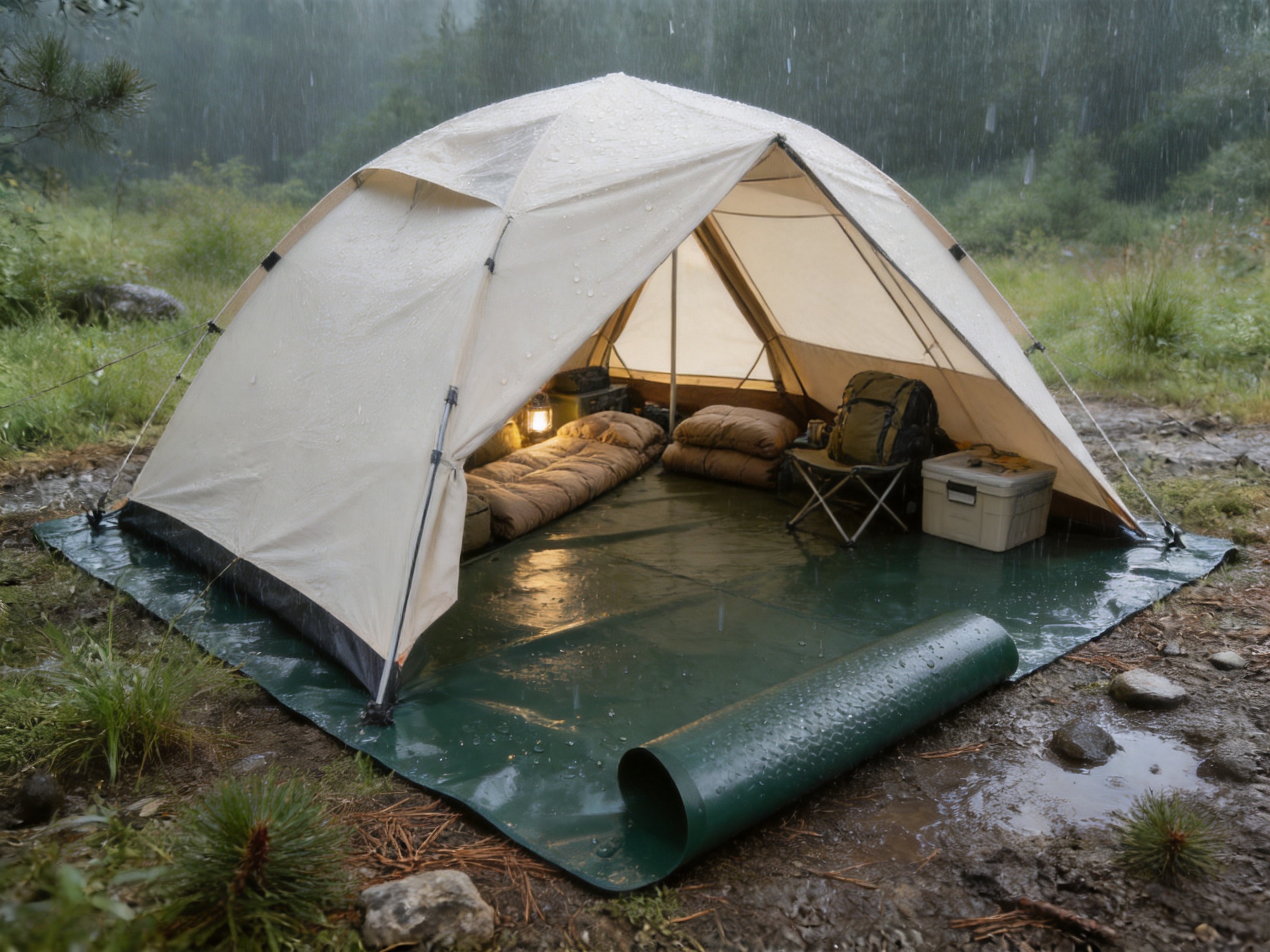
One of the product’s important advantages is its suitability for automated hot-wedge welding and heat-sealing processes. The material is available in an extra-wide profile of up to approximately 2 meters, supporting efficient fabrication of large panels and finished floor mats.
Traditional sewn seams can create needle holes. Although stitching remains useful for some product designs, needle perforations may become potential leakage points when a waterproof floor mat is exposed to standing water or prolonged dampness. Hot-wedge welding and heat sealing can join compatible coated fabrics without creating the same series of needle holes along the seam.
A properly controlled welded seam can improve water resistance, appearance, and consistency. It may also reduce the need for additional seam tape or complicated secondary treatments. For manufacturers producing tent groundsheets, inflatable structures, protective covers, or large-format outdoor products, the ability to use automated welding equipment can increase repeatability and production efficiency.
Wider rolls can reduce the number of joins required in a finished product. Fewer seams may mean fewer potential weak points, shorter fabrication time, and a cleaner appearance. A wide profile is particularly useful for tent floor mats because a large continuous panel can cover more of the required area without excessive patchwork.
For industrial customers, width consistency is also important. Automated cutting, welding, and heat-sealing equipment performs best when the incoming material has stable dimensions and predictable handling characteristics. Haining Taiwei New Material Co., Ltd. highlights professional bonding facilities and multiple production lines, supporting customers that need materials suitable for commercial-scale conversion.
The top surface can be treated to provide an anti-slip texture. This feature is useful inside tents, temporary shelters, recreational vehicles, event booths, and other spaces where users may walk on the material. A surface with improved grip can help reduce sliding of footwear, chairs, storage boxes, and small equipment.
Anti-slip performance should be understood as a practical surface advantage rather than a guarantee of slip prevention in every condition. Water, oil, mud, ice, and steep angles can still create hazards. Nevertheless, a treated texture can provide better footing than a glossy, untreated plastic surface in ordinary campsite conditions.
For product developers, the surface finish can also contribute to differentiation. A tent floor mat that combines waterproofing, abrasion resistance, cleanability, and improved traction offers a more complete user experience than a simple flat plastic sheet.
Outdoor equipment inevitably becomes dirty. Tent mats may collect mud, grass, dust, food particles, leaves, and camp residue. If the surface absorbs dirt or contains a complicated texture, cleaning can be time-consuming. The smooth, anti-static coating layer described for this product is designed to help repel mud, dirt, and common outdoor grime.
After a trip, users can rinse the surface with water and remove much of the accumulated soil before folding it for storage. Easier cleaning supports more hygienic reuse and helps prevent dirt from being carried into a vehicle, home, storage room, or next campsite.
Cleanability is an important commercial benefit for rental operators and hospitality businesses. A mat that can be rinsed, dried, folded, and returned to service efficiently can reduce labor requirements. It may also maintain a more professional appearance over repeated customer use.
The anti-static characteristic may further help reduce the attraction of loose dust and fine particles. However, cleaning procedures should be adapted to the type of contamination. Mild water-based cleaning is generally preferable, while harsh solvents, abrasive brushes, and incompatible chemicals may affect the coating or surface appearance.
Once cleaned and dried, the foldable tarpaulin can be stored compactly. This is useful for campers with limited vehicle space and for commercial warehouses managing seasonal inventory. A material that can be folded and stored without retaining excessive odor improves the overall ownership experience.
Drying is important before long-term storage. Even a highly waterproof material can develop unpleasant odor if mud, organic matter, or moisture remains trapped in folds for extended periods. Users should rinse away visible dirt, allow both sides to dry, and store the mat in a ventilated location when possible.
Although the product is designed with tent floor mats in mind, its performance profile supports many related applications. Outdoor brands may use the material to develop coordinated product families rather than a single camping accessory.
As a picnic mat, the tarpaulin provides a clean and moisture-resistant layer between users and grass, soil, or sand. Its foldability supports transport, while its easy-rinse surface helps remove food crumbs and outdoor dirt after use.
As a groundsheet, it can be placed beneath tents, awnings, canopies, and temporary shelters. It can help protect the underside of equipment from abrasion and reduce exposure to wet ground.
As an equipment cover, it can protect camping boxes, tools, sports goods, furniture, and supplies from dust and ground moisture. The fabric can be cut, welded, or otherwise converted according to the requirements of the finished product.
As a temporary worksite barrier, it can be used beneath materials during outdoor maintenance, landscaping, construction support, and event preparation. Its waterproof base helps prevent liquid or soil contact with selected surfaces, subject to the specific chemical and mechanical requirements of the application.
As a market or festival floor covering, it can support cleaner and more organized temporary spaces. The anti-slip surface option may be useful in pedestrian areas, although the final design should consider local safety requirements, traffic levels, drainage, and installation methods.
As an emergency shelter component, the material can provide a practical moisture barrier where rapid deployment and compact transportation are important. Product developers should evaluate fire performance, hygiene standards, and other regulatory requirements for emergency-use products.
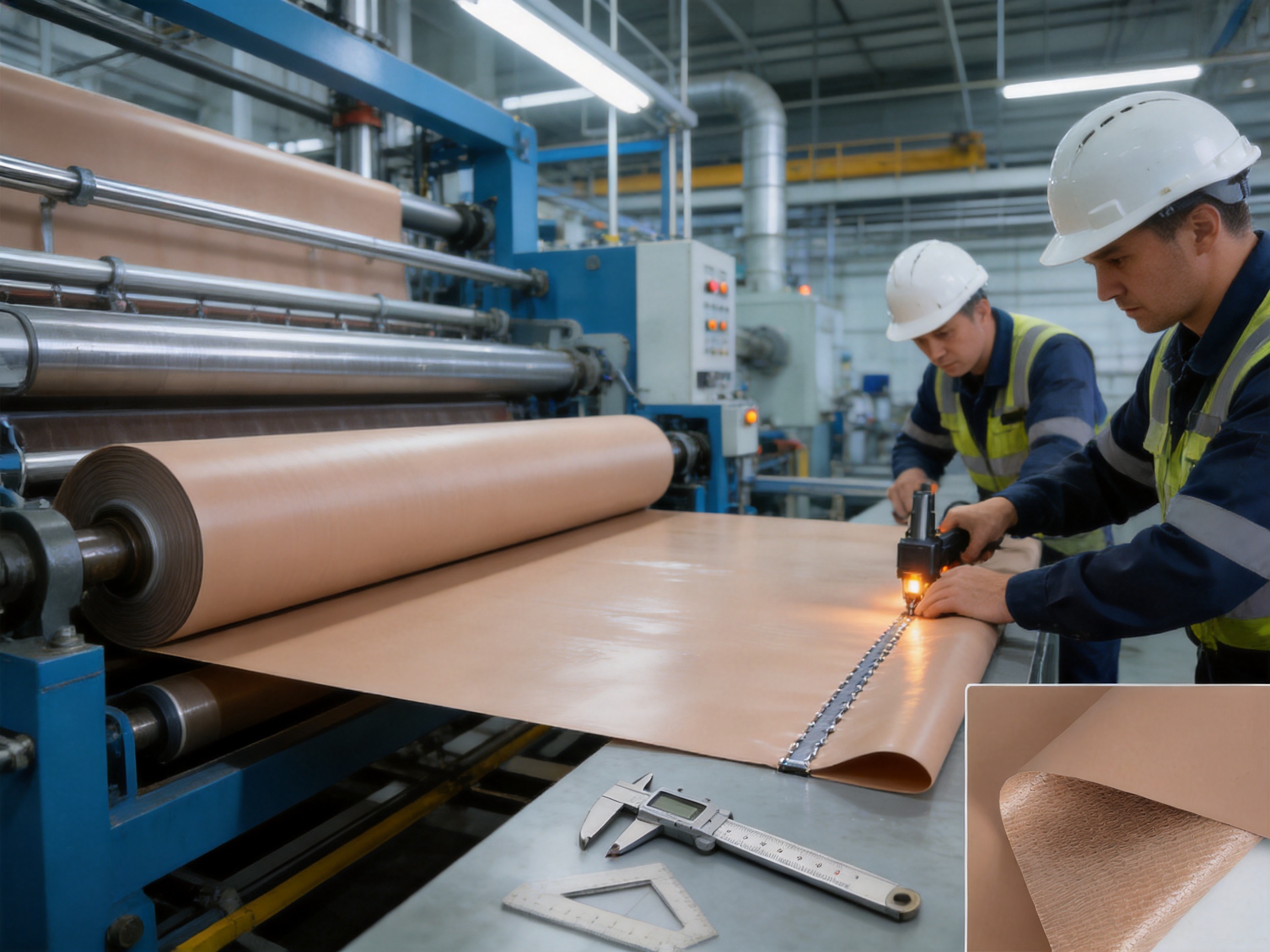
Haining Taiwei New Material Co., Ltd. was established in July 2010 and is located in Haining Dingqiao Industrial Park in Zhejiang Province, China. The company benefits from access to major transportation routes and convenient connections to Shanghai and Ningbo ports, supporting domestic and international logistics.
The company specializes in PVC films, digital printing fabrics, tarpaulin films, frontlit materials, backlit materials, double-sided printing fabrics, mesh, and other light box cloth products. This product range gives the manufacturer experience across coated fabrics, flexible films, printable substrates, and outdoor display materials.
Its production capabilities include advanced calendering equipment, multiple production lines, and professional bonding facilities. Calendering is a key process for producing consistent PVC films and coated materials. In this process, PVC compound is processed through heated rollers to achieve controlled thickness, surface condition, and material formation. Stable control of temperature, roller pressure, line speed, and formulation is important for maintaining consistent output.
For tarpaulin production, controlled coating and lamination help determine the final balance of waterproofing, flexibility, adhesion, strength, and appearance. The fabric base must be properly prepared before PVC is applied or bonded. A consistent coating layer helps reduce thin spots and supports more uniform performance across the roll.
Modern production requires more than simply applying PVC to a textile. The manufacturer must control raw material preparation, fabric tension, coating weight, heating conditions, cooling, surface treatment, winding, and packaging. Each stage can influence the finished material’s dimensions, handle, and processing behavior.
Haining Taiwei’s multiple production lines provide capacity for different product categories and specifications. This supports customers with varied requirements, including custom colors, surface finishes, weights, widths, printing compatibility, and functional properties. Final specifications should be confirmed according to the buyer’s intended application and order quantity.
Professional bonding facilities are especially relevant to products intended for welding, heat sealing, and large-format fabrication. Customers can evaluate the material not only as a roll good but also according to how it performs during conversion. Welding temperature, pressure, speed, overlap, seam geometry, and equipment condition should all be optimized for the specific material construction.
A supplier familiar with bonding processes can offer more useful technical support than a supplier focused only on basic film production. This is important for tent floor mats because finished performance depends on the quality of seams, hems, corners, reinforcement points, and attachment features.
Professional fabrication knowledge can also help reduce production waste. A stable material that cuts and seals consistently can improve yield, simplify process settings, and reduce rejected panels. For manufacturers serving private-label and contract customers, process consistency is essential to maintaining repeatable quality across different production batches.
The company states that its products can feature cold resistance, flame retardancy, UV resistance, antistatic properties, mildew resistance, and antibacterial properties. These functions are relevant to different end uses, but they should be selected and confirmed according to the exact product specification rather than assumed for every grade.
UV resistance is useful for outdoor products that remain exposed to sunlight. It can help slow fading, surface degradation, and loss of mechanical performance. Cold resistance supports use in lower-temperature environments. Flame-retardant grades may be required for public events, commercial structures, transportation, or regulated installations.
Mildew-proof and antibacterial properties can be valuable in humid climates or products that are repeatedly packed after outdoor use. However, these properties depend on formulation, testing method, exposure conditions, and local regulatory requirements. Buyers should request relevant certificates, test reports, and technical data for the selected grade.
Antistatic treatment may help reduce the accumulation of dust and static charge. This can support easier cleaning and more comfortable handling, especially for large sheets or products used around fine particles.
The primary competitive advantage of this tarpaulin is its balanced construction. Many basic alternatives focus on one low-cost function, such as temporary water resistance, while offering limited performance in other areas. A thin sheet may be easy to carry but vulnerable to puncture. A heavily reinforced cover may be durable but too stiff for convenient folding. A sewn fabric may be strong but contain needle holes that require additional waterproofing. A smooth plastic film may be waterproof but slippery and difficult to keep in place.
This PVC tarpaulin is positioned between these extremes. Its reinforced fabric construction supports tensile and tear strength. Its dense PVC base provides moisture protection. Its flexible handling supports folding and storage. Its surface can be treated for improved grip and easy cleaning. Its wide profile and welding compatibility support efficient industrial conversion.
Another advantage is the possibility of customization. Outdoor brands can work with a specialized manufacturer to select suitable weight, width, color, surface texture, printing compatibility, and functional additives. This allows a product to be developed for specific markets rather than relying on a generic sheet with limited differentiation.
Manufacturing scale is also important. With an annual output stated at approximately 45 million square meters, Haining Taiwei can support larger commercial programs while serving customers across multiple product categories. More than 98% of the company’s products are reported to be exported to Europe, America, the Middle East, Southeast Asia, and other regions. International exposure can contribute to familiarity with export packaging, documentation, communication, and buyer requirements.
Buyers should still compare like-for-like specifications. A meaningful comparison should include weight, thickness, yarn density, tensile strength, tear strength, adhesion, width tolerance, surface treatment, welding behavior, UV performance, low-temperature performance, packaging, and quality-control documentation. Price alone does not show the total value of a coated fabric.
When sourcing tent floor mat material, buyers should define the intended finished product before selecting the grade. Important questions include whether the mat will be used for personal camping, rental operations, military applications, festivals, emergency shelters, or commercial accommodation. Usage frequency, climate, expected lifespan, cleaning method, and required certifications may differ significantly.
Sample evaluation should include visual inspection for coating uniformity, pinholes, wrinkles, contamination, color consistency, edge condition, and winding quality. A practical handling test can assess whether the material folds and unfolds without cracking, excessive whitening, or permanent deformation.
Water resistance can be evaluated through controlled water exposure, seam testing, and inspection of the reverse side. Abrasion and tear performance should be tested according to the buyer’s selected standard. Welding trials are essential if the finished product will use hot-wedge or heat-sealed seams.
Buyers should also consider the effect of printing, cutting, sewing, eyelet installation, reinforcement patches, and storage conditions. A material that performs well in a laboratory may require process adjustments during high-speed manufacturing.
For large orders, production samples or approval rolls can help establish a reference standard. The reference should identify the agreed construction, color, surface, weight, width, performance values, packaging method, and acceptable appearance range.
Before purchasing, an importer or product developer may ask the supplier for the exact PVC formulation category, fabric construction, nominal weight, thickness, roll width, width tolerance, tensile test method, tear test method, adhesion test method, operating temperature range, UV resistance data, flame-retardant options, mildew resistance information, and recommended welding parameters.
It is also useful to confirm whether the material is suitable for direct skin contact, food-adjacent use, drinking-water contact, or other regulated applications. A standard outdoor tent floor mat does not automatically meet every specialized regulatory requirement.
Packaging should be discussed in advance. Rolls may be protected with plastic film, woven bags, cartons, or customized export packaging. The buyer should confirm roll length, roll diameter, core size, gross weight, labeling, and container-loading expectations.
The performance of the finished product depends on more than the roll material. Product designers should consider dimensions, edge treatment, seam layout, corner reinforcement, attachment points, drainage, storage straps, and cleaning instructions.
A mat should be sized to provide useful coverage without creating unnecessary folds or exposed edges. If the mat extends beyond the tent, the exposed portion should be managed carefully so rainwater does not collect beneath the tent. In some designs, a slightly smaller footprint or a folded-up edge may improve water management.
Welded seams should be placed away from areas subject to excessive bending whenever possible. Corners and attachment points may require additional reinforcement because they experience concentrated loads. Rounded corners can reduce stress concentration and improve handling.
Surface texture should be selected according to the intended user environment. A moderate anti-slip finish may improve walking comfort, while an overly aggressive texture could make cleaning or folding less convenient. The balance should be evaluated through prototype testing.
Brand owners may also add printed logos, usage instructions, care information, storage straps, carry handles, or color-coded edges. Because Haining Taiwei produces digital printing fabrics and other printable materials in addition to tarpaulin products, customers can discuss the suitability of printing and branding processes for their chosen construction.
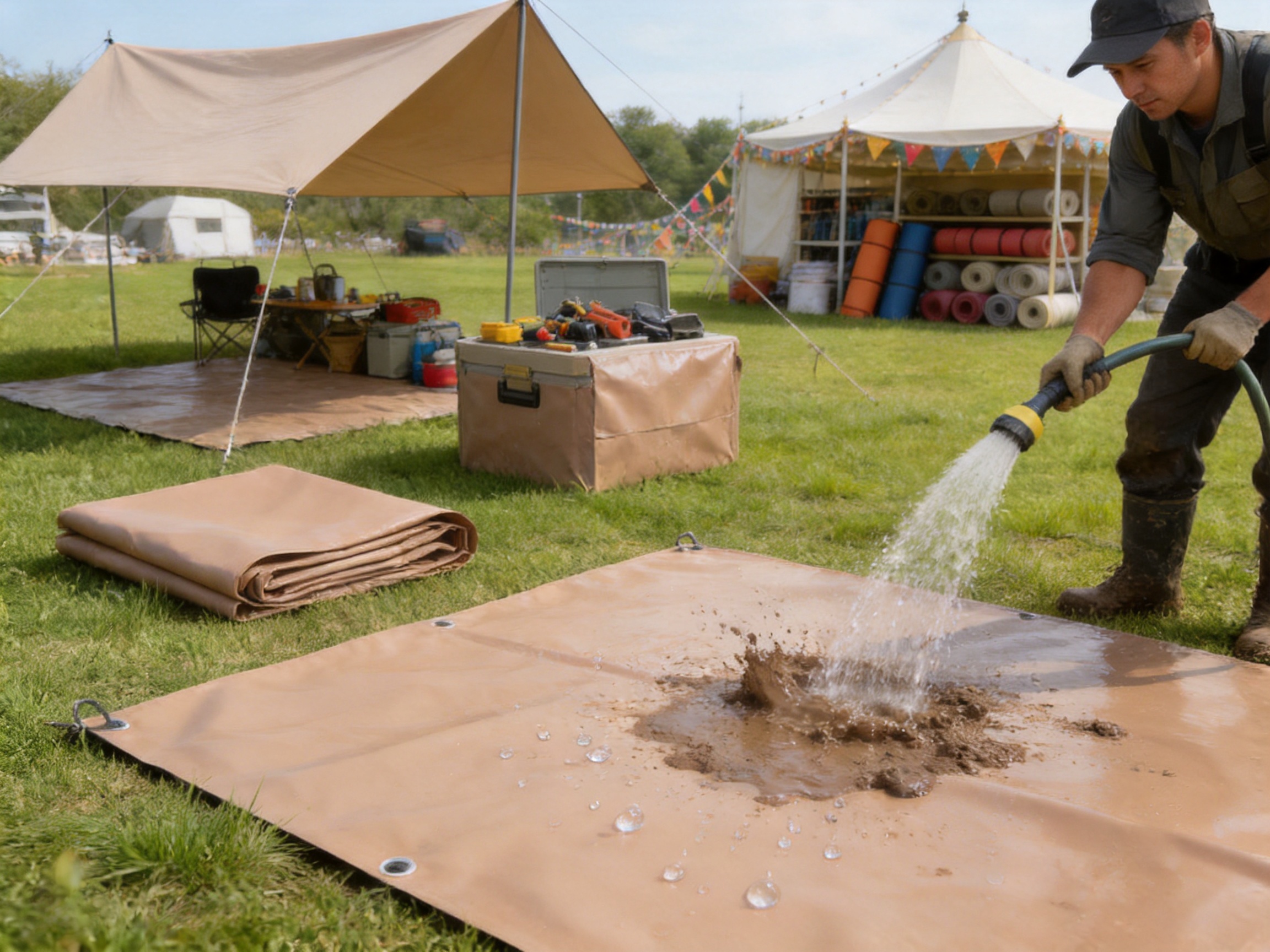
A reusable tarpaulin can support more efficient outdoor operations by reducing dependence on disposable plastic ground covers. When a mat is durable, washable, and foldable, it can be used over multiple trips rather than discarded after one event. This can reduce replacement frequency and simplify inventory planning.
Operational efficiency also comes from easy cleaning. A rental business that can rinse and dry mats quickly may spend less time on intensive manual scrubbing. A retailer can package a compact product more efficiently. A campsite operator can maintain cleaner common equipment. These benefits may be valuable even when the initial material price is higher than that of a basic disposable sheet.
Responsible product development should consider the full life cycle. Buyers should ask about material composition, recycling options, production waste management, packaging, expected service life, and end-of-life handling. PVC products should be managed according to applicable local waste and recycling systems.
Haining Taiwei’s location in Zhejiang Province provides access to established manufacturing networks and port infrastructure. Convenient access to Shanghai and Ningbo ports can support export shipments to international customers. This is relevant for buyers who need regular container programs, mixed product sourcing, or coordinated shipments of several coated-fabric categories.
The company’s reported export activity across Europe, America, the Middle East, Southeast Asia, and other markets indicates experience serving customers with different climate conditions and application expectations. International orders generally require careful coordination of specifications, quality approval, packaging, documentation, lead times, and shipping terms.
For distributors, supplier stability is as important as individual product performance. A manufacturer with multiple production lines and a broad product portfolio may be better positioned to support repeat orders, alternative constructions, and product-line expansion. Buyers should nevertheless confirm capacity, lead time, minimum order quantity, payment conditions, and inspection arrangements for each project.
To maximize service life, users should remove sharp stones, broken branches, and other concentrated hazards from the ground before installing the mat. The tarpaulin is wear resistant, but no flexible material is completely immune to puncture from severe point loads.
After use, shake off loose debris and rinse the surface with clean water. For stubborn dirt, use a soft brush or mild detergent compatible with PVC-coated fabrics. Avoid aggressive solvents, strong acids, strong alkalis, and abrasive tools unless the supplier has confirmed compatibility.
Allow the mat to dry before folding it for long-term storage. Fold or roll it without creating unnecessary sharp creases. Store it away from direct sunlight, extreme heat, sharp objects, and chemicals that may migrate into or damage the PVC coating.
For welded products, inspect seams periodically. Look for lifting edges, unusual whitening, cuts, or areas where the coating has separated from the base fabric. Early repair can prevent a small defect from becoming a larger failure.
It is primarily designed for tent floor mats and groundsheets. It can also be used for picnic mats, temporary shelter floors, equipment covers, outdoor worksite protection, event flooring, and other applications that require a flexible, waterproof, and wear-resistant coated fabric.
The material uses a dense PVC waterproof base that forms an impermeable barrier against damp soil, mud, and moisture. When properly installed and when seams are correctly sealed, it helps separate the tent interior from wet ground.
Yes. Its 840D construction, approximately 550 gsm weight, tensile strength, and tearing strength are designed to provide resistance to abrasion and handling on uneven outdoor surfaces. Users should still clear extremely sharp objects before installation.
Yes. The material is described as suitable for automated hot-wedge welding and heat-sealing processes. Welding can reduce needle-hole leakage associated with traditional sewn seams. The final welding parameters should be confirmed through production trials.
The product description identifies an extra-wide profile of up to approximately 2 meters. The exact usable width, tolerance, roll length, and availability should be confirmed for the selected specification and order quantity.
The material can feature a specially treated anti-slip surface. This may improve footing and reduce movement of equipment in ordinary tent or shelter conditions. It does not eliminate all slipping risks when the surface is wet, oily, icy, steep, or contaminated.
Yes. The smooth, anti-static coating is designed to repel mud, dirt, and camp grime, allowing the surface to be rinsed with water. Mild cleaning methods are recommended, and the mat should be dried before storage.
The product description states that the material remains soft without embrittlement under low-temperature conditions. Buyers with defined winter-use requirements should request cold-bend or cold-crack test information for the exact grade.
For the 840 × 840D, 12 × 12, approximately 550 gsm tarpaulin specification, the listed tensile strength is 800/700 N per 5 cm, tearing strength is 200/180 N, and adhesion is 60 N per 5 cm. The applicable test methods and direction of the two-value results should be confirmed with the supplier.
Depending on the order and application, customers may discuss specifications such as weight, width, color, surface treatment, printing compatibility, functional additives, and fabrication requirements. Customization should be confirmed during technical and commercial discussions.
Haining Taiwei New Material Co., Ltd. operates advanced calendering equipment, multiple production lines, and professional bonding facilities. These capabilities support PVC films, coated fabrics, tarpaulin materials, printable substrates, mesh, and related products.
Yes. The company reports that more than 98% of its products are exported to Europe, America, the Middle East, Southeast Asia, and other regions. It is located near transport connections to Shanghai and Ningbo ports.
Buyers should inspect coating uniformity, weight, width, flexibility, appearance, water resistance, abrasion behavior, tear resistance, adhesion, cleanability, and welding performance. The sample should also be tested under conditions that reflect the intended finished product.
Moisture-proof wear-resistant PVC tarpaulin provides a practical material solution for tent floor mats and a wide range of outdoor protective products. Its dense PVC base helps block ground moisture and mud, while the reinforced 840D construction supports tensile strength, tear resistance, and abrasion resistance. Flexibility and foldability make it convenient for transportation and storage, while the easy-rinse surface simplifies maintenance after outdoor use.
The material’s suitability for hot-wedge welding and heat sealing is a major advantage for manufacturers seeking leak-resistant seams and efficient large-format fabrication. An available width of up to approximately 2 meters can reduce the number of joins in large floor mats and support automated processing. Anti-slip surface treatment, low-temperature flexibility, and optional functional properties further expand its usefulness for commercial outdoor product development.
Haining Taiwei New Material Co., Ltd. combines more than a decade of manufacturing experience with calendering equipment, multiple production lines, professional bonding facilities, broad product expertise, and international export experience. Its production portfolio covers PVC films, digital printing fabrics, tarpaulin films, frontlit and backlit materials, mesh, double-sided printing fabrics, and related light box cloth products. This combination of material capability and manufacturing infrastructure allows customers to source a functional outdoor fabric while also receiving support for wider product-development programs.
For buyers, the best results come from matching the exact specification to the intended application. Sample testing, seam trials, performance verification, and clear documentation should be completed before mass production. When correctly selected and converted, this PVC tarpaulin can help outdoor brands offer products that are durable, comfortable, easy to maintain, and better suited to repeated use in challenging environments.
1. Product technical information supplied for 840 × 840D, 12 × 12, approximately 550 gsm PVC tarpaulin, including tensile strength, tearing strength, and adhesion data.
2. Company information supplied for Haining Taiwei New Material Co., Ltd., including company history, manufacturing capabilities, product categories, export markets, and production capacity.
3. General principles of PVC-coated textile construction, calendering, coating adhesion, hot-wedge welding, and heat-sealing fabrication.
4. General outdoor equipment design practices for waterproof groundsheets, tent floor mats, abrasion resistance, cleaning, folding, storage, and low-temperature use.
5. General quality-assurance practices for coated fabrics, including dimensional inspection, mechanical testing, seam evaluation, surface inspection, and production sample approval.
Moisture Proof Wear Resistant Tarpaulin For Tent Floor Mat
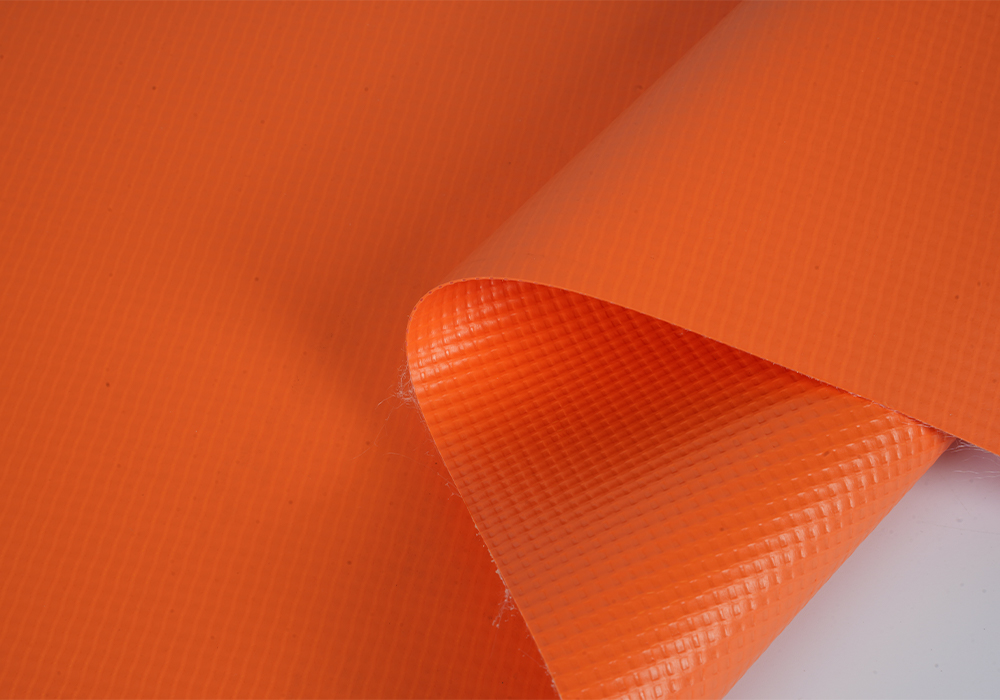 Flexible Wear Resistant PVC Tarpaulin For Luggage Bags
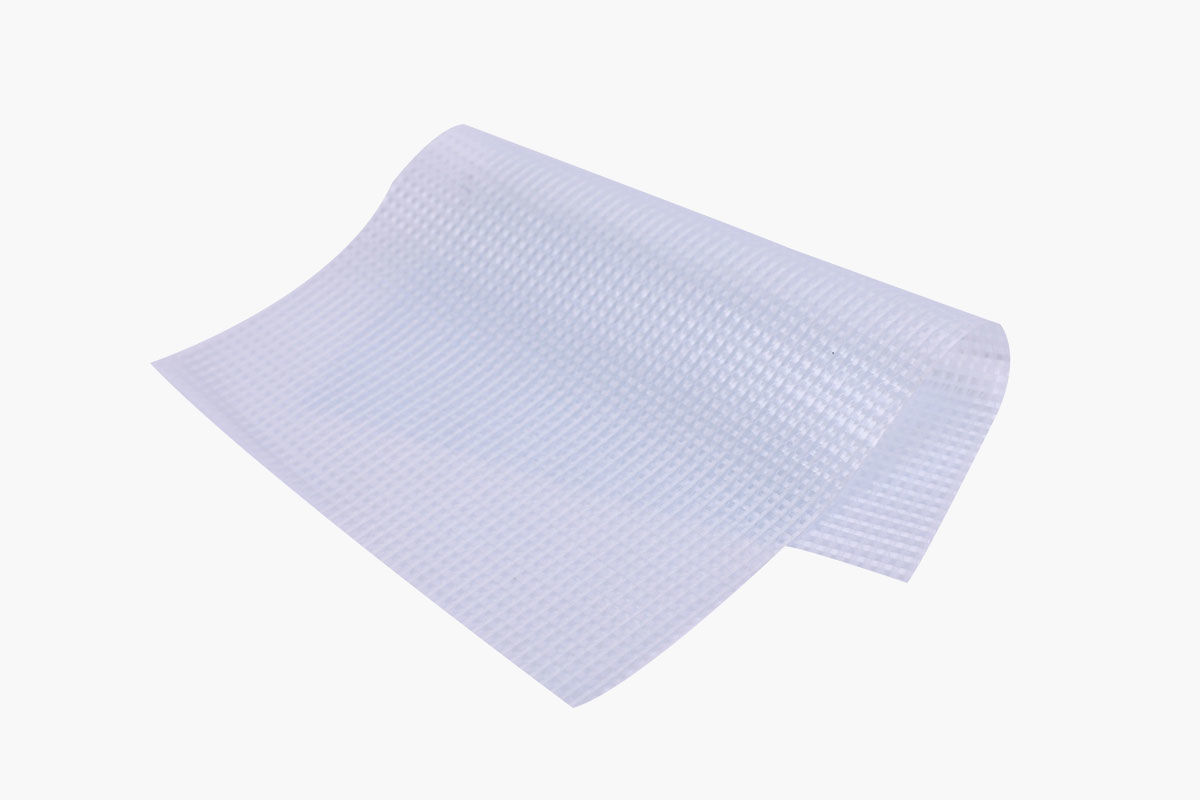 Industrial-Grade Reinforced UV-Resistant Clear Tarpaulin
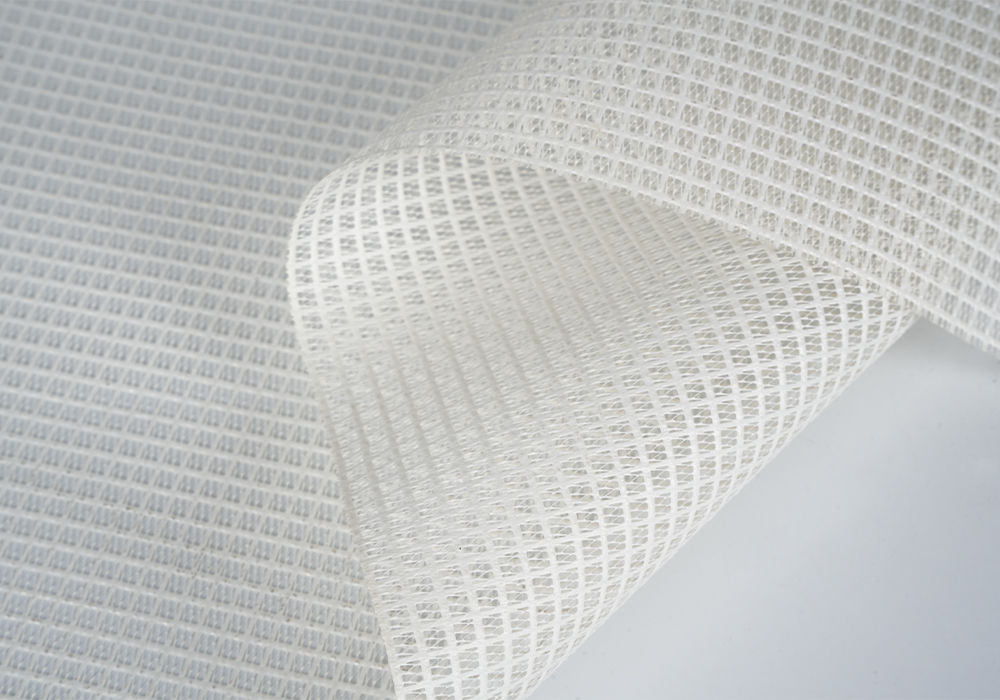 Breathable Wind Resistant Mesh Tarpaulin for Advertising
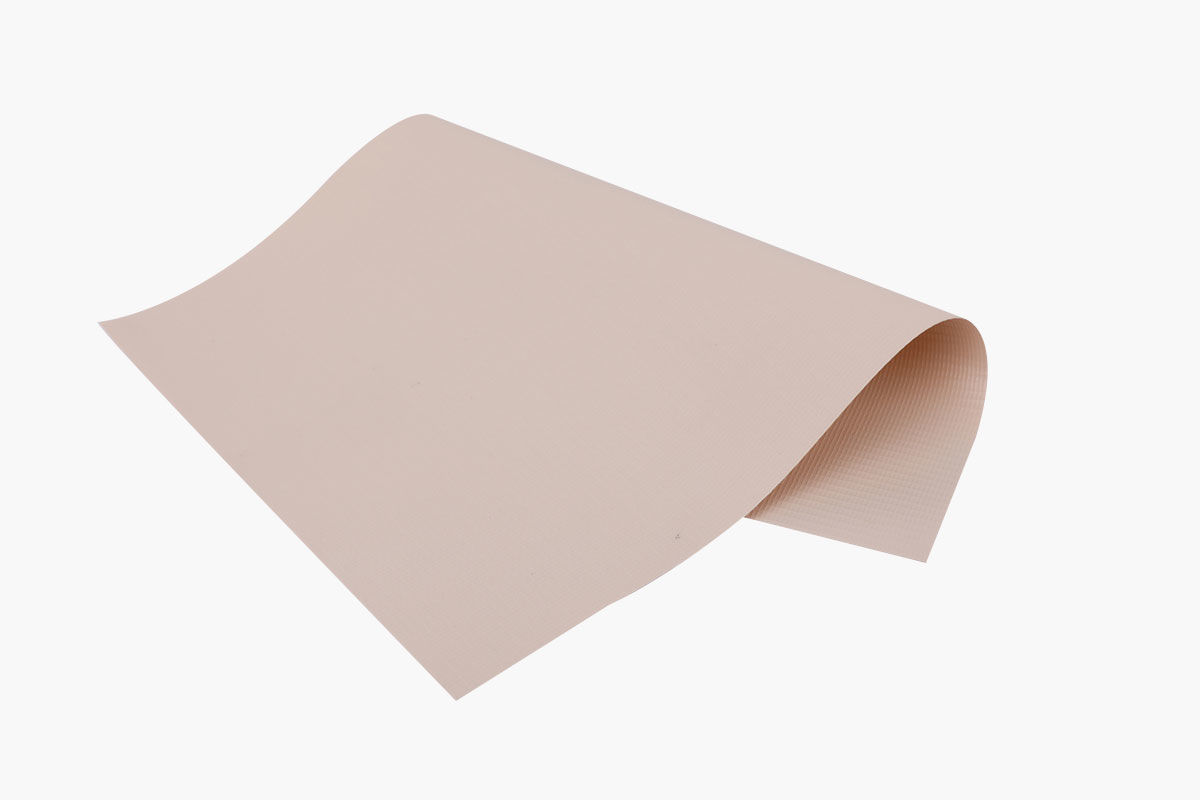 Heavy-Duty Reinforced Waterproof Tarpaulin
 Tear Resistant Large Outdoor Flex Banner Print Cloth
 Custom Digital Printing Fabric Manufacturers

 Previous