

 English
 中文简体
 Español
News
Home / Author / Shen Yaqin — International Sales Manager / High-Resolution Durable PVC Flex Banner for Professional Indoor and Outdoor Advertising


Content
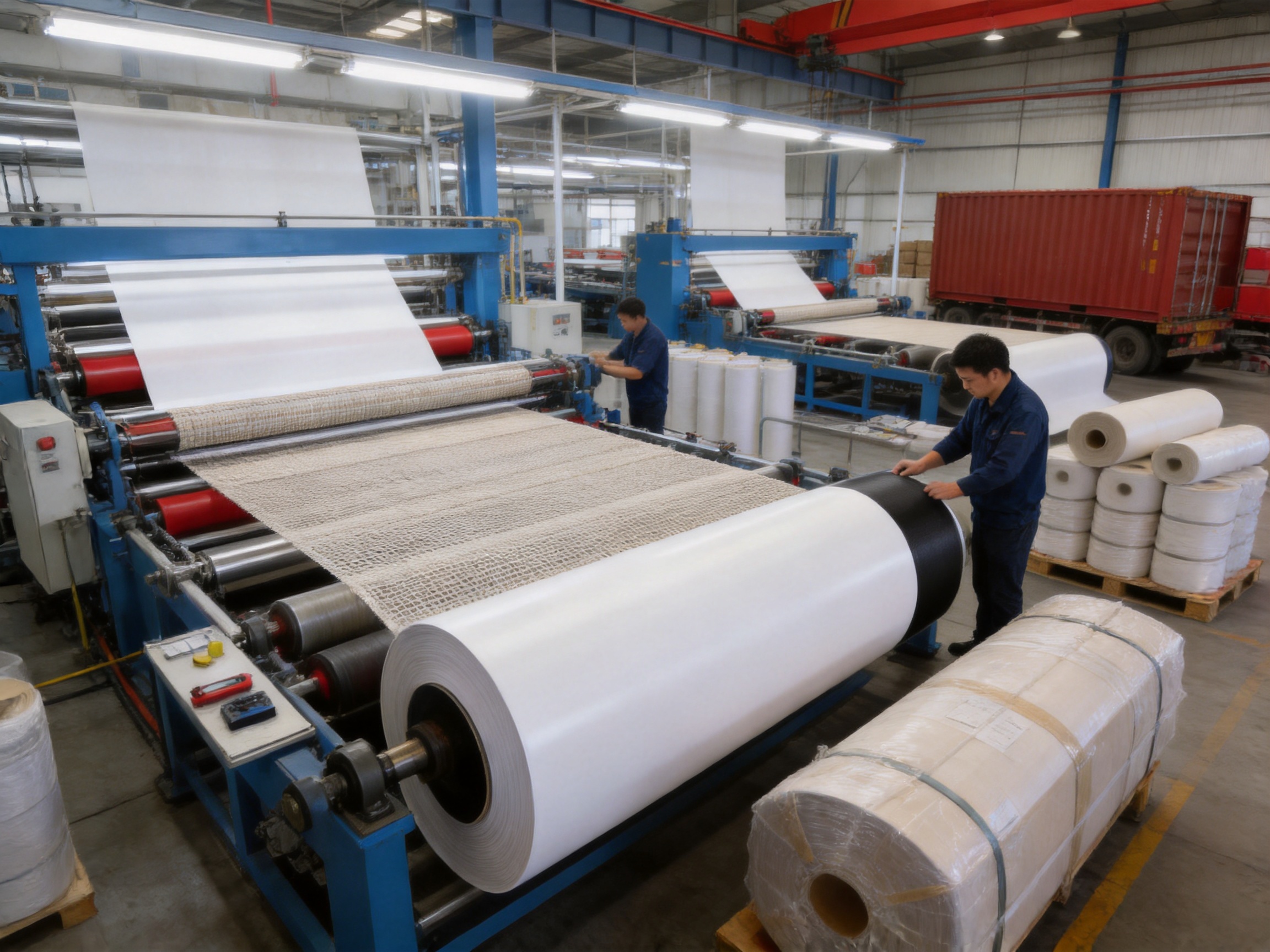
In modern advertising, a banner is more than a printed surface. It is a communication tool that must present images and messages clearly, remain attractive in changing weather, and support efficient installation at a reasonable total cost. The High-Resolution Durable PVC Flex Banner is designed to meet these requirements through a combination of printable PVC construction, strong woven reinforcement, vivid color reproduction, and practical finishing options.
Suitable for retail promotions, commercial buildings, exhibitions, public events, roadside advertising, trade shows, temporary campaigns, and long-term display projects, this flex banner provides a dependable platform for high-impact visual communication. Its smooth printable surface supports crisp graphics and readable text, while its reinforced structure helps it withstand handling, tension, wind exposure, moisture, and repeated installation.
The product is manufactured by Haining Taiwei New Material Co., Ltd., a China-based manufacturer and exporter specializing in PVC films, digital printing fabrics, tarpaulin materials, frontlit and backlit media, mesh products, and light box cloth. With advanced calendering equipment, several production lines, professional bonding facilities, and an annual output of approximately 45 million square meters, the company is positioned to support both regular commercial orders and large-scale international supply programs.
Advertising banners are often exposed to demanding conditions. A banner may be transported in a roll, unrolled at a project site, folded during storage, mounted under tension, exposed to rain, and subjected to sunlight, dust, temperature changes, or wind. A low-quality material can develop cracks, weak edges, fading, surface damage, or tearing around its attachment points. These problems can reduce the effectiveness of an advertising campaign and create additional replacement and installation costs.
A professional flex banner must therefore balance several performance characteristics. It should accept ink evenly, reproduce artwork with good definition, maintain color visibility, resist water, remain sufficiently flexible for handling, and have enough mechanical strength for installation. It should also be available in practical widths and support finishing operations such as hemming, edge reinforcement, welding, and grommet installation.
The High-Resolution Durable PVC Flex Banner addresses these needs with a PVC-coated, woven-reinforced structure. The stated total weight is 280 grams per square meter, with a 200 × 300 denier yarn specification and an 18 × 12 thread construction. This structure provides a useful combination of manageable weight and mechanical performance for advertising applications that require both portability and durability.
Unlike ordinary lightweight display paper or unreinforced plastic film, the banner is intended for repeated commercial use. Its material structure helps provide dimensional stability during printing and installation. It can be produced in widths up to 5 meters, making it suitable for both standard signage and large-format advertising where fewer seams are preferred.
The primary value of this banner lies in its ability to combine visual quality with outdoor practicality. The surface is suitable for digital printing, allowing businesses, agencies, printers, event organizers, and signage contractors to produce custom promotional graphics. Logos, product images, campaign messages, directional information, photographs, and large-format illustrations can be printed according to the needs of each project.
High-resolution printing is particularly important when a banner is viewed at close range. Retail displays, exhibition graphics, building interiors, and point-of-sale advertising often require clear small text, fine lines, smooth color transitions, and accurate image reproduction. A suitable PVC flex banner helps the printed design retain its visual authority instead of appearing blurred, patchy, or uneven.
For outdoor use, visibility and durability are equally important. The banner is designed to support vivid color presentation and resistance to common environmental exposure. Its waterproof characteristic makes it practical for rainy conditions, while UV resistance helps reduce the impact of prolonged sunlight on printed colors. These features are valuable for campaigns that remain installed for weeks or months rather than only for a single indoor event.
The material is also easy to clean. Dust, light dirt, and ordinary surface marks can generally be removed with appropriate cleaning methods, helping the display maintain a professional appearance. This is useful for banners installed near roads, construction areas, shopping centers, transport facilities, and other locations where airborne particles may accumulate.
| Product Attribute | Provided Specification or Characteristic | Practical Benefit |
| Product type | PVC flex banner | Suitable for printed indoor and outdoor advertising |
| Item number | TWF0203-280 | Supports product identification and ordering |
| Total weight | 280 gsm | Balances handling convenience with material strength |
| Yarn specification | 200 × 300D | Provides a woven reinforcement structure |
| Thread construction | 18 × 12 | Supports dimensional and mechanical stability |
| Tensile strength | 500/450 N per 5 cm | Helps resist pulling forces during installation |
| Tearing strength | 90/80 N | Helps limit tear propagation during handling and use |
| Adhesion | 50 N per 5 cm | Supports bonding between material layers |
| Temperature resistance | -15°C to +70°C | Allows use across a broad operating range |
| Maximum stated width | Up to 5 meters | Supports large-format applications with fewer joins |
| Water resistance | Waterproof construction | Appropriate for damp and rainy environments |
| Surface performance | Suitable for high-resolution digital printing | Produces clear text, images, and promotional graphics |
Print quality determines how effectively an advertisement communicates. A banner may have excellent mechanical strength, but if its surface produces dull colors, uneven ink absorption, or poor detail, the campaign can still fail to attract attention. The High-Resolution Durable PVC Flex Banner is developed for applications where graphic appearance is a central requirement.
The printable surface is intended to support vivid color reproduction. This is especially useful for brand campaigns, seasonal promotions, product launches, retail sales, entertainment events, and public announcements where visual impact influences audience response. Strong color presentation can help a banner remain noticeable in busy commercial environments containing many competing signs.
Fine details are also important. High-resolution output can improve the readability of telephone numbers, website text, prices, schedules, product specifications, and directional messages. Photographic images can retain more detail, while simple graphic designs can show cleaner edges and more distinct shapes. When viewed from a suitable distance, the result is a more polished and professional display.
Printing performance depends on the printer, ink, image file, drying conditions, and operating settings, so users should select printing parameters appropriate to the specific equipment. Even so, a consistent media surface provides a more reliable foundation for production. It can help printers maintain repeatability across multiple rolls and campaign batches.
For businesses serving several customers, consistency is as important as maximum color intensity. A stable material can help reduce variation between production runs, simplify workflow planning, and lower the risk of reprinting caused by surface defects or uneven ink behavior. This contributes to better cost control, especially when producing large quantities of advertising graphics.
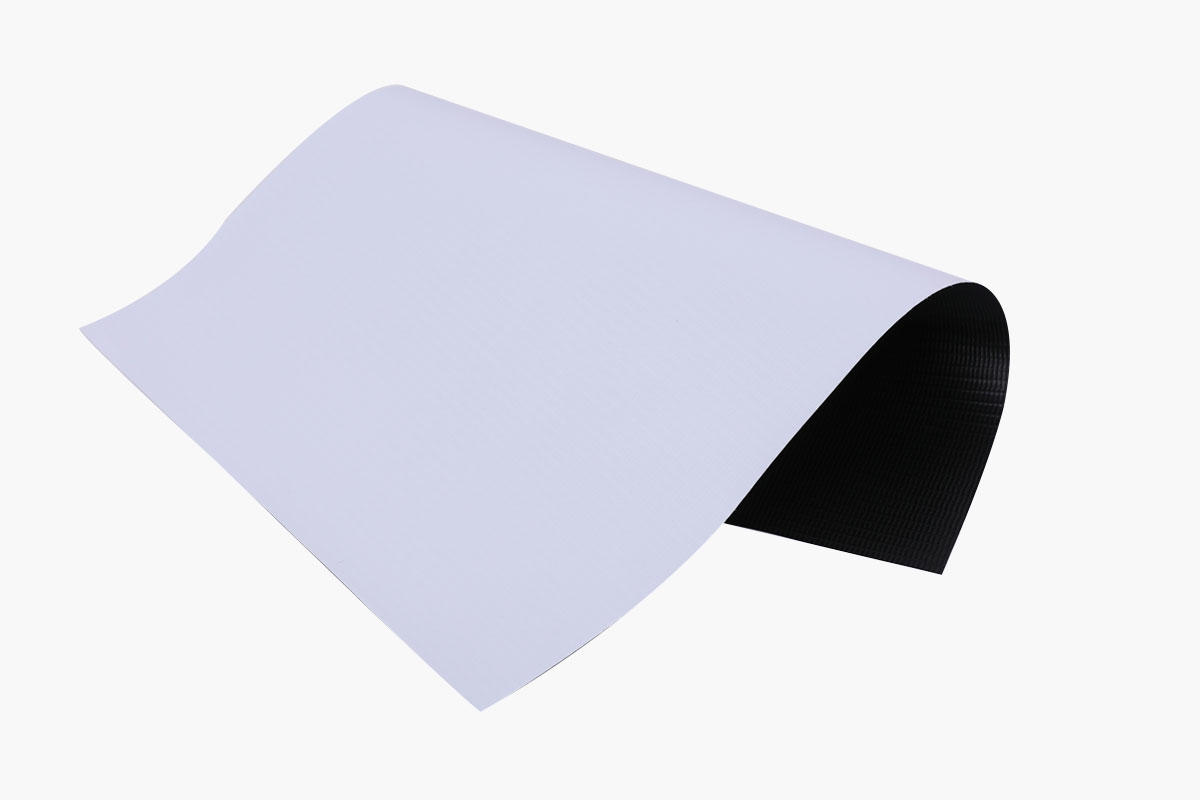
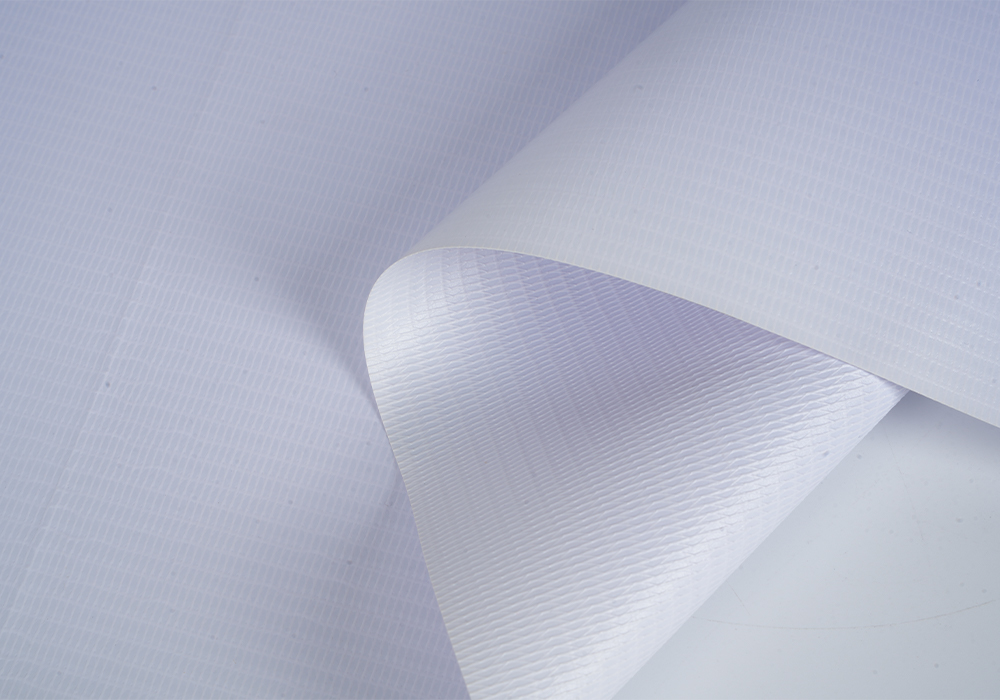
High-Resolution Durable PVC Flex Banner
The product is designed for use in both indoor and outdoor settings. Indoor applications include exhibition halls, shopping centers, supermarkets, showrooms, reception areas, sports venues, conference spaces, retail stores, and temporary event installations. In these environments, the banner’s lightweight format, printable surface, and easy installation make it convenient for changing promotional programs.
Outdoor applications include building facades, roadside signs, construction-site advertising, public event backdrops, festival signage, commercial promotions, temporary barriers, and large-scale campaign displays. Outdoor installations require greater resistance to moisture, sunlight, temperature variation, and mechanical stress. The banner’s waterproof and UV-resistant characteristics are intended to help it perform under these conditions.
Water resistance is valuable because rain and humidity can damage unsuitable display media. A waterproof PVC material helps protect the substrate and printed image from ordinary wet-weather exposure. It can also simplify cleaning and maintenance, since the surface is less vulnerable to moisture than many paper-based alternatives.
UV resistance helps slow color degradation caused by sunlight. No outdoor printed material remains completely unaffected by unlimited exposure, and service life depends on ink technology, climate, installation direction, cleaning, and duration. Nevertheless, UV-resistant construction gives the banner a stronger basis for maintaining visible and attractive graphics during outdoor campaigns.
Temperature resistance from approximately -15°C to +70°C provides a broad stated range for practical use. This range is relevant to seasonal advertising and installations in regions that experience cool winters, hot summers, or substantial day-to-night temperature changes. Correct installation remains important, because excessive tension, sharp edges, poor support, and severe wind can affect any flexible material regardless of its nominal temperature rating.
A banner’s mechanical performance depends not only on the PVC coating but also on its internal woven reinforcement and finished edges. The 200 × 300 denier specification and 18 × 12 thread construction provide the product with a structured textile foundation. This reinforcement helps the material resist stretching and tearing during common handling and mounting operations.
The stated tensile strength is 500/450 N per 5 cm, while the tearing strength is 90/80 N. These values indicate that the material is engineered for practical tension and handling requirements rather than being a fragile decorative sheet. For printers and installers, this can make the product easier to transport, trim, finish, and mount in large dimensions.
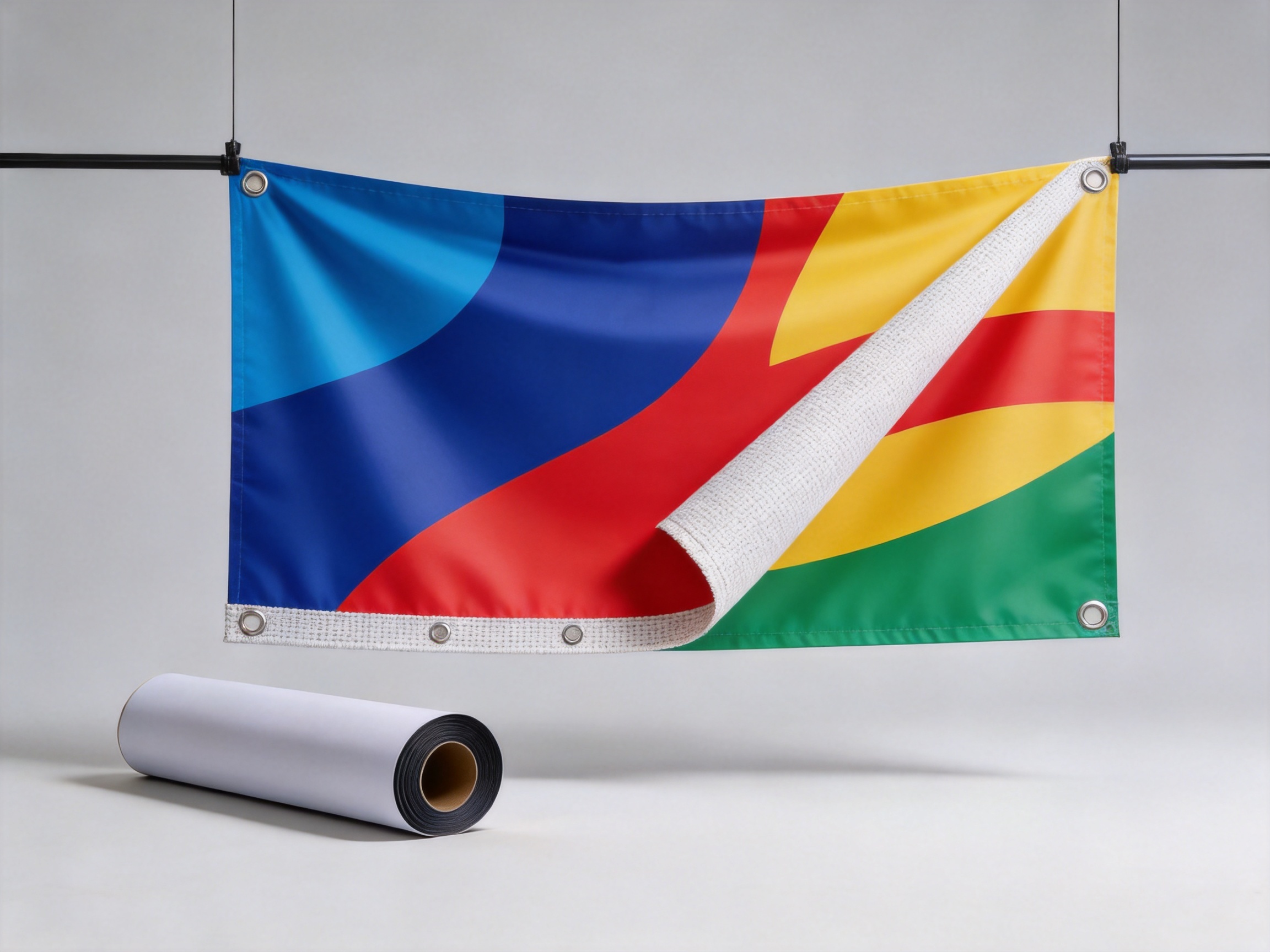
Reinforced edges are an important part of a professional banner system. When a banner is installed, pulling forces are frequently concentrated around the perimeter and attachment points. An unreinforced edge can curl, split, or tear, particularly when grommets are used under tension. Reinforced edges distribute the load over a larger area and help preserve the shape of the display.
Metal grommets can be installed along reinforced edges to support ropes, hooks, cable ties, frames, or other mounting hardware. Their spacing should be selected according to banner size, expected wind exposure, support structure, and installation duration. Properly positioned grommets make the banner easier to hang, remove, reposition, and replace.
Professional finishing can also include hemming, heat welding, cutting, eyelet installation, and custom sizing. These options allow fabricators to adapt the material to different display structures. For example, a small retail banner may require only a simple hem and corner eyelets, while a large facade graphic may need stronger perimeter reinforcement and carefully planned attachment points.
Paper posters can provide good image quality for indoor campaigns, but they are vulnerable to moisture, tearing, wrinkling, and handling damage. They are generally unsuitable for prolonged outdoor exposure unless protected by a separate frame or covering. The PVC flex banner offers a more durable alternative when an advertising display must withstand transportation, installation, cleaning, or changing weather.
The banner can also be produced in larger continuous formats than many conventional paper printing systems. Its flexible construction allows it to be rolled for transport and storage, reducing the need for rigid packaging. This can simplify logistics for large graphics and reduce the number of separate panels required for a campaign.
Unreinforced plastic film may be lightweight and inexpensive, but it can have lower resistance to tearing and stretching. When installed with tension, a weak film can deform or fail around holes and attachment points. The woven-reinforced construction of the flex banner provides greater mechanical support, making it more suitable for banners that must be hung, tensioned, or moved.
The reinforced structure also contributes to better dimensional control during printing and finishing. A stable media format helps fabricators achieve straighter edges and more predictable final dimensions, which is useful when the banner must fit a frame or align with neighboring panels.
Very lightweight banner products may be adequate for short-term indoor use, but they can provide less resistance to handling and outdoor stress. A 280 gsm product offers a practical middle ground for businesses that need manageable weight without sacrificing too much strength. It is substantial enough for commercial display applications while remaining easier to handle than many heavier coated materials.
For large graphics, a maximum stated width of up to 5 meters can help reduce the number of seams. Fewer seams may improve visual continuity, simplify installation, and reduce potential weak points. This is particularly valuable for building graphics, event backdrops, stage decoration, and large promotional walls where uninterrupted artwork is desirable.
Product performance begins with manufacturing control. Haining Taiwei New Material Co., Ltd. was established in July 2010 and operates in Haining Dingqiao Industrial Park, Zhejiang Province. Its location provides access to transportation routes and nearby Shanghai and Ningbo ports, supporting the movement of raw materials and finished products for international trade.
The company specializes in a broad range of flexible material products, including PVC films, digital printing fabrics, tarpaulin films, frontlit and backlit materials, double-sided printing fabrics, mesh, and light box cloth. This product range is significant because flex banner manufacturing requires knowledge of polymer formulation, textile reinforcement, coating behavior, surface treatment, printing compatibility, and finishing technology.
Advanced calendering equipment is used in the production environment. Calendering is a controlled process in which polymer material is passed through heated rollers to form a consistent film or coating layer. Proper control of temperature, pressure, roller speed, and formulation helps determine thickness, smoothness, surface appearance, and layer uniformity.
For a PVC flex banner, uniform coating is important for both appearance and performance. Uneven thickness can lead to variations in stiffness, gloss, print behavior, or mechanical strength. A controlled calendering process helps create a more consistent product across the roll, supporting reliable printing and predictable fabrication.
Multiple production lines provide capacity and scheduling flexibility. The company reports an annual output of approximately 45 million square meters, allowing it to support substantial orders for distributors, printing companies, advertising contractors, and international buyers. Large production capacity can also help improve supply continuity for customers managing repeated campaigns or regional distribution.
Professional bonding facilities support the production of composite and reinforced materials. Bonding quality affects the adhesion between the PVC layers and textile base. The stated adhesion value is 50 N per 5 cm, reflecting the importance of maintaining reliable layer integration during use. Good bonding helps prevent separation, bubbling, or premature failure when the banner is rolled, printed, installed, or exposed to environmental conditions.
Manufacturing flexibility is another advantage. The company can serve products in various series and models, allowing buyers to discuss requirements related to application, width, printing method, weight, surface, and finishing. This is useful for customers who need more than a standard catalog item and require a material selected for a particular display environment.
Quality management is essential for flexible advertising materials because defects can become visible across a large printed surface. A small coating inconsistency, pinhole, wrinkle, or adhesion problem may become highly noticeable after printing. Reliable inspection and process control help reduce such risks before material reaches the customer.
The company identifies ISO9001:2015 and GB/T 19001-2016 among its quality credentials. These standards are associated with quality management systems and provide a framework for process organization, documentation, monitoring, and continual improvement. Certification alone does not replace product testing, but it indicates a structured approach to manufacturing quality.
The supplied product information also references DIN 75200 for fire-related testing and GB/T 3923.1-2013 for tensile testing. Buyers should confirm the precise test scope, applicable product version, and documentation required for their destination market before placing an order. Different projects may require additional fire classifications, environmental tests, or printing certifications.
Quality reliability also includes order consistency. A professional supplier should be able to provide clear product identification, technical specifications, packaging information, production schedules, and pre-shipment communication. These elements help importers and distributors plan stock, coordinate printing projects, and reduce uncertainty during delivery.
The company describes its broader product range as including cold resistance, flame retardancy, UV resistance, antistatic, mildew-proof, and antibacterial properties. The exact performance of each feature depends on the particular product series, formulation, and test standard. Customers should specify which properties are required for the intended application and request the relevant technical documentation.
For the flex banner described here, waterproofing and UV resistance are central functional advantages. These features support outdoor advertising where the material may be exposed to moisture and sunlight. The banner’s cleanable surface can also contribute to longer practical use by allowing routine maintenance rather than immediate replacement after ordinary soiling.
Mildew resistance can be relevant in humid storage conditions, especially when banners are rolled before they are fully dry or stored in warm, damp environments. Proper storage remains essential. Finished banners should ideally be cleaned, dried, rolled appropriately, protected from sharp objects, and kept in a ventilated location away from excessive heat and direct sunlight.
Antistatic or antibacterial properties should not be assumed for every model unless they are explicitly included in the order specification. Buyers with special requirements should ask for confirmation before production. This approach ensures that the material selected matches the actual operating environment rather than relying on general product-family descriptions.
Retail stores frequently change promotional messages to reflect sales events, holidays, product launches, and seasonal offers. Flex banners provide a practical way to create prominent visuals for entrances, windows, aisles, counters, and exterior walls. Their printable surface supports product photography, pricing information, promotional slogans, and brand graphics.
Exhibition displays must be attractive, portable, and easy to install within limited setup periods. A banner can serve as a back wall, side panel, hanging sign, product introduction, or directional graphic. The ability to roll the material for transport helps reduce storage volume, while its light weight simplifies movement between venues.
Large commercial facades require materials that can present graphics over a broad area. The available width of up to 5 meters can reduce the need for multiple narrow panels. When combined with reinforced edges and appropriate mounting, the material can support large promotional images, event announcements, and construction-site advertising.
Concerts, sporting events, public festivals, conferences, and community activities often need temporary signage that can be installed quickly and removed after the event. Flex banners are suitable for stage backdrops, sponsor walls, entrance signs, crowd guidance, and photo areas. Their water resistance provides added value when events take place outdoors.
Construction sites and property developments commonly use large graphics to introduce projects, display architectural images, identify contractors, or promote available spaces. The banner’s outdoor suitability, visibility, and custom sizing support these applications. Reinforced finishing is especially important when displays remain exposed to wind and dust for extended periods.
Temporary public information campaigns may require banners near transportation facilities, community centers, streets, or public venues. The material can carry directional messages, safety notices, event information, and service announcements. Clear text and high-resolution graphics help improve communication when viewers are moving past the display.
Before printing, users should confirm the banner dimensions, artwork resolution, color profile, bleed allowance, finishing requirements, and intended viewing distance. Large-format artwork should be prepared with sufficient image quality for the final size. Important text and logos should remain inside a safe area so they are not hidden by hems, grommets, frames, or folds.
Printing operators should test ink compatibility and drying behavior with the selected printer. A small sample can help confirm color density, surface appearance, drying time, and adhesion before full production. This is particularly useful when a new printer, ink system, or artwork style is being introduced.
After printing, the banner should be handled carefully to avoid scratches, creases, and contamination. If the material is rolled, the printed surface should be protected according to the printer’s recommendations. Sharp folding can create permanent marks or stress points, especially when a finished banner is stored for a long time.
Installation hardware should match the size and environment of the display. For small indoor banners, light-duty hooks or frame systems may be sufficient. Large outdoor banners may require reinforced edges, evenly spaced grommets, cables, ropes, tension bars, or a rigid support structure. The installer should avoid excessive point loading and should ensure that the banner is not rubbing continuously against sharp surfaces.
Wind exposure deserves special attention. A solid banner can act like a sail, transferring substantial force to its mounting points. In windy locations, the support system must be designed appropriately, and mesh banner materials may be more suitable when air permeability is required. The flex banner should not be used in conditions beyond the capability of its installation system.
The listed minimum order quantity is one 20-foot container. This quantity is suitable for importers, regional distributors, printing groups, and advertising material wholesalers that need commercial volume. Buyers should confirm the loading plan, roll dimensions, packaging method, product series, and total container capacity before finalizing the order.
The stated delivery time is approximately 20 working days. Actual timing may depend on product specifications, order quantity, raw material availability, production scheduling, inspection, packaging, and shipping arrangements. Customers with fixed campaign dates should communicate deadlines early and request a confirmed production schedule.
Payment terms are identified as earnest money plus balance through T/T or L/C, with delivery terms such as FOB, CIF, and CNF available for discussion. The correct trade term should be selected according to the buyer’s logistics capability, destination port, insurance requirements, and import responsibilities.
Because the product is available in various series, buyers should not rely only on a general product name. They should confirm the item number, weight, width, surface type, color, printing compatibility, fire performance, tensile values, and any special coating or treatment required. A written technical confirmation can reduce misunderstandings between purchasing, production, and installation teams.
For distributors, consistent product labeling and documentation are valuable. Each shipment should be traceable through item numbers, roll labels, packing lists, and inspection records. This helps distributors manage inventory and provide accurate information to their own printing and advertising customers.
Haining Taiwei New Material Co., Ltd. combines manufacturing experience, product range, production capacity, and export orientation. The company has operated since 2010 and reports that more than 98% of its products are exported to Europe, America, the Middle East, Southeast Asia, and other regions. International export experience can help a supplier understand packaging, documentation, communication, and delivery requirements across different markets.
The company’s location in Zhejiang Province provides access to established industrial resources and major Chinese ports. Proximity to Shanghai and Ningbo ports can support international logistics planning, although the final shipping route and transit time depend on the destination and selected trade term.
A broad product portfolio also creates technical advantages. Manufacturing PVC films, tarpaulin films, digital printing fabrics, frontlit and backlit media, mesh, and other light box cloth products gives the company experience across related flexible-material technologies. This knowledge can support product development, customization, and application-specific recommendations.
Production capacity is another important strength. An annual output of approximately 45 million square meters indicates the ability to manage substantial orders. For customers with recurring demand, capacity can help reduce the risk of supply interruptions and make it easier to coordinate regional campaigns or distributor stock programs.
The company emphasizes technological innovation, high-quality products, and customer service. These priorities are relevant to buyers seeking a long-term supplier rather than a one-time source. Successful supply relationships depend not only on the material itself but also on communication, technical support, quality consistency, production planning, and after-sales responsiveness.
Routine maintenance can help preserve the appearance and useful life of a printed banner. Dust and loose dirt should be removed with a soft cloth or gentle cleaning method. If water or mild cleaning solution is used, the surface should be rinsed appropriately and allowed to dry before rolling or storage.
Abrasive tools, aggressive solvents, sharp brushes, and excessive pressure should be avoided unless specifically approved for the material. Such methods may damage the printed surface, reduce gloss, or create visible marks. Testing any cleaning method on a small inconspicuous area is advisable.
When removing a banner, installers should release tension gradually rather than pulling sharply on individual grommets. The material should be inspected for cuts, loose hardware, edge damage, or contamination before being stored. Small problems are easier to address before the next installation.
For storage, the banner should be kept dry, protected from direct sunlight, and away from extreme heat. Rolling is generally preferable to tight folding for large printed graphics, since repeated creasing can create permanent lines. Rolls should be supported and protected from crushing during transport.
Correct maintenance cannot eliminate all effects of aging, weather, or mechanical stress, but it can help preserve the graphic’s appearance and reduce avoidable damage. This is especially important for reusable event banners and seasonal promotional materials.
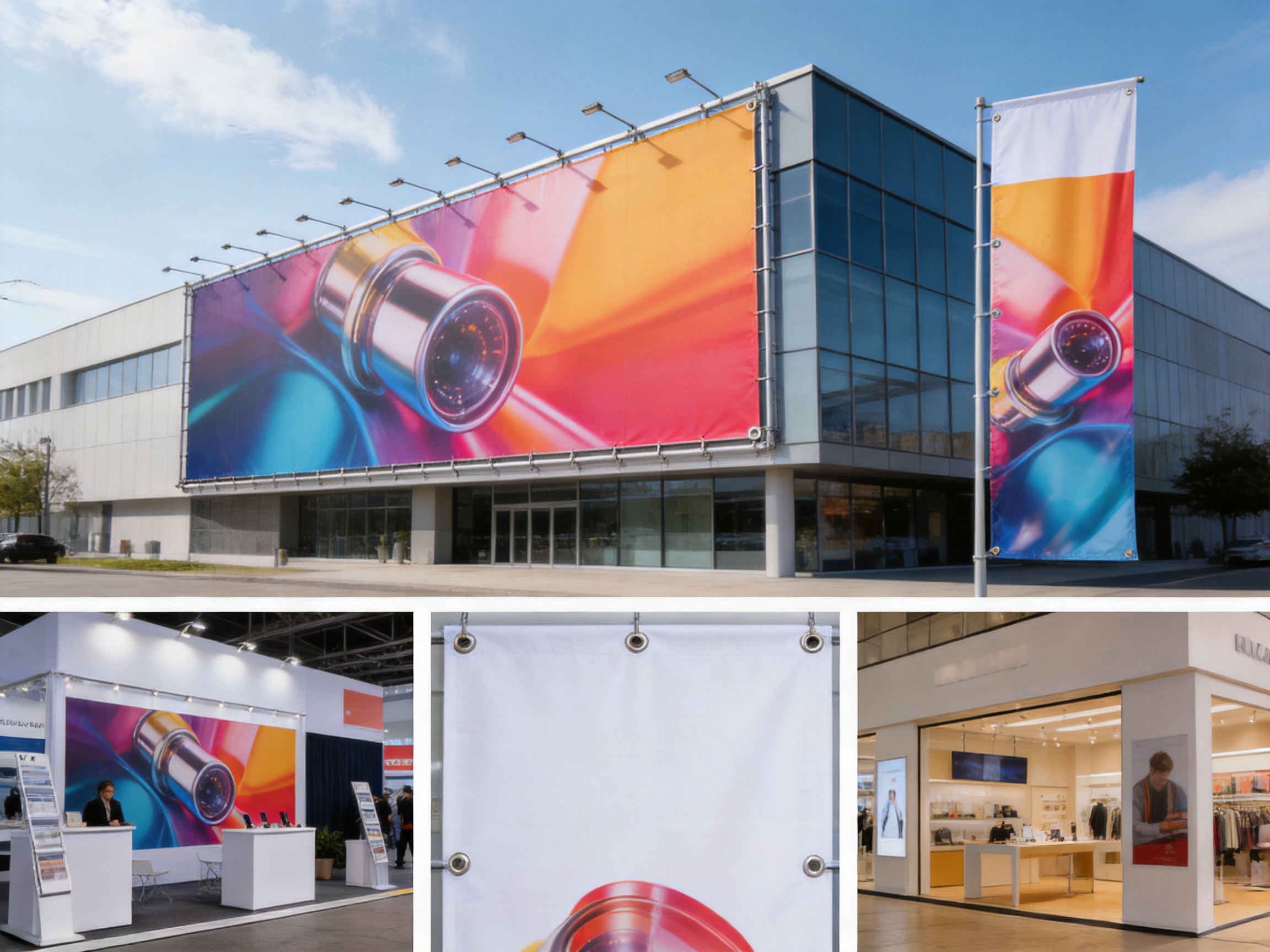
It is used for indoor and outdoor advertising, including retail promotions, exhibitions, trade shows, building graphics, event backdrops, roadside displays, construction-site advertising, public information campaigns, and temporary commercial signage.
The stated total weight is 280 grams per square meter. This provides a practical balance between portability, flexibility, and mechanical strength for many advertising applications.
The provided specification states that the width can reach up to 5 meters. Buyers should confirm the exact available width for the selected product series and production order.
Yes. It is designed for indoor and outdoor advertising and is described as waterproof and UV-resistant. Outdoor service life depends on climate, exposure, ink, mounting, wind, cleaning, and installation quality.
Yes. The product is intended for high-resolution digital printing and is designed to support clear graphics, vivid colors, fine details, and readable text when used with compatible printing equipment and suitable production settings.
It can be finished with reinforced edges and metal grommets. Depending on the application, it may be attached using ropes, hooks, cable ties, cables, frames, or other suitable hardware. The installation method should match the banner size and environmental conditions.
The supplied information lists tensile strength at 500/450 N per 5 cm and tearing strength at 90/80 N. The applicable direction and test interpretation should be confirmed in the technical documentation for the ordered product.
The stated temperature resistance is approximately -15°C to +70°C. Actual performance can also be influenced by tension, wind, storage, printing, installation, and exposure duration.
Yes. Its waterproof PVC surface is described as easy to clean. Users should choose gentle cleaning methods and avoid abrasive tools or unapproved solvents that could damage the printed surface.
The listed minimum order quantity is one 20-foot container. The buyer should confirm loading capacity, product combinations, packaging, and order details with the supplier before placing an order.
The stated delivery time is 20 working days. The final schedule depends on specifications, order quantity, production planning, inspection, packaging, and shipping arrangements.
Yes. The company offers various product series, and customers can discuss requirements related to width, weight, surface, printing method, application, finishing, and performance features. Special requirements should be confirmed in writing before production.
These features are mentioned among the company’s broader product capabilities, but they should not be assumed for every flex banner model. Buyers requiring a specific performance should request the relevant product version, test report, and specification before ordering.
Buyers should confirm the item number, total weight, width, yarn and thread construction, tensile and tearing values, surface type, printing compatibility, UV and waterproof performance, fire requirements, packaging, minimum order quantity, delivery schedule, payment terms, and shipping arrangement.
The High-Resolution Durable PVC Flex Banner is a versatile advertising material developed for businesses that need strong visual performance and practical durability. Its high-resolution printing capability supports clear graphics and vivid promotional messages, while its waterproof and UV-resistant characteristics make it suitable for many indoor and outdoor environments.
The 280 gsm construction, 200 × 300 denier yarn specification, 18 × 12 thread structure, tensile strength, tearing strength, and reinforced finishing options provide a useful foundation for commercial display work. The ability to manufacture widths up to 5 meters helps support large-format graphics with fewer seams, while the flexible roll format simplifies transport, storage, and installation.
Its competitive value is strengthened by the manufacturer’s production capabilities. Advanced calendering equipment, multiple production lines, professional bonding facilities, quality management credentials, international export experience, and substantial annual output support consistent supply for commercial buyers. The company’s wider experience with PVC films, printing fabrics, tarpaulins, mesh, and light box materials also provides a strong technical base for product development and application support.
For printers, distributors, advertising contractors, and project buyers, the most important step is to match the selected specification with the intended application. With appropriate printing, finishing, mounting, cleaning, and storage, this PVC flex banner can serve as a dependable platform for durable, high-visibility advertising campaigns.
1. Product technical information for High-Resolution Durable PVC Flex Banner, item number TWF0203-280.
2. Manufacturer-provided company profile and production capability information for Haining Taiwei New Material Co., Ltd.
3. ISO 9001:2015, Quality Management Systems—Requirements.
4. GB/T 19001-2016, Quality Management Systems—Requirements.
5. GB/T 3923.1-2013, Textiles—Tensile Properties of Fabrics—Determination of Maximum Force and Elongation at Maximum Force.
6. DIN 75200, Determination of the Burning Behaviour of Materials Used in the Interior of Motor Vehicles.
7. General technical principles for large-format digital printing, flexible PVC media handling, finishing, installation, maintenance, and storage.
High-Resolution Durable PVC Flex Banner
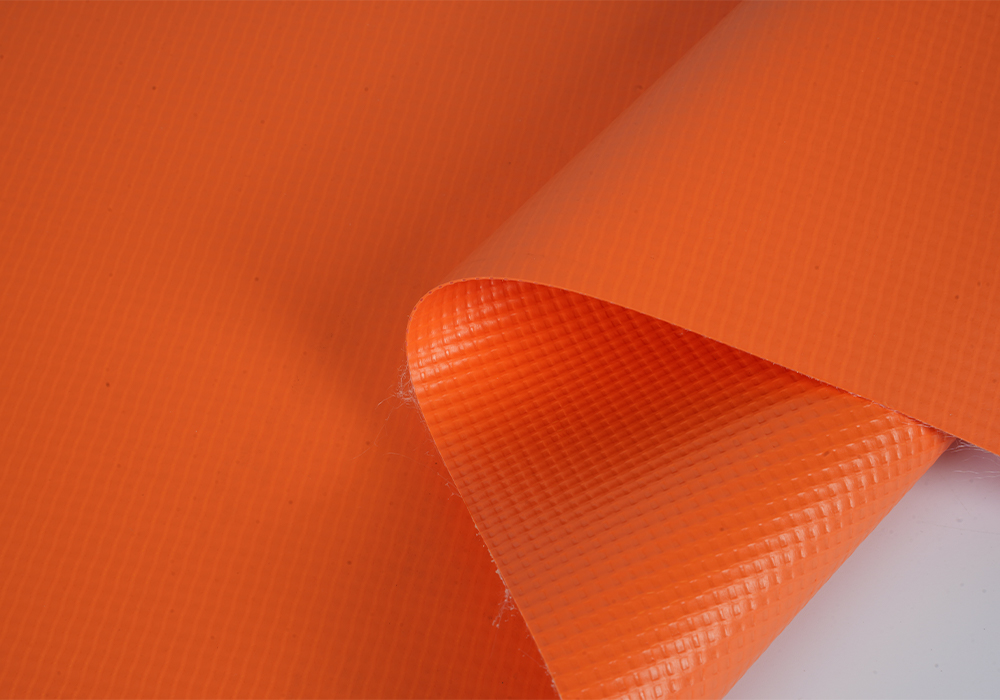 Flexible Wear Resistant PVC Tarpaulin For Luggage Bags
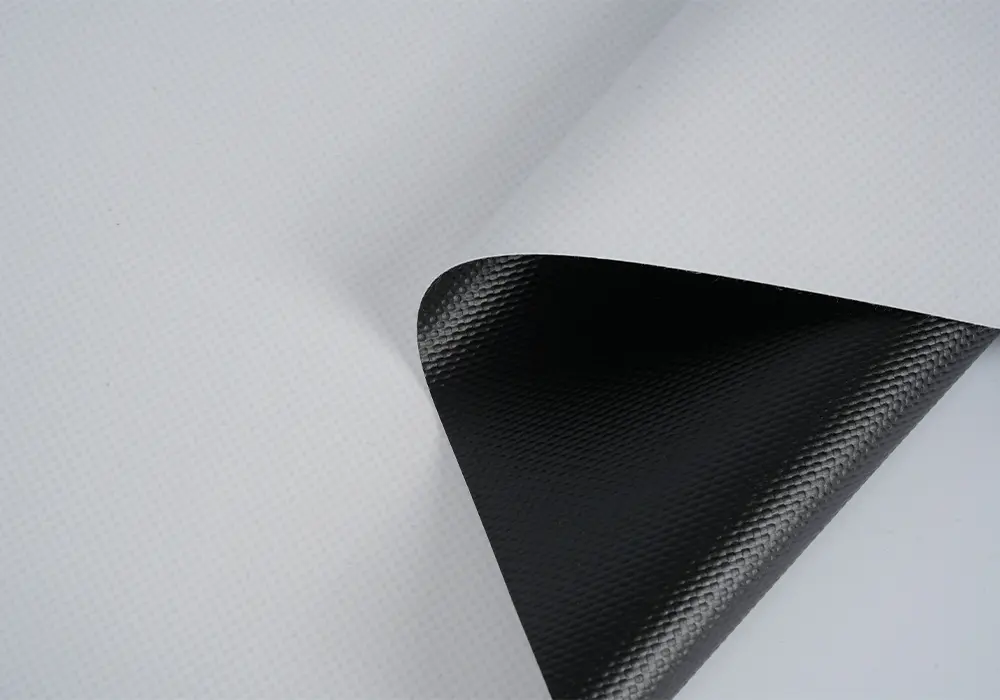 Weatherproof Blackback Opaque Advertising Flex Banner
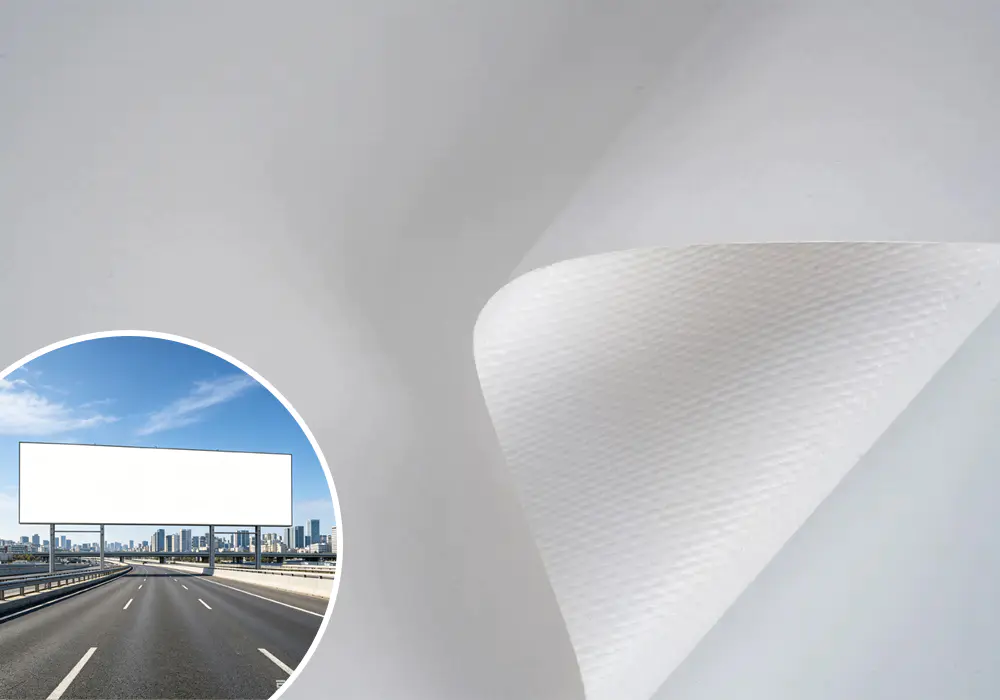 Tear Resistant Large Outdoor Flex Banner Print Cloth
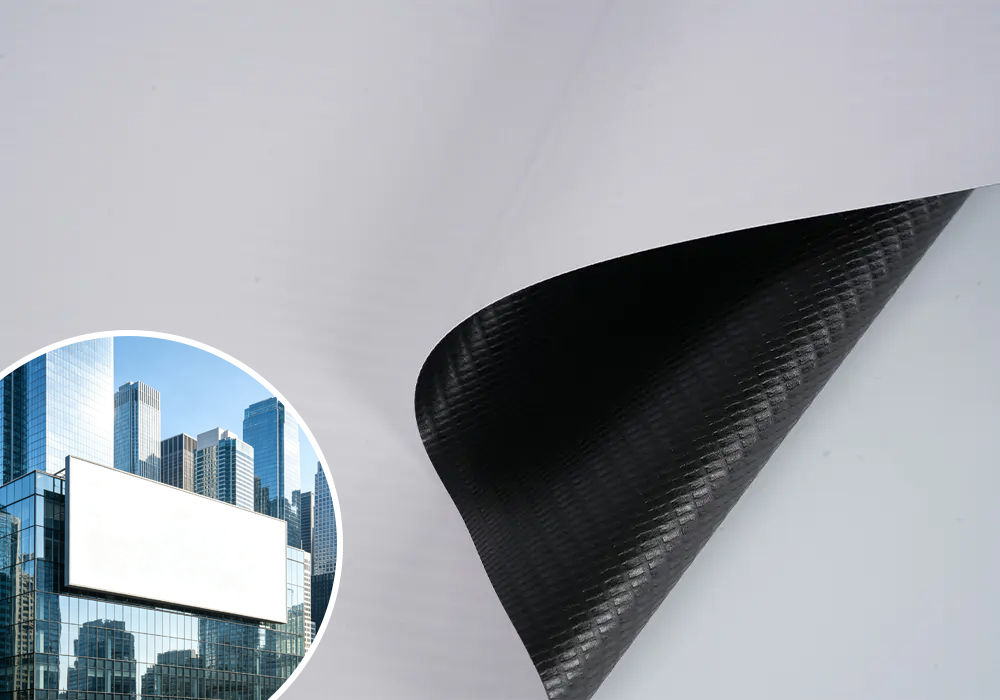 High Ink Absorption Blackback Commercial Promo Flex banner Material
 Light Flexible Light Transmitting Flex Advertising Banner
 Custom Digital Printing Fabric Manufacturers

 Previous