

 English
 中文简体
 Español
News
Home / Author / Shen Yaqin — International Sales Manager / Multi-Purpose Insulated Cold-Weather Tarpaulin for Reliable Outdoor Protection


Content
Outdoor work, transport, storage, camping, and emergency protection all require materials that can perform reliably when temperatures fall and weather conditions become difficult. The Multi-Purpose Insulated Cold-Weather Tarpaulin is designed as a versatile protective covering for users who need durability, moisture resistance, easy handling, and dependable performance in cold-weather environments. Its construction combines a strong 500 x 500 denier base specification, an approximate total weight of 510 grams per square meter, reinforced edges, practical tie-down points, and a temperature-resistance range from -15°C to +70°C.
Unlike a lightweight disposable sheet, this tarpaulin is intended for repeated use. It is suitable for protecting equipment, construction materials, tools, food containers, outdoor furniture, vehicles, temporary work areas, and personal belongings. Its multi-purpose design allows one product to support several tasks instead of requiring separate covers for every application. This flexibility can simplify procurement, reduce storage requirements, and improve preparedness for changing weather conditions.
The product is manufactured by Haining Taiwei New Material Co., Ltd., a Chinese manufacturer and exporter specializing in PVC films, digital printing fabrics, tarpaulin films, frontlit and backlit materials, mesh products, and other coated textile solutions. The company has developed production capabilities that include advanced calendering equipment, multiple manufacturing lines, and professional bonding facilities. With an annual output of approximately 45 million square meters and export experience across Europe, America, the Middle East, Southeast Asia, and other regions, the manufacturer is positioned to support both standard and customized requirements.
This article examines the product’s construction, performance characteristics, practical benefits, manufacturing strengths, customization potential, quality considerations, and suitability for professional and personal use.
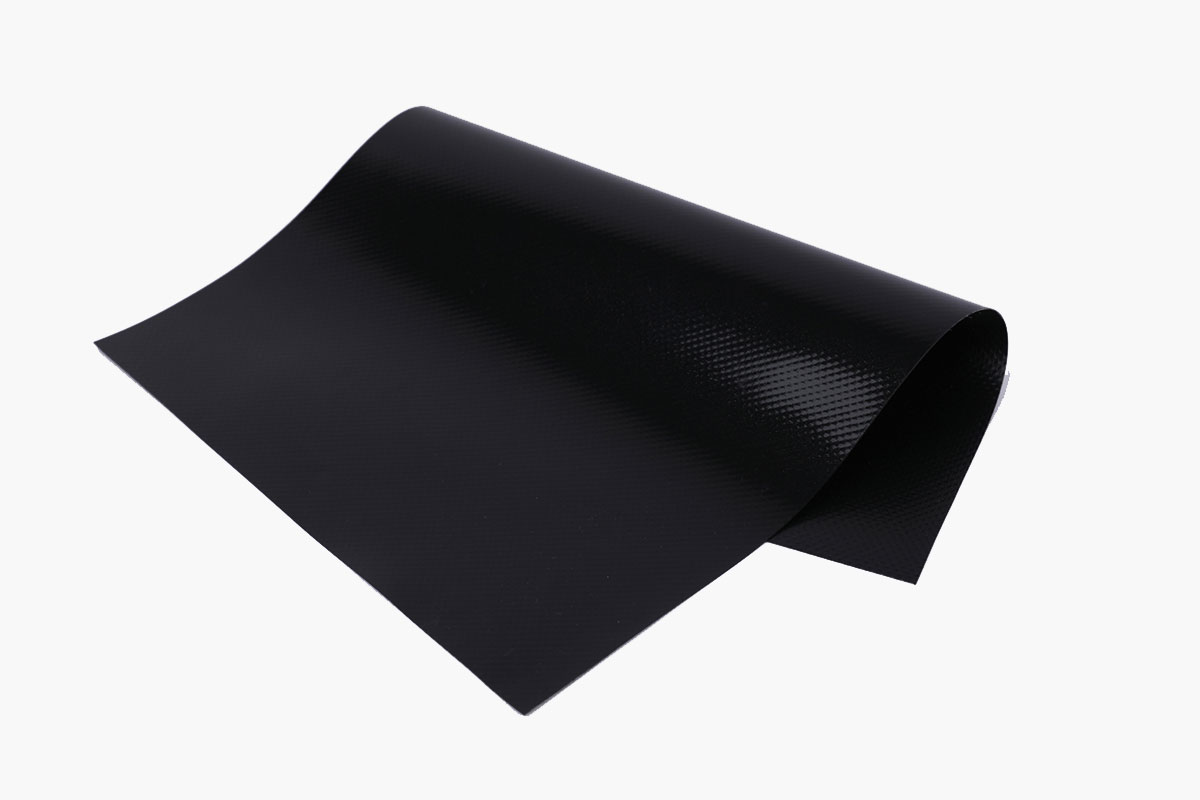
Multi-Purpose Insulated Cold-Weather Tarpaulin
Cold weather creates several challenges for protective coverings. Materials can become less flexible, moisture can accumulate beneath a cover, wind can place additional stress on edges and attachment points, and repeated folding or handling can accelerate wear. A suitable cold-weather tarpaulin must therefore provide more than a waterproof surface. It should combine mechanical strength, dimensional stability, practical handling, and resistance to environmental exposure.
The Multi-Purpose Insulated Cold-Weather Tarpaulin is developed with these requirements in mind. Its rugged construction supports regular use in outdoor environments where abrasion, tension, dirt, and fluctuating temperatures are common. The product is suitable for temporary and semi-permanent protection, depending on the installation method, weather exposure, and application requirements.
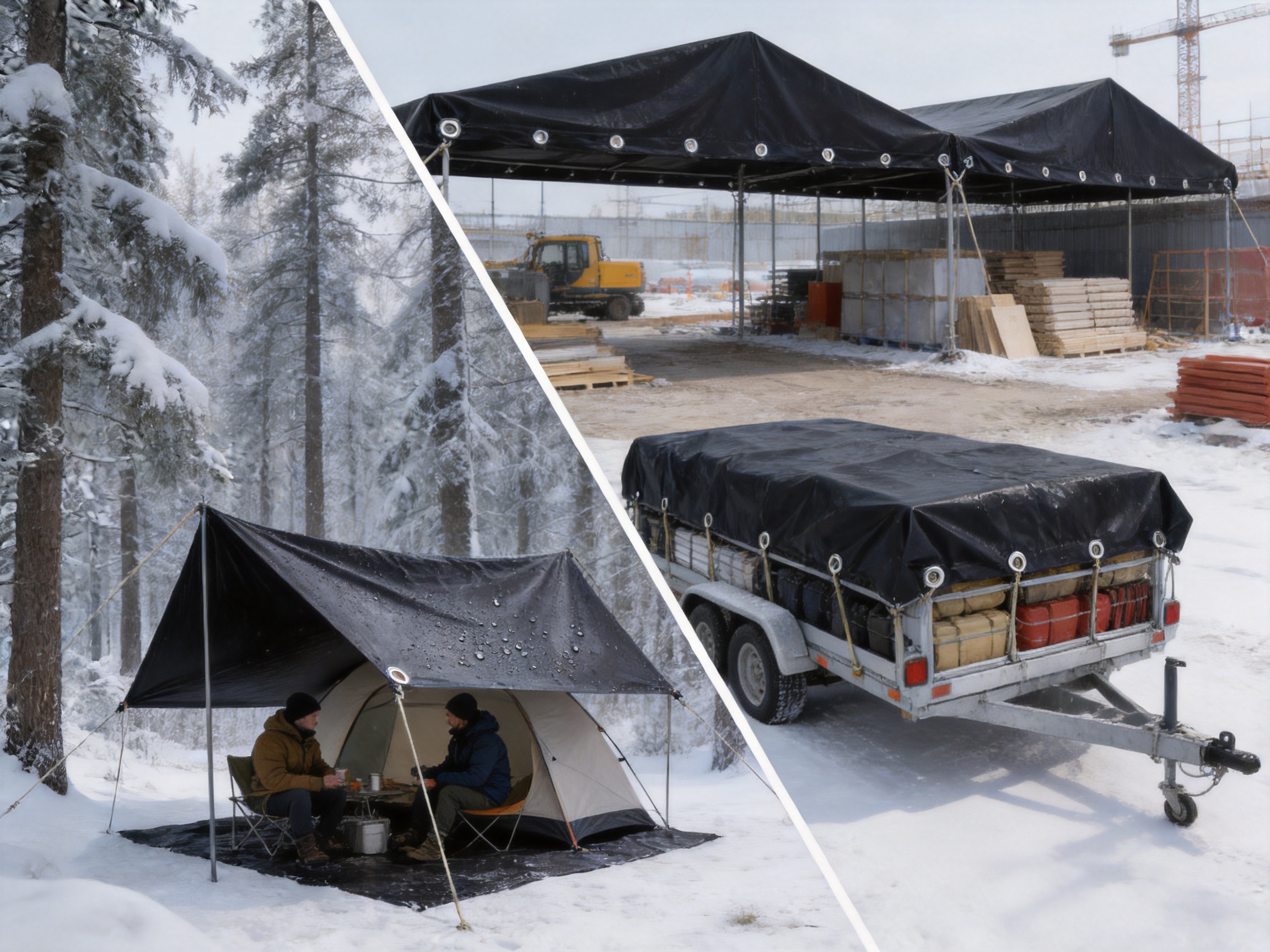
For camping and hiking, the tarpaulin can be used as a groundsheet, equipment cover, temporary windbreak, rain shelter, or protective layer beneath stored supplies. For construction work, it can cover building materials, tools, scaffolding areas, equipment, and unfinished surfaces. For transport and logistics, it can help shield cargo from rain, snow, windblown dust, and general outdoor exposure. In agricultural, industrial, and household settings, it can be used to cover machinery, outdoor furniture, raw materials, and stored goods.
The broad application range is one of the product’s principal advantages. A buyer does not need to select an entirely different covering for every basic protection task. Instead, the same material platform can be specified in different sizes, colours, edge treatments, and finishing configurations according to the intended use.
The supplied technical information identifies the product as model TWP0505-510. The yarn specification is listed as 500 x 500D, with a thread count of 18 x 17 and a total weight of 510 grams per square meter. These values indicate a substantial coated fabric designed to offer a balance between strength and manageability.
| Specification | Listed value | Practical significance |
|---|---|---|
| Model | TWP0505-510 | Product identification for quotation and production communication |
| Yarn specification | 500 x 500D | Supports a strong woven base structure |
| Thread count | 18 x 17 | Contributes to fabric density and structural stability |
| Total weight | 510 gsm | Provides a substantial, durable material platform |
| Tensile strength | 1200/1100 N per 5 cm | Supports resistance to pulling forces in the length and width directions |
| Tearing strength | 280/250 N | Helps limit the spread of damage after a tear begins |
| Adhesion | 70 N per 5 cm | Indicates bonding strength between relevant coated layers |
| Temperature resistance | -15°C to +70°C | Allows use across a broad range of outdoor temperatures |
| Maximum stated width | Up to 3.20 meters | Supports wide-format production with fewer seams |
| Fire-related listing | DIN 75200, below 100 mm per minute, as supplied | Provides a reference for the listed burning-performance requirement |
| Tension test reference | GB/T 3923.1-2013, as supplied | Provides a reference for tensile-test evaluation |
The 510 gsm weight places the tarpaulin in a robust category while still allowing it to be folded, transported, and installed without specialized lifting equipment in many ordinary applications. Weight is an important factor in tarpaulin design. A very light cover may be convenient but can be less resistant to abrasion and wind stress. A very heavy cover may provide strength but become difficult to carry or deploy. The stated specification aims to balance these competing requirements.
The 500 x 500 denier construction also contributes to the product’s practical durability. Denier describes the linear density of the yarn, and the listed specification indicates a substantial woven foundation. The coating and bonding process then help provide surface protection and support the fabric’s resistance to moisture and handling.
One of the clearest differences between a professional tarpaulin and a low-grade temporary sheet is resistance to mechanical stress. A cover may experience pulling during installation, tension from wind, friction against supporting structures, and repeated folding during storage. The listed tensile strength of 1200/1100 N per 5 cm demonstrates that the material has been engineered to withstand considerable force in both principal directions.
Tensile strength is particularly important when a tarpaulin is stretched over a frame, attached to a truck or trailer, or secured around irregular cargo. A high-strength base material helps reduce premature deformation and supports a more stable installation. It also provides greater confidence when the cover must remain in place for an extended period.
The tearing-strength values of 280/250 N provide an additional indication of durability. Tearing resistance is different from tensile strength: tensile strength measures the force required to pull the material apart, while tearing strength evaluates how well the material resists the propagation of an existing cut or tear. This distinction matters because damage can begin at a sharp corner, an attachment hole, or an accidental puncture. Better tear resistance can help prevent a small defect from rapidly becoming a large opening.
The listed adhesion value of 70 N per 5 cm is also important for a coated tarpaulin. Strong adhesion helps maintain the relationship between the coating and the textile base during folding, tensioning, and exposure to changing temperatures. Stable bonding can support longer service life and reduce the likelihood of peeling, blistering, or layer separation when the material is used correctly.
Compared with thin plastic covers or low-density fabrics, this construction offers a more dependable solution for buyers who value repeated use. It is not merely intended to block rain for a short period; it is designed as a reusable protective material for applications in which strength and practical service life matter.
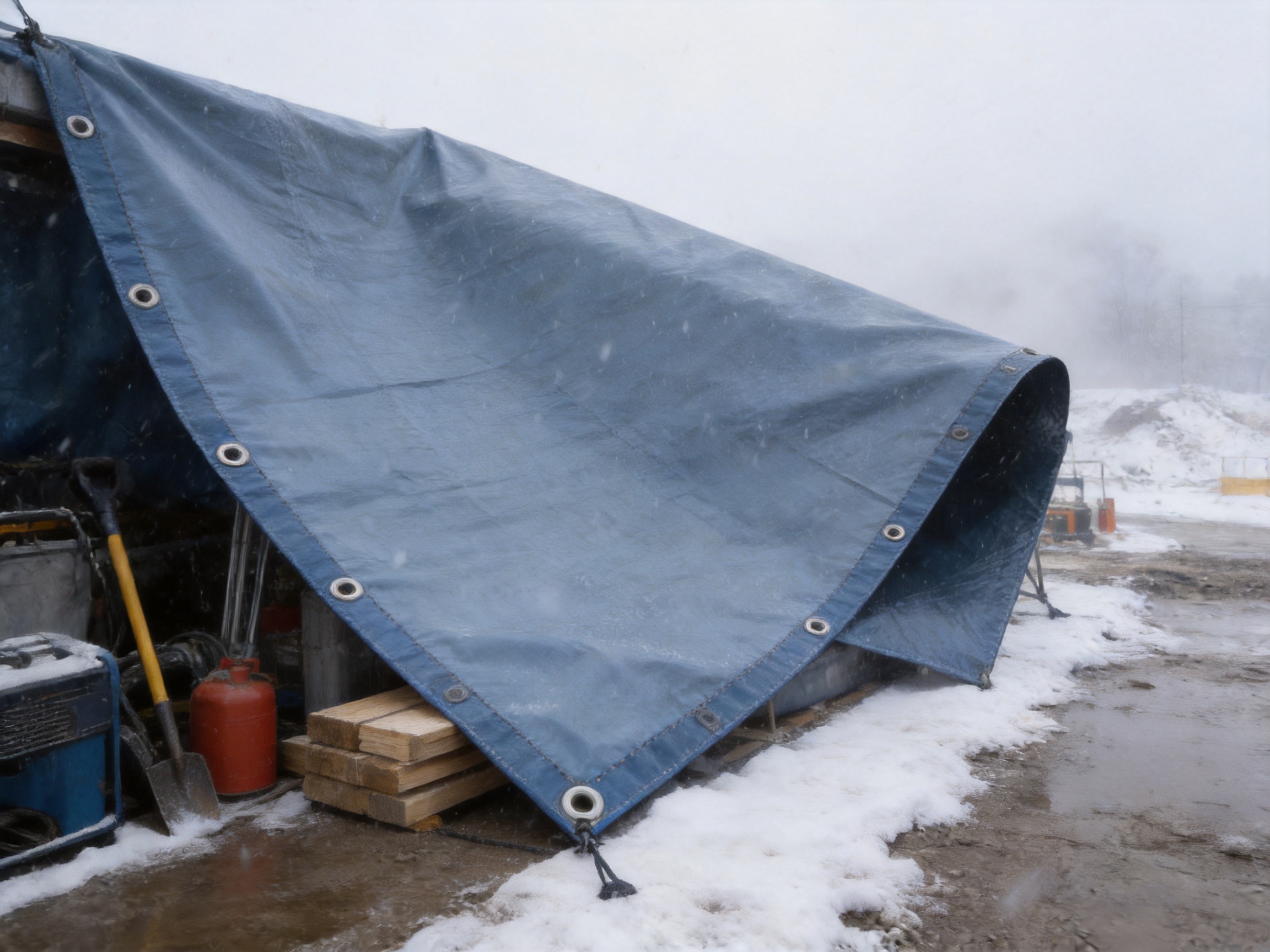
Cold-weather use places special demands on flexible coated fabrics. At low temperatures, some materials become stiff, brittle, or more difficult to fold. A cover that performs well in warm weather may become inconvenient or vulnerable when deployed in winter. The product’s stated temperature resistance of -15°C to +70°C provides a broad operating reference for outdoor use.
At the lower end of this range, the material is intended to remain suitable for many common winter conditions, including cold storage areas, outdoor construction sites, camping locations, transport operations, and seasonal agricultural work. Users should still handle the product carefully at low temperatures and avoid forcing sharply folded or frozen material into extreme bends. Proper unfolding and installation help preserve the integrity of any coated textile.
The upper temperature limit of +70°C also supports use in hot outdoor environments and enclosed spaces that may become warm under sunlight. This makes the product more versatile than a covering designed exclusively for winter. The same tarpaulin can be used through multiple seasons, improving inventory efficiency and reducing the need to purchase separate summer and winter covers.
The insulation-oriented design is intended to help reduce heat loss and provide an additional protective barrier around covered items. This can be useful when protecting temperature-sensitive supplies, food and beverages, equipment, or work materials from rapid environmental changes. The tarpaulin should not automatically be treated as a certified thermal-control system or a substitute for refrigerated transport. Its actual insulating performance depends on the product configuration, installation method, air movement, contact conditions, and the temperature difference between the covered item and the surrounding environment.
In practical terms, the product is best understood as a durable insulated protective covering that can help moderate exposure to cold, wind, moisture, and changing weather. For applications involving strict temperature control, buyers should request project-specific thermal data and confirm whether additional insulation layers or specialized packaging are required.
Outdoor protection is rarely limited to one environmental factor. Rain may be accompanied by wind. Snow may melt and create surface moisture. Dust may be driven beneath an improperly secured cover. The tarpaulin’s value comes from its ability to function as part of a complete protection system.
A properly installed cover helps shield goods from precipitation and direct exposure. Its coated surface can be cleaned more easily than many untreated woven materials, which is useful when the tarpaulin is used around soil, construction dust, road grime, or outdoor storage areas. Routine cleaning also helps users inspect the material for cuts, worn edges, or damaged attachment points before the next installation.
Wind performance depends heavily on the way the cover is secured. The product is supplied with grommets along the edges for tie-downs, allowing ropes, straps, bungee cords, hooks, or other suitable fastening systems to be used. Reinforced edges help distribute attachment forces and reduce localized stress around the grommets. For windy conditions, the tarpaulin should be secured at appropriate intervals, with the attachment system selected according to the size of the cover, wind exposure, and supporting structure.
Users should avoid allowing excessive flapping. Continuous movement can create abrasion against frames, corners, walls, or cargo. A well-tensioned installation generally offers better protection and can extend service life. Sharp objects should be covered or separated from the tarpaulin, and standing water should not be allowed to accumulate where it could create excessive weight.
Durability is valuable only when a product can be handled efficiently. A tarpaulin used at a worksite, campsite, warehouse, or transport yard may need to be folded, carried, loaded, and redeployed repeatedly. The Multi-Purpose Insulated Cold-Weather Tarpaulin is designed to provide substantial protection without becoming impractical for routine handling.
Its foldable construction allows it to be stored in a vehicle, equipment room, warehouse, shipping container, or outdoor activity pack. The actual packed size depends on the finished dimensions and folding method, but the flexible format is more convenient than rigid panels or permanent enclosures. This makes the product useful as part of an emergency weather kit or seasonal maintenance inventory.
Grommets provide simple attachment options without requiring users to modify the fabric at the installation site. This saves time and avoids creating unreinforced holes that could quickly enlarge under tension. Reinforced edges further support repeated installation and removal.
The material can be produced in a range of sizes and colours. Size selection should be based on the area to be protected, the required overlap, the fastening points, and the need for ventilation or access. Choosing a cover that is too small can expose edges and create excessive tension. Choosing one that is unnecessarily large can increase flapping and complicate installation. Professional buyers can discuss dimensions, edge finishing, grommet spacing, and other requirements before production.
Colour selection can also serve practical purposes. Dark colours may be preferred for equipment and general industrial use, while bright colours can improve visibility around worksites or emergency areas. Custom colours may support organization, product identification, or visual consistency across a fleet or facility.
The competitive value of this tarpaulin lies in the combination of features rather than one isolated specification. Many low-cost covers may offer a basic barrier against rain, but they can be limited by low tear resistance, weak hems, poor attachment points, narrow widths, or restricted temperature performance. Such limitations can lead to frequent replacement and higher long-term operating costs.
The Multi-Purpose Insulated Cold-Weather Tarpaulin addresses several of these weaknesses through a stronger fabric platform, reinforced edges, grommets, a substantial 510 gsm weight, and a broad temperature-resistance range. Its construction is suited to repeated handling and a variety of outdoor tasks. The product is also available through a manufacturer capable of producing different sizes and configurations, which is important for commercial users with project-specific requirements.
Another advantage is the balance between protection and flexibility. Rigid covers may offer excellent physical strength but require dedicated storage and handling. Thin plastic films may be easy to carry but less durable in demanding conditions. This tarpaulin occupies a practical middle ground: it is strong enough for professional applications while remaining foldable and transportable.
The product also offers a more adaptable procurement option than a highly specialized cover. A construction company, logistics provider, outdoor retailer, agricultural operator, or emergency-response organization can specify a product that serves several functions. Consolidating product requirements may simplify purchasing, spare-stock management, and staff training.
It is important to compare tarpaulins based on complete technical data rather than price alone. Buyers should review weight, base fabric, tensile strength, tear strength, adhesion, temperature resistance, edge treatment, grommet quality, available width, and manufacturing consistency. A lower initial price may not represent better value if the product requires frequent replacement or fails during an important operation.
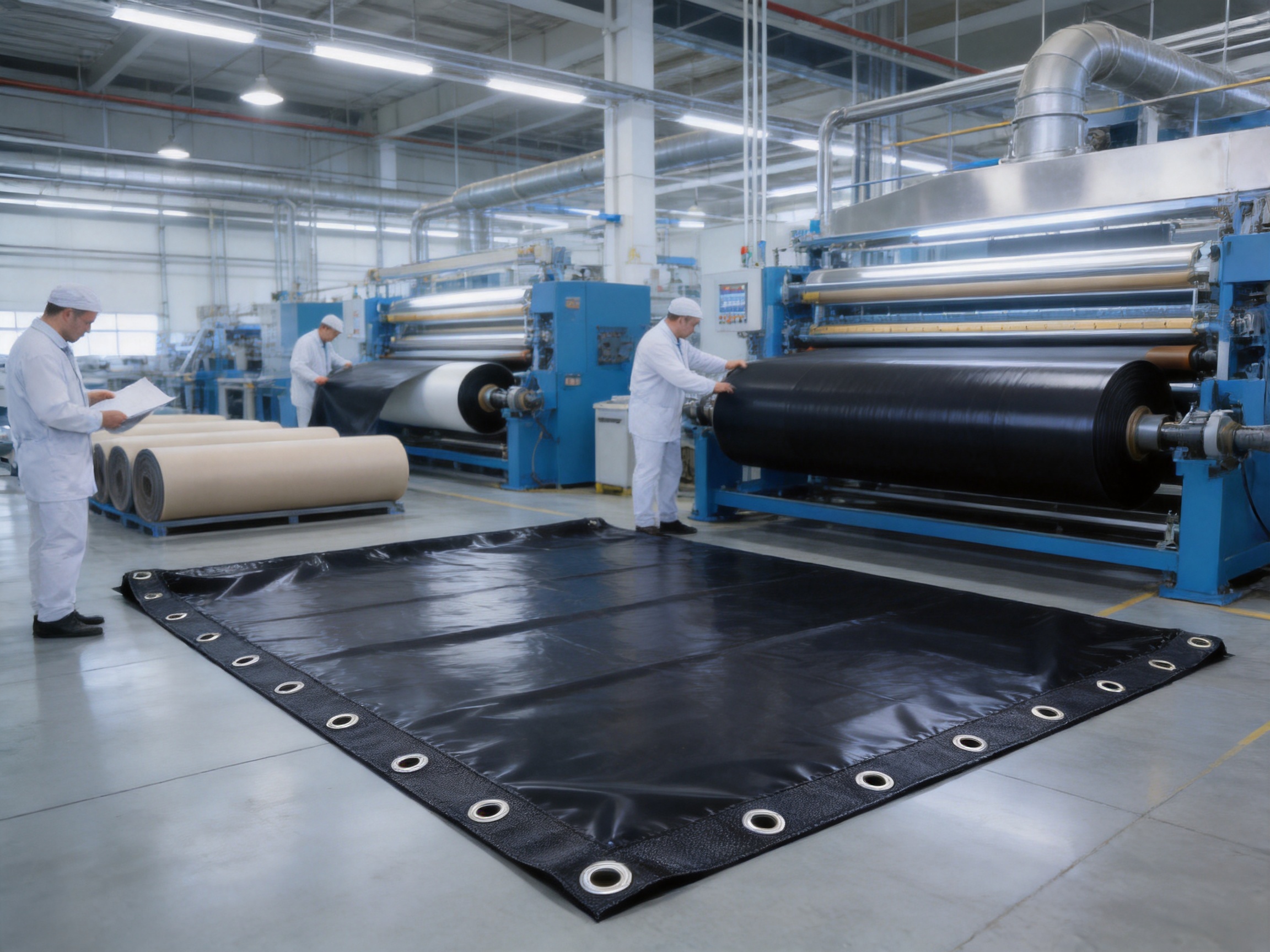
The manufacturer’s production background is a significant part of the product story. Haining Taiwei New Material Co., Ltd. was established in July 2010 and operates in Haining Dingqiao Industrial Park, Zhejiang Province, China. Its location provides convenient access to major transport routes and the ports of Shanghai and Ningbo, supporting export logistics and international order fulfillment.
The company specializes in PVC films, digital printing fabrics, tarpaulin films, frontlit and backlit materials, double-sided printing fabrics, mesh, and related light-box cloth products. This product range indicates experience with coated flexible materials and the technical requirements associated with surface quality, lamination, bonding, dimensional stability, and finishing.
Advanced calendering equipment forms an important part of the manufacturing process. Calendering uses controlled pressure and heat to create or process continuous polymer films and coated material structures. Accurate control of temperature, pressure, line speed, and material formulation can support consistent thickness, smoothness, flexibility, and surface appearance. For tarpaulin production, process stability is essential because variations in coating or bonding can influence durability and performance.
Multiple production lines provide operational flexibility and help the manufacturer manage different material types, specifications, and order volumes. Production-line flexibility is valuable for customers seeking standard products as well as customized widths, colours, weights, and finishing options. It can also support more efficient scheduling and reduce the risk that a single line limitation will delay an order.
Professional bonding facilities contribute to the structural performance of the finished tarpaulin. Bonding is especially important where layers, hems, reinforcement materials, or accessories must remain secure during use. Consistent bonding can improve adhesion and reduce the risk of premature separation under mechanical stress or temperature changes.
The company reports an annual output of approximately 45 million square meters. A production capacity at this level indicates the ability to support large-volume commercial supply, subject to product specifications, scheduling, raw-material availability, and order confirmation. More than 98% of the company’s products are exported to international markets, giving the manufacturer experience with overseas communication, shipping arrangements, documentation, and customer expectations.
For commercial buyers, product consistency is as important as the performance of an individual sample. A tarpaulin may be used across multiple sites or purchased in repeated batches, so consistent width, weight, coating, colour, tensile performance, and finishing are essential.
The company identifies ISO 9001:2015 and GB/T 19001-2016 among its certifications. These standards are associated with quality-management systems and provide a framework for documented processes, operational control, corrective action, and continual improvement. Certification does not eliminate the need for product-specific inspection, but it gives buyers an important indication that quality procedures are organized and formally managed.
The listed technical information references DIN 75200 for the stated fire-related performance and GB/T 3923.1-2013 for tension-test evaluation. Buyers should confirm the exact test reports, sample conditions, laboratory details, and scope of applicability when a project requires formal regulatory compliance. Different markets and applications may require additional standards, especially for transport, public facilities, construction, industrial safety, or specialized storage.
Quality control may include inspection of raw materials, coating uniformity, finished width, total weight, tensile strength, tear resistance, adhesion, surface appearance, edge reinforcement, grommet installation, and packaging. A well-managed inspection process helps identify defects before shipment and supports reliable downstream installation.
For large projects, buyers can request pre-production samples, approval samples, batch documentation, packing specifications, and inspection arrangements. Clear technical communication is especially important when a product is being customized or integrated into a larger structure.
Different users have different protection needs. A camping retailer may need compact covers in several colours. A logistics company may require wide-format sheets with specific grommet spacing. A construction supplier may need large covers with reinforced hems and standardized packaging. An agricultural buyer may prioritize size, cleaning, and seasonal storage. The manufacturer’s product platform supports discussion of such requirements.
Available customization may include finished width and length, colour, edge reinforcement, grommet type, grommet spacing, packaging, labeling, and production quantity. The stated maximum width is up to 3.20 meters, which can reduce the number of seams required in wide applications. Fewer seams may simplify installation and reduce potential weak points, although the final design should be evaluated according to the application and loading conditions.
Custom printing or identification may also be considered where appropriate. Logos, product codes, warning messages, or organizational markings can help identify ownership and improve inventory control. Any printing requirement should be discussed in advance because surface treatment, ink compatibility, durability, and minimum order quantities may affect the final specification.
The minimum order quantity is listed as one 20-foot container. This requirement is generally more suitable for importers, distributors, project contractors, wholesalers, and commercial users than for individual consumers seeking one cover. A container-based order can improve cost efficiency for high-volume purchasing, but buyers should account for freight, customs, storage, and local distribution when calculating the total landed cost.
The stated delivery time is approximately 20 working days. Actual lead time may vary according to order quantity, customization, production scheduling, material availability, inspection requirements, and shipping arrangements. Buyers should request a formal quotation that confirms the specification, price, production schedule, packing details, shipping terms, and payment conditions.
Construction sites often require temporary protection for cement products, timber, tools, machinery, scaffolding materials, and unfinished structures. The tarpaulin can help limit exposure to rain, snow, windblown dust, and low temperatures. Its tensile and tear resistance support repeated movement around active sites, while grommets simplify attachment to frames, posts, rails, and temporary supports.
It can also be used to create temporary partitions, cover work areas, protect equipment during overnight shutdowns, or shield materials during transport between project locations. Site managers should ensure that the cover does not block required ventilation, emergency access, visibility, or drainage.
Trucks, trailers, open platforms, and storage yards require flexible covers that can adapt to irregular cargo. The tarpaulin can be used to protect goods during loading, short-term staging, and outdoor transportation. Its wide-format availability may reduce the need for several overlapping sheets, and reinforced attachment areas support tie-down systems.
Transport operators should select fastening methods suitable for road speed, wind exposure, cargo shape, and local regulations. The tarpaulin should not replace legally required load restraints. It functions as a protective cover and must be installed without compromising cargo security.
For outdoor enthusiasts, a multi-purpose tarpaulin can reduce the amount of equipment needed for changing conditions. It may serve as a ground cover, rain shelter, windbreak, cooking-area shield, equipment cover, or storage barrier. Its foldable design allows it to be packed with other outdoor gear.
When used around heat sources, users should maintain safe clearance and follow the instructions for the specific product configuration. Fire-related performance information should not be interpreted as permission to place the tarpaulin directly against open flames or high-temperature equipment.
Agricultural operators can use tarpaulins to cover tools, feed containers, machinery, outdoor furniture, harvested materials, and temporary storage areas. The washable surface is useful in environments where soil, dust, and plant debris are common. Regular inspection is recommended to ensure that moisture is not trapped against sensitive goods for extended periods.
During storms, maintenance work, relocation, or emergency response, a durable cover can provide immediate protection for supplies and equipment. The availability of different sizes and colours can support organized deployment. Users should inspect the installation frequently during severe weather and replace or repair any damaged components before reuse.
Before installation, users should inspect the tarpaulin for cuts, punctures, damaged grommets, loose edge reinforcement, or contamination. The supporting surface should be reasonably smooth, and sharp corners should be padded or covered. The cover should be positioned so that water can drain rather than collect in a low central area.
Attachment points should be distributed evenly. Pulling the material from only a few grommets can concentrate stress and reduce service life. Ropes, straps, or elastic fastening systems should be tight enough to limit movement but not so tight that they distort or damage the edge. In high-wind conditions, additional attachment points and stronger support structures may be necessary.
After use, the tarpaulin should be cleaned with water and a mild cleaning solution when appropriate. Abrasive brushes, aggressive solvents, and unsuitable chemicals may damage the surface. The product should be fully dried before long-term storage to reduce the risk of mildew, odour, and surface deterioration.
Storage should take place in a dry, shaded, and ventilated location. Avoid placing heavy objects on tightly folded material for long periods, and avoid prolonged contact with sharp or chemically active substances. When the tarpaulin is folded, users should avoid creating unnecessary creases under extreme cold conditions.
Routine care does not eliminate normal wear, but it can help preserve performance and make damage easier to identify. A simple maintenance program is especially valuable for fleets, rental companies, construction contractors, and organizations holding multiple covers in reserve.
Before placing an order, buyers should define the intended application and the environmental conditions. Important questions include the required finished dimensions, expected temperature range, exposure to wind and precipitation, frequency of installation, desired colour, edge design, grommet spacing, packaging format, and annual consumption.
Buyers should also clarify whether the tarpaulin will contact food packaging, chemicals, fuels, livestock materials, or sensitive equipment. A general-purpose product may be suitable for many covering tasks, but specialized contact or regulatory requirements may require a different formulation or additional documentation.
For projects involving insulation or temperature-sensitive goods, request application-specific performance information. The product description presents the tarpaulin as insulated and suitable for helping retain heat, but the actual thermal result depends on the complete system. Factors include the number of layers, air gaps, wind, moisture, item temperature, cover tension, and duration of exposure.
Commercial buyers should request a formal technical data sheet and confirm whether the quoted product matches the TWP0505-510 model, including weight, yarn specification, thread count, tensile strength, tear strength, adhesion, temperature resistance, and width. If the order is customized, the purchase documents should identify every approved variation.
Shipping terms may be arranged under FOB, CIF, CNF, or another agreed basis. Payment information identifies earnest money plus balance through T/T or L/C, subject to contract terms. Customers should confirm currency, banking details, inspection arrangements, production milestones, and shipping documentation directly with the supplier before making payment.
The Multi-Purpose Insulated Cold-Weather Tarpaulin offers value through versatility, durable construction, broad environmental usability, and manufacturing flexibility. Its 510 gsm structure provides a substantial material platform without making the product a rigid or permanent installation. Its tensile and tear-strength values support repeated handling, while reinforced edges and grommets make installation more practical.
The temperature range from -15°C to +70°C supports year-round use in many ordinary outdoor settings. This reduces the need to maintain separate covers for different seasons. The product can also be ordered in different sizes and colours, helping buyers align the tarpaulin with specific equipment, work areas, or stock-management systems.
Compared with basic disposable covers, the product is better positioned for repeated use. Compared with highly specialized permanent systems, it is more flexible and easier to deploy. Compared with rigid protective structures, it requires less storage space and can be transported more easily. These advantages make it a practical choice for organizations that need reliable protection but also value mobility and operational simplicity.
The manufacturer’s advanced calendering equipment, multiple production lines, professional bonding facilities, quality-management framework, export experience, and large annual capacity further strengthen the supply proposition. Customers can work with a producer that understands flexible coated materials and can support both standard orders and commercial customization.
The main purpose is to provide reusable protection for equipment, supplies, cargo, outdoor structures, and personal belongings in cold and changing weather. It can be used for camping, construction, transport, agriculture, storage, and general outdoor protection.
Yes. The listed temperature-resistance range is -15°C to +70°C, making it suitable for many cold-weather and seasonal outdoor applications. Users should handle the material carefully at low temperatures and confirm project-specific requirements when exposure is extreme.
The product is positioned as an insulated cold-weather tarpaulin that helps provide a protective barrier and supports heat retention. Actual thermal performance depends on installation, layering, wind, moisture, and the objects being covered. It should not automatically be treated as a certified substitute for refrigerated or regulated thermal-control equipment.
The listed model is TWP0505-510. Buyers should confirm the model and all technical details on the quotation and order documents.
The stated total weight is 510 grams per square meter. Final production weight may be subject to normal manufacturing tolerances and should be confirmed in the technical documentation.
The listed tensile strength is 1200/1100 N per 5 cm, and the listed tearing strength is 280/250 N. The two values generally represent performance in the principal fabric directions. Buyers should request the applicable test report when formal verification is required.
The stated maximum width is up to 3.20 meters. Finished width depends on the selected specification, production arrangement, edge treatment, and order requirements.
Yes. The product description identifies grommets along the edges for tie-downs. Grommet type, spacing, reinforcement, and other finishing details should be confirmed for customized orders.
The product is available in a range of sizes and colours, and commercial buyers can discuss additional finishing requirements with the manufacturer. Customization may affect minimum order quantity, price, and delivery time.
The listed minimum order quantity is one 20-foot container. This is generally intended for commercial buyers, importers, distributors, wholesalers, and project orders.
The listed delivery time is 20 working days. The actual schedule should be confirmed according to the specification, quantity, customization, production capacity, inspection requirements, and shipping arrangements.
Clean and dry the material before storage, then keep it in a dry, shaded, ventilated location. Avoid prolonged contact with sharp objects, harsh chemicals, and excessive weight. Regular inspection is recommended before reuse.
The product is manufactured by Haining Taiwei New Material Co., Ltd., a China-based manufacturer and exporter of PVC films, digital printing fabrics, tarpaulin films, mesh, frontlit and backlit materials, and related flexible coated products.
The Multi-Purpose Insulated Cold-Weather Tarpaulin is a durable and adaptable solution for users who require reliable outdoor protection across changing seasons. Its 500 x 500 denier specification, 510 gsm weight, listed tensile and tear strengths, reinforced edges, grommets, and -15°C to +70°C temperature range create a balanced product for repeated use in demanding environments.
Its value is especially clear when compared with thin disposable sheets or inflexible protective systems. It combines strength, portability, broad application potential, and customization options in one reusable covering. Whether used for construction materials, transport cargo, camping equipment, agricultural supplies, machinery, or temporary storage, it can help users improve protection and simplify daily operations.
The manufacturing capabilities behind the product add further confidence for commercial customers. Advanced calendering equipment, multiple production lines, professional bonding facilities, quality-management certifications, international export experience, and high annual output support consistent supply and project-scale production.
For the best result, buyers should match the size, finishing, fastening system, and insulation expectations to the intended application. Proper installation, cleaning, storage, and inspection will also help maximize service life. With clear technical communication and an application-appropriate specification, this cold-weather tarpaulin can serve as a practical, durable, and cost-effective protective solution for many outdoor and industrial needs.
1. Product technical information for model TWP0505-510, including weight, yarn specification, tensile strength, tear strength, adhesion, temperature resistance, and available width.
2. DIN 75200, automotive and polymer-material burning behavior reference identified in the supplied product information.
3. GB/T 3923.1-2013, textile tensile-property test reference identified in the supplied product information.
4. ISO 9001:2015, Quality Management Systems: Requirements.
5. GB/T 19001-2016, Quality Management Systems: Requirements.
6. Manufacturer-provided company profile and production capability information for Haining Taiwei New Material Co., Ltd.
7. General technical principles for coated textile handling, outdoor-cover installation, cleaning, inspection, and storage.
Multi-Purpose Insulated Cold-Weather Tarpaulin
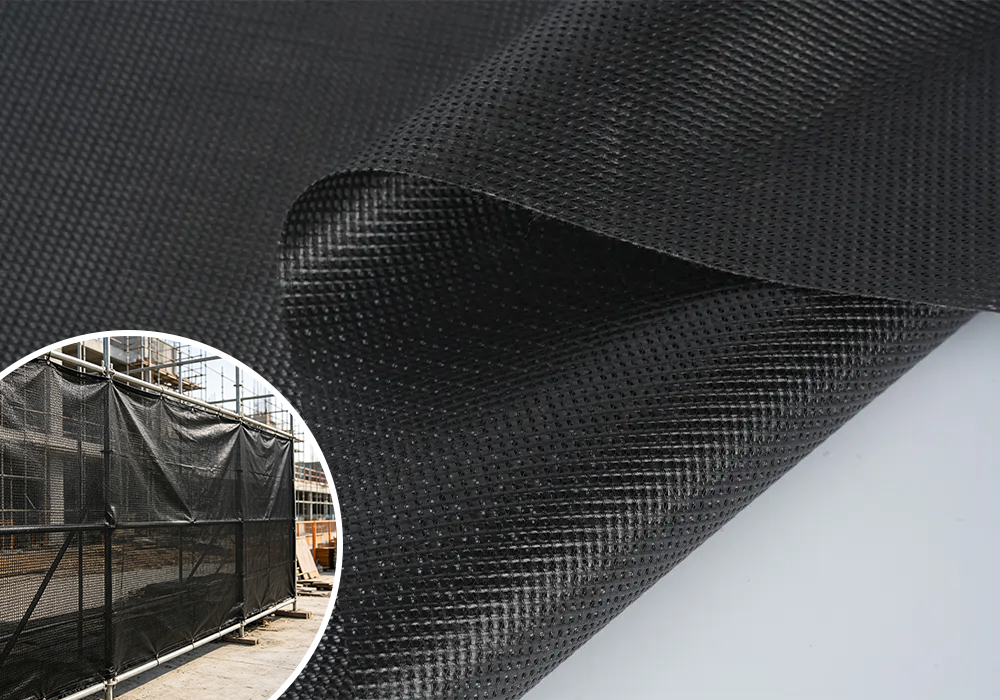 All Weather Heavy Duty Mesh Tarpaulin for Barrier Fencing
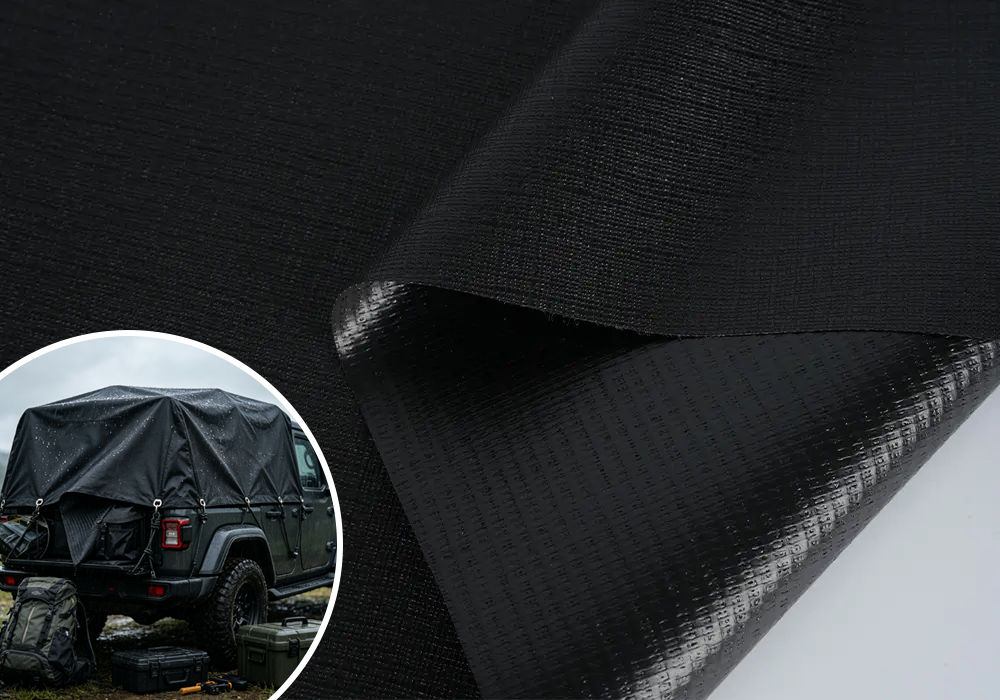 Weatherproof Printable Waterproof Tarpaulin For Camper RV
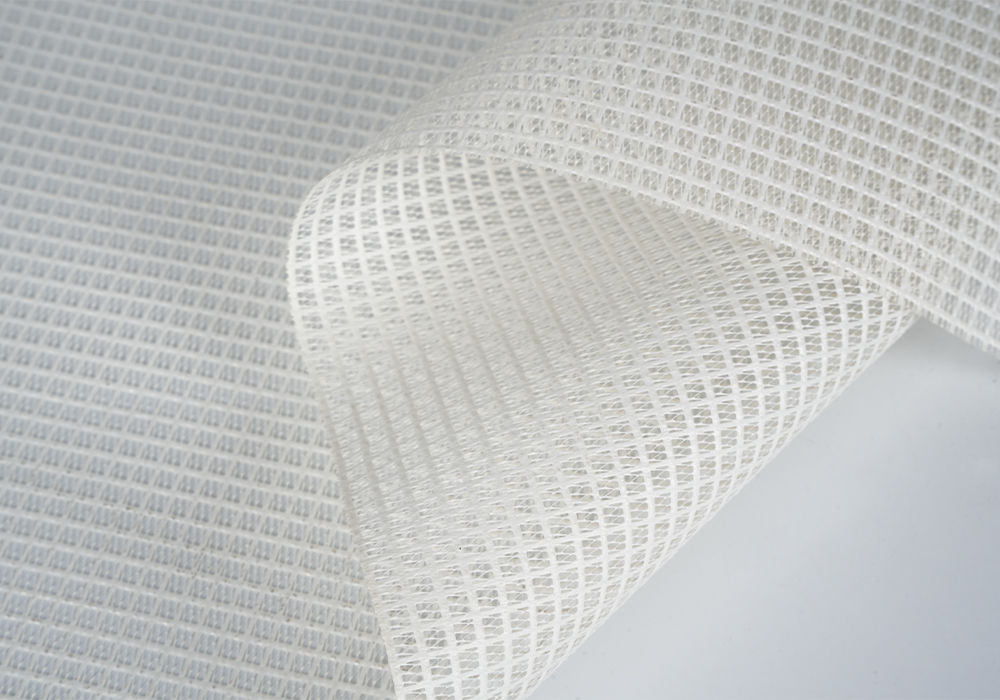 Breathable Wind Resistant Mesh Tarpaulin for Advertising
 Anti Fouling Weatherproof Tarpaulin For Swimming Pool Cover
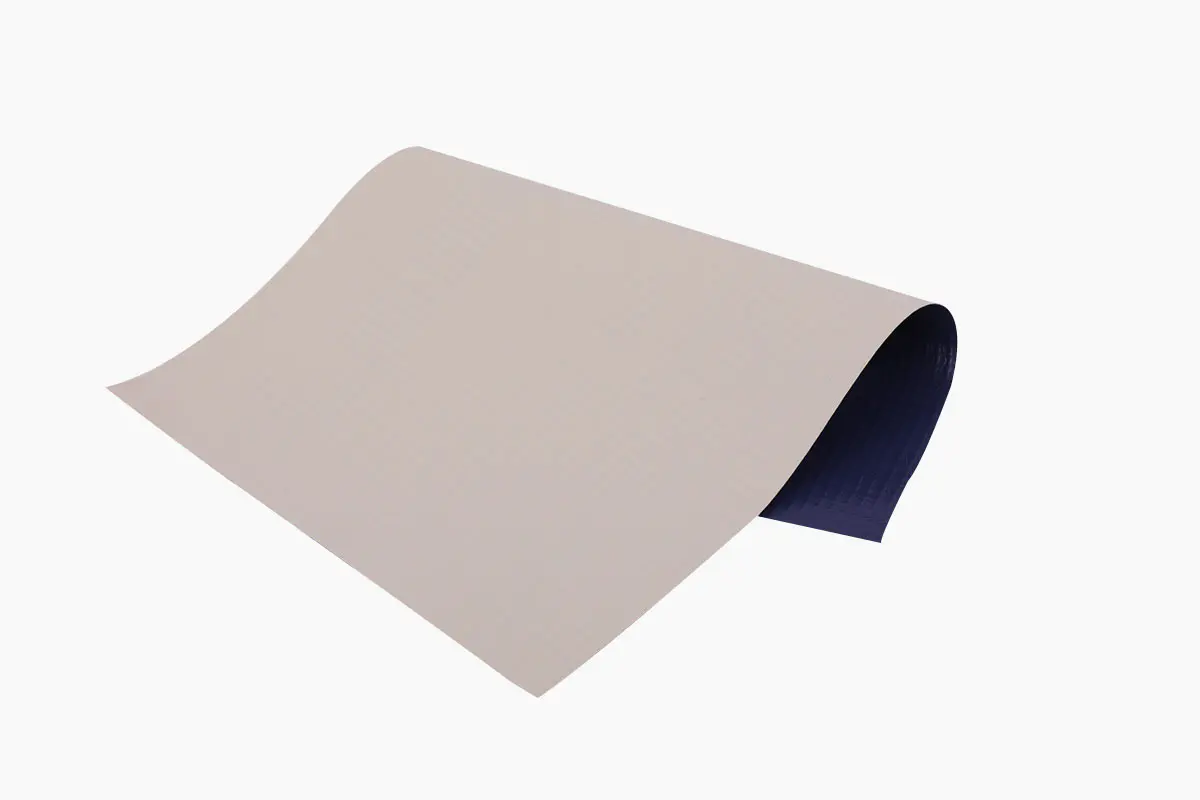 Premium Tear-Resistant All-Weather UV-Resistant Tarpaulin Fabric
 Custom Digital Printing Fabric Manufacturers

 Previous